
The Life Brigade — History & Facts
In The Life Brigade, the tumult of the ocean is transformed into an illusion of order through the artist’s masterful technique. Waves crash violently, yet each brushstroke captures a fleeting moment of heroism, drawing the viewer into a narrative that transcends mere depiction. Focus on the central figures—brave rescuers silhouetted against the roiling sea. Notice how the light dances on the water's surface, reflecting both the tumult of the storm and the hope embodied by the lifeguards.
The palette is dominated by deep blues and stark whites, creating a sense of urgency that pulls your gaze into the rescue operation. The tension between the turbulent background and the steadfastness of the figures suggests that amidst chaos, courage prevails. Hidden within the artwork are layers of meaning: the juxtaposition of the life brigade against the violent sea speaks to the struggle between man and nature. The unfurling waves represent not just physical danger, but the unpredictability of life itself.
Additionally, the expressions of determination on the rescuers’ faces convey a profound sense of duty, underscoring the emotional weight of their perilous endeavor. In 1883, Winslow Homer was immersed in themes of bravery and resilience, having settled in coastal Maine where the ocean became a central motif in his work. The artist was influenced by the growing public interest in maritime subjects and the heroic narratives that emerged from them, reflecting both personal and societal challenges. It was a period marked by the Industrial Revolution, where the struggle against nature mirrored the human spirit’s quest for triumph over adversity.
More Artworks by Winslow Homer
Browse all →
The Gulf Stream
Winslow Homer
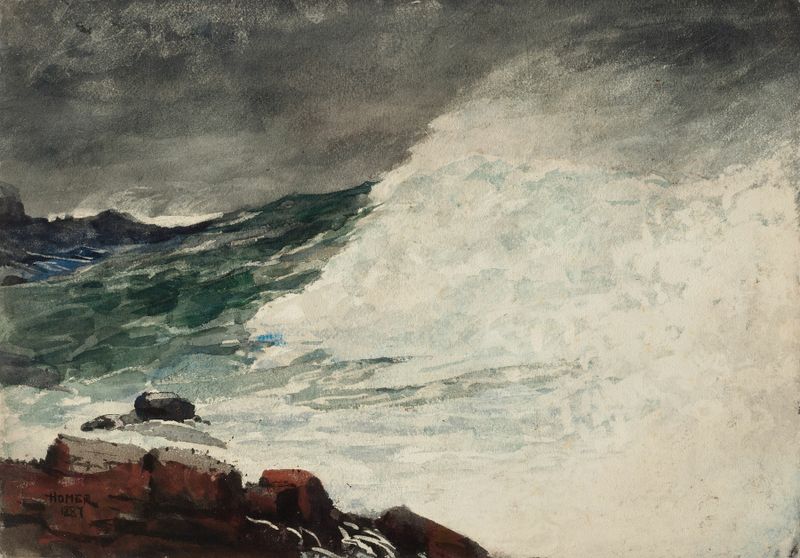
Prout’s Neck, Breaking Wave
Winslow Homer
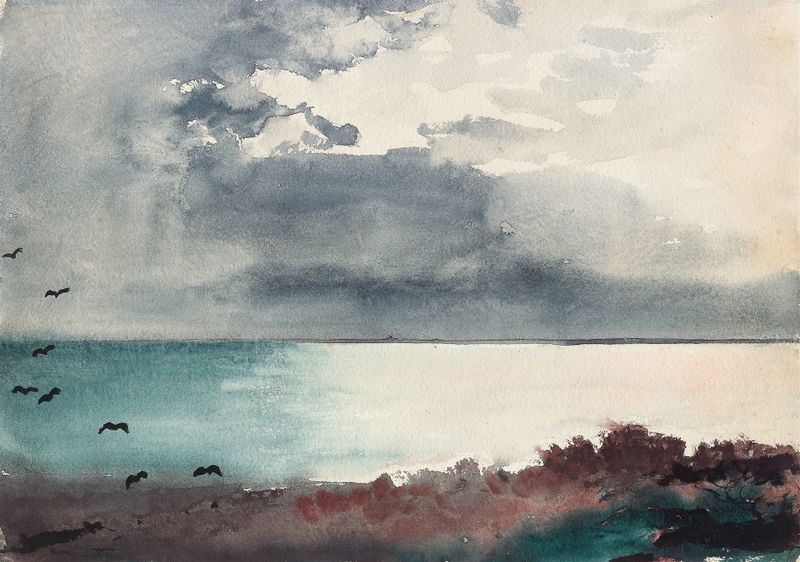
Breaking Storm, Coast of Maine
Winslow Homer
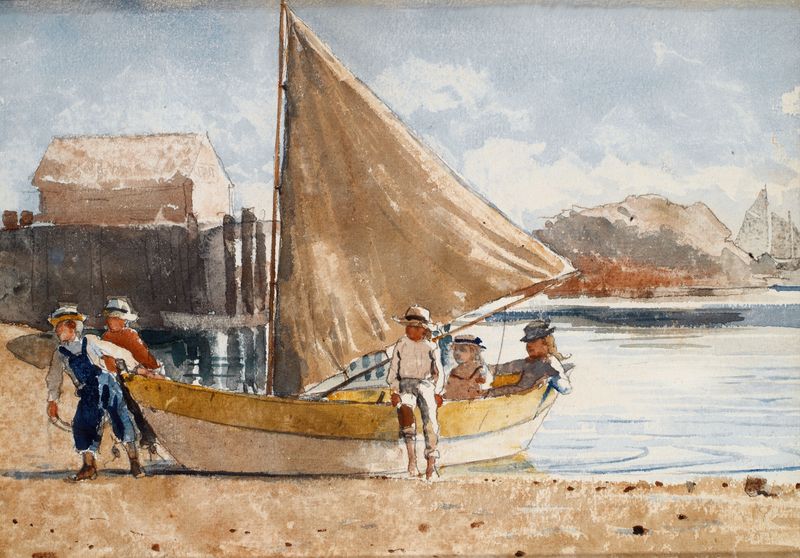
Summertime
Winslow Homer
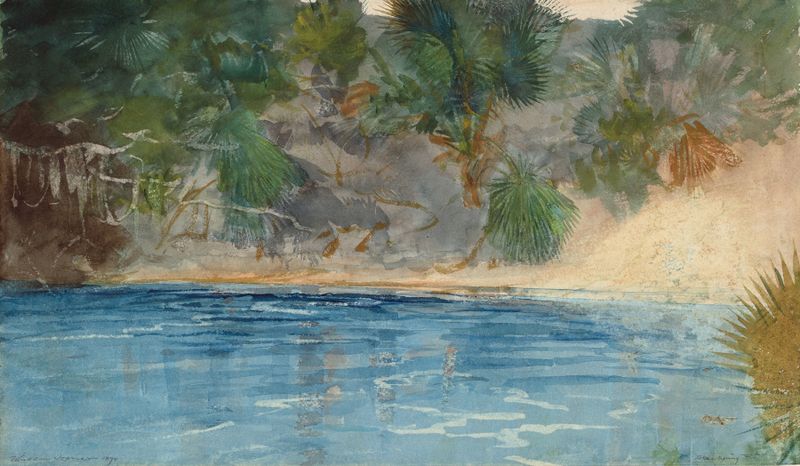
Blue Spring, Florida
Winslow Homer
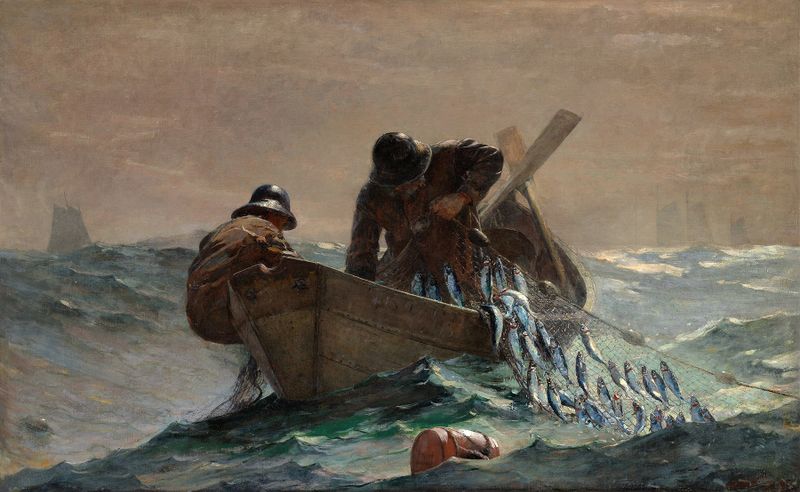
The Herring Net
Winslow Homer
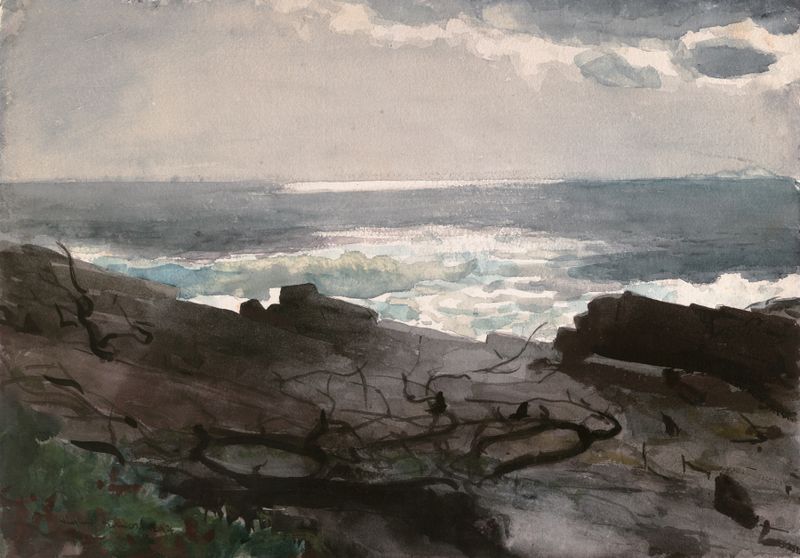
Sunshine and Shadow, Prout’s Neck
Winslow Homer
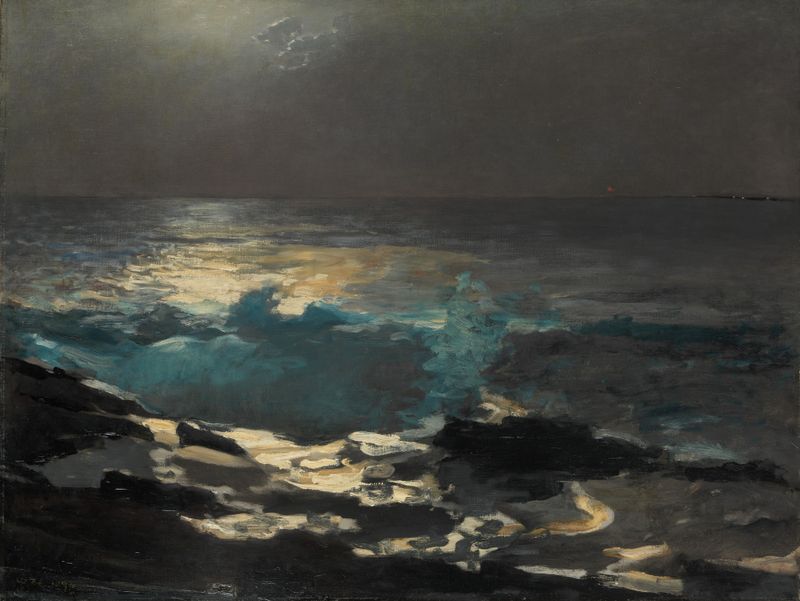
Moonlight, Wood Island Light
Winslow Homer
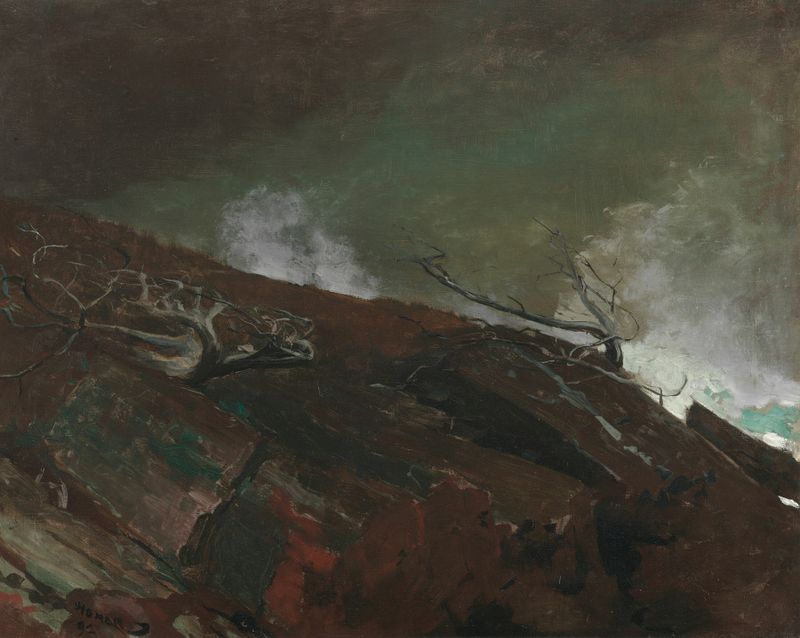
Coast of Maine
Winslow Homer
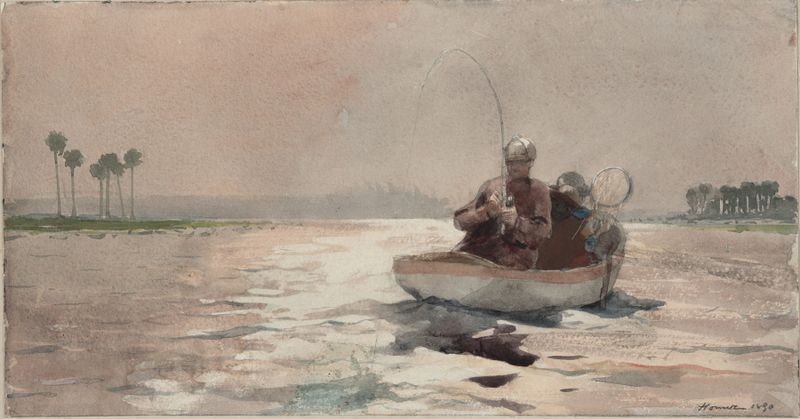
Bass Fishing – Florida
Winslow Homer




