Discover insights about this artwork
The Little Bridge (recto) — History & Facts
In The Little Bridge, Paul Cézanne presents a serene landscape dominated by soft greens and blues. The small bridge, nestled among trees, creates a focal point in the composition. The brushwork is loose, giving a sense of movement to the foliage and water.
Light filters through the trees, casting gentle shadows on the ground. Cézanne's technique is evident in the way he layers colors to create depth and texture. The brushstrokes are visible, adding a tactile quality to the painting. The use of color is harmonious, blending the natural elements seamlessly.
This work exemplifies the Post-Impressionist style, focusing on the artist's perception of the scene rather than strict realism. The Little Bridge is a testament to Cézanne's exploration of nature and his innovative approach to form and color. Created during a period when he was refining his style, this painting reflects his interest in the interplay of light and landscape. An interesting fact about this work is that it showcases his transition from Impressionism to a more structured, abstract representation of nature.
Cézanne's influence on modern art is profound, paving the way for future movements.
More Artworks by Paul Cézanne
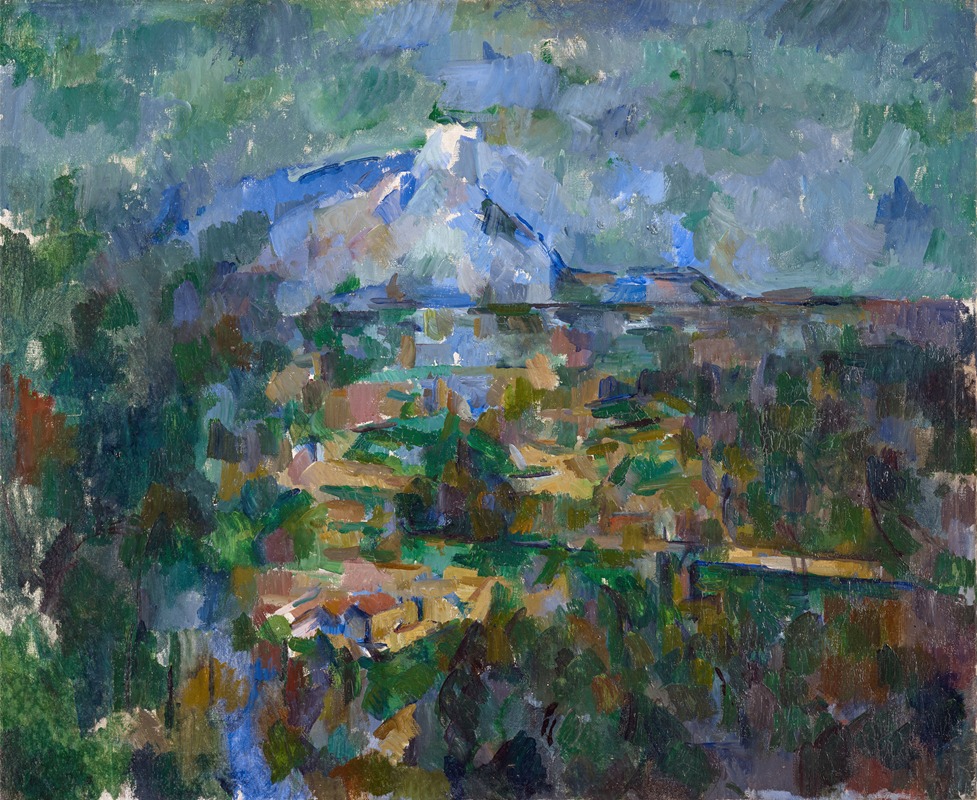
The Mont Sainte-Victoire Seen From Les Lauves
Paul Cézanne
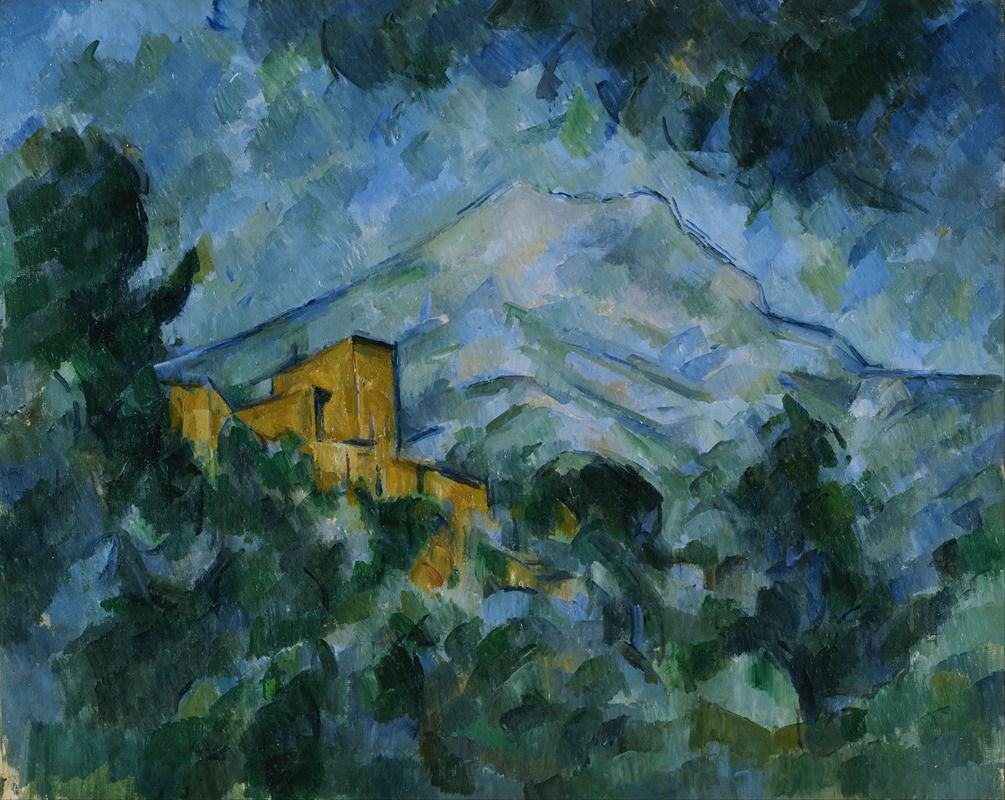
Mont Sainte-Victoire and Château Noir
Paul Cézanne
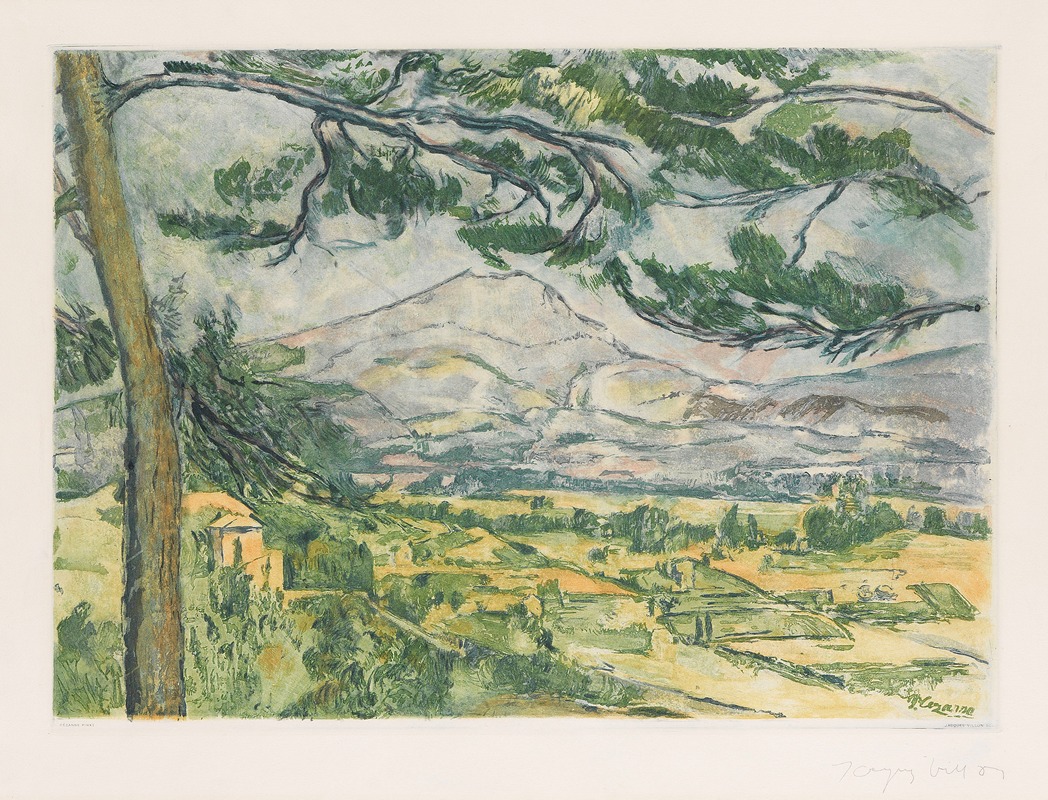
La Montagne Sainte-Victoire
Paul Cézanne
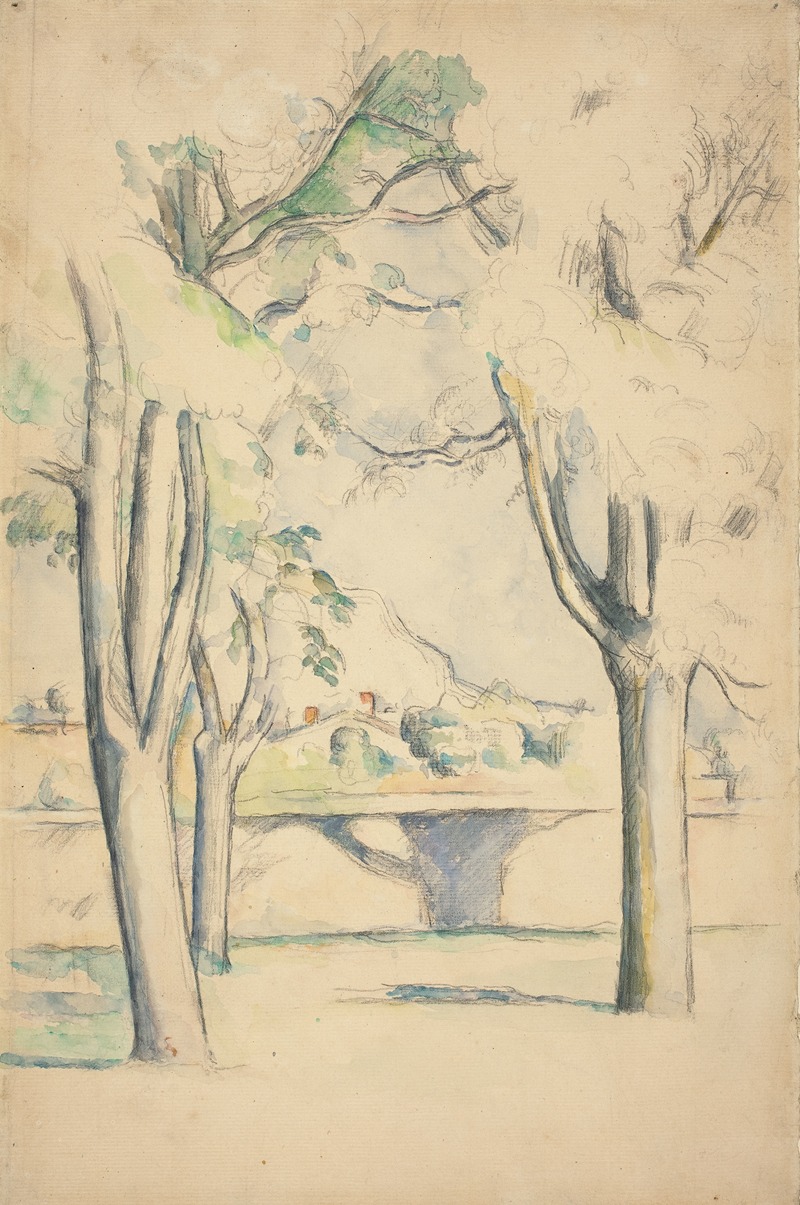
Mont Sainte-Victoire Seen beyond the Wall of the Jas de Bouffan
Paul Cézanne
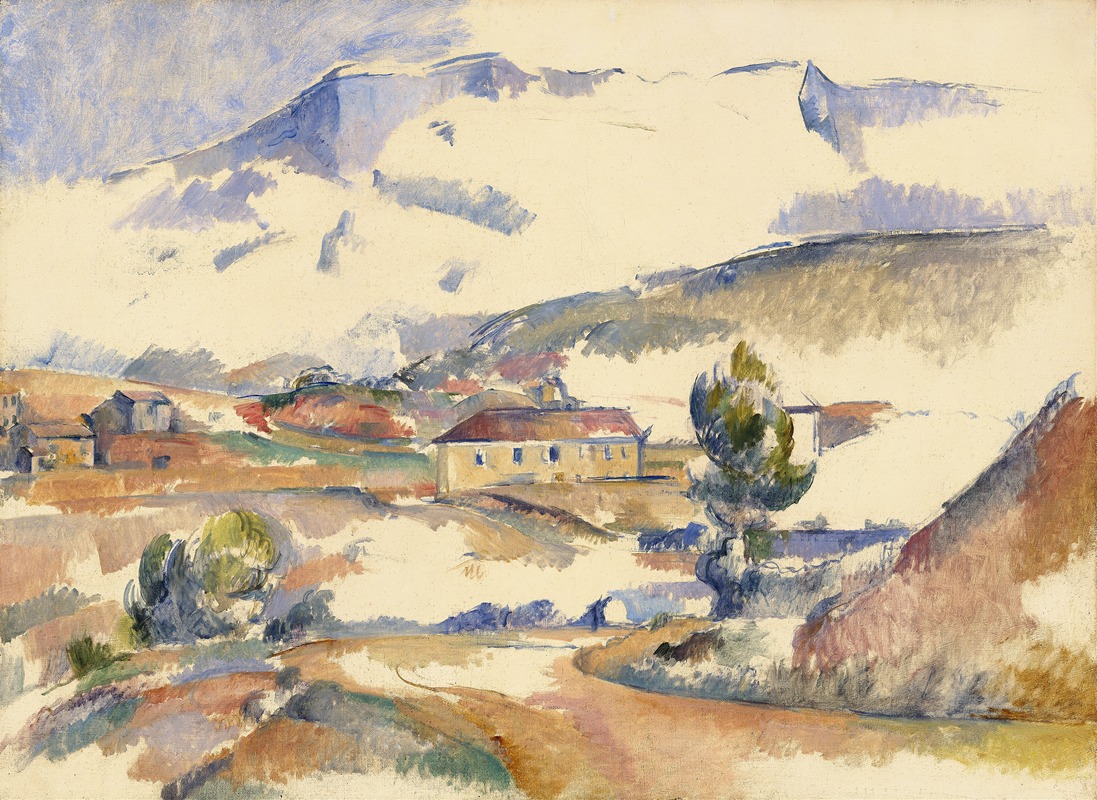
Montagne Sainte-Victoire,from near Gardanne
Paul Cézanne
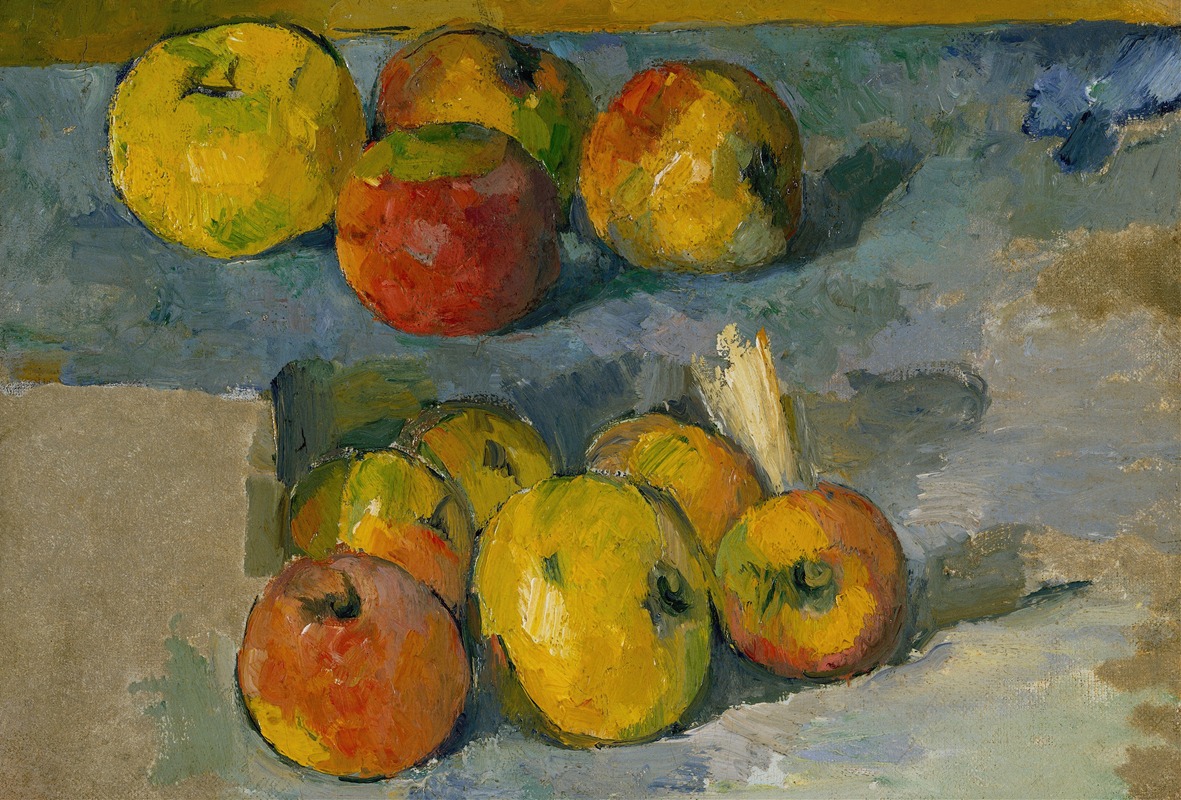
Apples
Paul Cézanne
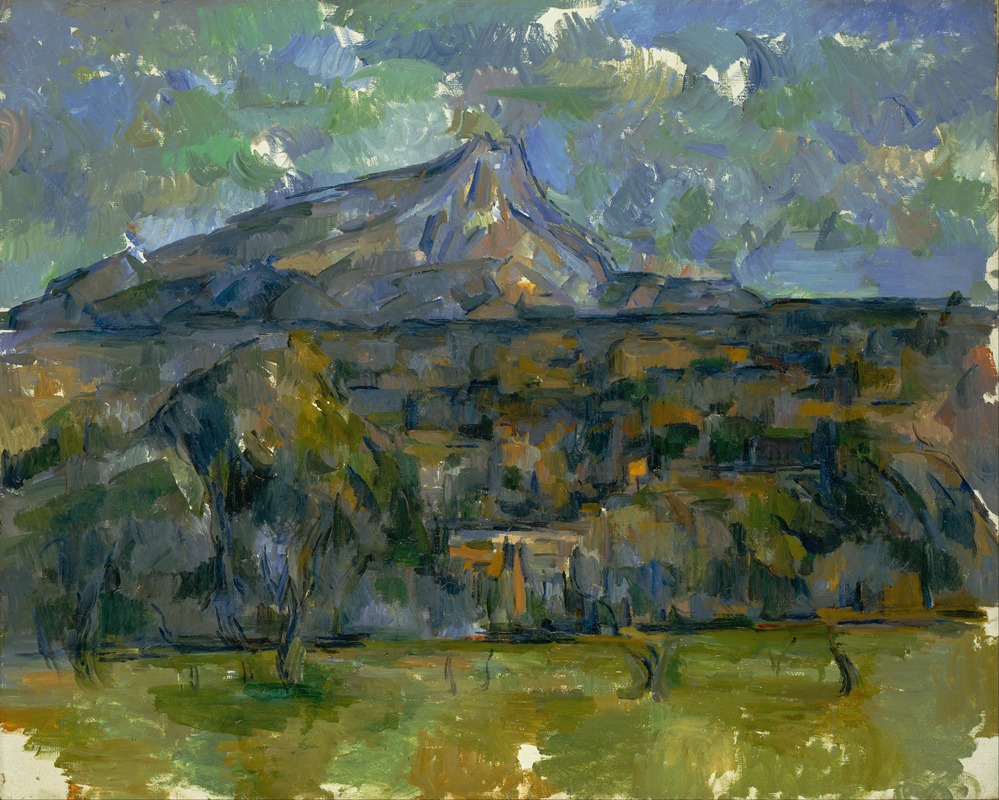
Mont Sainte-Victoire
Paul Cézanne
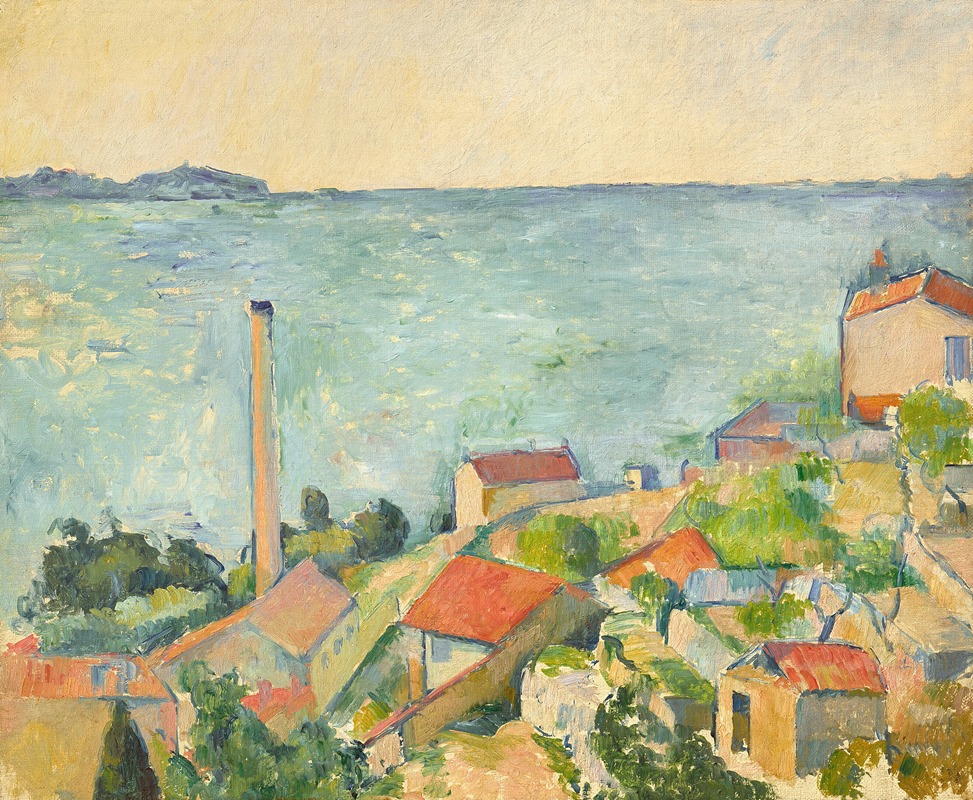
La mer à l’Estaque
Paul Cézanne
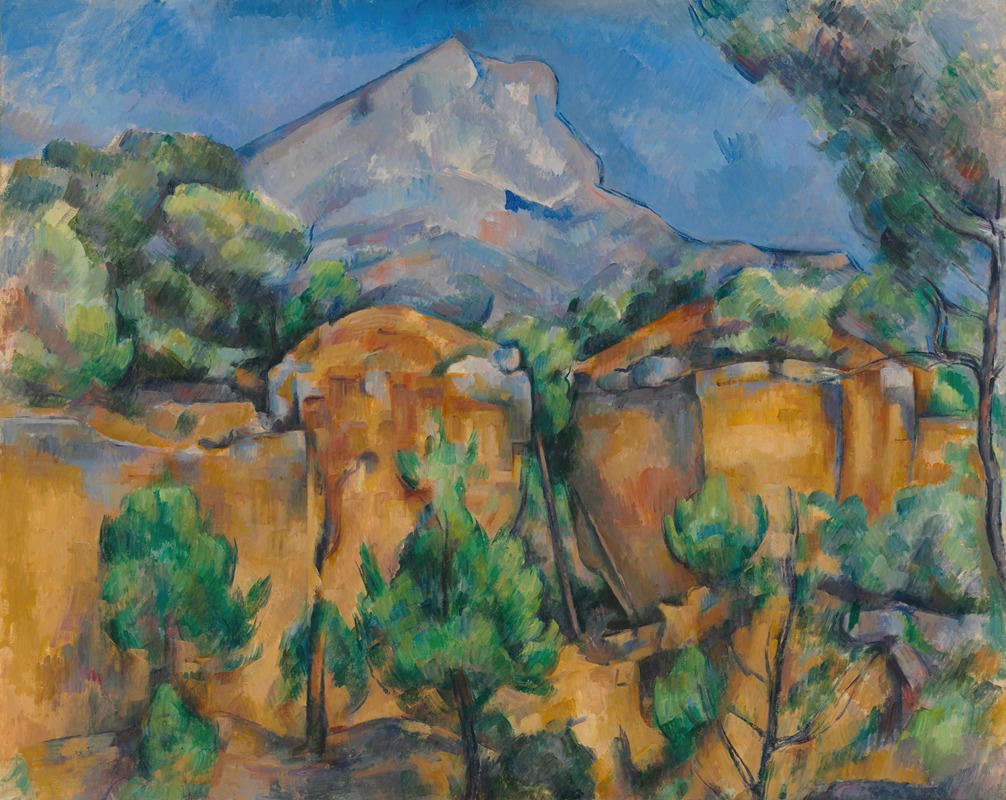
La Montagne Sainte-Victoire vue de la carrière Bibémus
Paul Cézanne
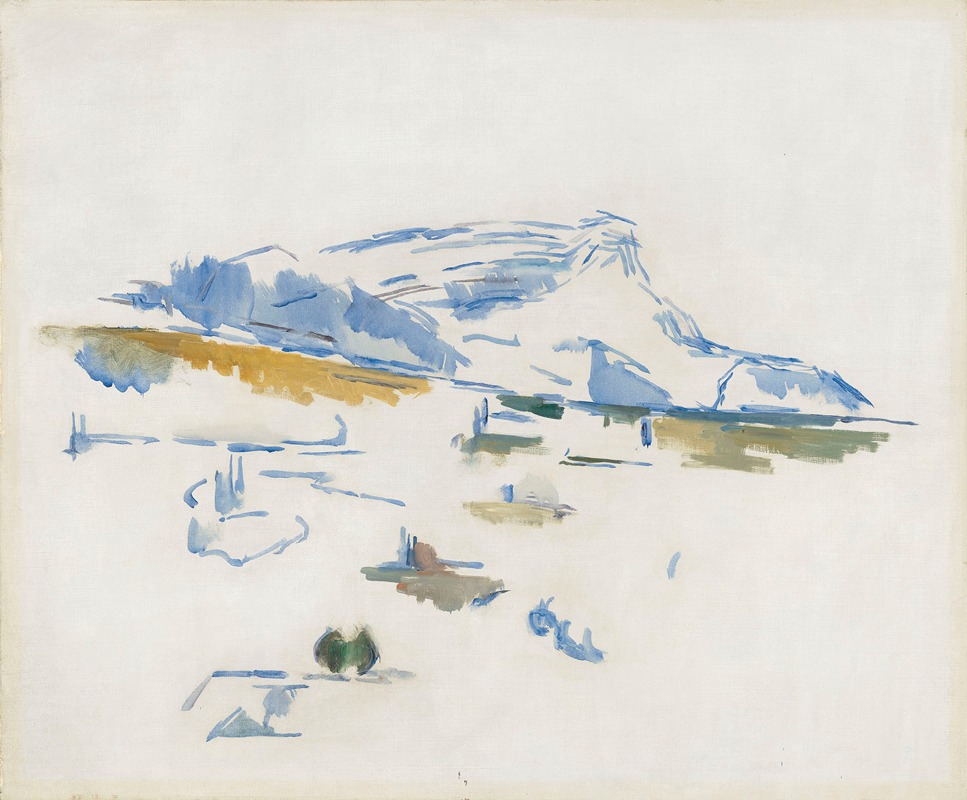
La Montagne Sainte-Victoire vue des Lauves
Paul Cézanne