
The Little Farm — History & Facts
What if silence could speak through light? In The Little Farm, the gentle play of luminescence invites the viewer into a tranquil dreamscape, where simpler lives are woven into the very fabric of nature. Focus first on the serene foreground, where a quaint farmhouse nestles amidst lush greenery. Notice how the delicate brushstrokes capture the fluttering shadows of leaves, giving a sense of soft breezes that dance through the air. The warm hues of earth and sky blend seamlessly, illustrating a moment suspended in time.
The composition draws your eye toward the horizon, where muted blues and golden tones hint at the end of a day, instilling a wistful peace. As you delve deeper, the subtle contrasts emerge: the sturdy, earthy tones of the farm juxtaposed against the ethereal quality of the sky. Each figure, whether tending to livestock or engaged in household tasks, embodies a quiet determination, yet there remains an underlying tenderness in their actions. This interplay between labor and tranquility evokes a longing for simplicity and connection, amplifying the emotional depth of the scene. In 1618, Jacques Callot created this work during a time of artistic upheaval in Europe.
Emerging from the Mannerist era, he infused his pieces with detailed narratives and emotional resonance. At this juncture, he was exploring themes of everyday life, deftly illustrating the profound beauty found in the mundane. This marked a pivotal moment in his career, setting the stage for his legacy as a master of both print and painting.
More Artworks by Jacques Callot
Browse all →
Titelprent voor de prentreeks 'De kleine apostelen' (Het martelaarschap van de apostelen)
Jacques Callot
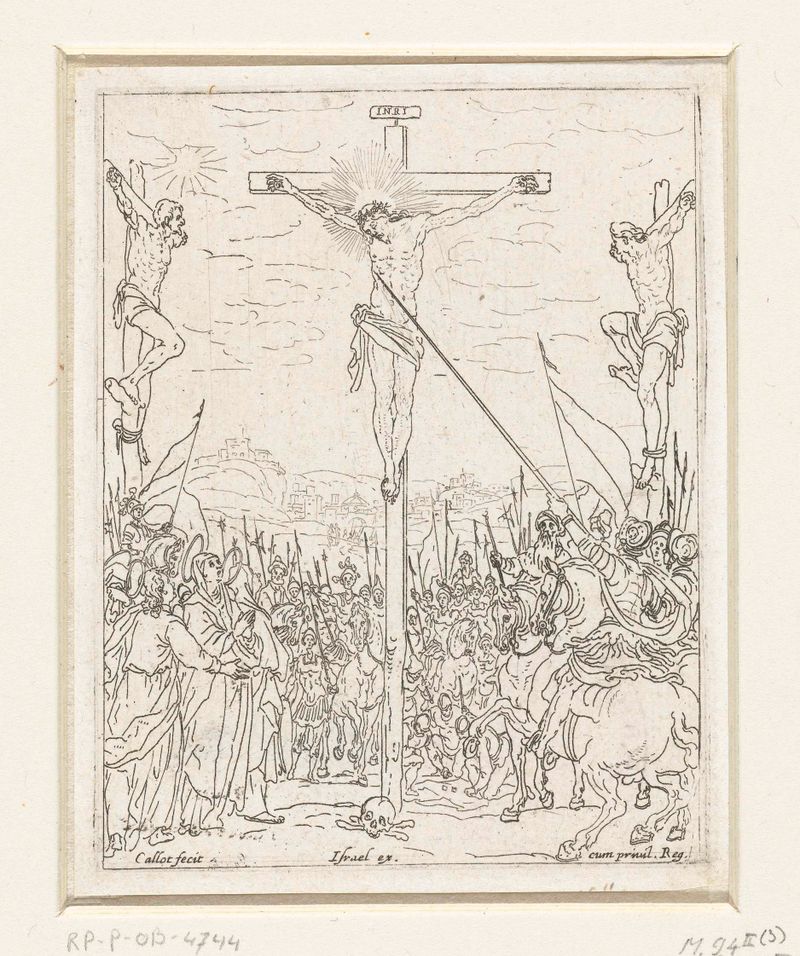
Kruisiging
Jacques Callot

De doortocht door de Rode Zee
Jacques Callot

De verloren zoon als zwijnenhoeder
Jacques Callot

Annunciatie
Jacques Callot
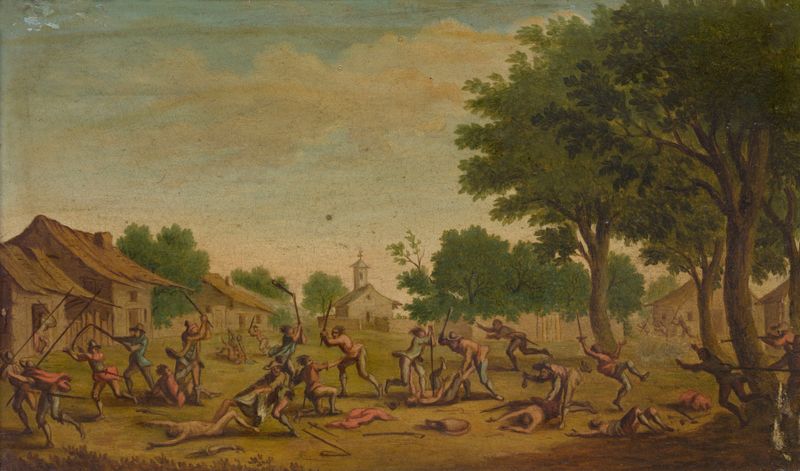
Village Fight
Jacques Callot

Titelprent voor prentreeks 'Het leven van Maria'
Jacques Callot
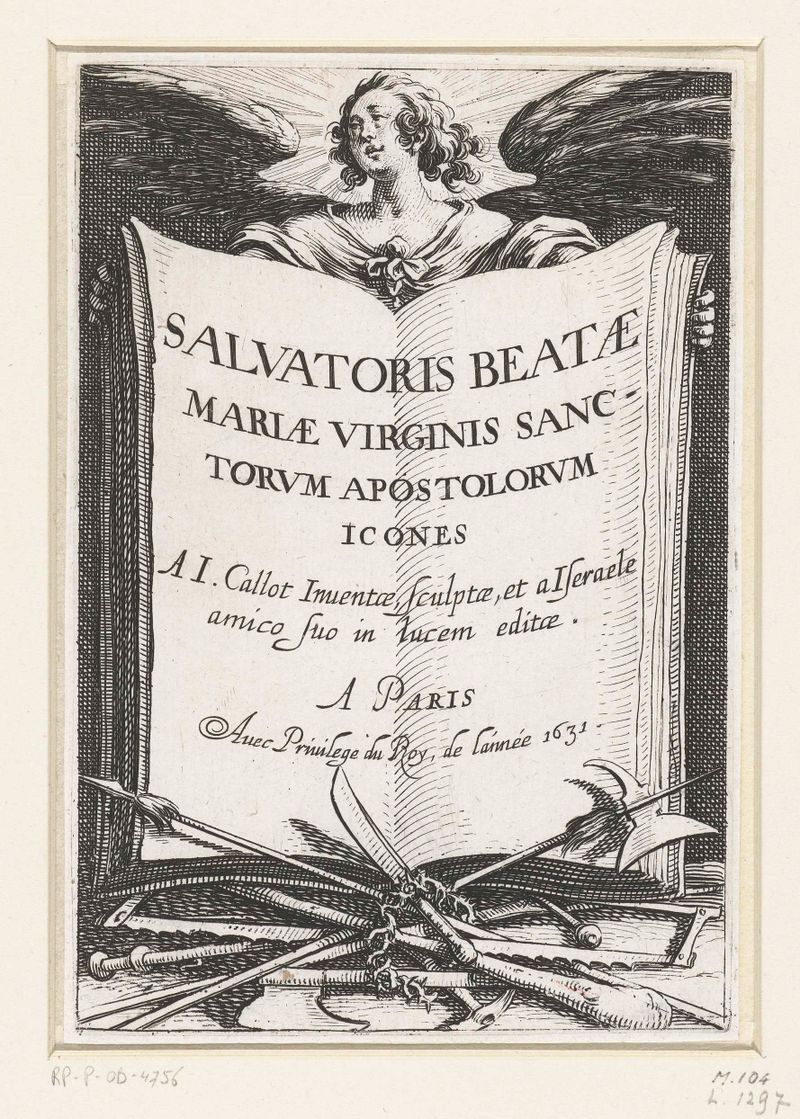
Titelprent voor de prentreeks 'De grote apostelen' (Christus, Maria en de apostelen)
Jacques Callot

Christus aan het volk getoond (Ecce homo)
Jacques Callot
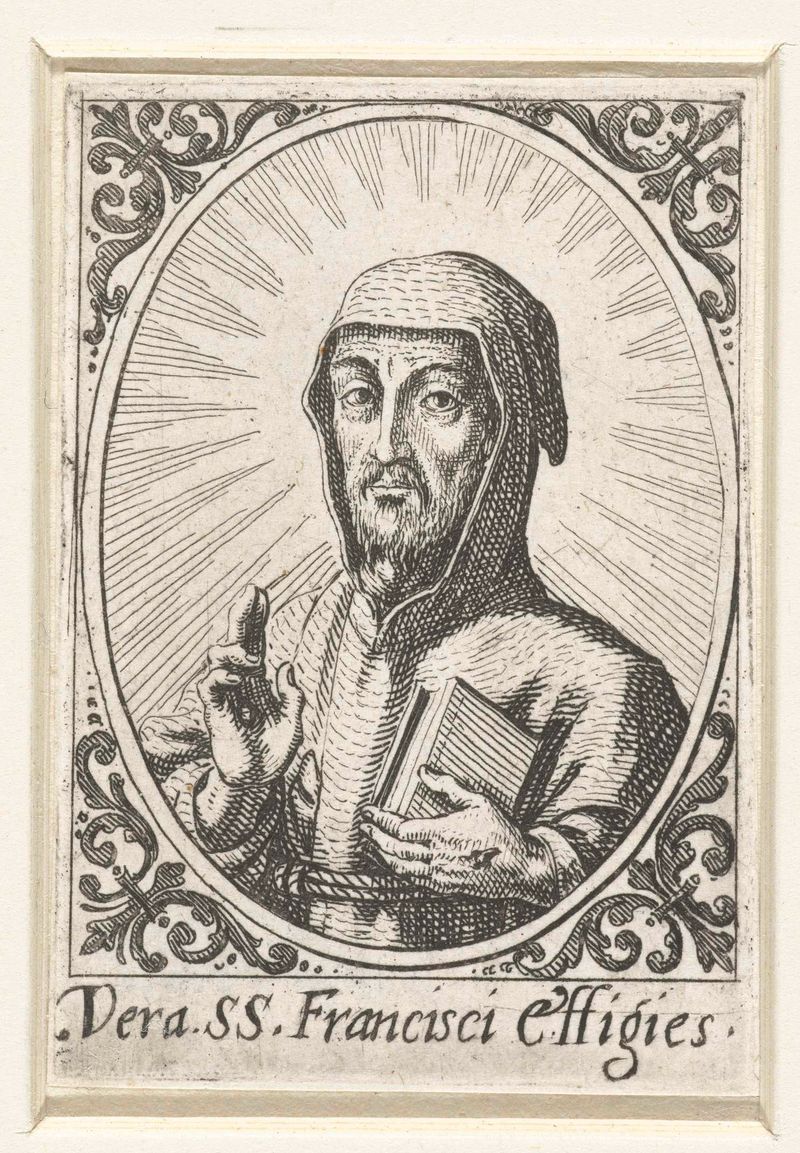
Portret van de Heilige Franciscus
Jacques Callot





