
The Little Hunter — History & Facts
What secret hides in the quiet of the canvas? In Félix Hilaire Buhot’s The Little Hunter, the stillness of the moment evokes a weight of grief, as if the landscape itself mourns the lost innocence of childhood. Look to the center of the composition, where a small figure stands poised with a miniature bow, seemingly lost in thought. The muted, earthy tones of browns and greens envelop the boy, blending him into the terrain while highlighting the lively strokes of blue in the sky above. Notice how the light tenderly caresses the boy's form, creating a halo-like effect around his head—an indication of both vulnerability and aspiration.
The composition draws the eye inward, inviting a contemplation of the tension between nature's beauty and the boy's isolation. Delve deeper into the details: the incongruity of a child wielding such a weapon suggests a longing for adventure tempered by the burdens of expectation. The slight furrow of his brow adds an air of gravity, hinting at the fleeting nature of youth as he stands at the threshold of life’s complexities. The quietude of the landscape around him amplifies this tension, contrasting the vibrant potential of the sky with the muted earth, symbolizing the bittersweet journey from innocence to experience. Painted in 1892, this work emerged during a period of reflection for Buhot, who was navigating the complexities of a personal life marked by loss and artistic evolution.
Living in France, he was influenced by the Impressionists, yet his style retained a distinctive intimacy, capturing the nuances of emotion within tranquil settings. The artwork resonates as a poignant reminder of the intersection between childhood dreams and the inevitable weight of reality.
More Artworks by Félix Hilaire Buhot
Browse all →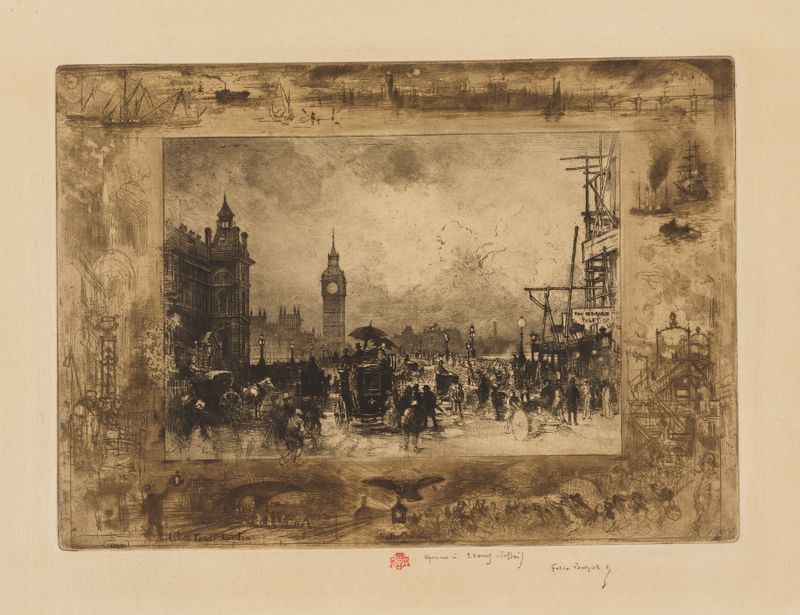
Westminster Bridge, or Westminster Clock Tower
Félix Hilaire Buhot
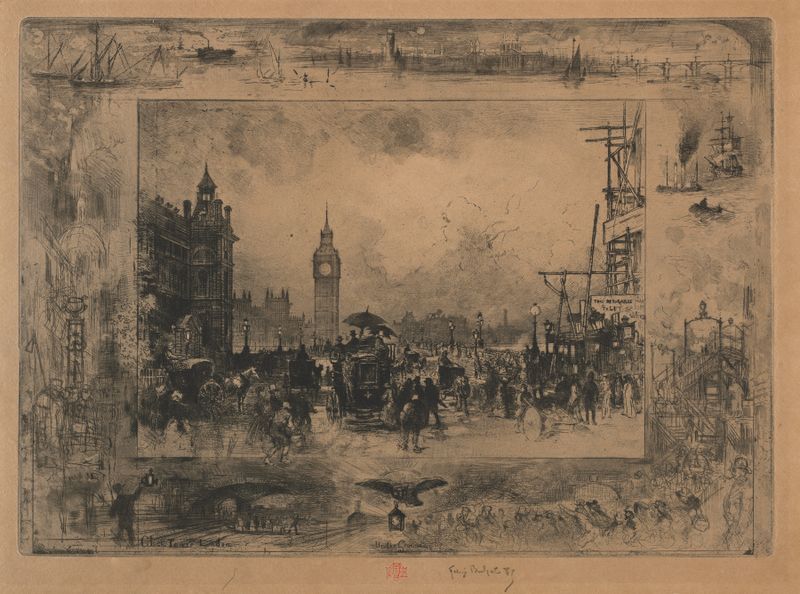
Westminster Bridge, or Westminster Tower
Félix Hilaire Buhot
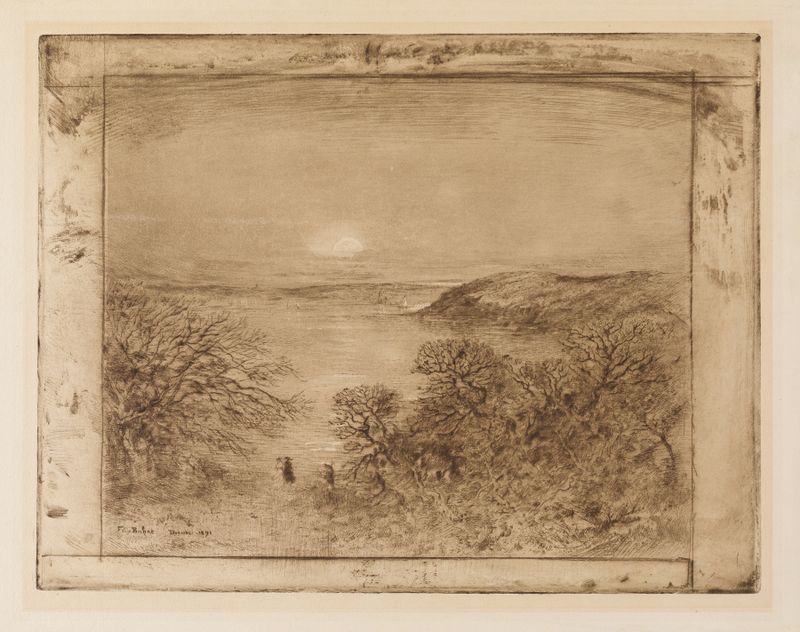
Moonrise at Dinard
Félix Hilaire Buhot
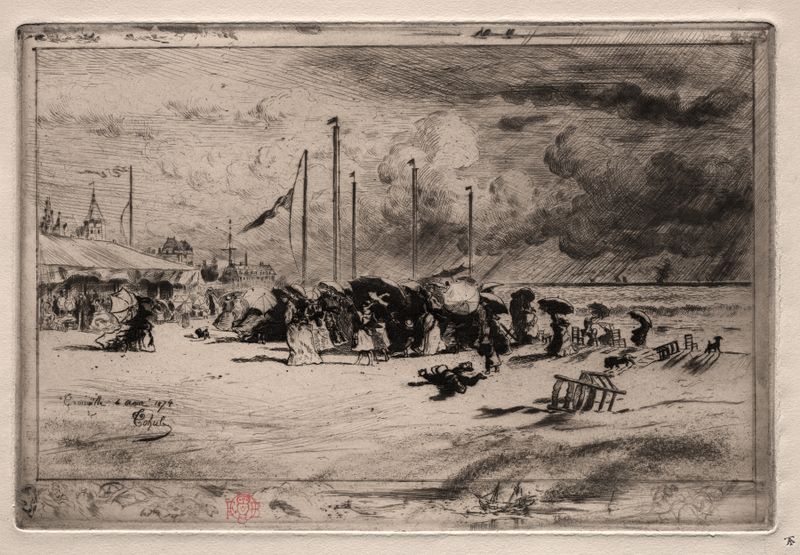
A Squall at Trouville
Félix Hilaire Buhot
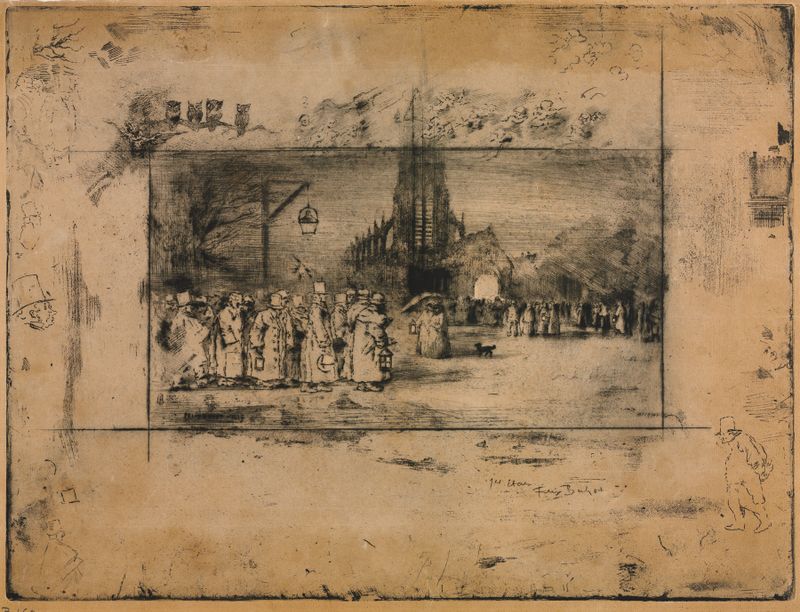
The Midnight Mass
Félix Hilaire Buhot
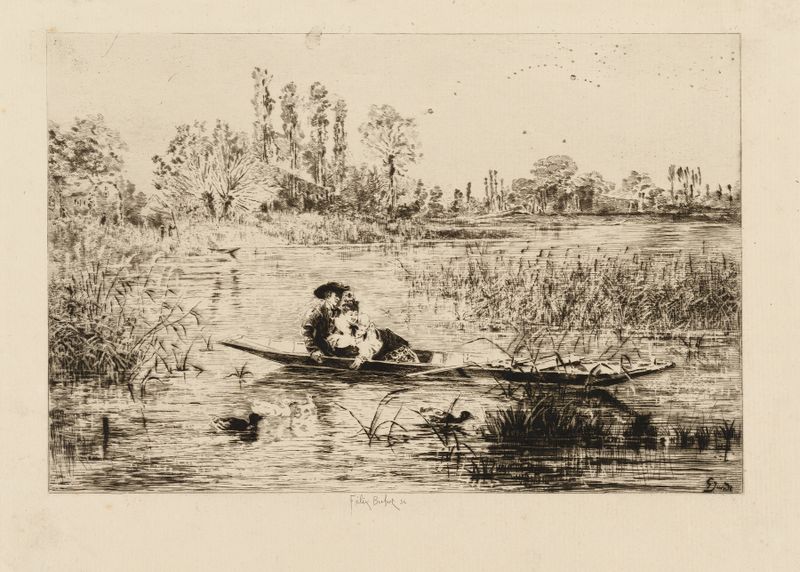
On the Thread of the Water
Félix Hilaire Buhot
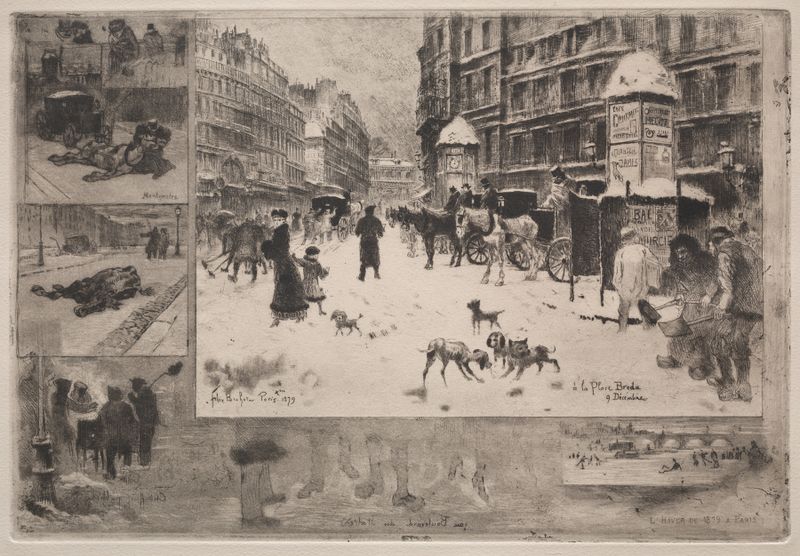
Winter in Paris
Félix Hilaire Buhot
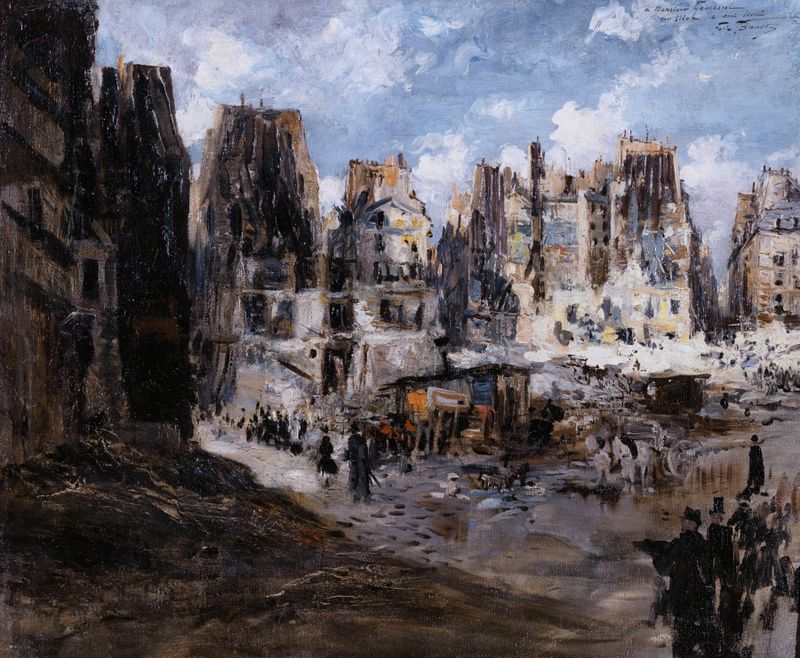
Le percement de l’avenue de l’Opéra.
Félix Hilaire Buhot
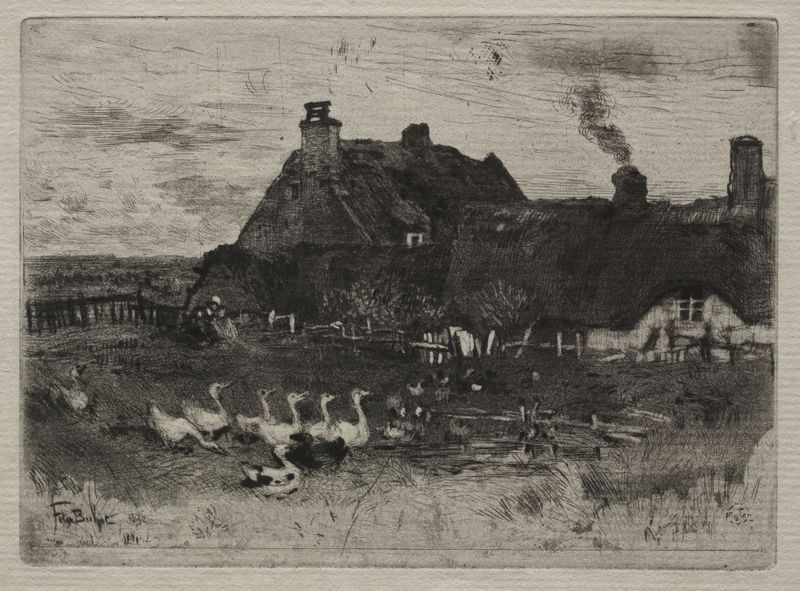
Thatched Cottages
Félix Hilaire Buhot
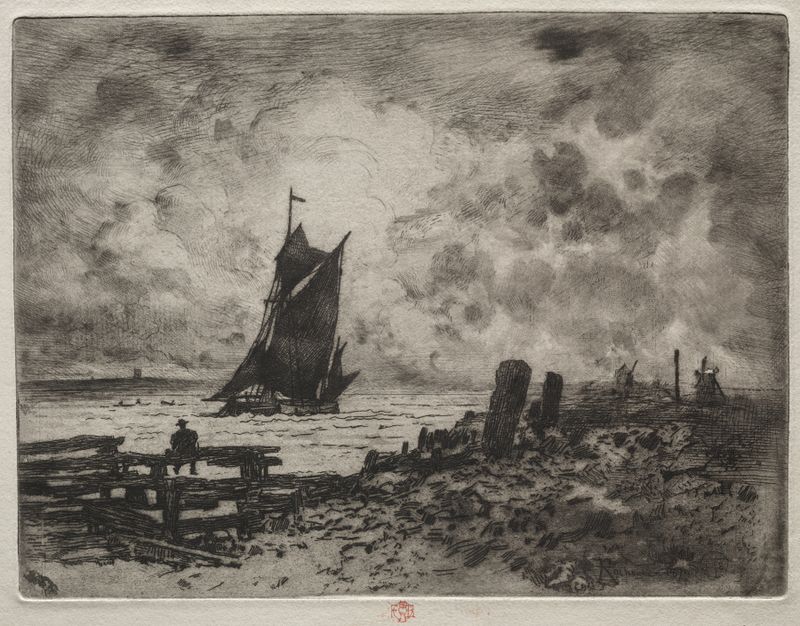
The Little Marine; Souvenir of Medway
Félix Hilaire Buhot





