
The Little Port — History & Facts
Who listens when art speaks of silence? In The Little Port, we find a haunting depiction of decay, echoing the whispers of a forgotten time. Look to the left at the crumbling structures, their weathered facades leaning precariously against the weight of history. The artist employs a muted palette of grays and browns, each stroke meticulously crafted to evoke the texture of time-worn surfaces, while the gentle play of light casts long shadows that stretch ominously across the water. Notice how the stillness of the port contrasts with the subtle ripples of the surface, creating a tension that grips the viewer’s heart and mind alike. Delve deeper into the intricate details—the small fishing boats, abandoned and adrift, symbolize lost livelihoods and fading traditions.
The trees lining the background appear skeletal, stripped of their vitality, suggesting the harsh passage of time. The air is thick with unspoken stories, emotions suspended between nostalgia and melancholy, inviting contemplation on what has been left behind in the wake of change. In 1630, Jacques Callot created this poignant piece amidst a period of personal and artistic upheaval. Living in France and navigating the tumultuous waters of the Thirty Years' War, he found inspiration in the landscapes and local life around him.
During this time, his work began to reflect a heightened awareness of the fragility of existence and the inevitability of decay, themes that resonate powerfully in this evocative portrayal of a little port, both serene and sorrowful.
More Artworks by Jacques Callot
Browse all →
Titelprent voor de prentreeks 'De kleine apostelen' (Het martelaarschap van de apostelen)
Jacques Callot
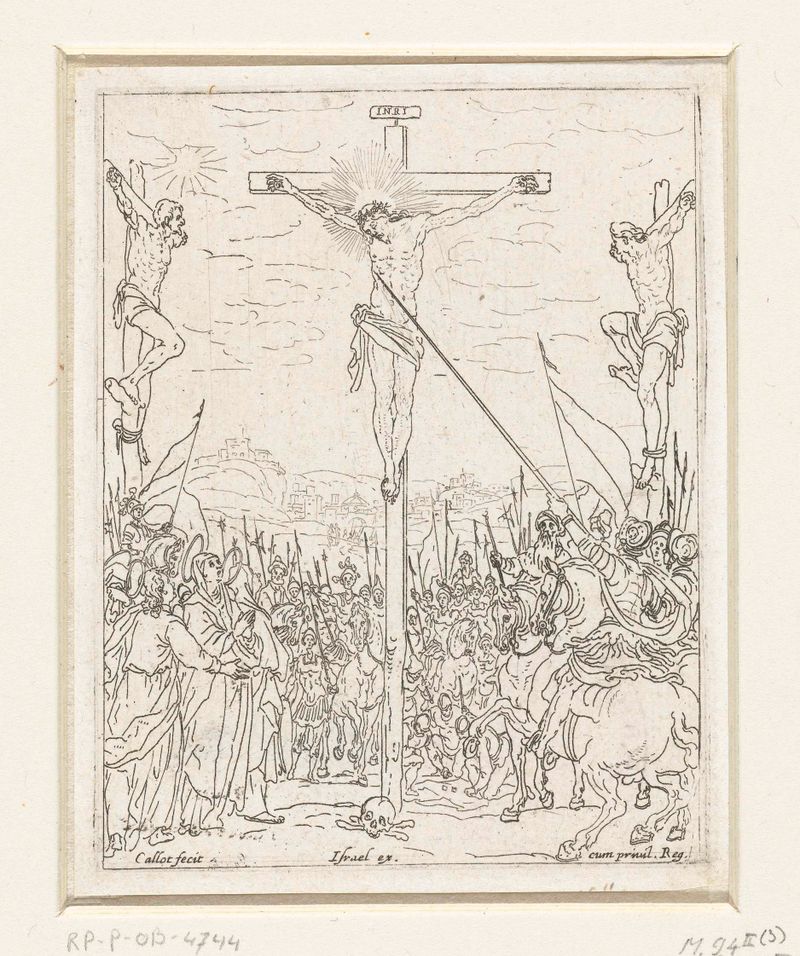
Kruisiging
Jacques Callot

De doortocht door de Rode Zee
Jacques Callot

De verloren zoon als zwijnenhoeder
Jacques Callot

Annunciatie
Jacques Callot
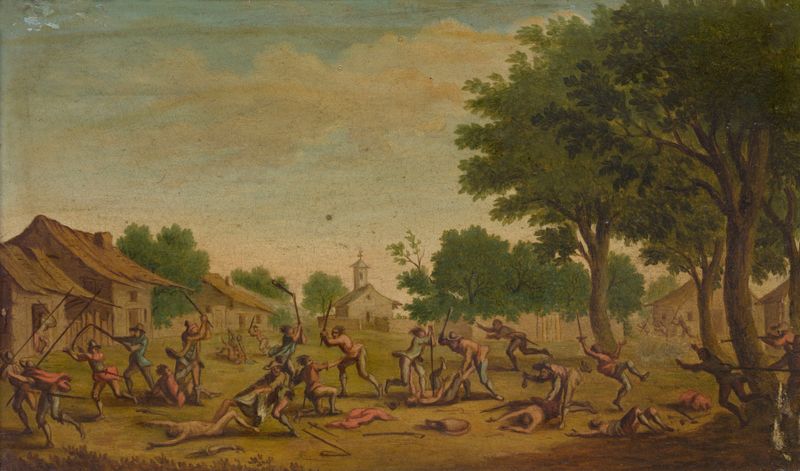
Village Fight
Jacques Callot

Titelprent voor prentreeks 'Het leven van Maria'
Jacques Callot
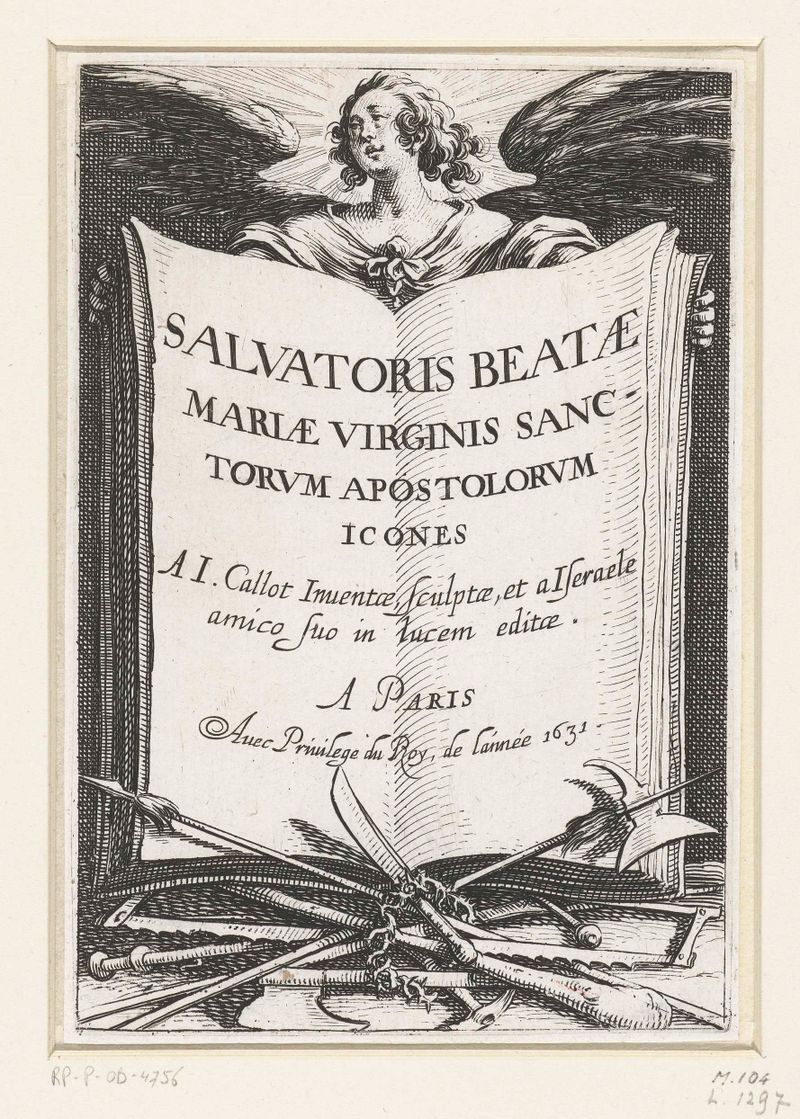
Titelprent voor de prentreeks 'De grote apostelen' (Christus, Maria en de apostelen)
Jacques Callot

Christus aan het volk getoond (Ecce homo)
Jacques Callot
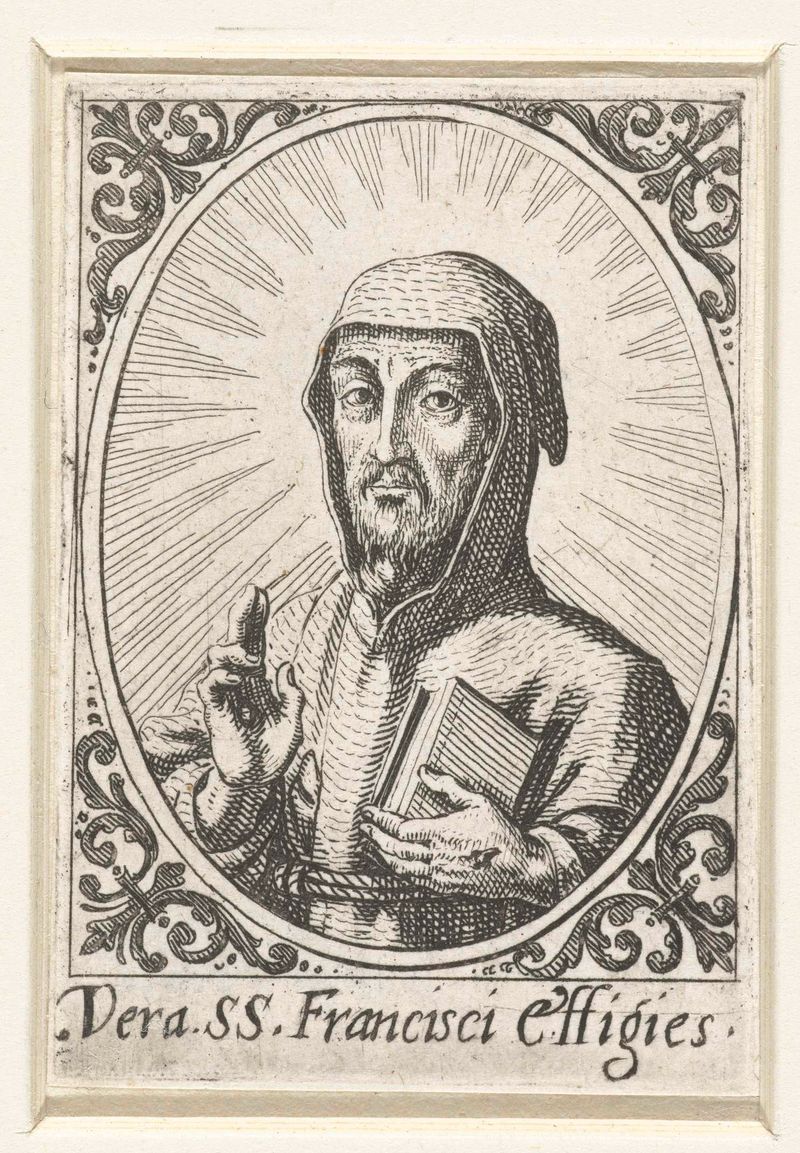
Portret van de Heilige Franciscus
Jacques Callot





