
The Little Vine Arbour — History & Facts
In this serene offering, the viewer is invited to ponder the delicate balance between the ephemeral and the eternal, a transcendence that draws us into a world of quiet beauty. Begin by focusing on the subtle interplay of color within the lush foliage that envelops the scene. Notice how the muted greens and earthy browns create a calming atmosphere, while hints of brighter pigments suggest life and vitality. Let your gaze linger on the intricate details of the vine tendrils curling gracefully, as they seem to cradle the small figures nestled within the arbour.
The careful composition emphasizes a harmonious unity, inviting contemplation and a sense of peace. As you delve deeper, observe how the light dances through the leaves, casting dappled shadows that evoke a feeling of transience. The juxtaposition of the vibrant greenery against the stillness of the figures hints at the fleeting nature of existence, while the tight framing of the arbour suggests both protection and confinement. This tension between safety and entrapment serves as a metaphor for our own lives, urging us to reflect on the spaces we inhabit and the choices we make. Created in 1635, during a period of personal hardship for the artist, this work emerged as Callot navigated the tumultuous world of the Thirty Years’ War.
Living in France, he sought to capture the subtleties of life and nature amidst the chaos, establishing a connection between the viewer and the profound emotions woven into his art. This piece stands not only as a testament to his skill but also as a mirror reflecting the complexities of human experience.
More Artworks by Jacques Callot
Browse all →
Titelprent voor de prentreeks 'De kleine apostelen' (Het martelaarschap van de apostelen)
Jacques Callot
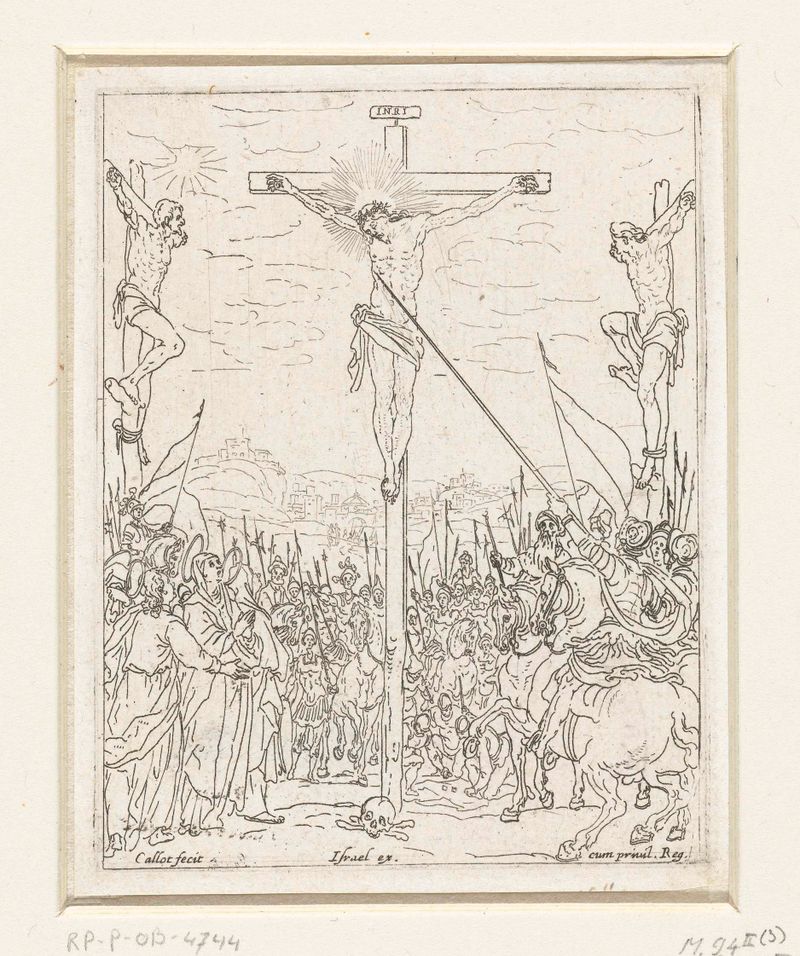
Kruisiging
Jacques Callot

De doortocht door de Rode Zee
Jacques Callot

De verloren zoon als zwijnenhoeder
Jacques Callot

Annunciatie
Jacques Callot
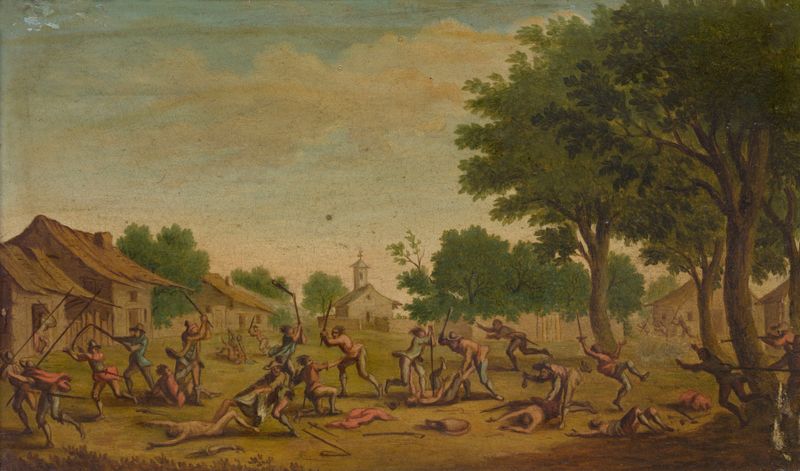
Village Fight
Jacques Callot

Titelprent voor prentreeks 'Het leven van Maria'
Jacques Callot
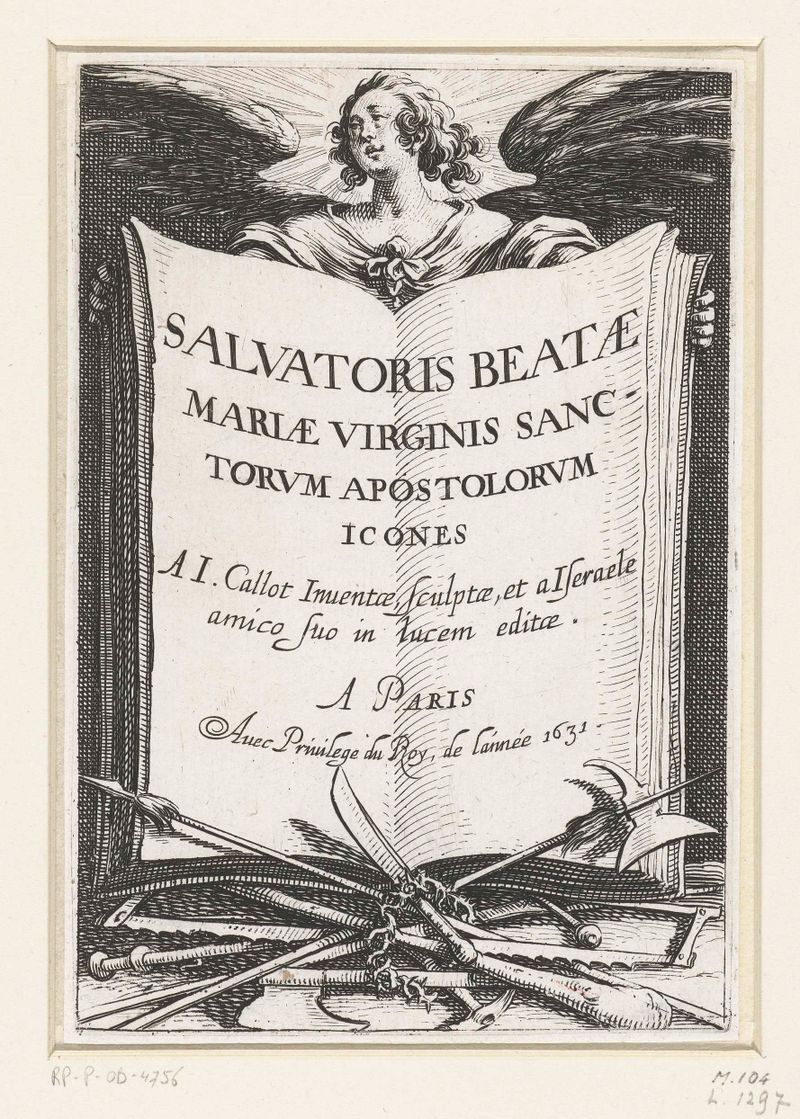
Titelprent voor de prentreeks 'De grote apostelen' (Christus, Maria en de apostelen)
Jacques Callot

Christus aan het volk getoond (Ecce homo)
Jacques Callot
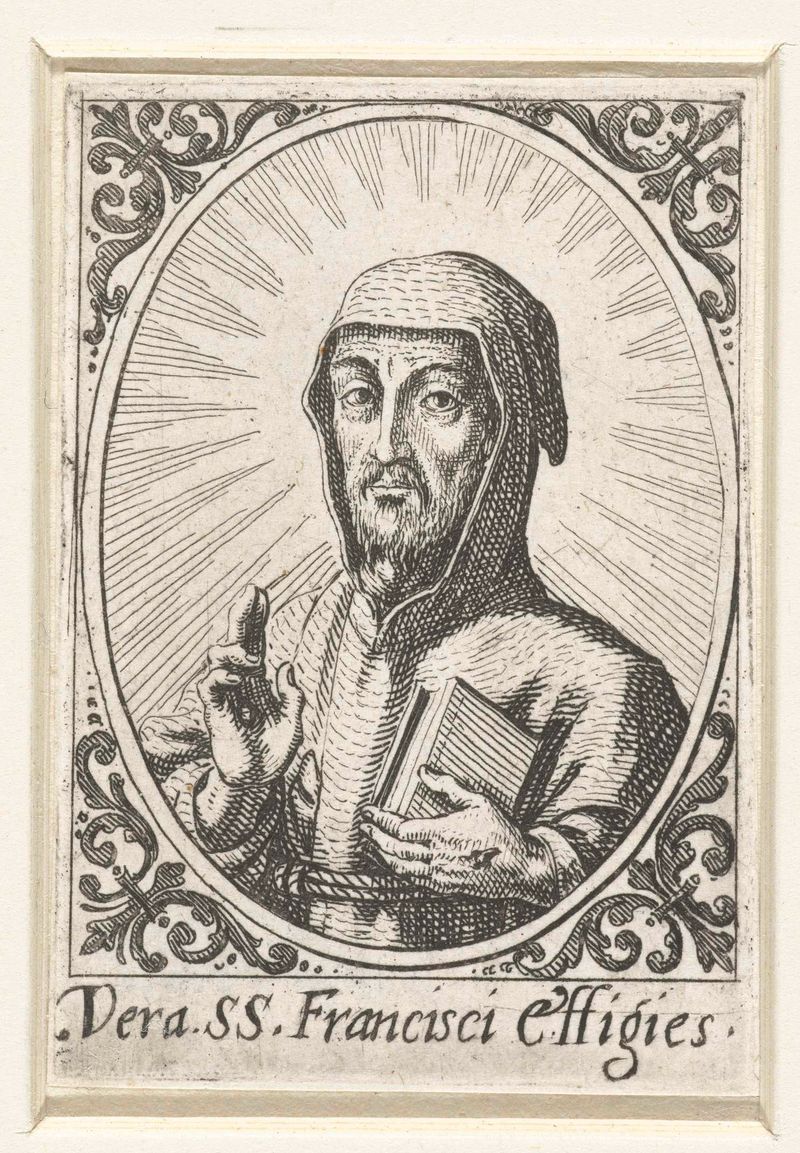
Portret van de Heilige Franciscus
Jacques Callot





