The Little White Sofa — History & Facts
In the stillness of the canvas, there lies an awakening, a soft unveiling of intimate narratives that breathe beneath the surface. Whistler captures not just a moment, but an atmosphere where every element whispers secrets waiting to be discovered. Look to the left at the delicate figure draped elegantly across the plush, white sofa. The gentle curve of her body leads the eye into the serene composition, where muted hues of taupe and brown mingle harmoniously.
Notice how the light filters through the room, casting a gentle glow that caresses the scene, illuminating the textures of fabric and the subtle shimmer of the sofa. The brushstrokes are refined, yet inviting, creating a space that feels both intimate and expansive. As you delve deeper, the emotional contrasts become evident. The serene posture of the woman embodies a tranquil solitude, yet her gaze suggests a world of contemplation and unresolved thoughts.
The sofa itself, pristine and inviting, stands as a symbol of domestic comfort, yet its stark whiteness hints at vulnerability and fragility within that comfort. This tension between security and isolation resonates through the work, reflecting the nuanced complexities of personal awakening. Whistler painted this piece in the early 1880s, during a transformative period in his artistic career. Living in London, he was establishing himself as a leading figure in the Aesthetic Movement, where beauty triumphed over narrative.
The art world was shifting, and he was inspired by the interplay of light and form, which became hallmarks of his style. In The Little White Sofa, he explores these themes, crafting a work that invites both reflection and emotional resonance.
More Artworks by James Abbott McNeill Whistler
Browse all →
Nocturne in Blue and Silver
James Abbott McNeill Whistler
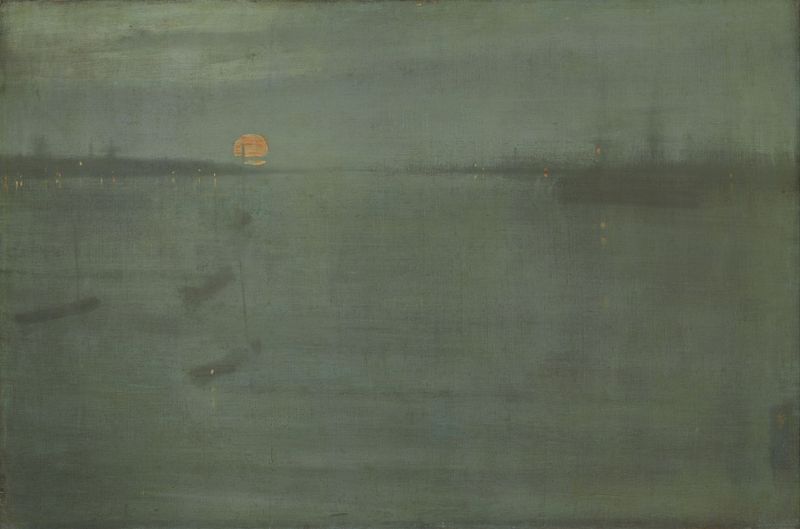
Nocturne: Blue and Gold–Southampton Water
James Abbott McNeill Whistler
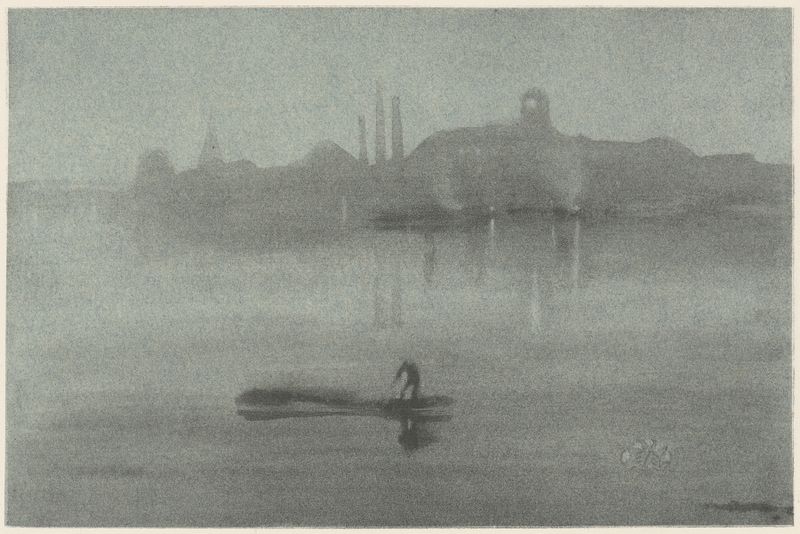
Nocturne
James Abbott McNeill Whistler
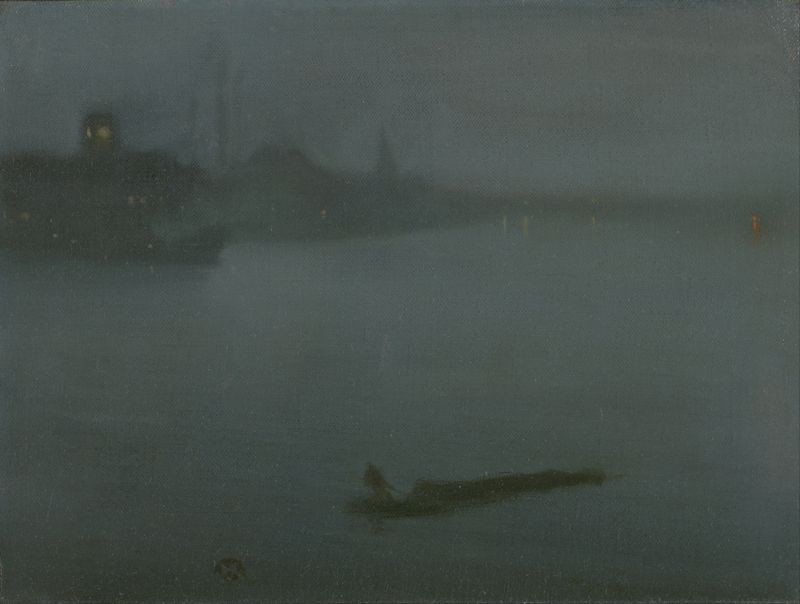
Nocturne in Blue and Silver
James Abbott McNeill Whistler
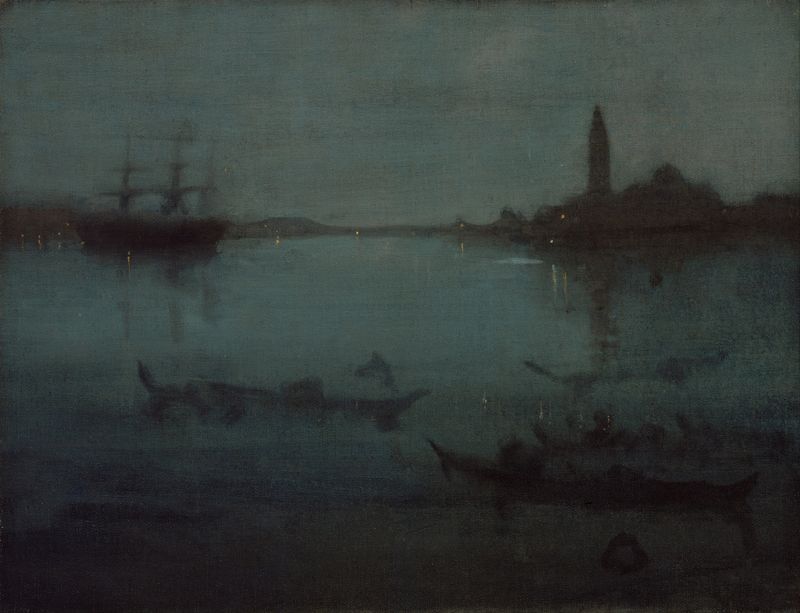
Nocturne in Blue and Silver- The Lagoon, Venice
James Abbott McNeill Whistler
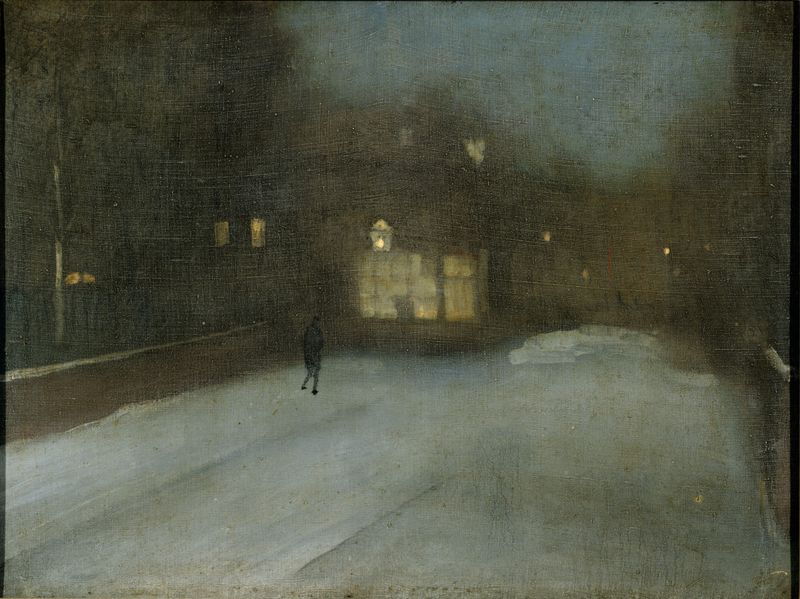
Nocturne in Grey and Gold: Chelsea Snow
James Abbott McNeill Whistler
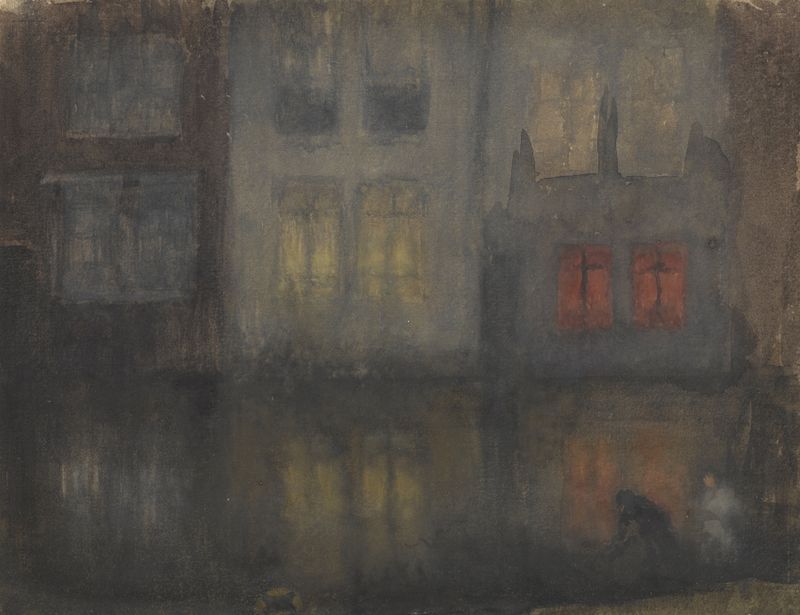
Nocturne: Black and Red—Back Canal, Holland
James Abbott McNeill Whistler
Old Battersea Bridge
James Abbott McNeill Whistler

Nocturne: Blue and Silver–Battersea Reach
James Abbott McNeill Whistler
Grey and Silver–Pier, Southend
James Abbott McNeill Whistler