
The Madonna and Child (The Mackintosh Madonna) — History & Facts
When The Madonna and Child (The Mackintosh Madonna) resurfaced in the early twentieth century, it ignited a fierce debate among scholars: was this gentle image truly the work of Raphael at the height of his Roman period, or a later imitation? The painting’s nickname comes not from its creator, but from the Scottish Mackintosh family, who held the work in their collection for generations, keeping it largely out of public view. Its attribution has shifted over the years, with some experts pointing to the unmistakable softness of the figures as proof of Raphael’s hand, while others note the lack of documentation from his Roman commissions. Even today, the question of authorship lingers, adding a layer of intrigue to the serene faces depicted. At the heart of the image sits the Madonna, her head gently inclined toward the Christ Child, who stands upright on her lap, reaching for her veil.
This tender interaction captures a moment of maternal intimacy, yet also hints at the foreshadowing of Christ’s future sacrifice—her veil symbolizing the shroud. The background, a soft landscape, draws the viewer’s eye to the horizon, suggesting both earthly presence and divine promise. Compared to Leonardo da Vinci’s The Benois Madonna, Raphael’s approach is warmer and more direct, with the figures’ gazes meeting the viewer’s own, inviting a personal connection.
The delicate handling of light and shadow across the Madonna’s face and hands is typical of Raphael’s mature style. Little is known for certain about the painting’s early journey. If it was indeed painted in 1509, it would fall within Raphael’s first years in Rome, a period marked by his rapid rise under papal patronage. The lack of early records means its original commissioner remains a mystery, and the work’s medium—whether panel or canvas—has been a subject of technical investigation.
After centuries in private hands, the painting now hangs in a public collection, where it continues to attract both admiration and scrutiny. Its uncertain origins and quiet beauty ensure that The Mackintosh Madonna remains a compelling piece in the study of Raphael and Renaissance art.
More Artworks by Raphael

Madonna of the Goldfinch
Raphael

Madonna with the Fish
Raphael
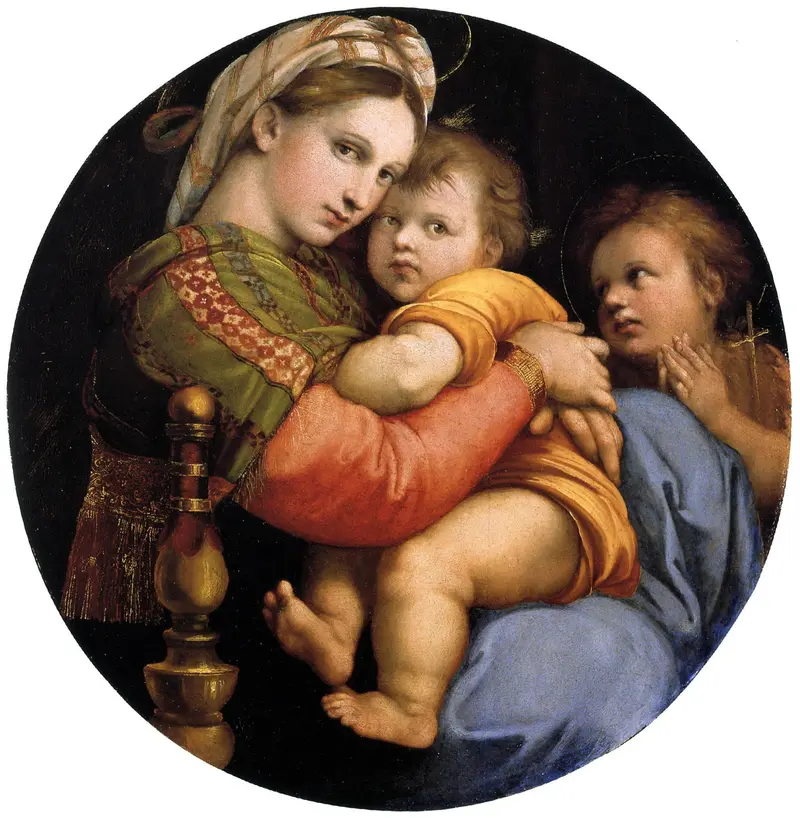
Madonna and Child (Madonna della Seggiola)
Raphael
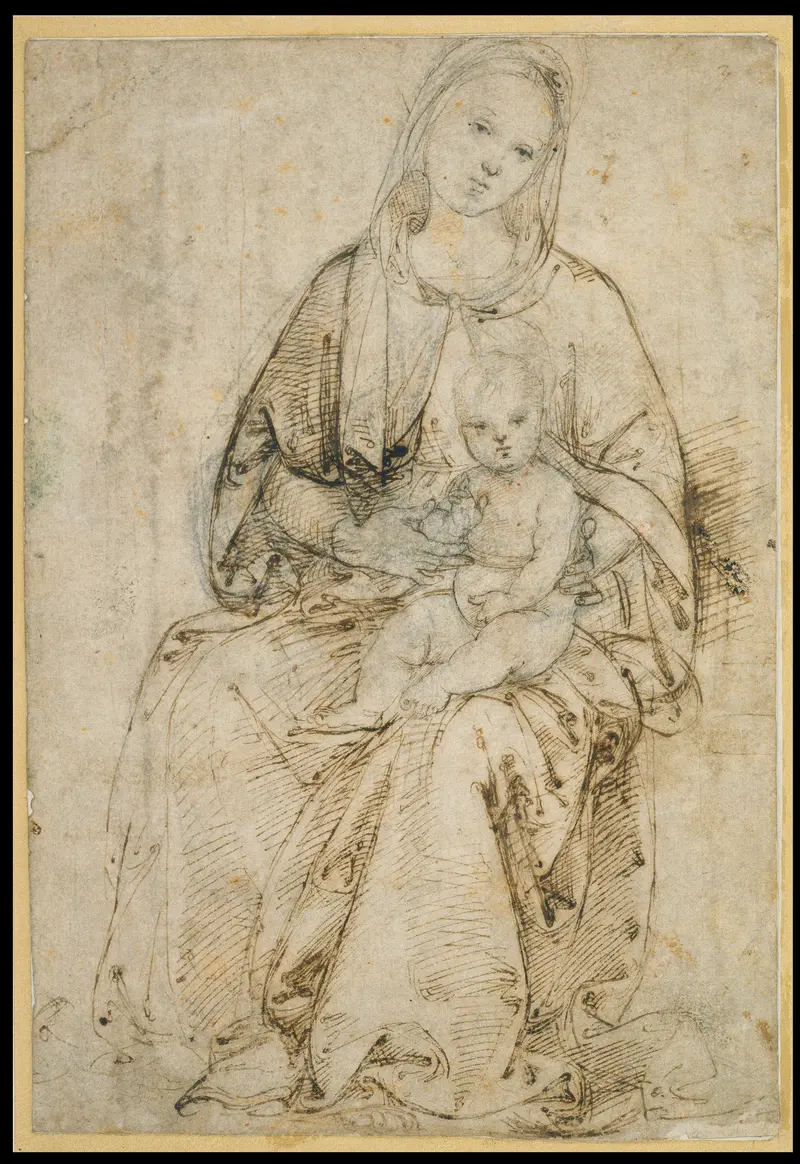
Seated Madonna and Child
Raphael
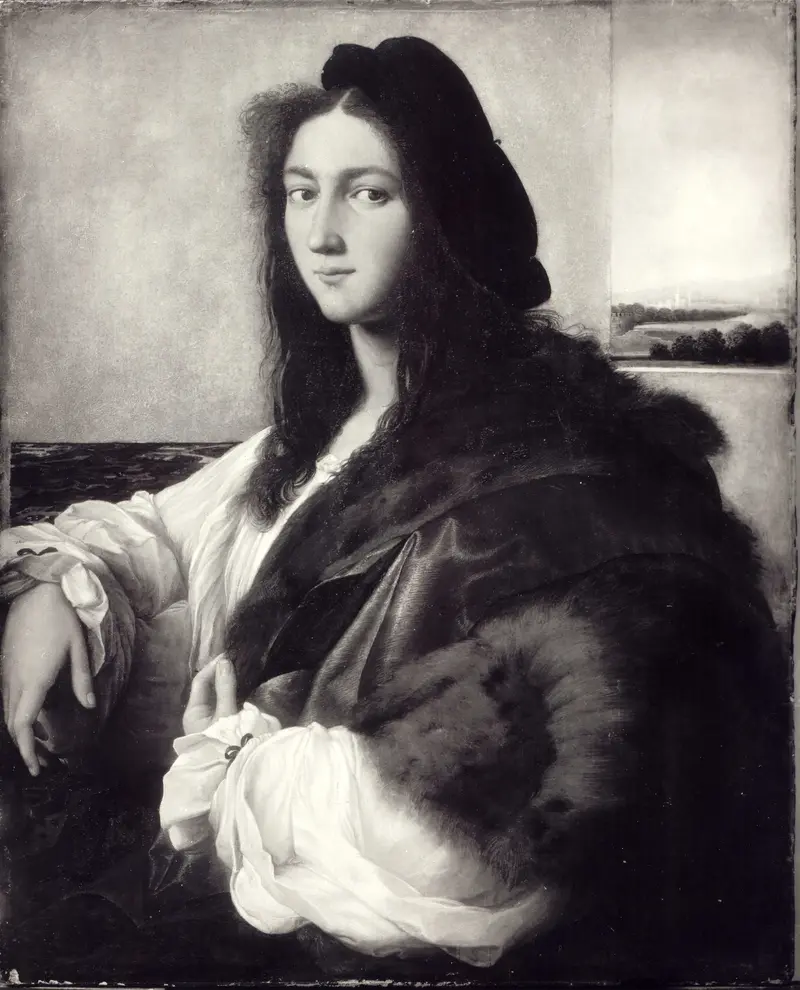
Portrait of a Young Man
Raphael
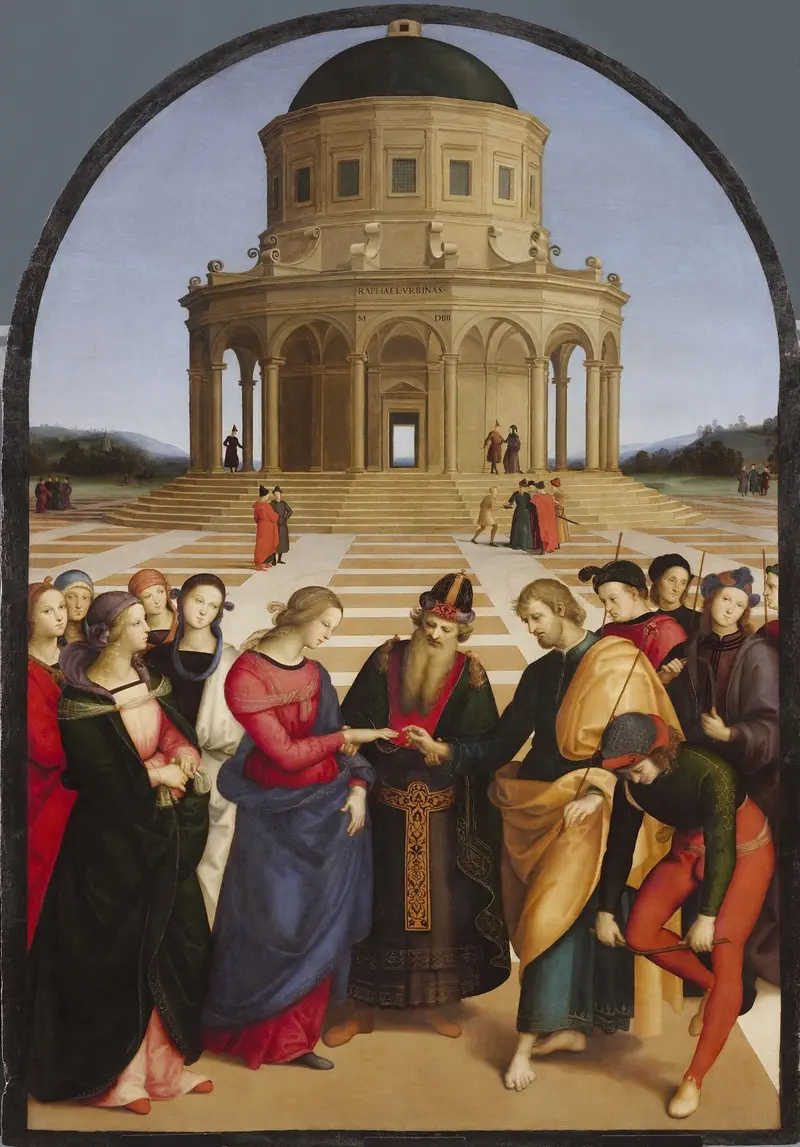
The Marriage of the Virgin
Raphael
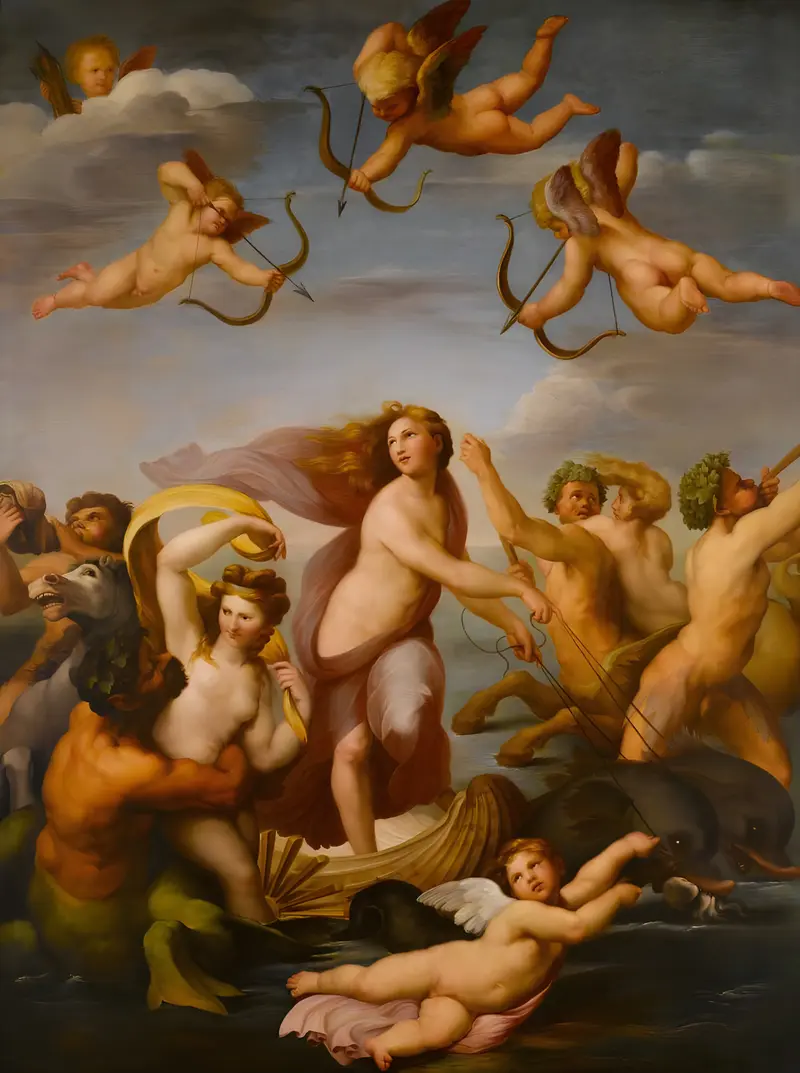
The Triumph of Galatea (copy after Raphael)
Raphael
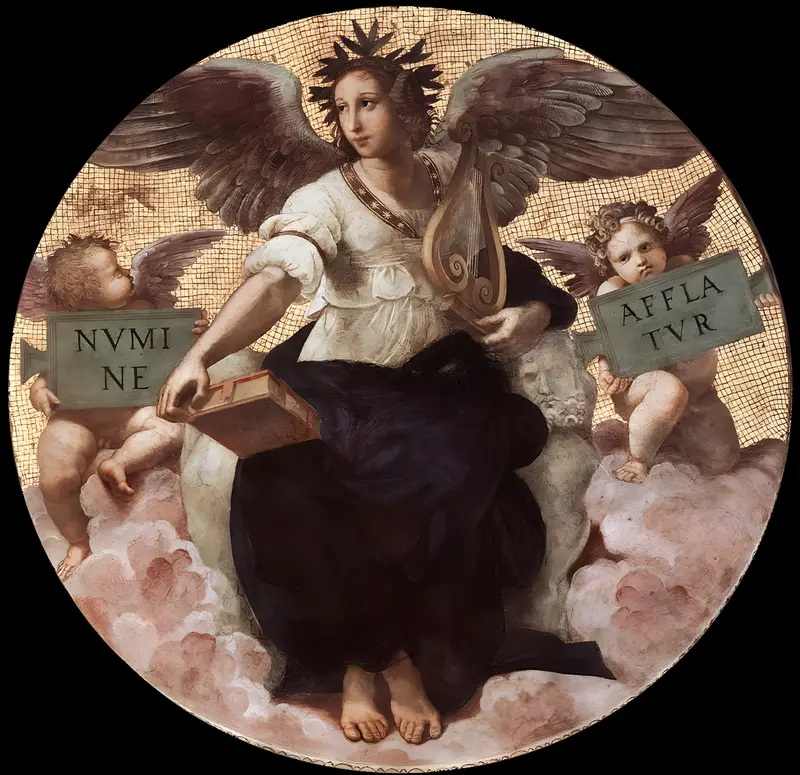
Poetry
Raphael
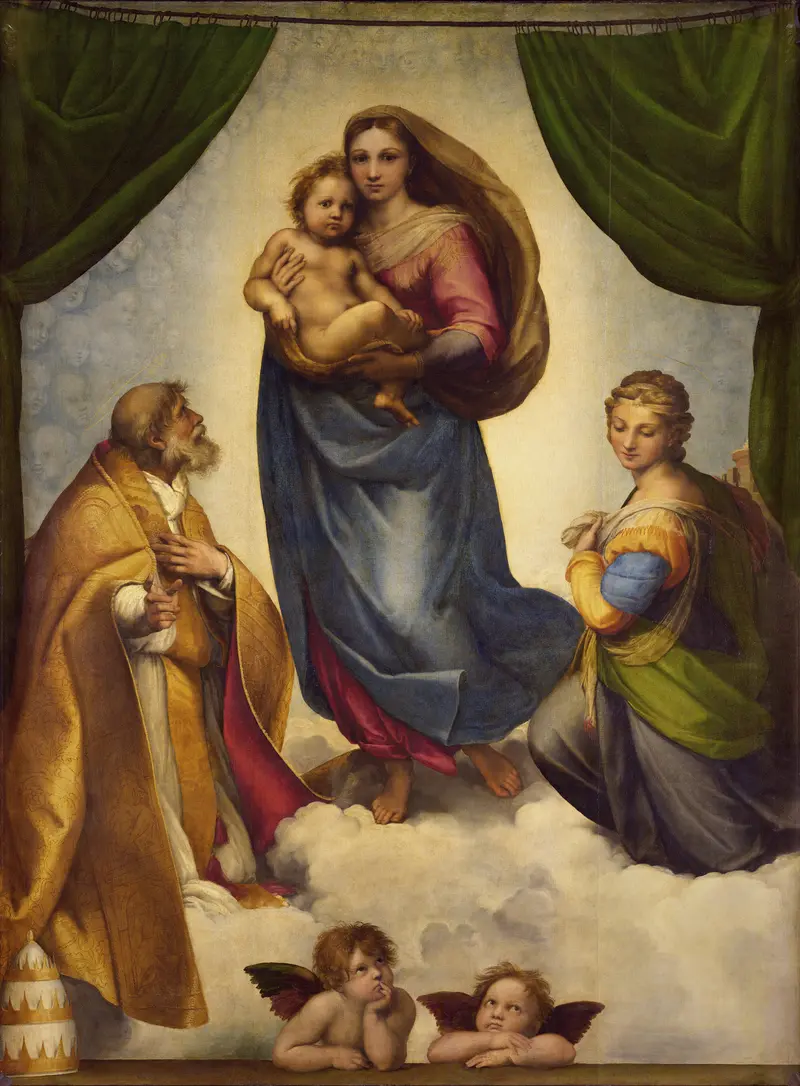
Sistine Madonna
Raphael
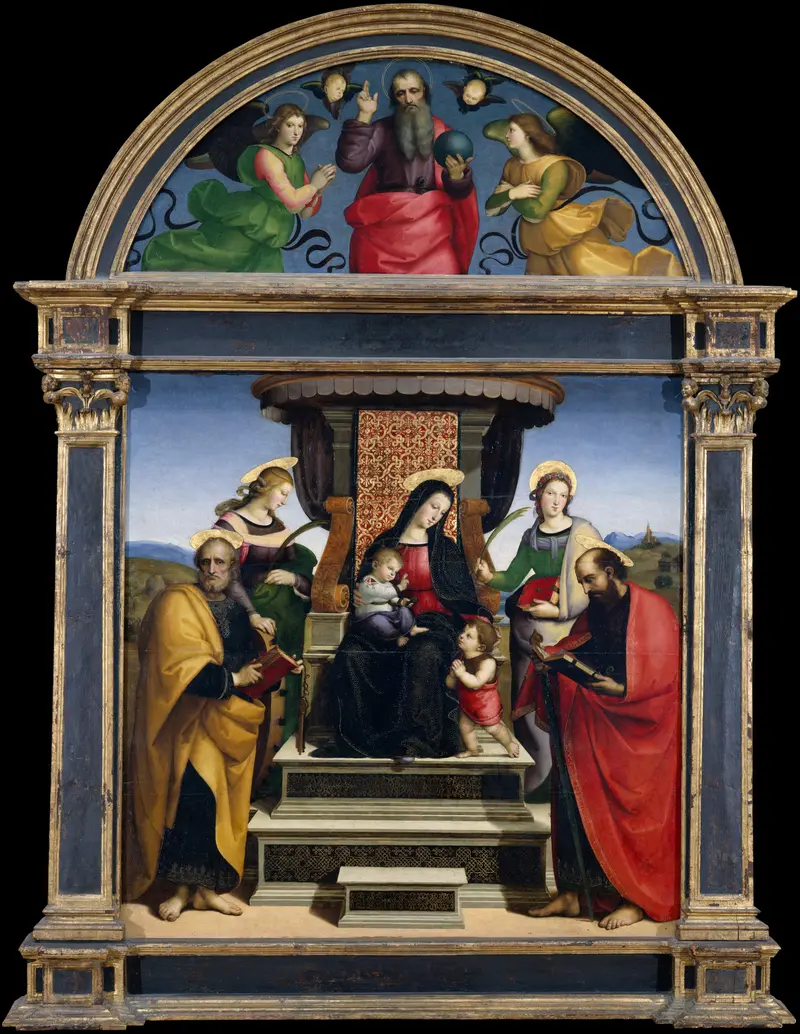
Madonna and Child Enthroned with Saints
Raphael




