
The Magdalene in the Wilderness — History & Facts
No one knows exactly when Tintoretto painted The Magdalene in the Wilderness, and this uncertainty has fueled centuries of speculation. The painting’s origin is shrouded in mystery: no commission documents survive, and its early whereabouts remain undocumented. What is certain is that Tintoretto returned to the figure of Mary Magdalene multiple times throughout his career, each time exploring her story with new psychological depth.
The absence of a clear date or patron has made this version a subject of particular interest to scholars, who debate whether it marks an early experiment or a late meditation on repentance. At the heart of the painting is Mary Magdalene, captured in a moment of solitude and penitence after her withdrawal from the world. According to tradition, after Christ’s death, Magdalene retreated into the wilderness to atone for her past, dedicating herself to prayer and contemplation. Here, Tintoretto places her amidst a rugged, almost theatrical landscape, her gaze lifted heavenward, hands clasped tightly in prayer.
The skull at her side is a classic symbol of mortality, while the shaft of light illuminating her face suggests divine presence and forgiveness. Unlike Titian’s more sensual Magdalene, Tintoretto emphasizes the tension between physical suffering and spiritual longing, using dramatic contrasts of light and shadow to heighten the sense of inner turmoil. The journey of The Magdalene in the Wilderness as an object is as enigmatic as its origins. With no surviving records of its first owner or original location, the painting’s early history is lost, though it is generally attributed to Tintoretto’s mature period in Venice.
Over time, it has passed through various hands, at times misattributed or overshadowed by the artist’s larger, more public commissions. Today, it stands as a testament to Tintoretto’s fascination with the complexities of faith and repentance, offering viewers a rare glimpse into the private, introspective side of his art. Its place in his oeuvre remains a topic of ongoing discussion, inviting new interpretations with each generation.
More Artworks by Tintoretto
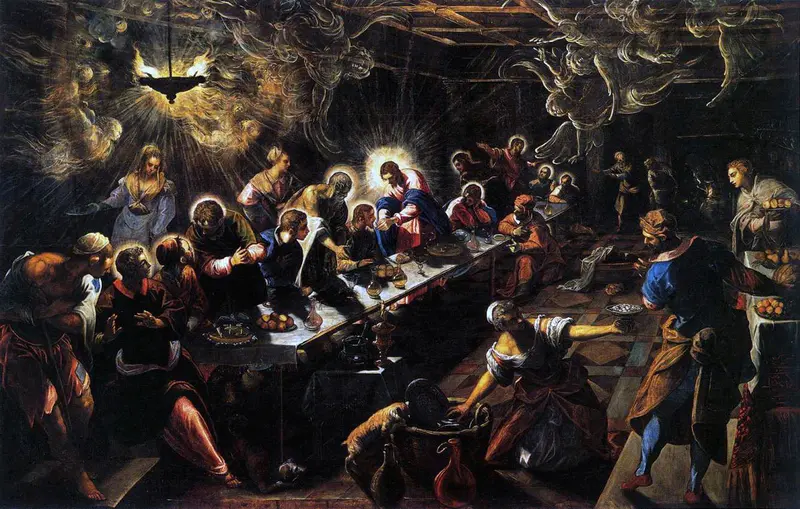
The Last Supper
Tintoretto
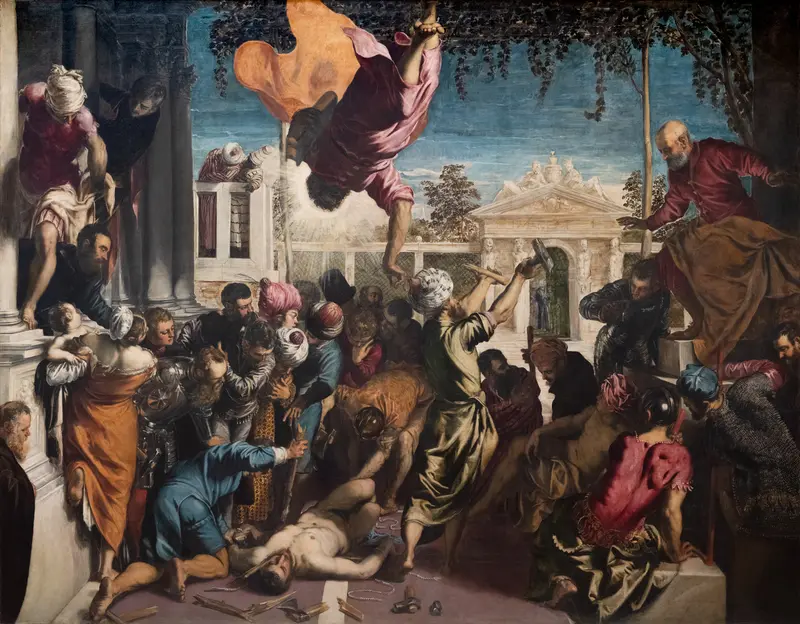
The Miracle of the Slave
Tintoretto
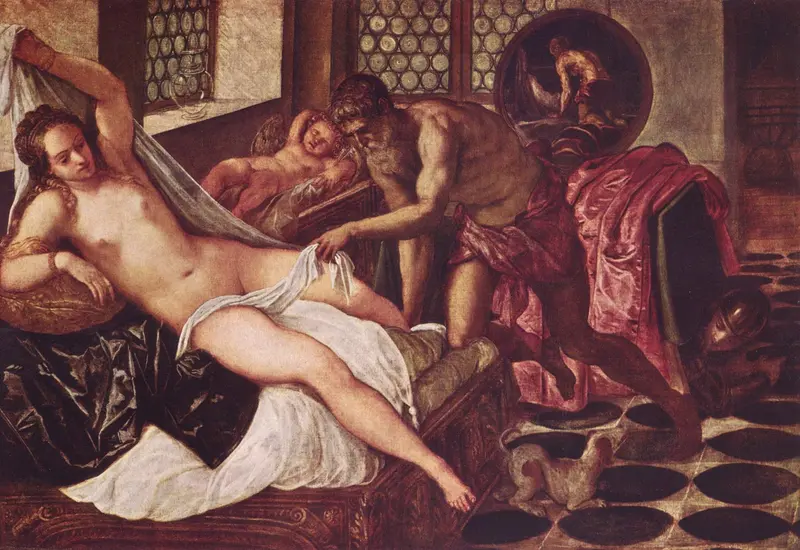
Venus and Mars Surprised by Vulcan
Tintoretto

Adoration of the Shepherds
Tintoretto
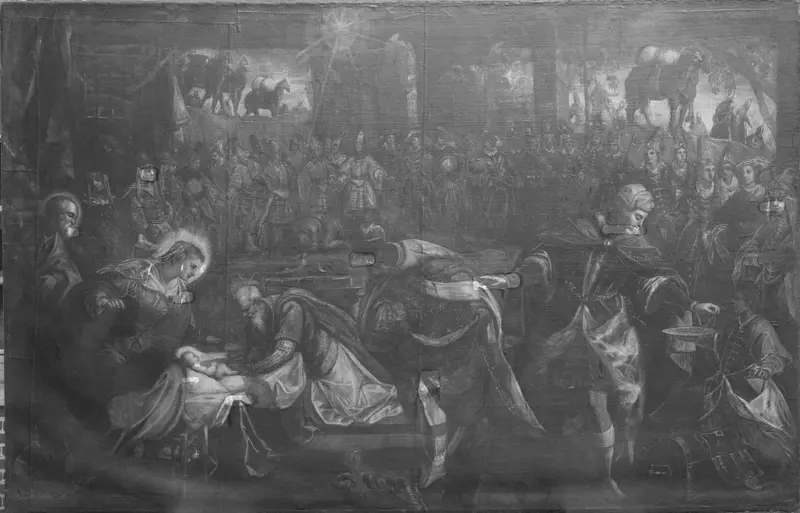
Adoration of the Magi
Tintoretto
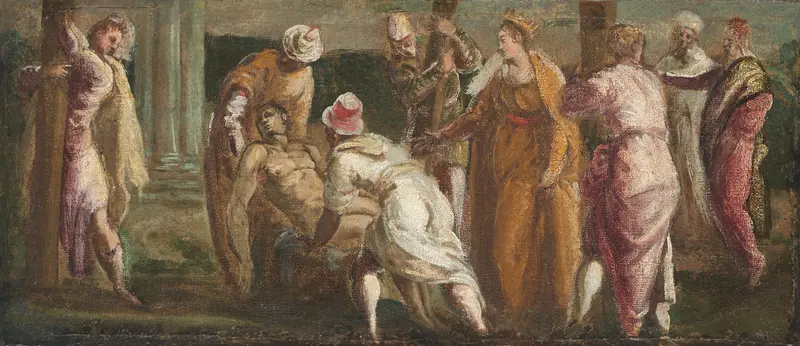
Saint Helen Testing the True Cross
Tintoretto
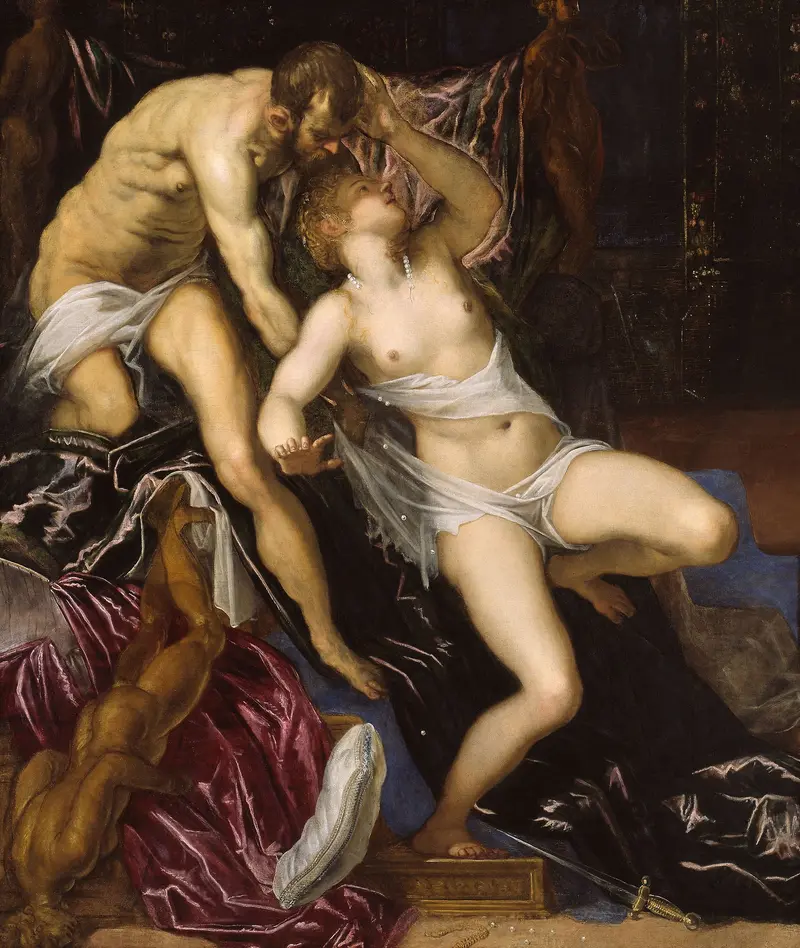
Tarquin and Lucretia
Tintoretto
Two Male Figures in Motion (verso)
Tintoretto
A Female Nude [verso]
Tintoretto
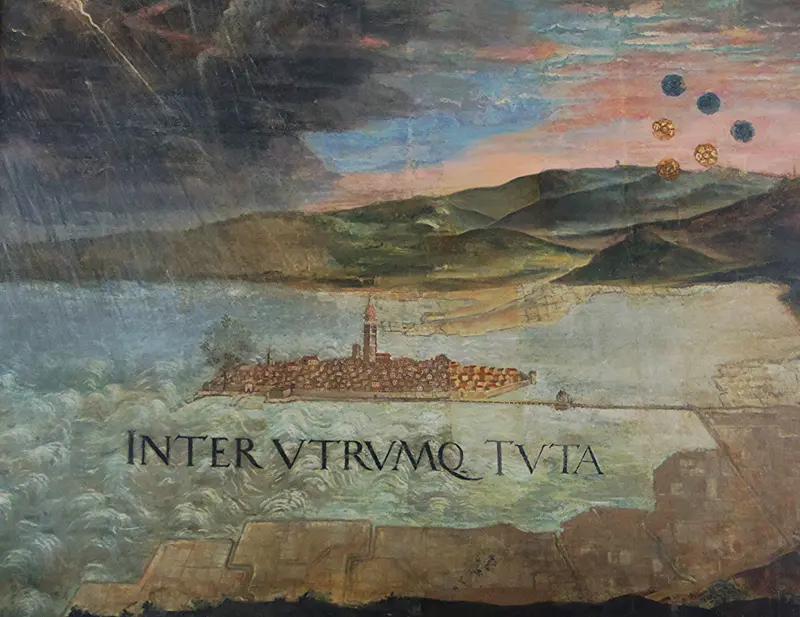
Veduta Kopra
Tintoretto





