
The Mill on the River — History & Facts
What if beauty was never meant to be finished? In The Mill on the River, the interplay of nature and industry captures a moment steeped in both serenity and inevitability, echoing the wheel of fate itself. Focus your gaze on the gentle curve of the river flowing through the center of the composition, where the mill rests harmoniously against the backdrop of lush trees. Notice how the soft blues and greens contrast with the rustic browns of the mill, creating a warm yet vibrant landscape. The strokes are delicate yet purposeful, guiding your eyes to the interplay between the shadows cast by the trees and the light shimmering on the water's surface, revealing the artist's ability to evoke emotion through natural beauty. Delve deeper into the scene, and you’ll discover the tension between the rustic charm of the mill and the quiet, flowing river, suggesting a dialogue between human endeavor and nature's inexorable rhythm.
The figures at work seem almost a part of the landscape, their gestures infused with a sense of destiny—a reminder that while human hands shape the world, nature ultimately dictates the course of life. The juxtaposition of stillness in the water and the industriousness of the mill hints at the balance between tranquility and labor. In 1630, while creating this piece, Jacques Callot was entrenched in the artistic circles of France, influenced by the Baroque movement that emphasized drama and emotion. Living in Nancy, he was navigating the complexities of a rapidly changing society, where the impact of the Thirty Years' War loomed large, affecting both the landscape and the human experience.
This painting reflects not only his artistic mastery but also a poignant commentary on the relationship between humanity and the natural world during a time of turmoil.
More Artworks by Jacques Callot
Browse all →
Titelprent voor de prentreeks 'De kleine apostelen' (Het martelaarschap van de apostelen)
Jacques Callot
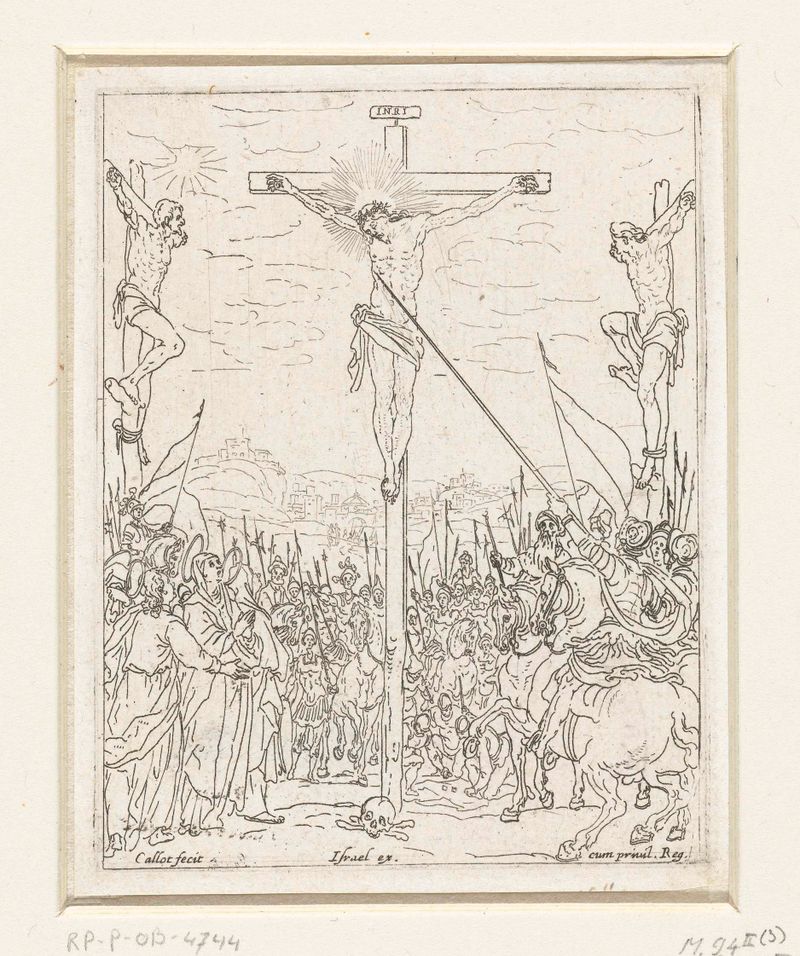
Kruisiging
Jacques Callot

De doortocht door de Rode Zee
Jacques Callot

De verloren zoon als zwijnenhoeder
Jacques Callot

Annunciatie
Jacques Callot
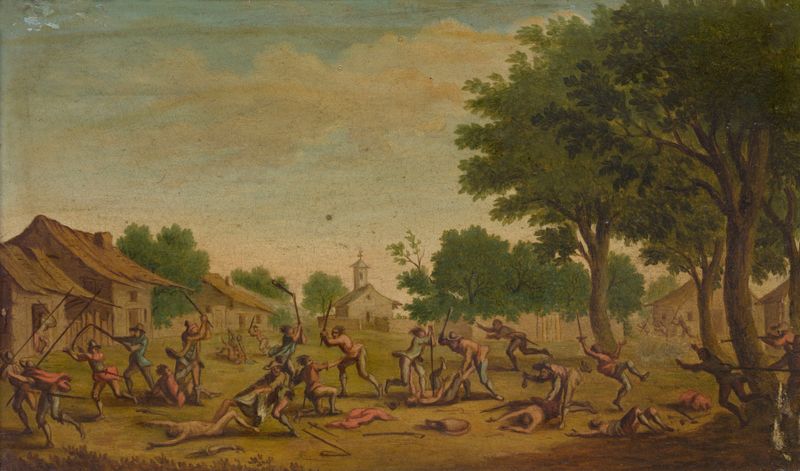
Village Fight
Jacques Callot

Titelprent voor prentreeks 'Het leven van Maria'
Jacques Callot
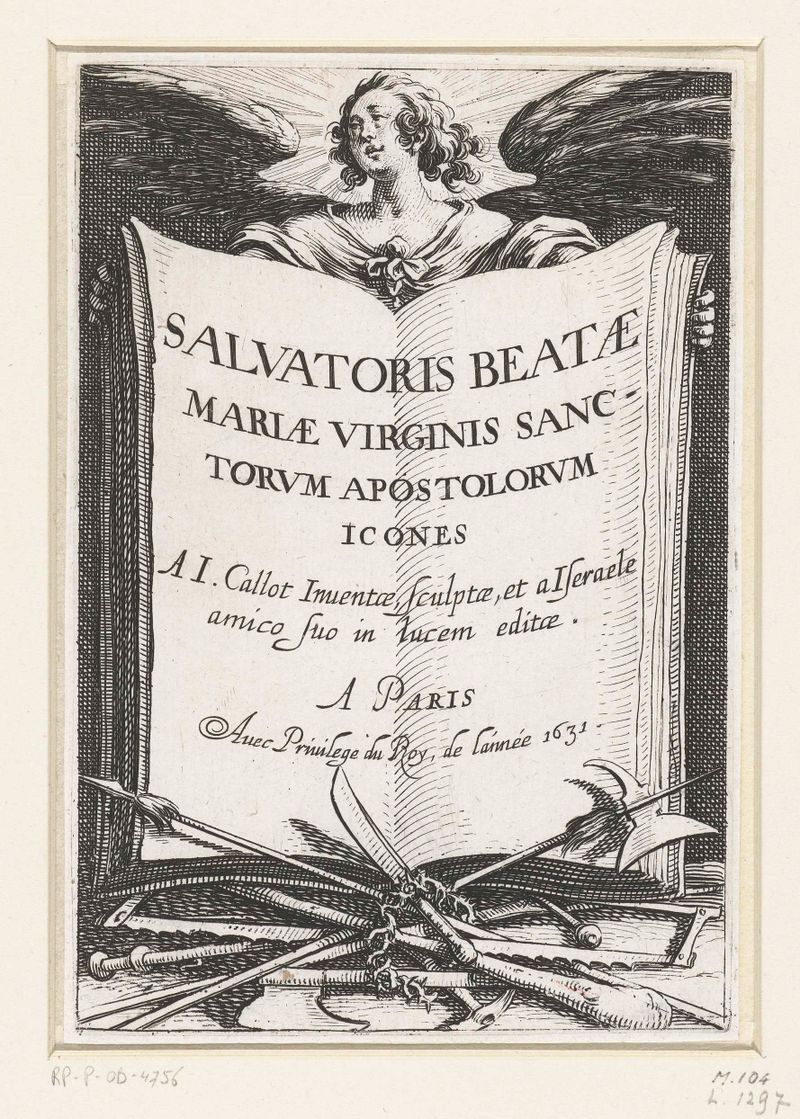
Titelprent voor de prentreeks 'De grote apostelen' (Christus, Maria en de apostelen)
Jacques Callot

Christus aan het volk getoond (Ecce homo)
Jacques Callot
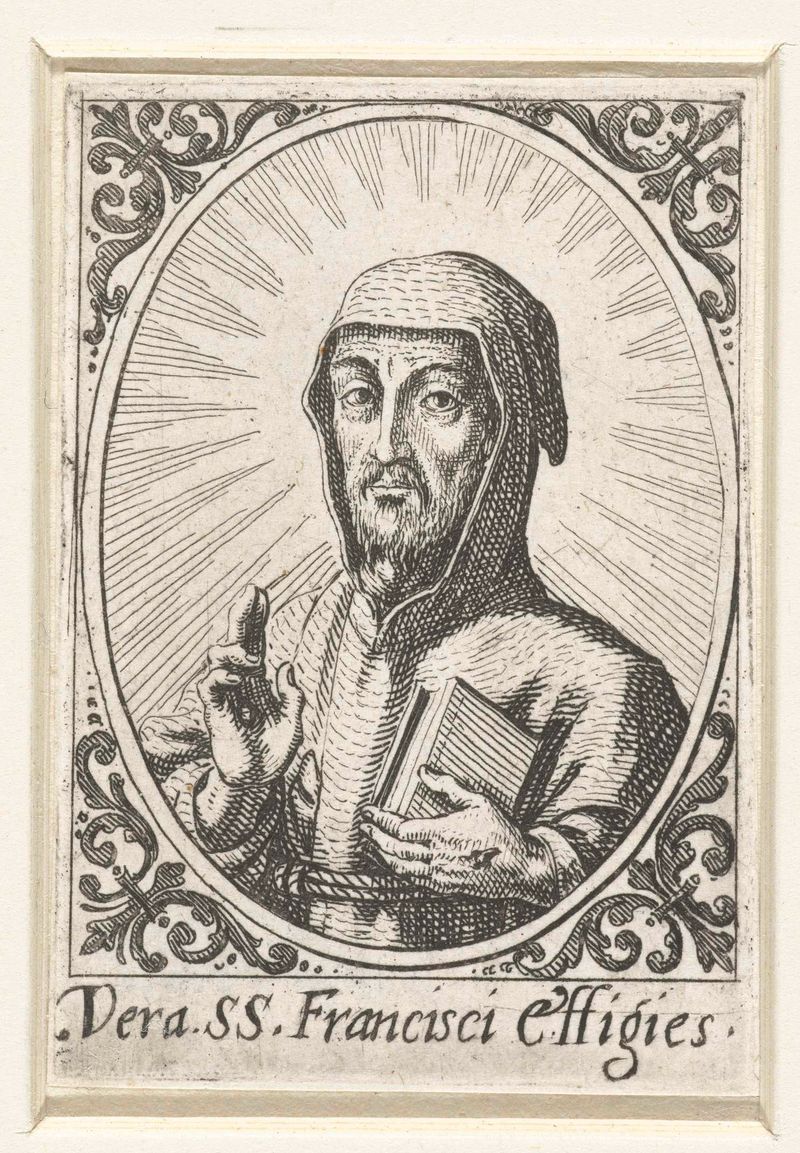
Portret van de Heilige Franciscus
Jacques Callot





