
The Mosque — History & Facts
Could beauty survive in a century of chaos? Look to the gentle curves of the mosque’s architecture, where the arches invite the viewer’s gaze upward, suggesting a dialogue between earth and sky. Notice how the soft, warm colors blend together, creating a harmonious palette that soothes the eye while invoking a sense of reverence. The light dances across the domes and walls, illuminating the intricate patterns, each stroke of paint a testament to the artist's dedication to capturing not just form, but spirit. As your eyes wander, take note of the contrasts present in the scene: the solidity of the stone against the delicate play of light, the stillness of the structure set against the fluidity of the unfolding world around it.
Each element reflects a culture steeped in history, while the artist’s choice of vibrant hues hints at a celebration of life amidst the backdrop of societal changes. Here, balance exists not only within the composition but also within the ongoing story of tradition and modernity. In 1881, Renoir painted this piece at a time when he was deeply engaged with his exploration of light and color, moving away from the constraints of impressionism towards a more structured representation. Living in France, he was influenced by the political and cultural shifts of the era, including the aftermath of the Franco-Prussian War and the rise of new artistic movements.
This work reflects a pivotal moment in his career, showing a transition towards a deeper understanding of both form and feeling.
More Artworks by Pierre-Auguste Renoir
Browse all →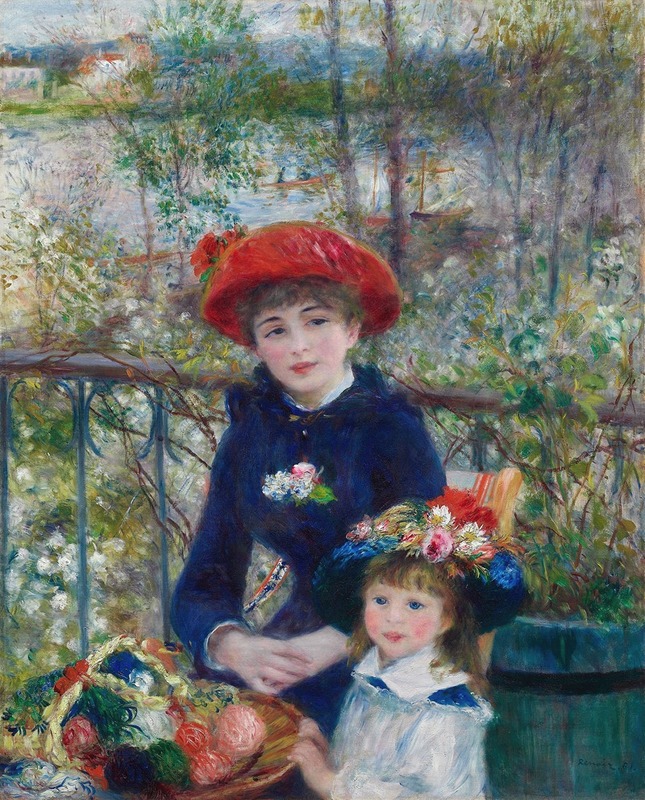
Two Sisters (On the Terrace)
Pierre-Auguste Renoir
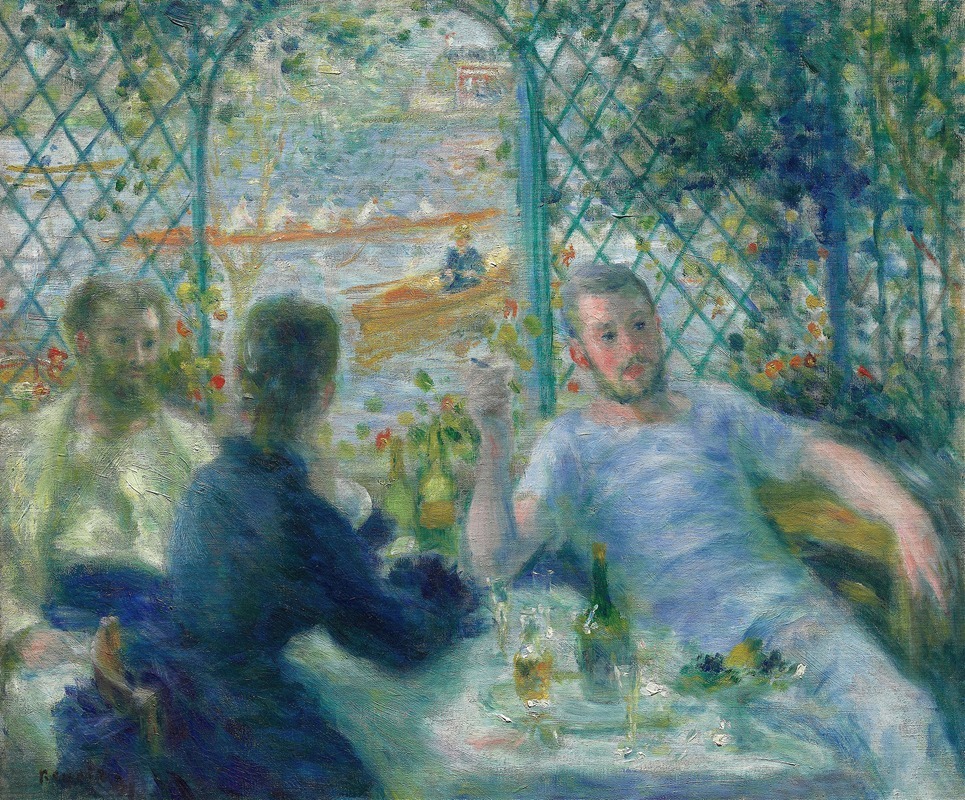
Lunch at the Restaurant Fournaise (The Rowers' Lunch)
Pierre-Auguste Renoir
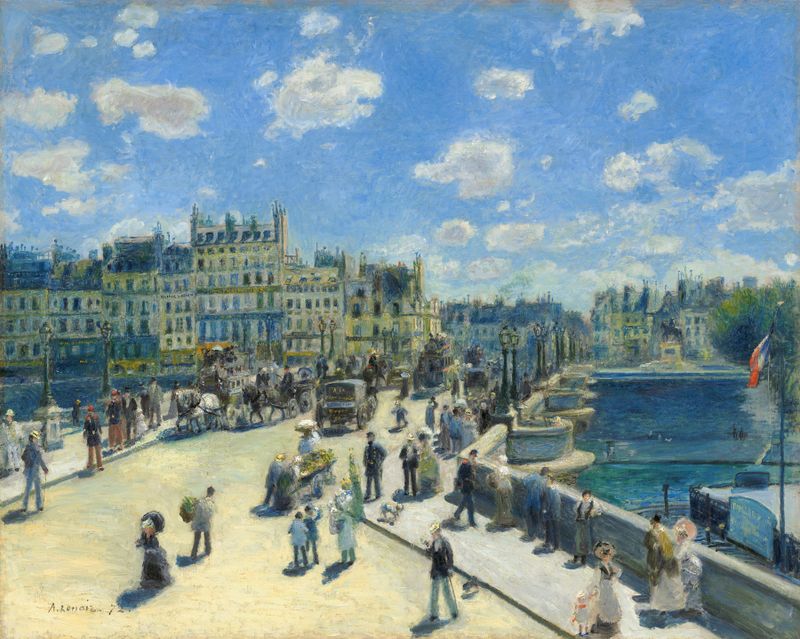
Pont Neuf, Paris
Pierre-Auguste Renoir
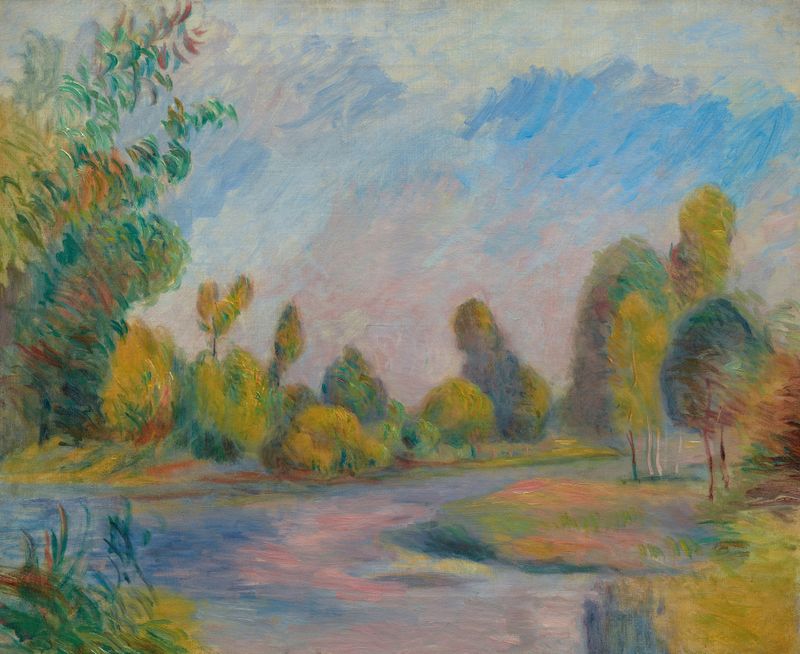
Au bord de la rivière
Pierre-Auguste Renoir

Near the Lake
Pierre-Auguste Renoir
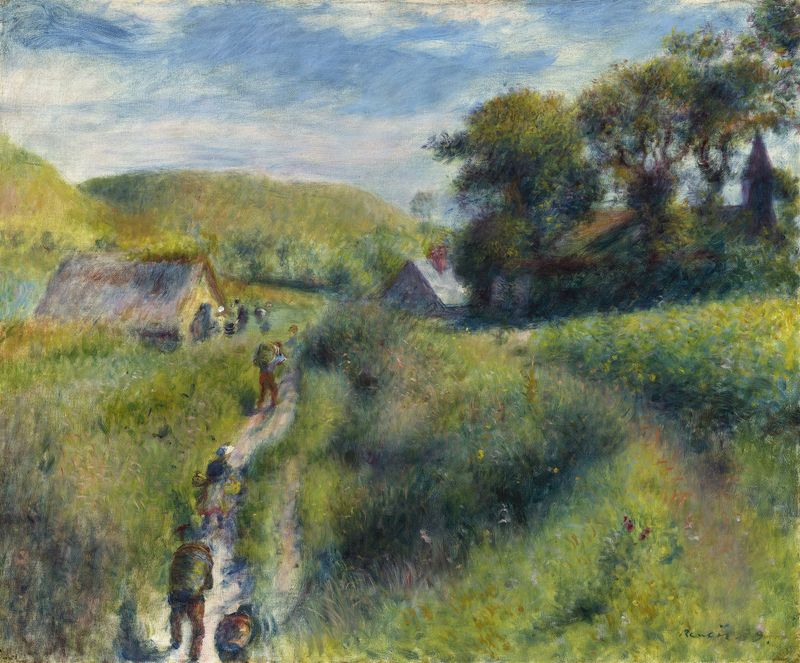
The Mussel Harvest
Pierre-Auguste Renoir

The Seine at Chatou
Pierre-Auguste Renoir
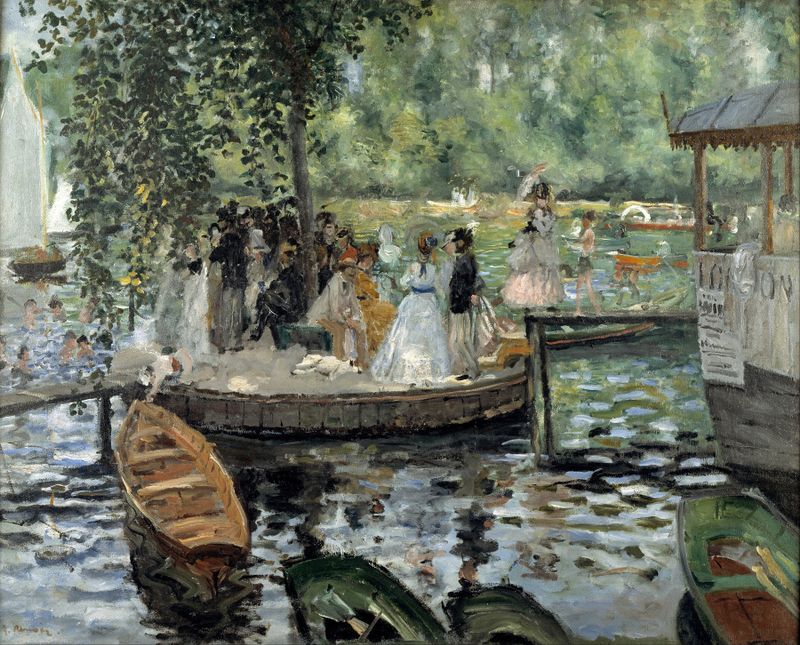
La Grenouillère
Pierre-Auguste Renoir
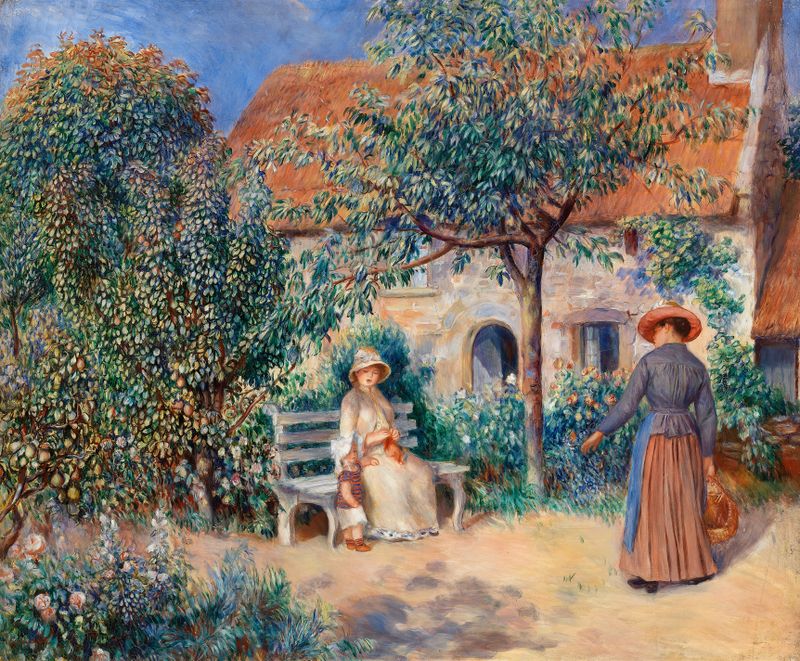
In Brittany (En Bretagne)
Pierre-Auguste Renoir
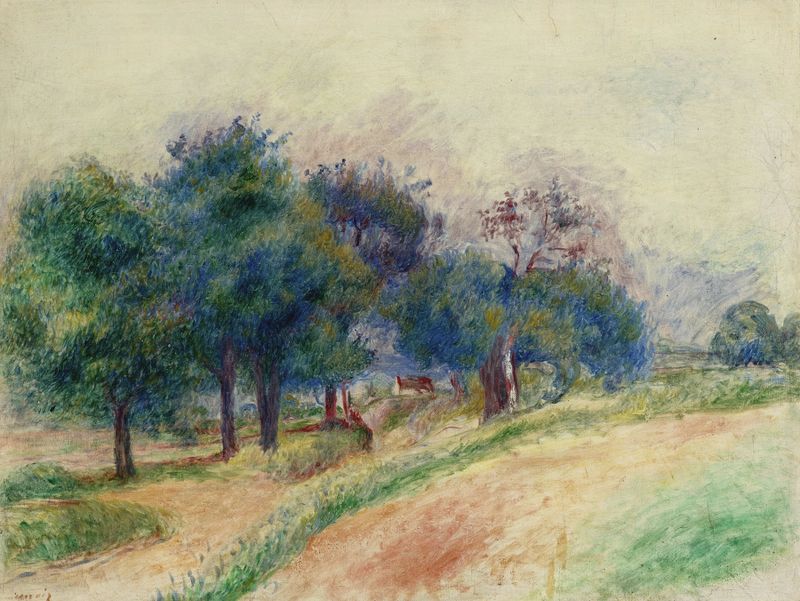
Paysage d’Essoyes
Pierre-Auguste Renoir
More Architecture Art
Browse all →
The statue of Liberty
Frédéric Auguste Bartholdi

View of Houses in Delft, Known as ‘The Little Street’
Johannes Vermeer

View of Houses in Delft, Known as ‘The Little Street’
Johannes Vermeer

The Cathedral in Rouen. The portal, Grey Weather
Claude Monet

The yellow house
Vincent van Gogh

The Church in Auvers-sur-Oise, View from the Chevet
Vincent van Gogh