
The Mother and Sister of the Artist — History & Facts
A hush of anticipation fills the room: a young woman sits upright, her gaze lost in thought, while an older woman, perhaps her mother, leans back in a chair, her presence both solid and gentle. The light, filtered and soft, pools around them, illuminating the crisp whites and deep blacks of their dresses and the subtle blush of the younger woman's cheeks. Here, the artist lingers on the tension between stillness and expectation—the younger woman's hands rest in her lap, her posture alert, as if she is waiting for something to happen, while the older figure seems to have settled into a longer patience.
The composition draws the viewer's eye from the luminous face of the daughter to the shadowed, contemplative profile of the mother, and finally to the half-open window behind them, hinting at a world beyond the domestic space. The palette—cool, restrained, and quietly luxurious—suggests both intimacy and distance, a family bond observed with the clear-eyed curiosity of someone both inside and outside the scene. Painted in the late 1860s, this work belongs to a world on the brink of transformation. In Paris, artists were beginning to break away from academic tradition, seeking new ways to capture the fleeting moods of modern life.
Women, rarely welcomed in these circles, found themselves doubly outsiders, yet Berthe Morisot would soon become a founding member of the Impressionist group, defying critics who dismissed her and her peers as "lunatics." Exhibited at the Salon of 1870 and possibly at the first Impressionist exhibition in 1874, this painting now resides in the National Gallery of Art, Washington, D.C. Its quiet drama invites us to look again—not just at the figures, but at the act of looking itself, and at the world of possibilities waiting just beyond the window.
More Artworks by Berthe Morisot

The Harbor at Lorient
Berthe Morisot
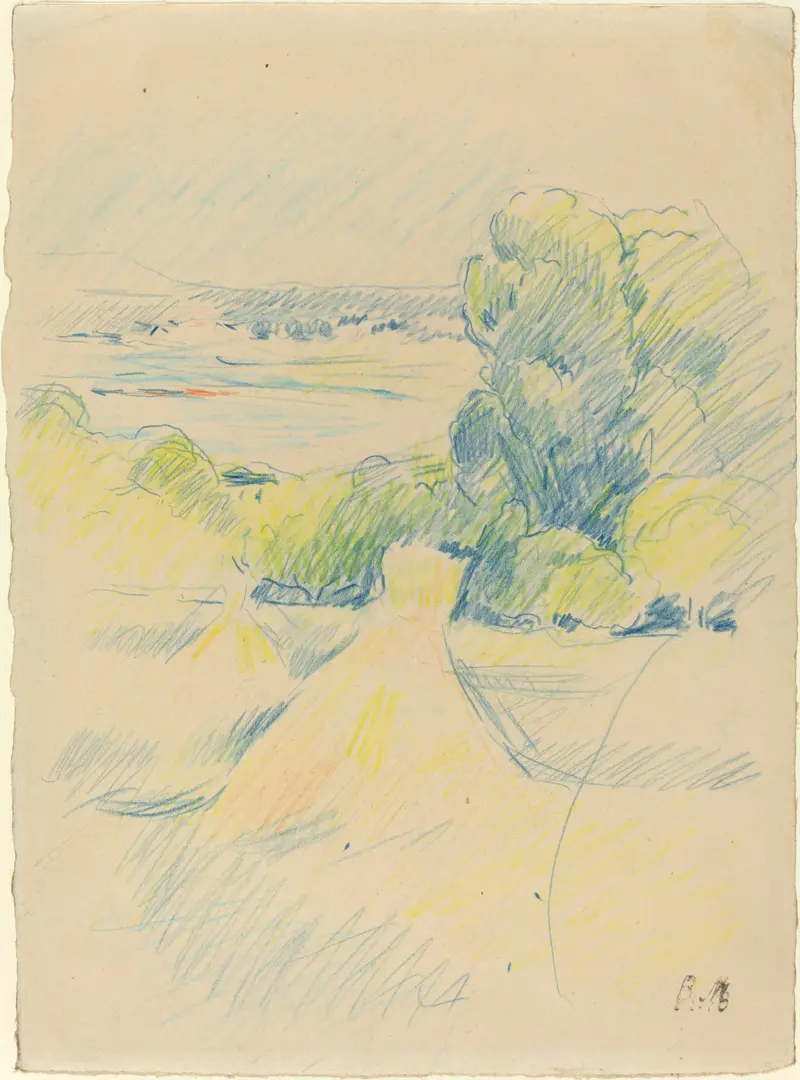
Landscape
Berthe Morisot

Hanging the Laundry out to Dry
Berthe Morisot

Woman in a Garden
Berthe Morisot

Young Girl with Hat
Berthe Morisot
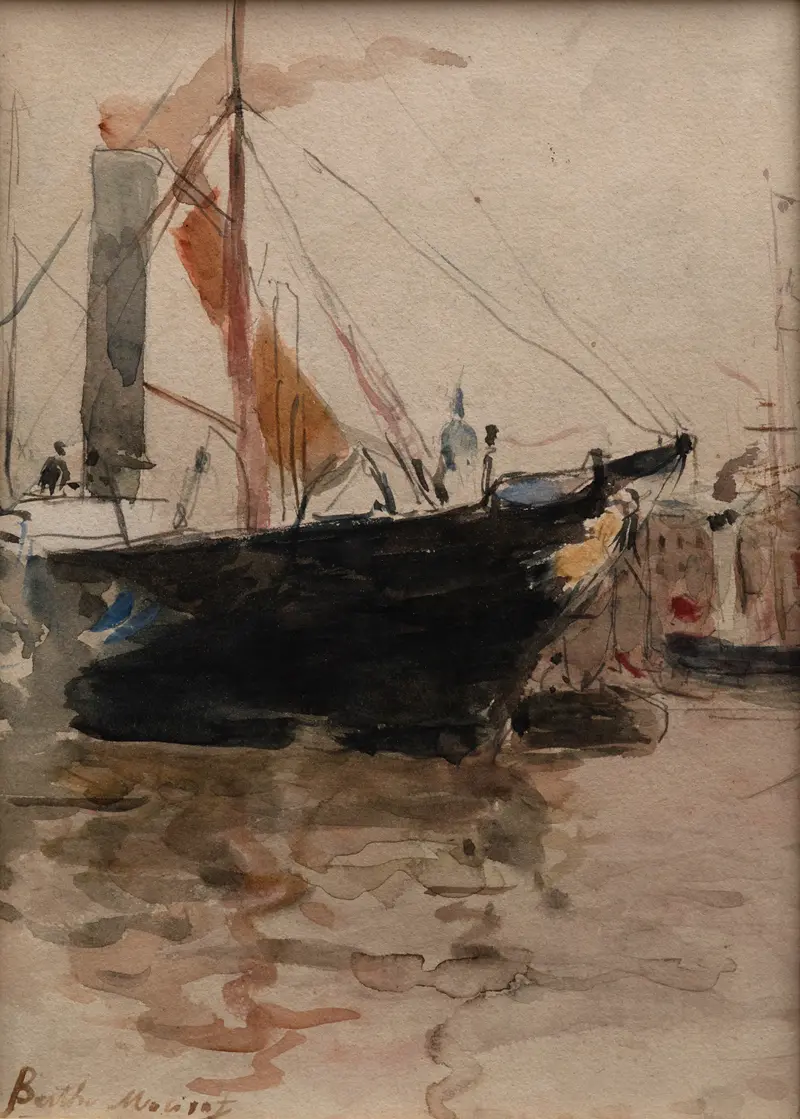
Harbor Scene, Isle of Wight
Berthe Morisot
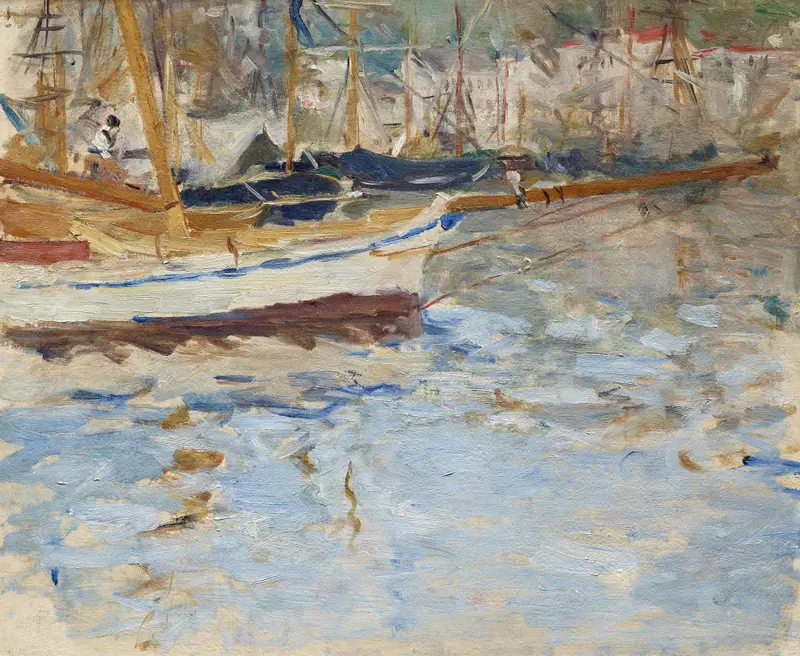
The Port of Nice
Berthe Morisot
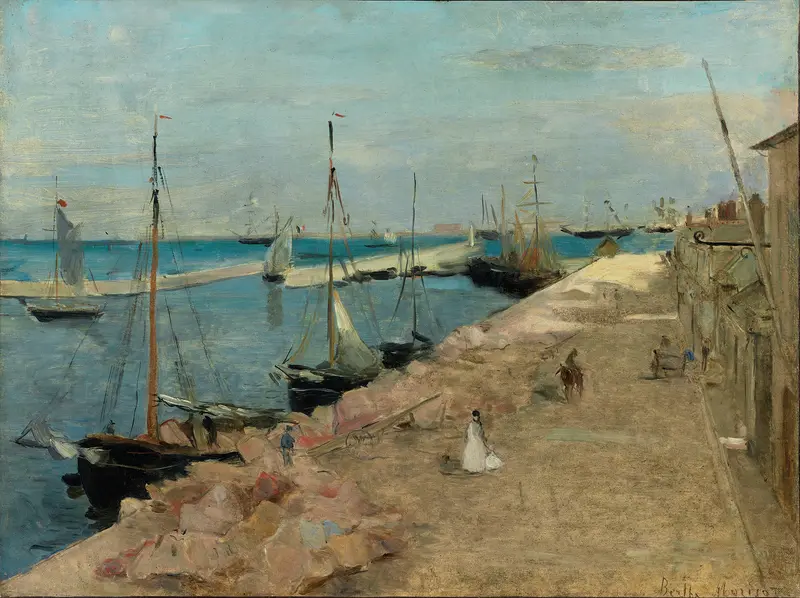
The Harbor at Cherbourg
Berthe Morisot
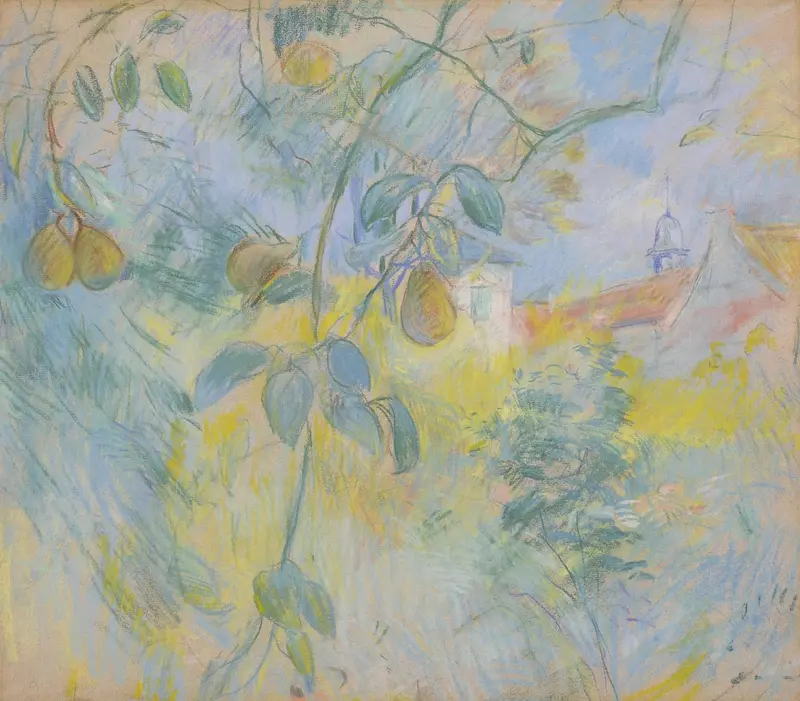
Les Poires
Berthe Morisot
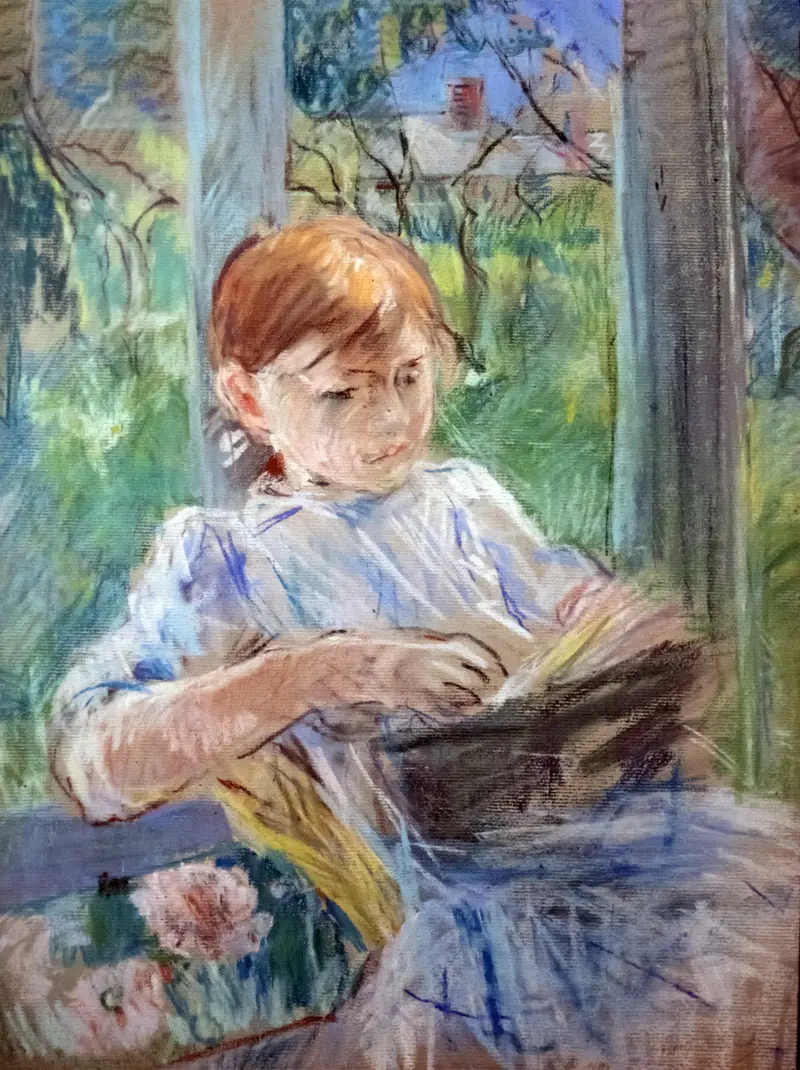
Bemberg Fondation Toulouse Jeune fille lisant de Berthe Morisot Pastel 44x33
Berthe Morisot





