
The Mystic Marriage of Saint Catherine — History & Facts
When Nicolas Poussin painted The Mystic Marriage of Saint Catherine in 1628, he was a young French artist newly arrived in Rome, still seeking to make his name among the Italian masters. This work is one of several treatments of Saint Catherine's mystical union with Christ that Poussin undertook in the late 1620s, a subject popular with Roman patrons and religious orders. The painting’s early history is somewhat unclear, but it is known that Poussin’s reputation among collectors was growing rapidly at this time, in part due to his ability to blend classical restraint with spiritual intensity.
The subject itself was especially favored by women’s convents, who saw in Catherine’s story a model of learned piety and devotion. At the heart of the painting, the infant Christ gently places a ring on the finger of Saint Catherine of Alexandria, sealing her spiritual betrothal. Catherine, a learned princess and martyr of the early fourth century, kneels in humility, her gaze fixed on the Christ Child, while the Virgin Mary looks on with serene approval. The palm branch near Catherine’s hand points to her martyrdom, and the broken wheel at her feet is a direct reference to the instrument of her torture.
Poussin’s composition is tight and harmonious, with the figures arranged in a classical triangle and bathed in a soft, golden light that draws the viewer’s eye to the exchange of the ring. Compared to Correggio’s version of the same subject, Poussin’s approach is more restrained, emphasizing clarity and order over emotional excess. The precise early provenance of The Mystic Marriage of Saint Catherine is not fully documented, but it likely passed through the hands of Roman collectors before making its way to France. As with many of Poussin’s early religious works, attribution was once debated, but stylistic analysis and documentary evidence have confirmed his authorship.
Today, the painting stands as a testament to Poussin’s early mastery of narrative and form, marking a pivotal moment in his transition from the influence of Venetian colorists to the more severe classicism that would define his later career. It remains a touchstone for understanding the evolution of French Baroque painting and the enduring appeal of Saint Catherine’s story.
More Artworks by Nicolas Poussin

Spring
Nicolas Poussin
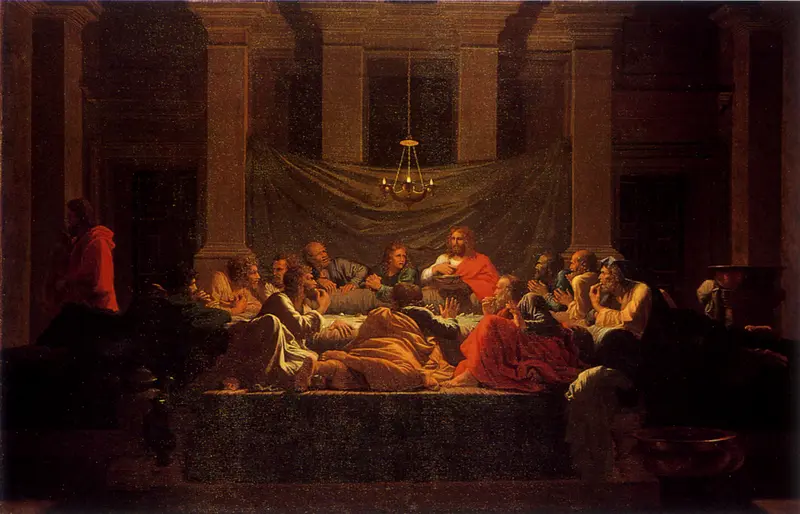
The Sacrament of the Holy Eucharist
Nicolas Poussin
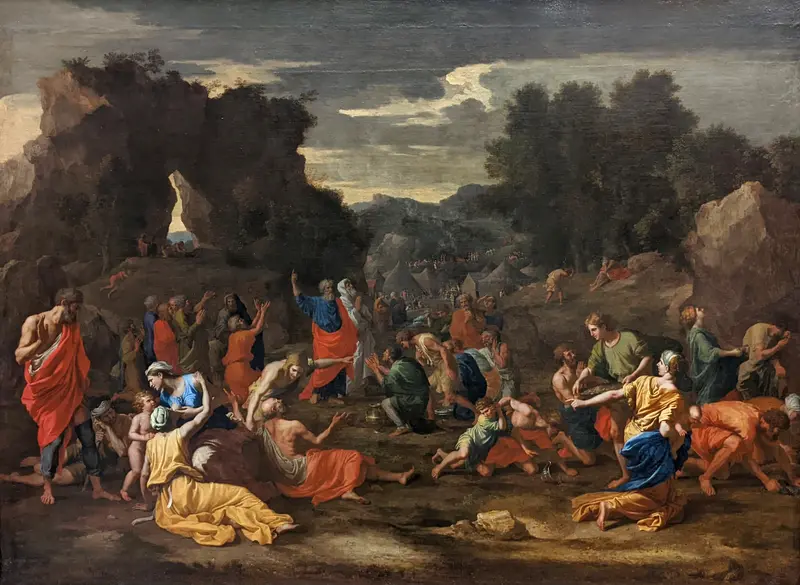
The Israelites gathering Manna in the Desert
Nicolas Poussin
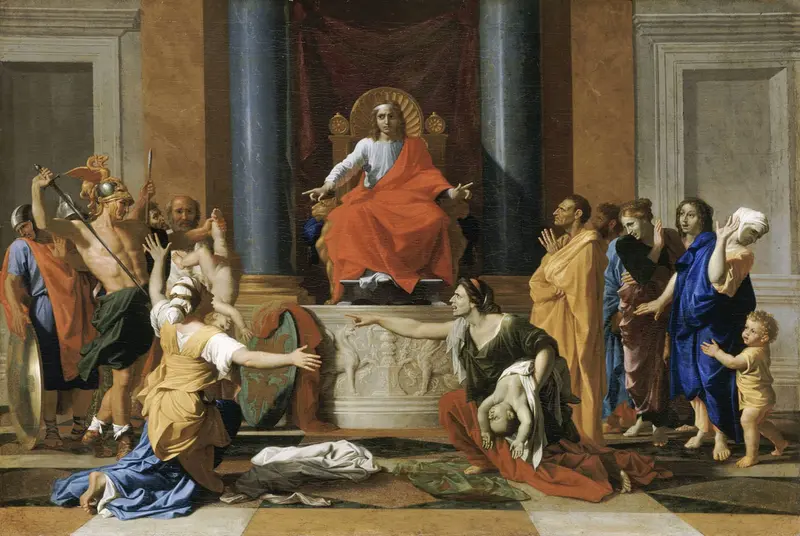
The Judgment of Solomon
Nicolas Poussin
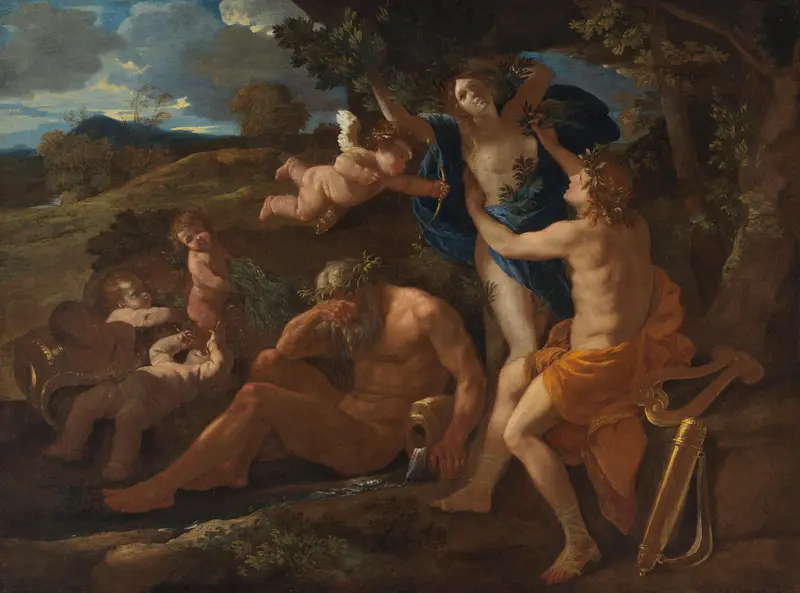
Apollo and Daphne
Nicolas Poussin

The Nurture of Jupiter
Nicolas Poussin

Ordination
Nicolas Poussin
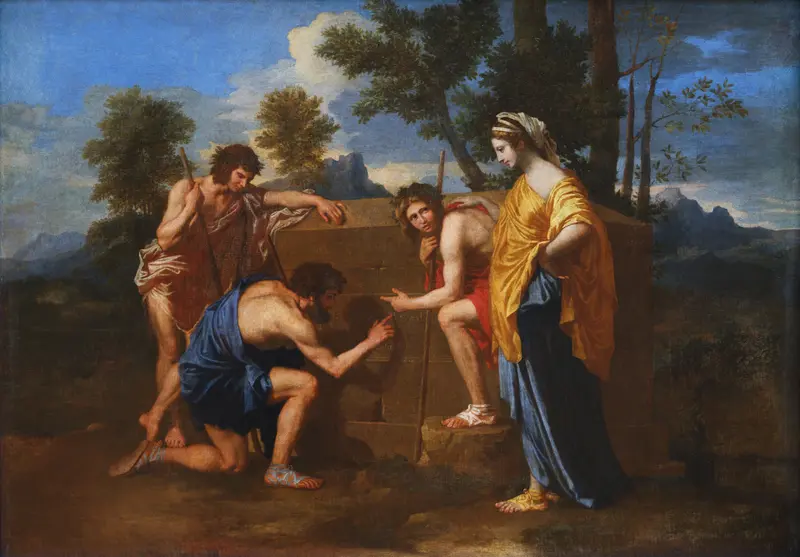
Et in Arcadia ego
Nicolas Poussin
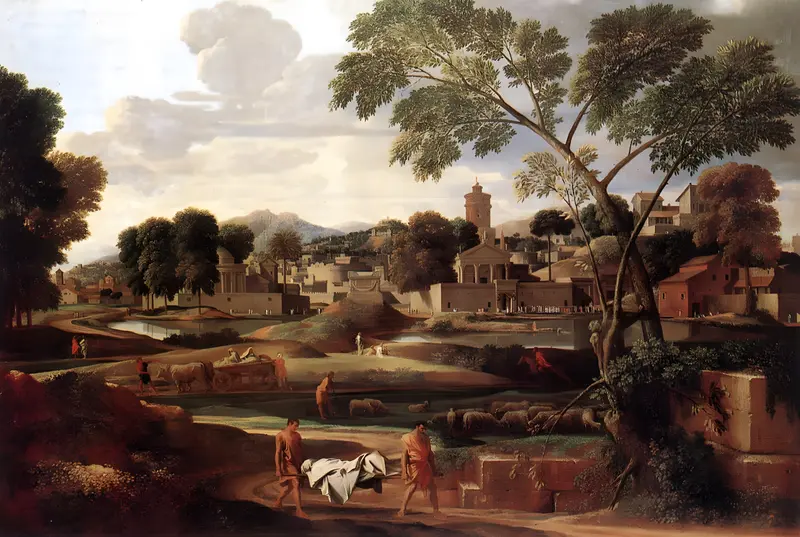
The Funeral of Phocion
Nicolas Poussin
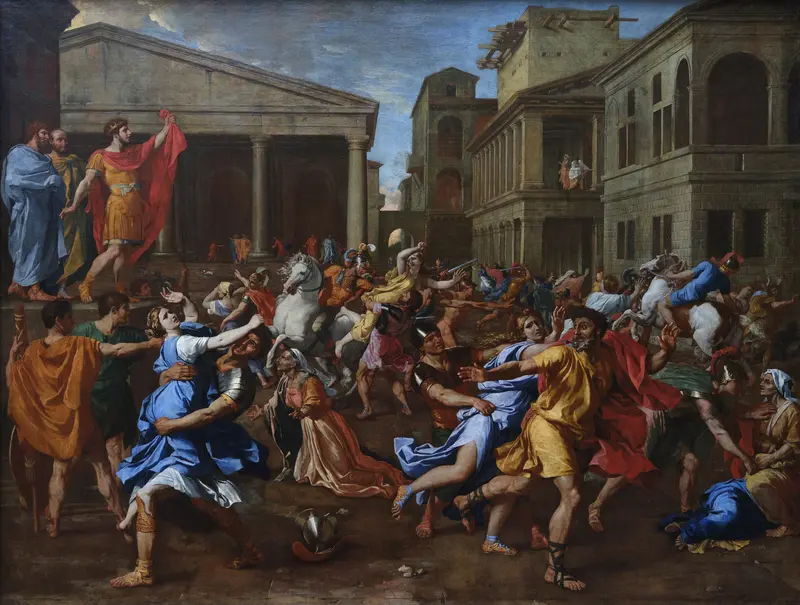
The Rape of the Sabine Women
Nicolas Poussin





