
The Olive Orchard — History & Facts
What secret hides in the quiet of the canvas? Beneath the vibrant strokes and swirling hues lies a nostalgia that whispers of distant memories and the passage of time. Look to the left at the majestic olive trees, their gnarled branches twisting against a backdrop of deep blue sky. Notice how the sunlight dances through the leaves, casting dappled shadows on the ground, while gentle swirls of green and gold envelop the scene. Each brushstroke is a heartfelt caress, evoking both movement and stillness, a reflection of the artist's emotional state intertwined with nature's beauty. Hidden within the vibrant colors and rhythmic patterns are themes of isolation and longing, echoing the artist's own tumultuous journey.
The olive orchard, a symbol of peace and connection, contrasts sharply with Van Gogh’s internal struggles, merging tranquility with an underlying tension. Each tree stands as a sentinel, representing memories both cherished and lost, capturing the essence of longing for a simpler past. In 1889, while residing in the asylum of Saint-Rémy-de-Provence, the artist painted this work as he sought solace in nature amidst his personal chaos. It was a time when his mental health was fragile, yet he found inspiration in the surrounding landscape, creating a body of work that resonated with emotion and depth.
This piece encapsulates both his turmoil and his profound connection to the world, marking a significant moment in the evolution of his artistic vision.
More Artworks by Vincent van Gogh
Browse all →
Starry Night
Vincent van Gogh
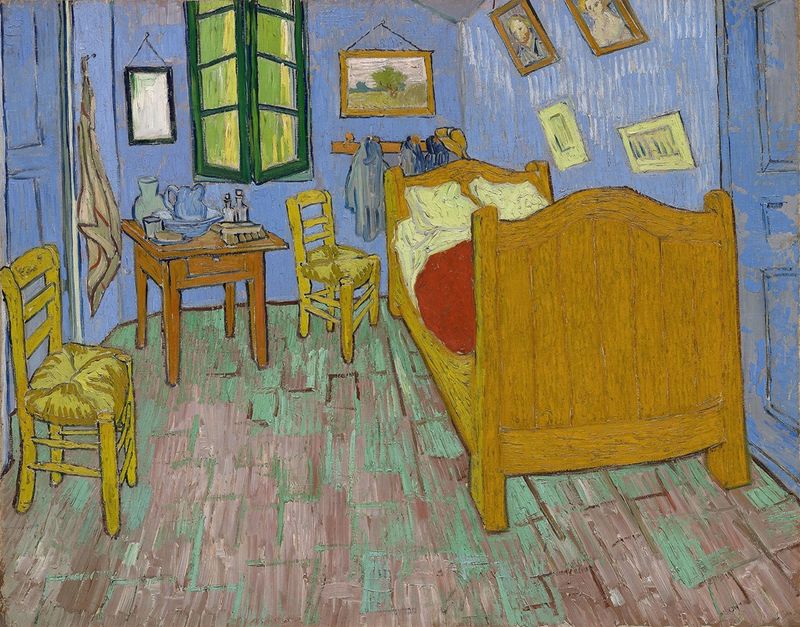
The Bedroom
Vincent van Gogh
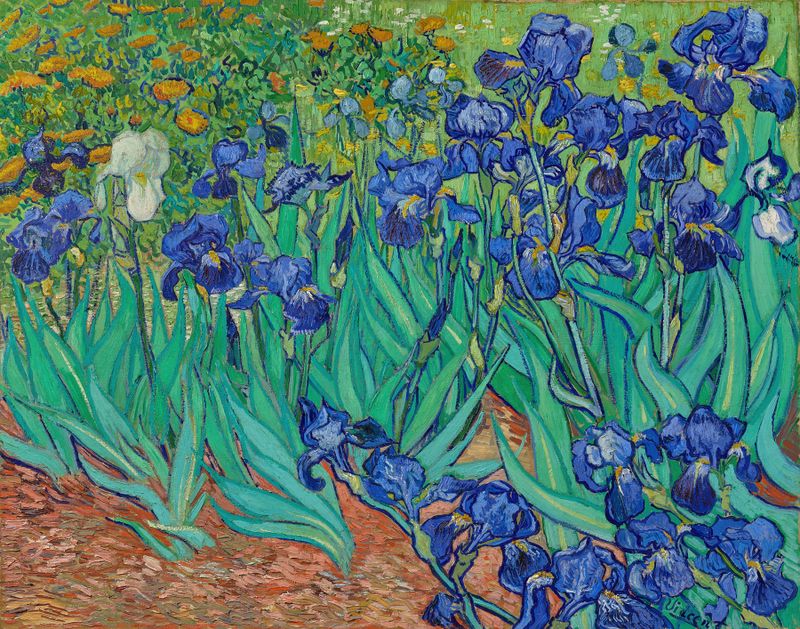
Irises
Vincent van Gogh
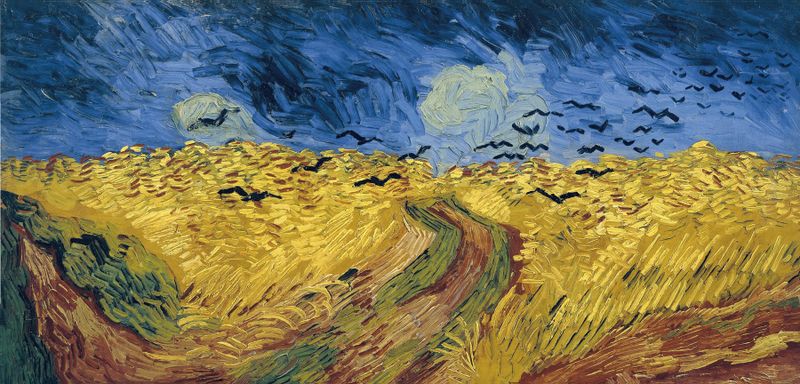
Wheatfield with Crows
Vincent van Gogh
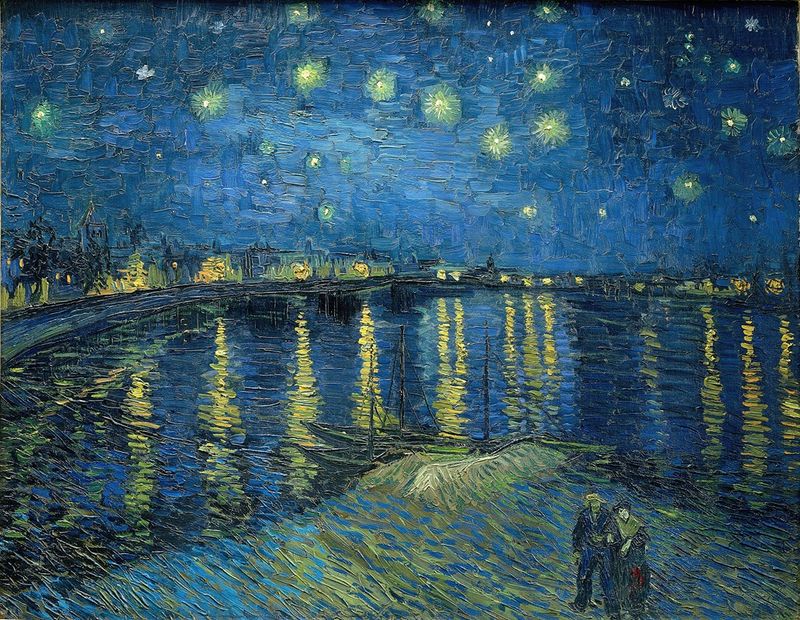
Starry Night over the Rhone
Vincent van Gogh

The yellow house
Vincent van Gogh
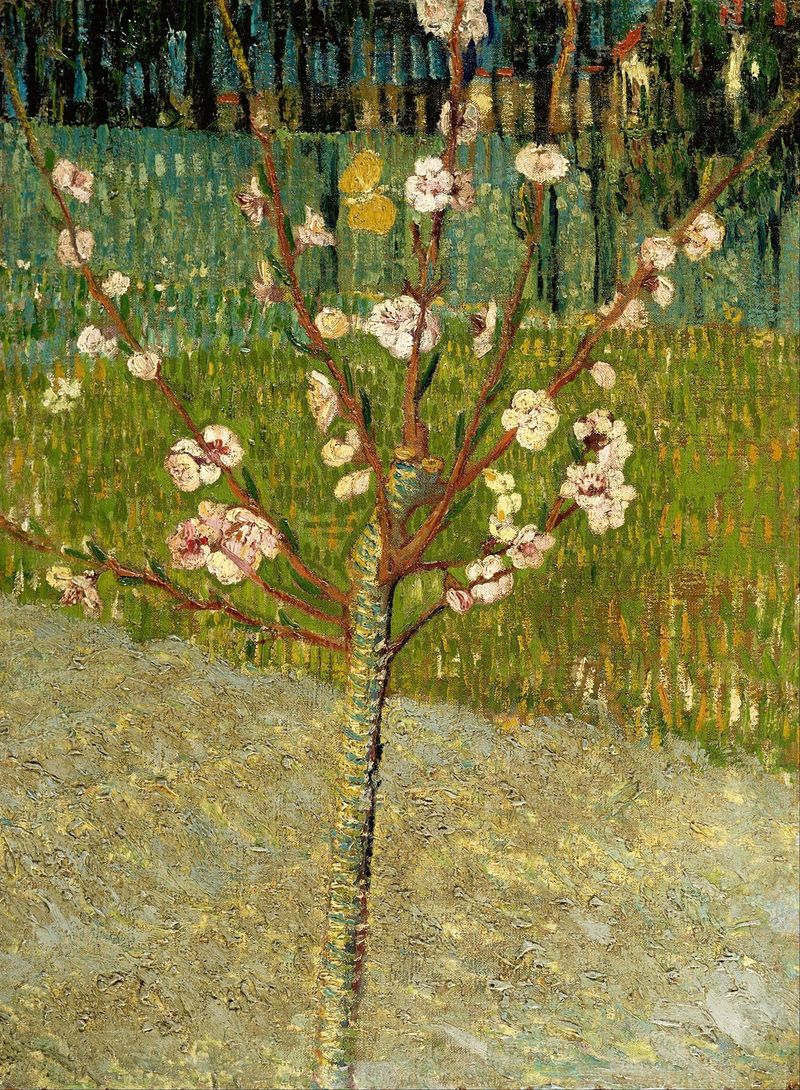
Almond tree in blossom
Vincent van Gogh

Portrait of Dr Gachet
Vincent van Gogh

The Church in Auvers-sur-Oise, View from the Chevet
Vincent van Gogh

Self-Portrait
Vincent van Gogh





