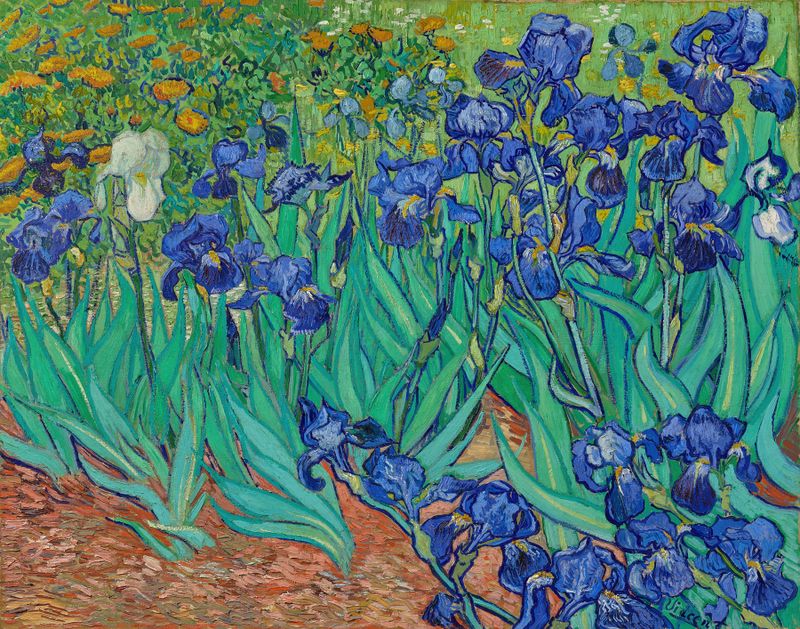
The Orchard — History & Facts
Can beauty exist without sorrow? In The Orchard, James Ensor invites us to explore the delicate interplay of joy and melancholy woven into the fabric of nature. Look to the left at the vibrant blossoms adorning the fruit trees, their colors pulsating with life—pink, white, and hints of gold. The painter’s technique reveals a careful balance between spontaneity and structure; brushstrokes dance across the canvas, capturing the fleeting essence of spring. Notice how the soft, dappled light filters through the branches, casting shadows that seem to play games upon the ground, echoing the dualities present in the scene. Yet beneath this picturesque setting lies a deeper narrative.
The juxtaposition of the lively flora against an enigmatic, shadowy figure looming in the background hints at the complexity of human emotions. A sense of longing emanates from the third dimension of the canvas, suggesting that the beauty of the orchard may mask an underlying sorrow, prompting viewers to question their own perceptions of joy and despair. The scene, while rich in color and life, whispers of the fleeting nature of happiness. Created in 1886, this work reflects a pivotal moment in Ensor's artistic journey.
Living in Belgium, he was deeply influenced by the Symbolist movement, which sought to express ideas through metaphor and emotional resonance. During this period, his focus began shifting towards themes of existential reflection and the intersection between beauty and darker truths—an exploration that would define much of his subsequent work.
More Artworks by James Ensor
Browse all →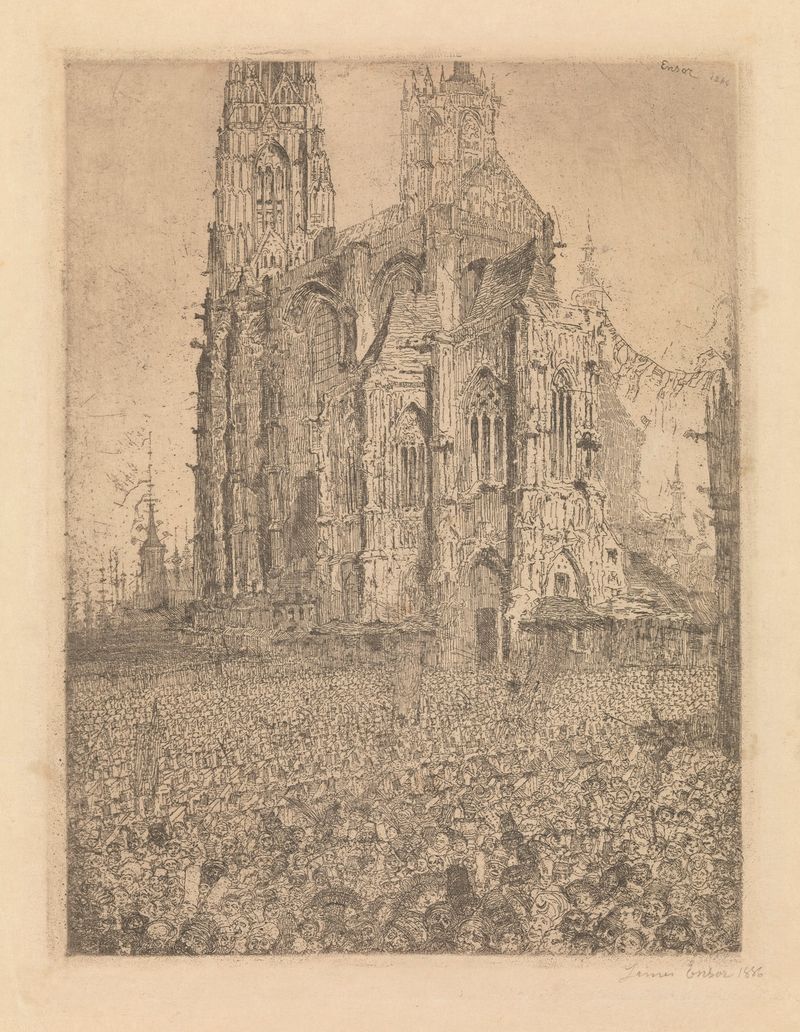
The Cathedral
James Ensor
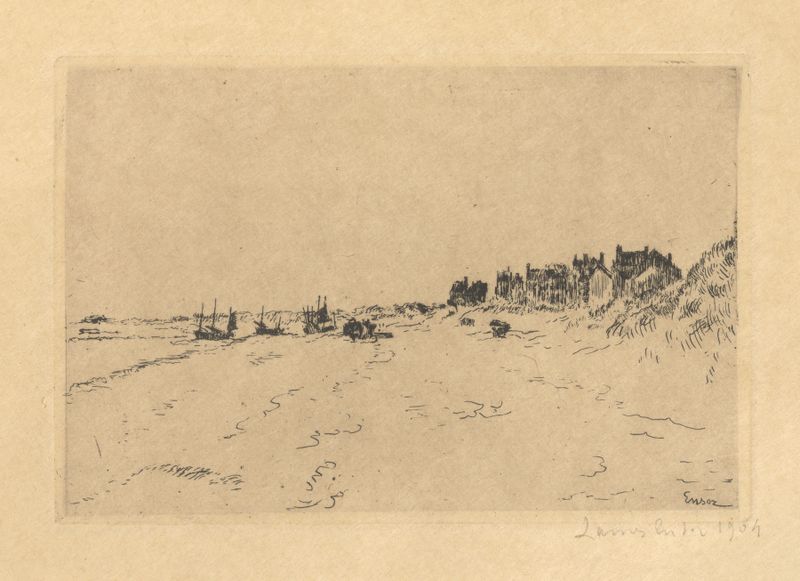
Het strand van De Panne
James Ensor
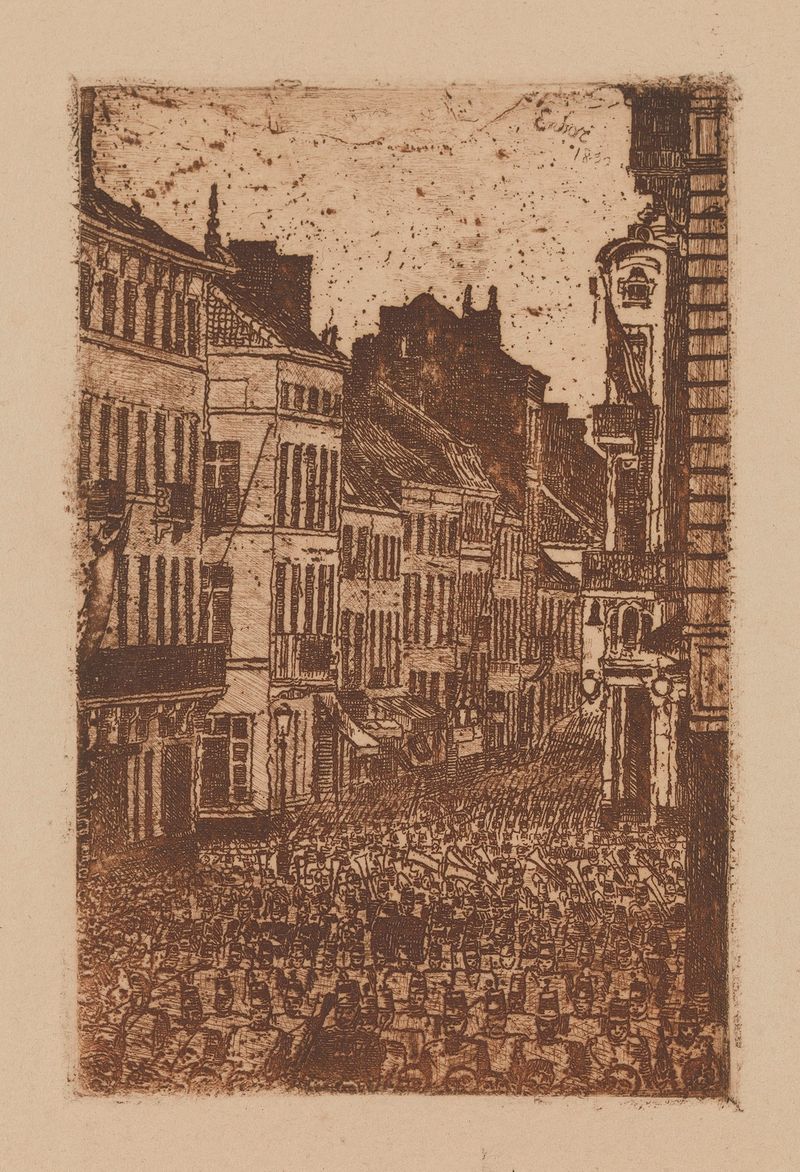
The Music in the rue de Flandre, Ostend
James Ensor
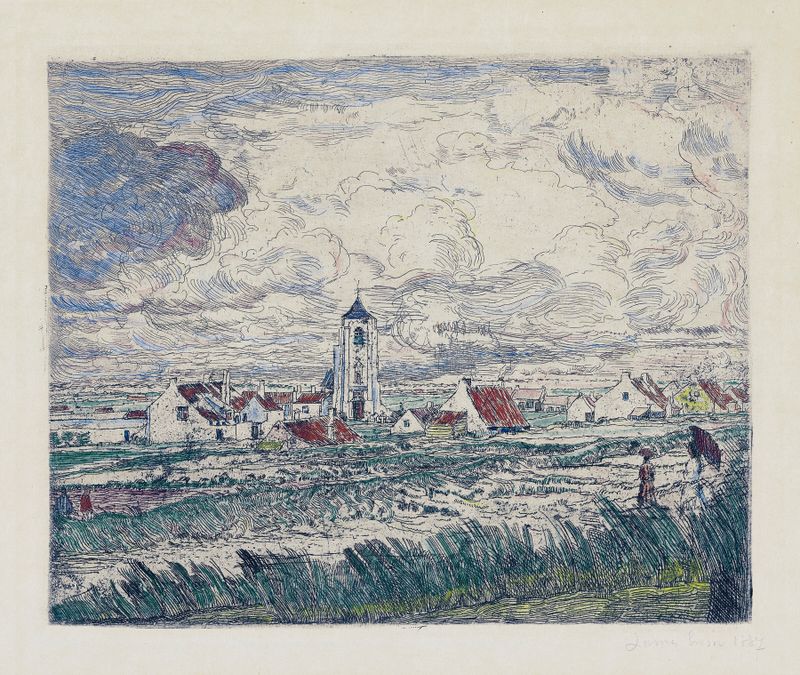
Grande vue de Mariakerke
James Ensor
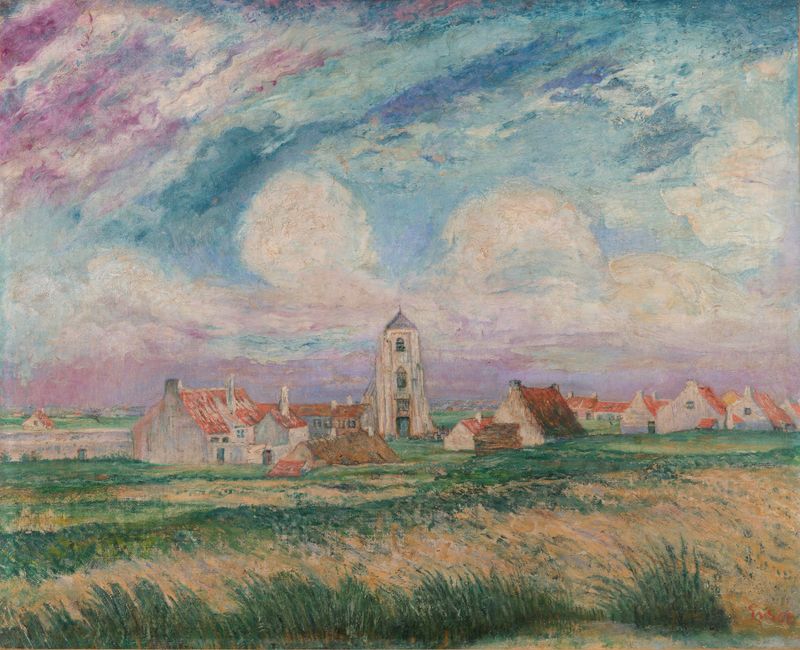
View of Mariakerke
James Ensor
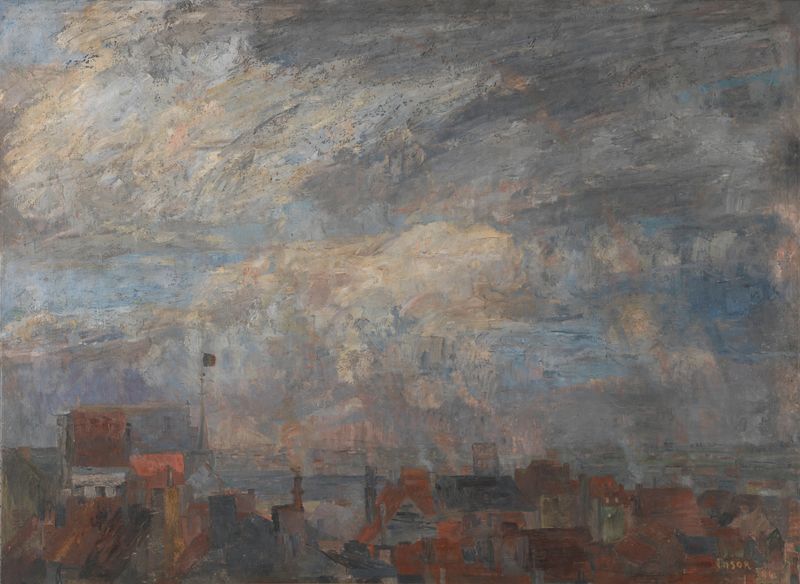
The Rooftops of Ostend
James Ensor
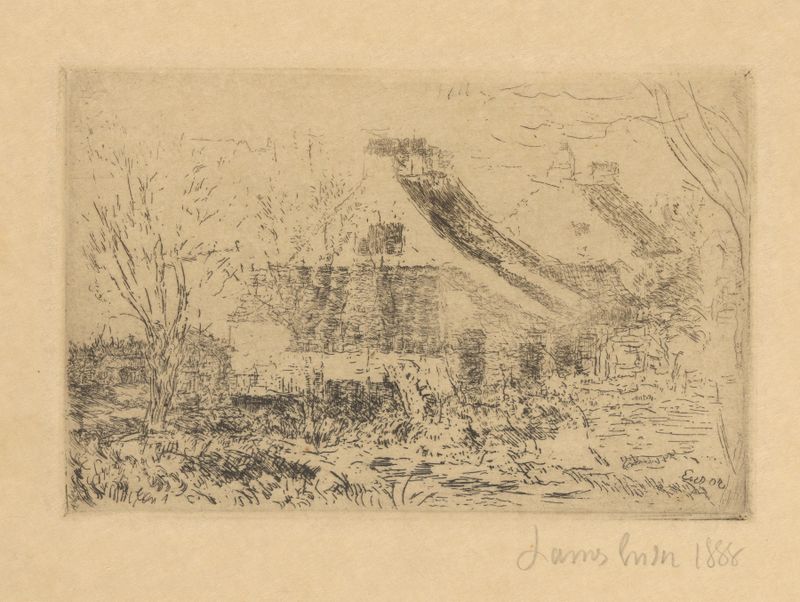
Huisjes in Mariakerke
James Ensor
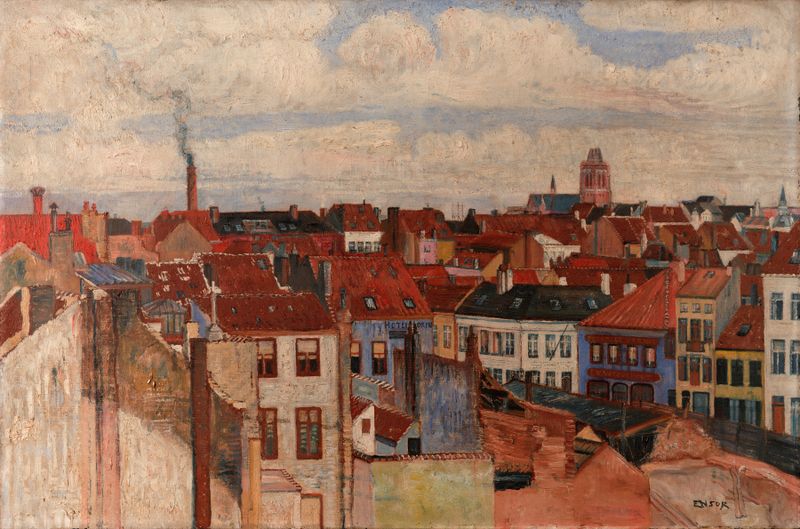
The rooftops of Ostend
James Ensor
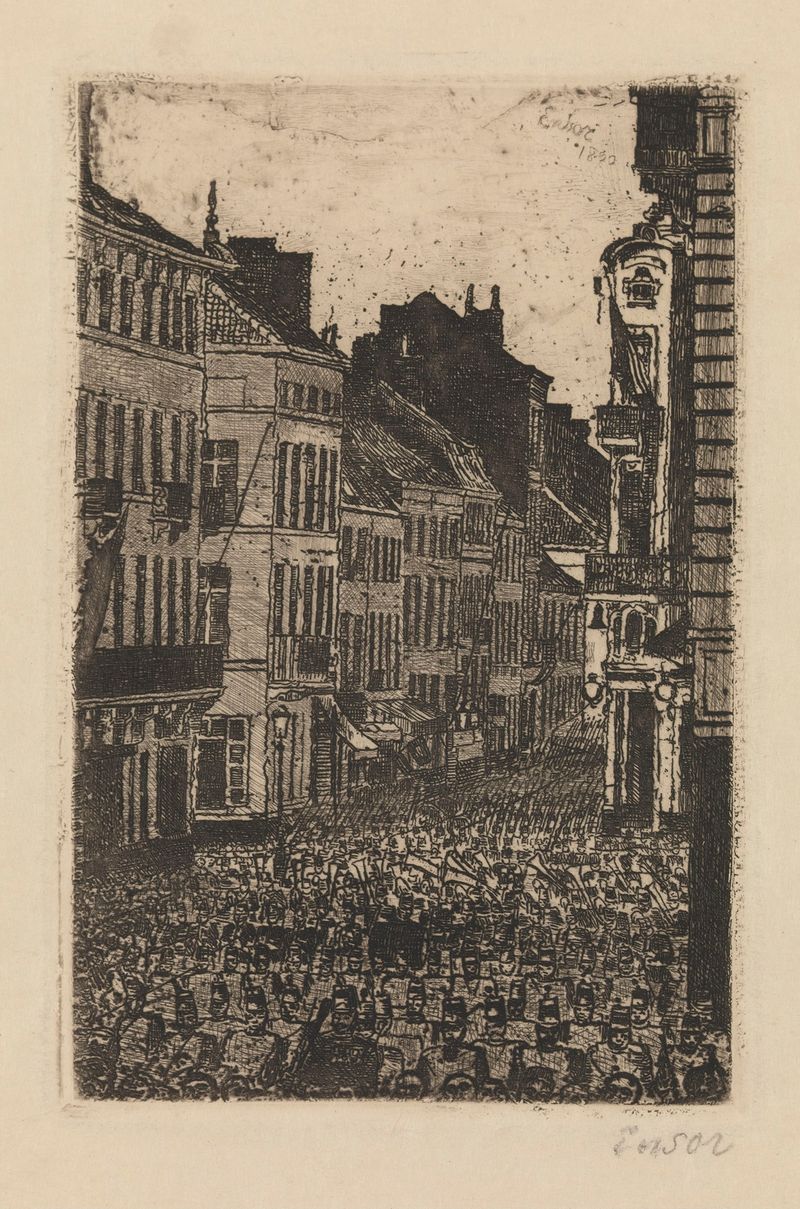
The Music in the rue de Flandre, Ostend
James Ensor
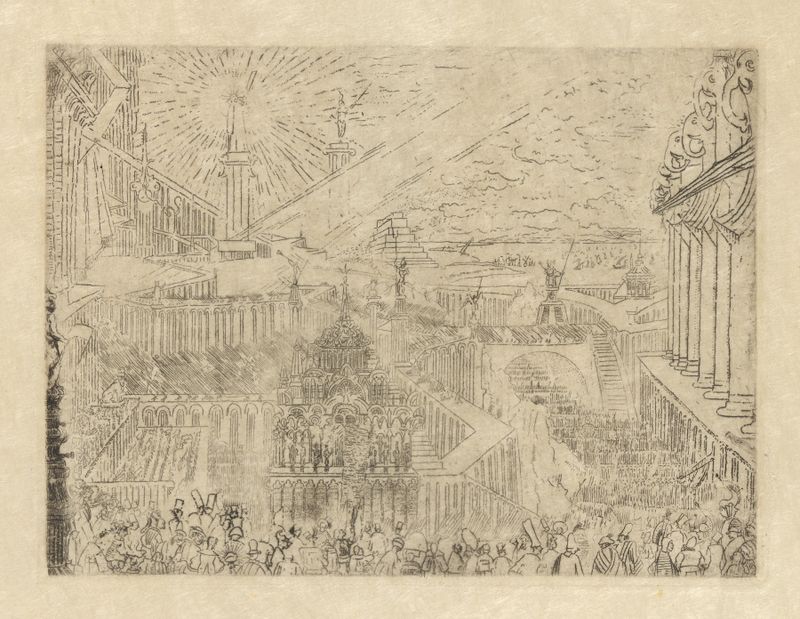
Verovering van een vreemde stad
James Ensor