
The Orphan — History & Facts
What draws the eye first in The Orphan is the way the light falls on the barefoot girl at the threshold, her face half-turned downward, clutching a bundle of clothes. She stands apart from the hearth’s warmth and the gathered family, her posture caught between hope and uncertainty. The figures inside the room—an attentive man, a mother with a child, and two older women in the shadowed background—are arranged in a gentle arc, their gazes converging on the newcomer.
The painter uses the golden light from the fire to carve out a space of welcome, yet the girl’s isolation is underscored by her stance and the cool, muted tones of her clothing. Every detail, from the rough-hewn beams to the clock on the wall, roots the scene in a rural interior, inviting us to imagine the conversation that has just paused. Painted in 1854, this work belongs to a moment in Northern European art when genre painting—scenes of everyday life—sought to capture the realities and sympathies of rural existence. Artists like Adolph Tidemand became known for their careful observation of peasant life, often commissioned by collectors eager to see their nation’s character reflected on canvas.
The mid-19th century saw a growing interest in social themes, and paintings like this, now preserved in the DigitaltMuseum collection, offered viewers both a window into hardship and a lesson in compassion. History has kept few traces of this specific painting’s journey, but its quiet drama is a testament to the era’s fascination with the dignity and vulnerability of ordinary lives. The longer you look, the more the silent exchange between the figures seems to ask: what happens next?
More Artworks by Adolph Tidemand

Bridal Procession on the Hardangerfjord
Adolph Tidemand
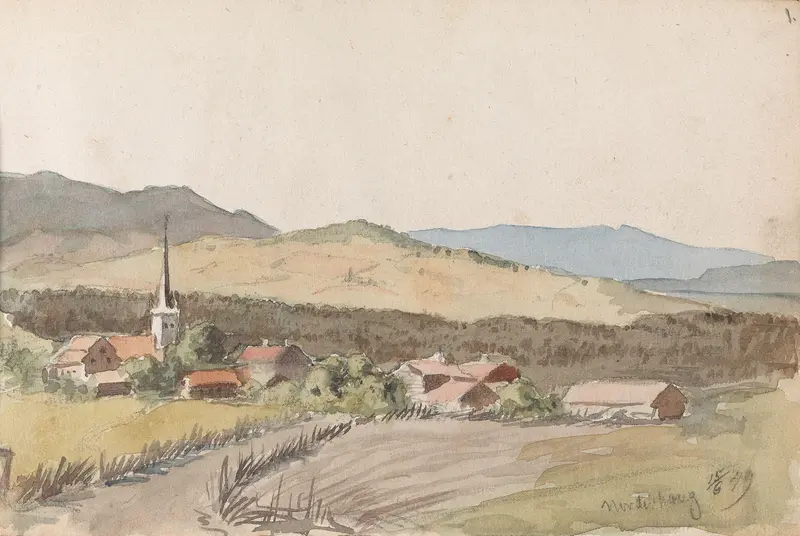
Fra Haugsbygd
Adolph Tidemand
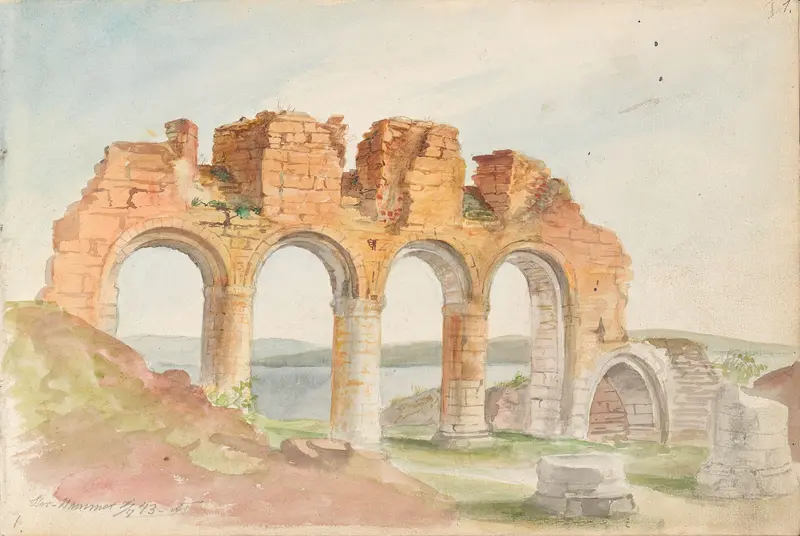
Domkirkeruinen, Hamar
Adolph Tidemand
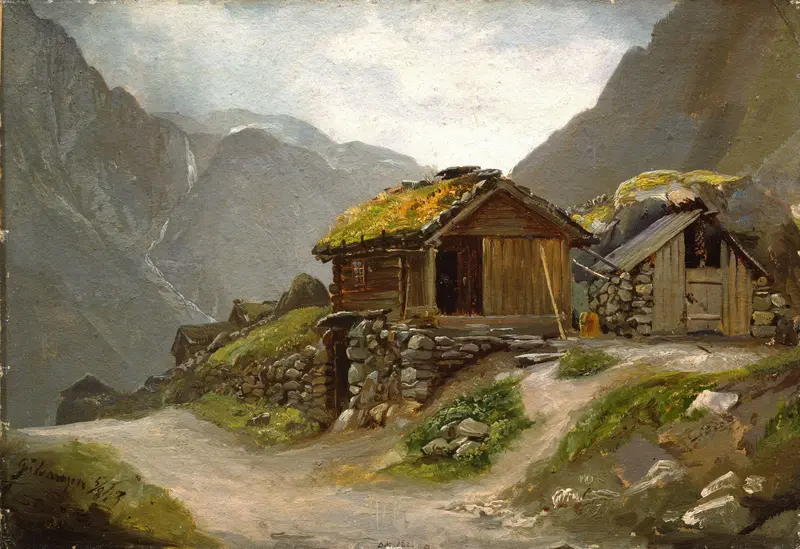
View from Gudvangen
Adolph Tidemand
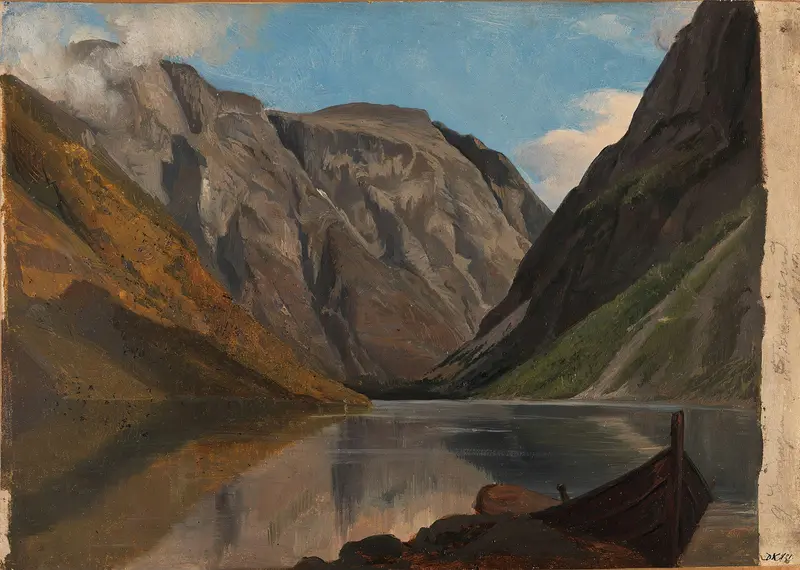
View of Gudvangen
Adolph Tidemand
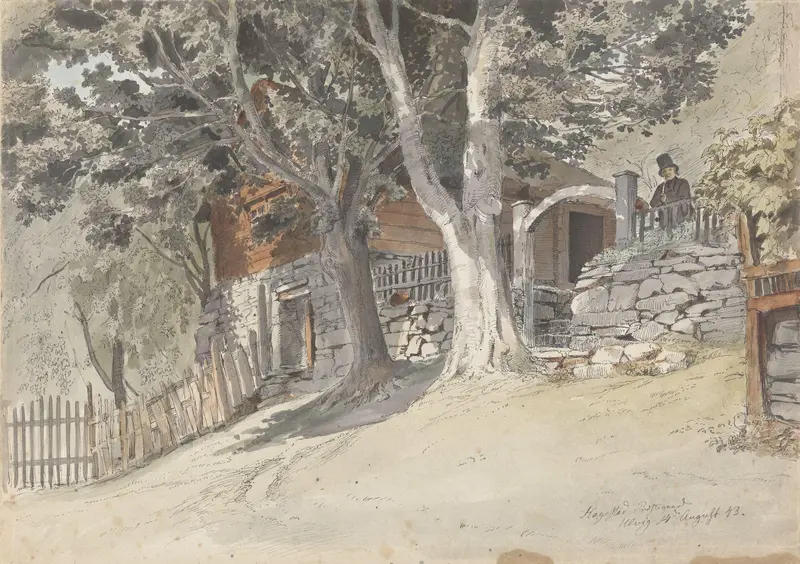
Hagestad prestegård, Ulvik i Hardanger
Adolph Tidemand
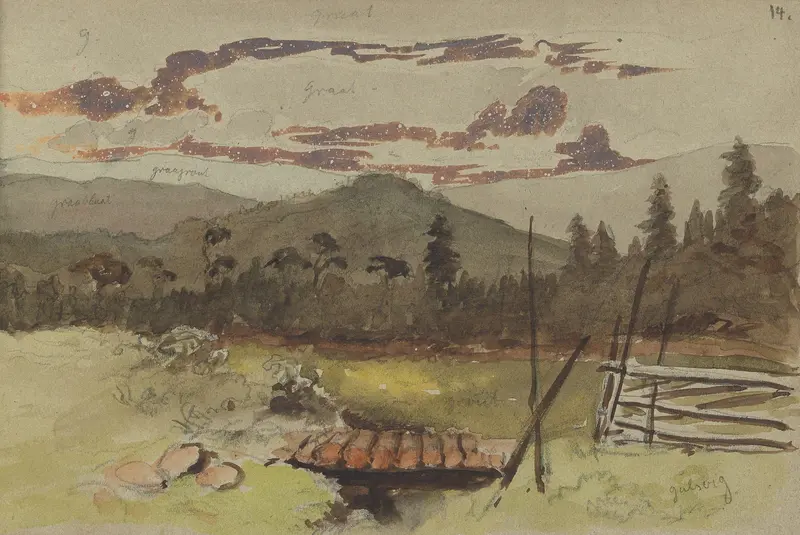
Fra Gulsvik
Adolph Tidemand
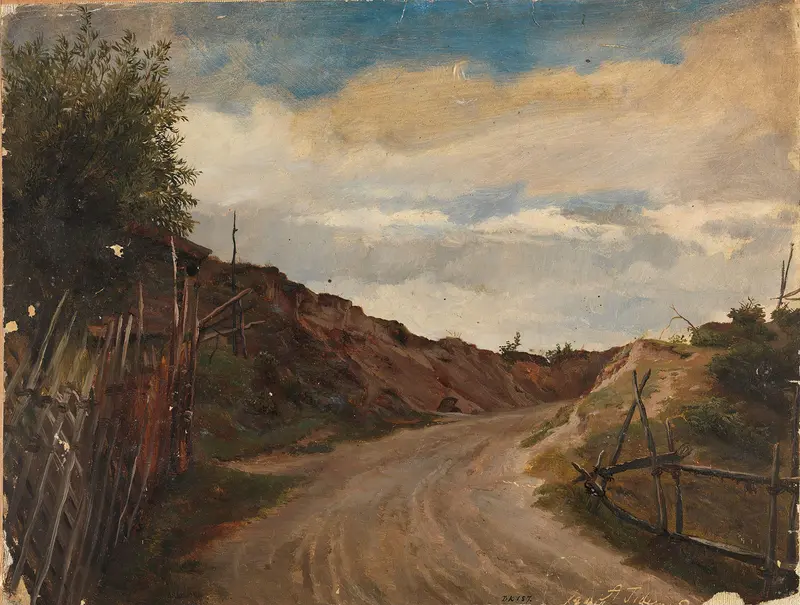
Country Road
Adolph Tidemand
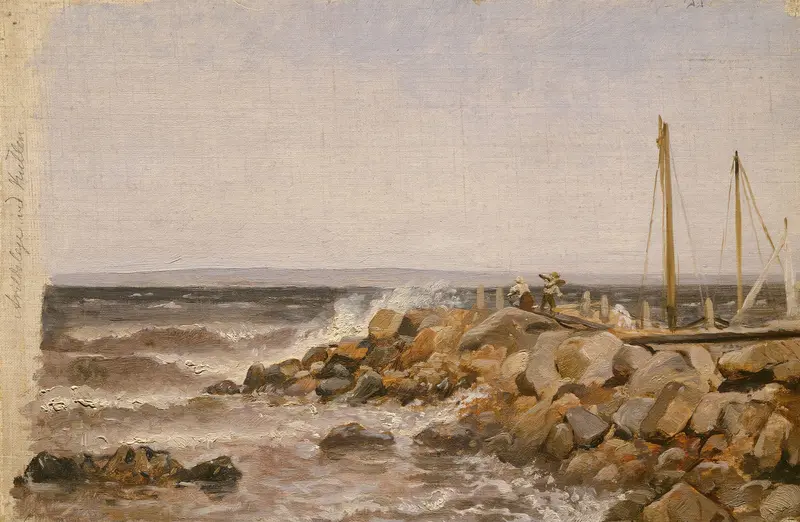
From Kullen in Sweden
Adolph Tidemand
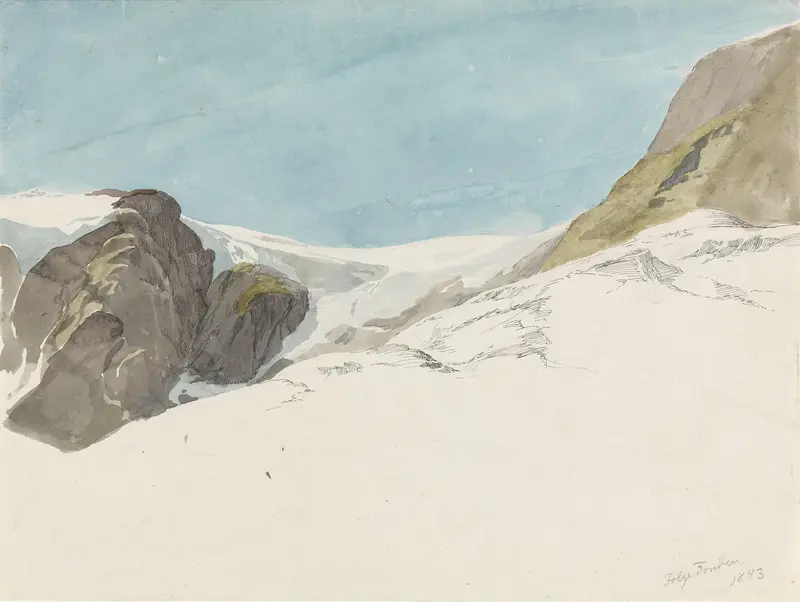
Untitled
Adolph Tidemand
More Genre Scene Art

Banquet of the Officers of the St George Civic Guard
Frans Hals

Rembrandt and Saskia in the Scene of the Prodigal Son
Rembrandt van Rijn

Bal du moulin de la Galette
Pierre-Auguste Renoir

Quadrille at the Moulin Rouge
Henri de Toulouse-Lautrec

A Burial at Ornans
Gustave Courbet

When Will You Marry?
Paul Gauguin