
The Painter Joseph Vernet in — History & Facts
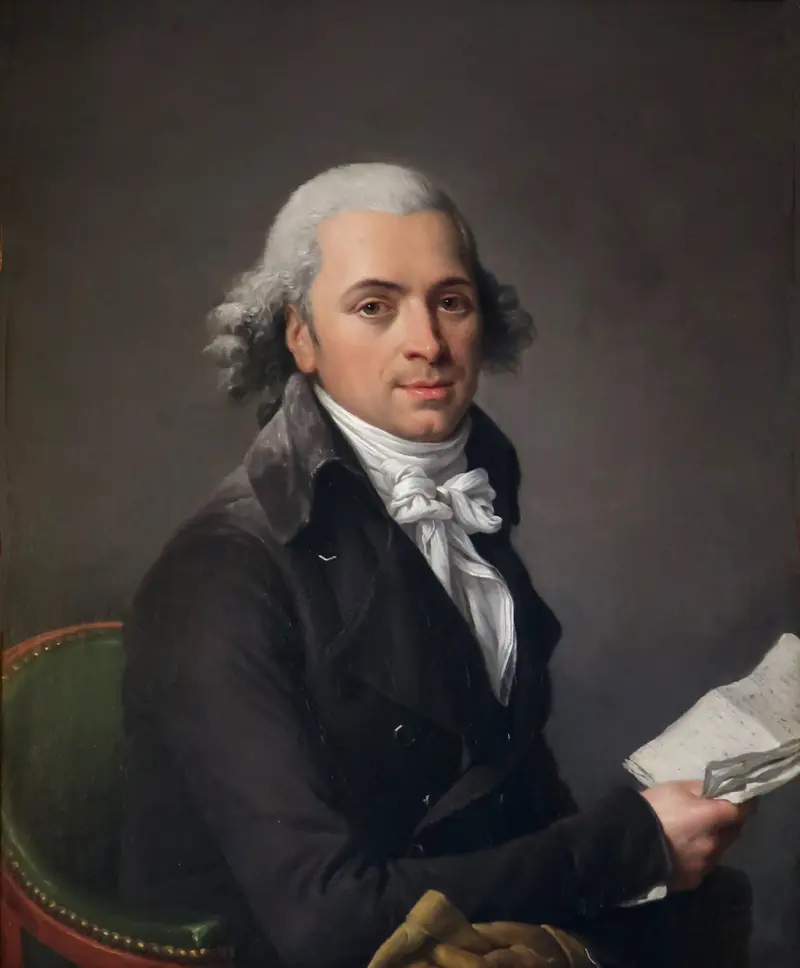
What first catches the eye in The Painter Joseph Vernet in by Adélaïde Labille-Guiard is the intense, almost conversational gaze of the sitter. The artist has chosen to place her subject close to the picture plane, his features illuminated by a gentle, directional light that brings out the warmth in his skin and the subtle textures of his powdered hair. The soft folds of his cravat and the muted olive of his coat are rendered with a careful hand, but it is the directness of his look—alert, slightly amused, and utterly present—that draws the viewer in.
The background falls away into shadow, focusing all attention on the face, as if inviting us to share in a private moment of reflection or exchange. Portraits of this kind flourished in late eighteenth-century France, when artists like Labille-Guiard and her contemporaries were called upon to capture not only the likeness but the character of their sitters. Such works were often commissioned by the rising bourgeoisie or by fellow artists seeking to record friendship and mutual respect. Painted in an era of shifting social currents and artistic ambition, this portrait reflects both the technical finesse and the psychological insight prized by the period.
The photograph of the work, taken in 2018, places it in the context of a modern collection, but history has kept few traces of its early journey. The sitter’s steady gaze, however, remains as immediate as ever—an invitation to linger.
More Artworks by Adélaïde Labille-Guiard
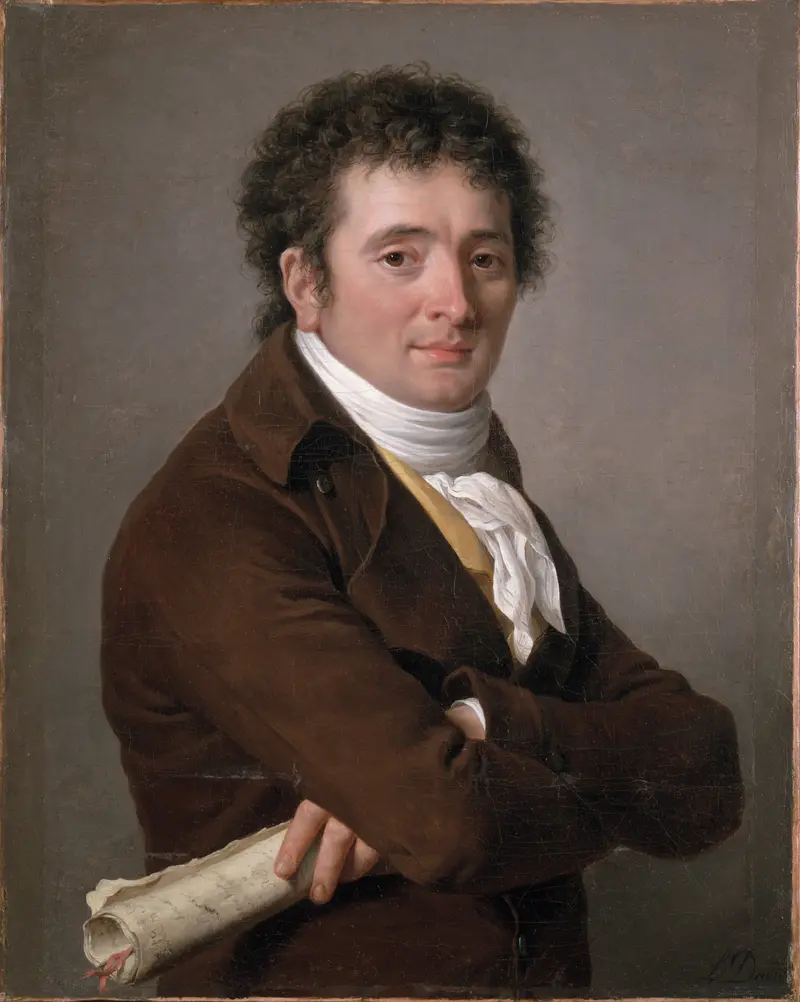
Tournelle, called Dublin (1761-1820)
Adélaïde Labille-Guiard
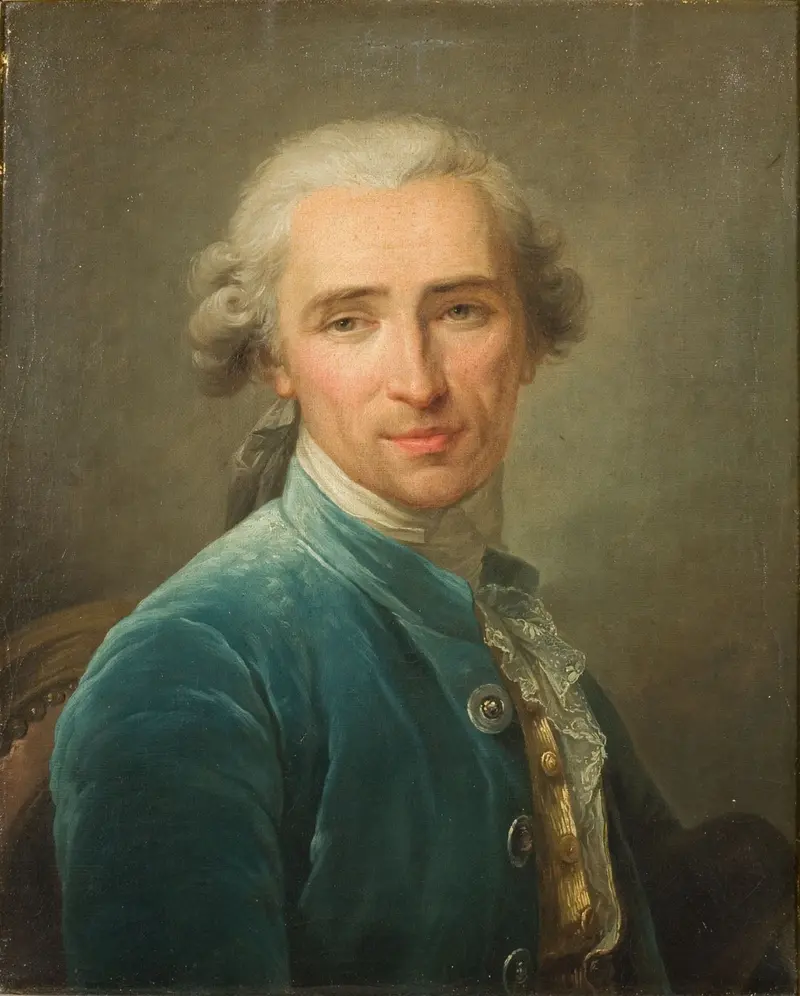
Portrait de Joseph Benoît Suvée
Adélaïde Labille-Guiard
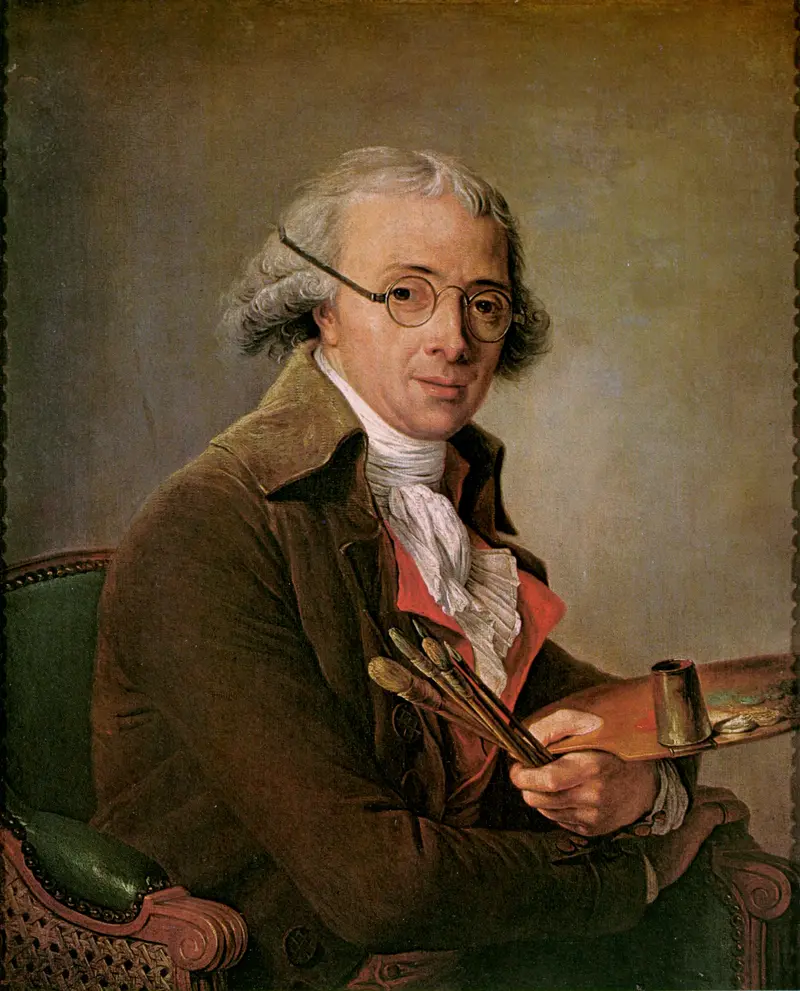
The Painter François-André Vincent
Adélaïde Labille-Guiard
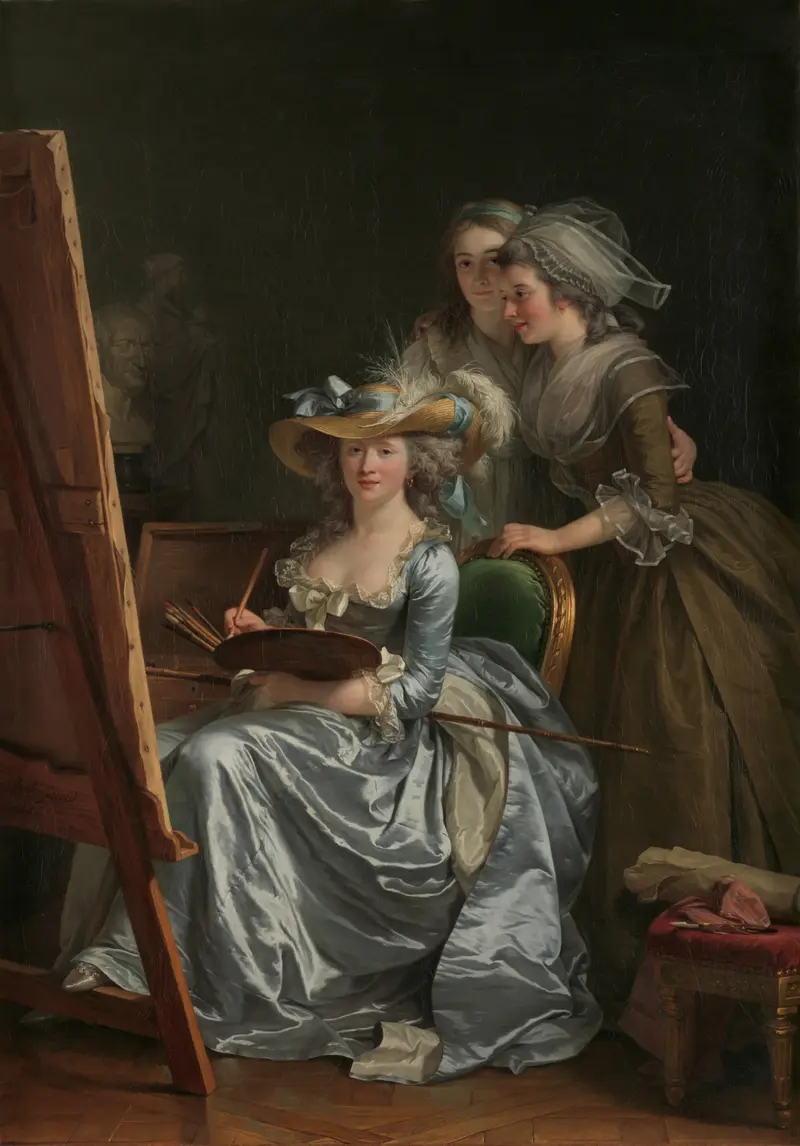
Self-Portrait with Two Pupils
Adélaïde Labille-Guiard
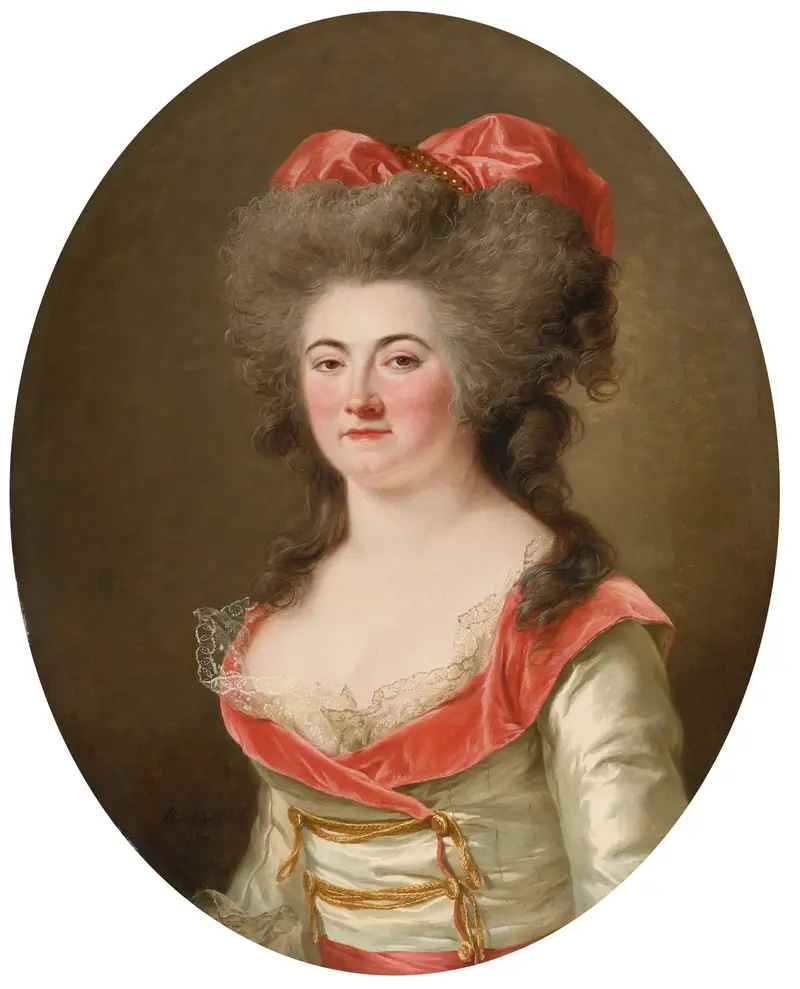
Portrait of a Lady
Adélaïde Labille-Guiard
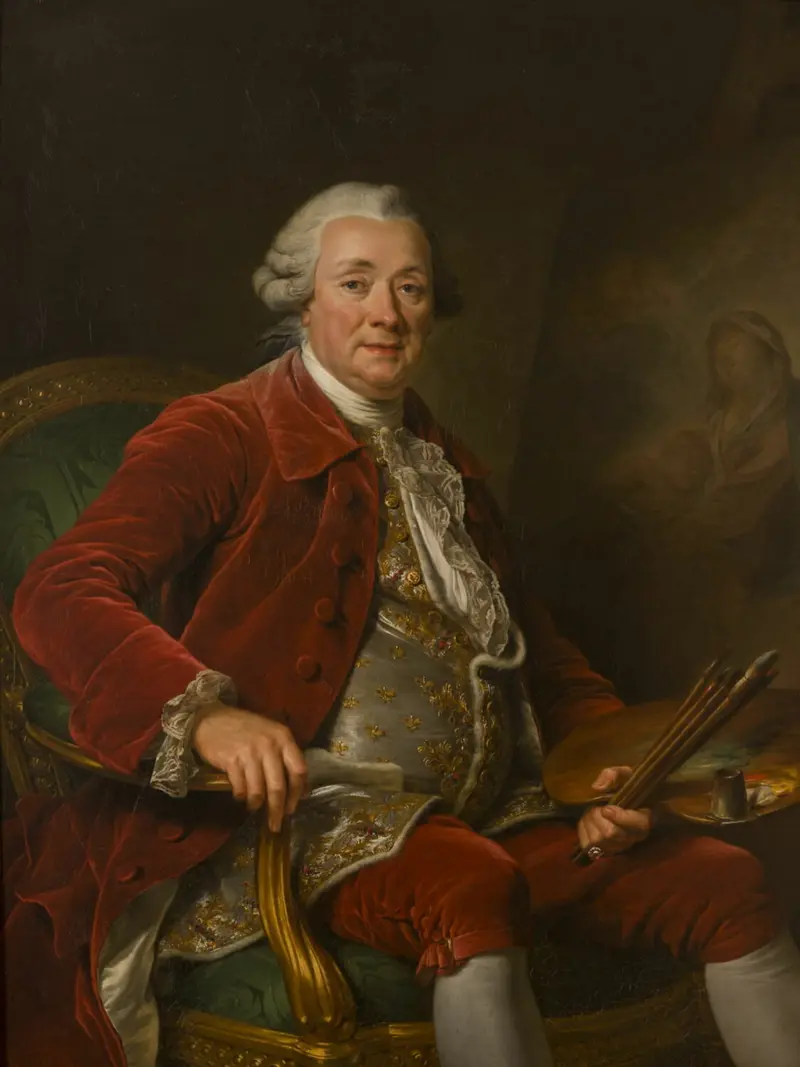
Portrait of Charles-Amédée-Philippe Van Loo
Adélaïde Labille-Guiard

Portrait of Elisabeth of France, Duchess of Parma (1727-1759)
Adélaïde Labille-Guiard
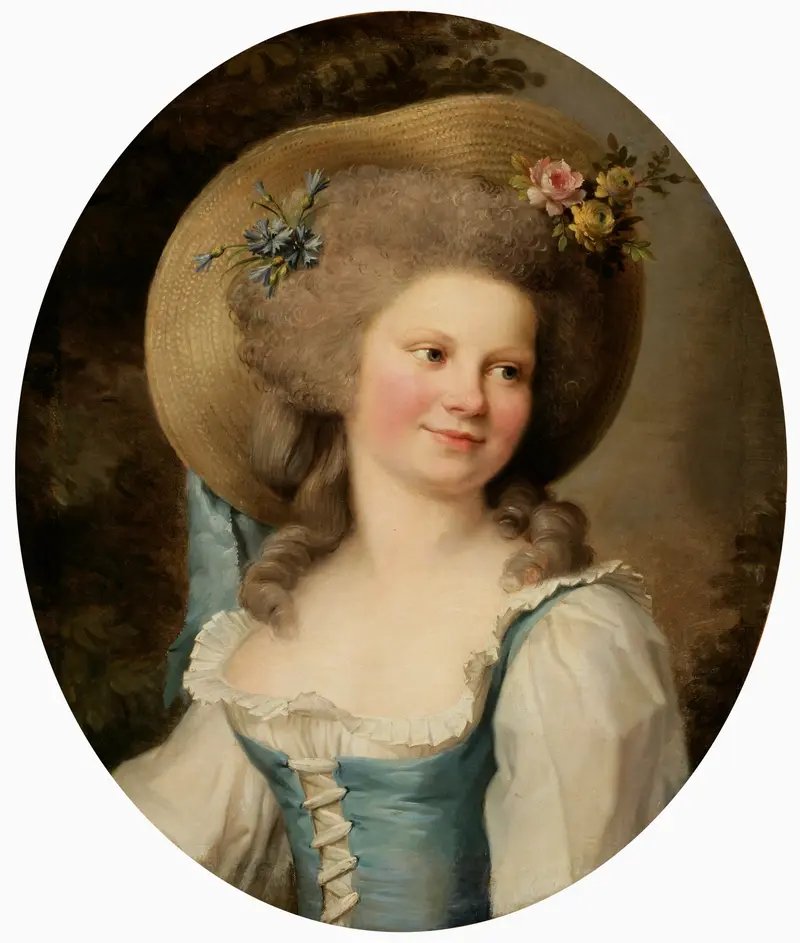
Mme Dugazon in the role of Babet
Adélaïde Labille-Guiard
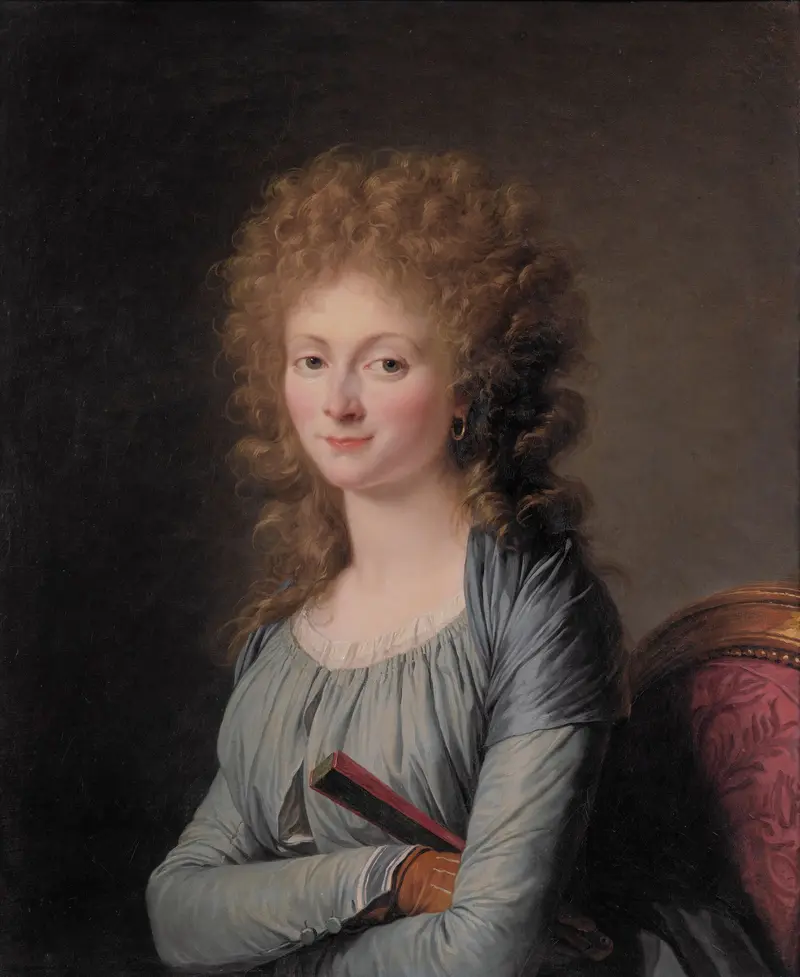
Portrait of Duchesse d'Aiguillon
Adélaïde Labille-Guiard
Monsieur Meunier
Adélaïde Labille-Guiard





