
The Parable Of The Lost Piece Of Silver — History & Facts
No other painting by Godfried Schalcken has sparked as much curiosity among scholars as The Parable Of The Lost Piece Of Silver. Although its date and original patron remain unknown, the work stands out for its rare subject: the parable told by Jesus in the Gospel of Luke, a theme far less common in Dutch Golden Age art than more familiar biblical scenes. The painting’s whereabouts were uncertain for much of the twentieth century, and its attribution to Schalcken was only firmly established after careful comparison with his signed candlelit interiors. At the heart of the canvas, a woman kneels on the floor, her face illuminated by the glow of a single candle as she searches intently for a lost coin.
This is the precise moment described in the parable, when the woman, having lost one of her ten silver pieces, lights a lamp and sweeps her house. The candle’s warm light, a signature device of Schalcken, draws the viewer’s eye to the woman’s anxious expression and the scattered coins on the ground, making the spiritual lesson—God’s joy at the repentance of a sinner—tangible and immediate. Unlike Rembrandt’s grand, shadowy treatments of biblical stories, Schalcken brings the narrative into a humble domestic interior, emphasizing the personal nature of redemption. The painting’s early history is obscure, but it likely originated in the Netherlands during the late seventeenth century, when Schalcken was celebrated for his mastery of candlelit scenes.
Over the centuries, its attribution was muddled, with some catalogues listing it as the work of a follower or imitator. Today, thanks to technical analysis and stylistic comparison, it is recognized as an authentic work by Schalcken and is held in a private collection. The painting is now seen as a testament to his ability to infuse everyday moments with moral and emotional depth, bridging the worlds of genre painting and biblical narrative.
More Artworks by Godfried Schalcken

Young Man and Woman Studying a Statue of Venus, by Lamplight
Godfried Schalcken

Portrait of an Artist in His Studio
Godfried Schalcken
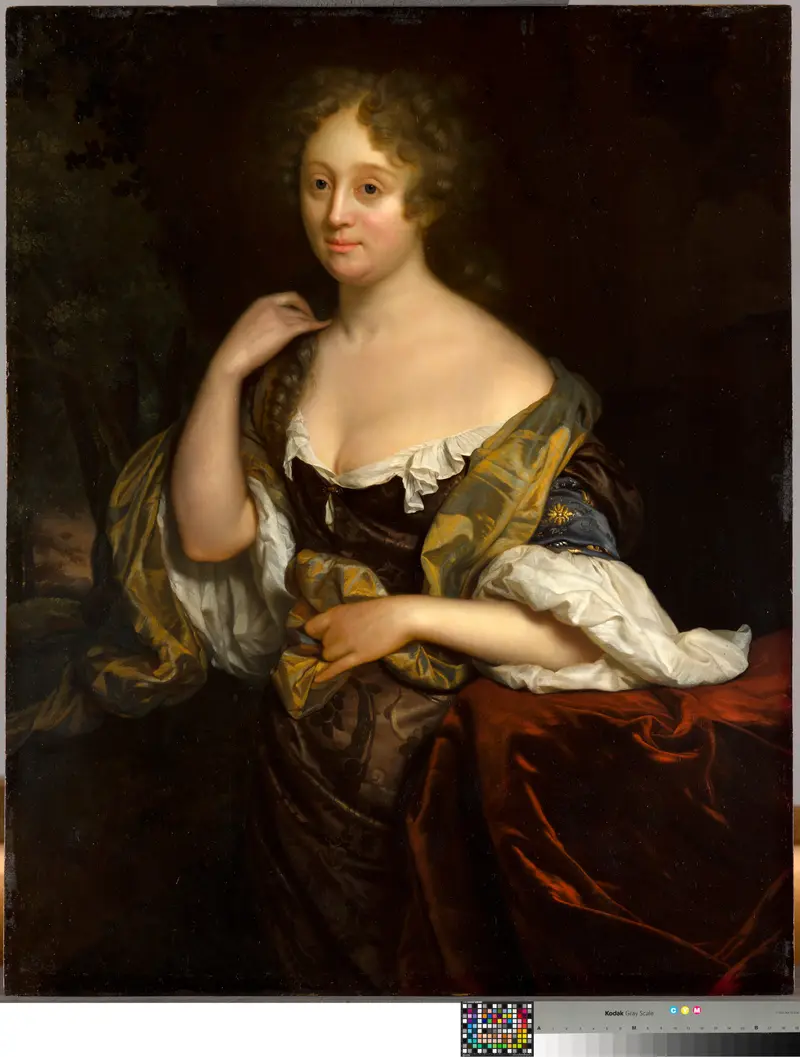
Portrait of Isabella Agneta Deutz
Godfried Schalcken
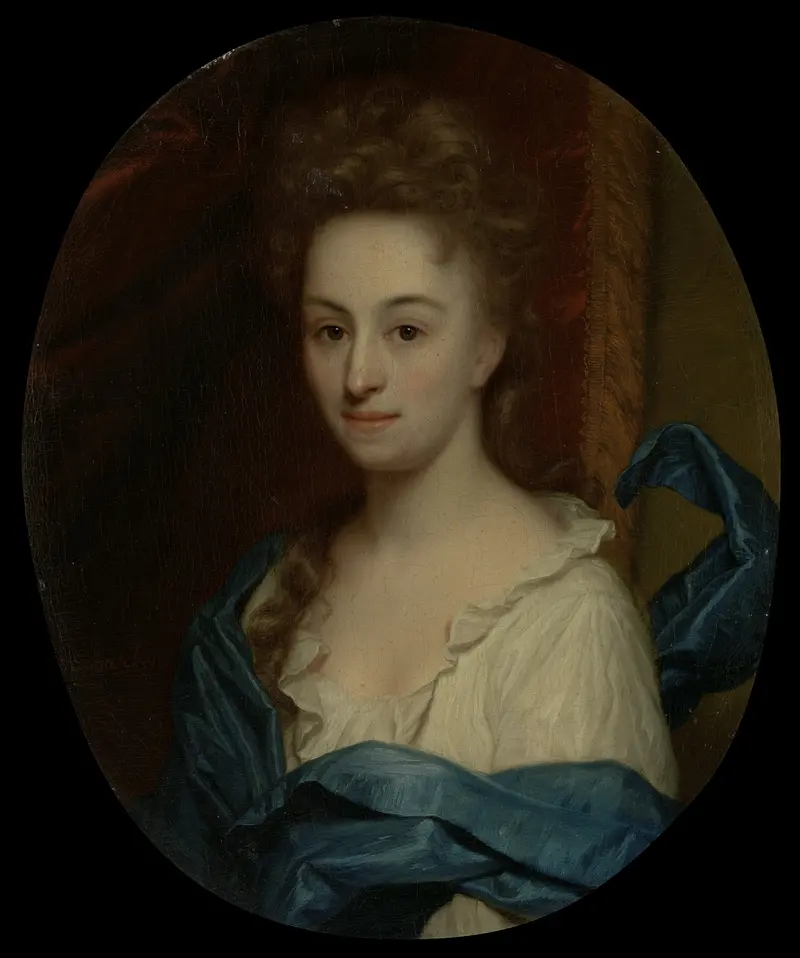
Portrait of Josina Clara van Citters (1671-1753), daughter of Josina Parduyn
Godfried Schalcken
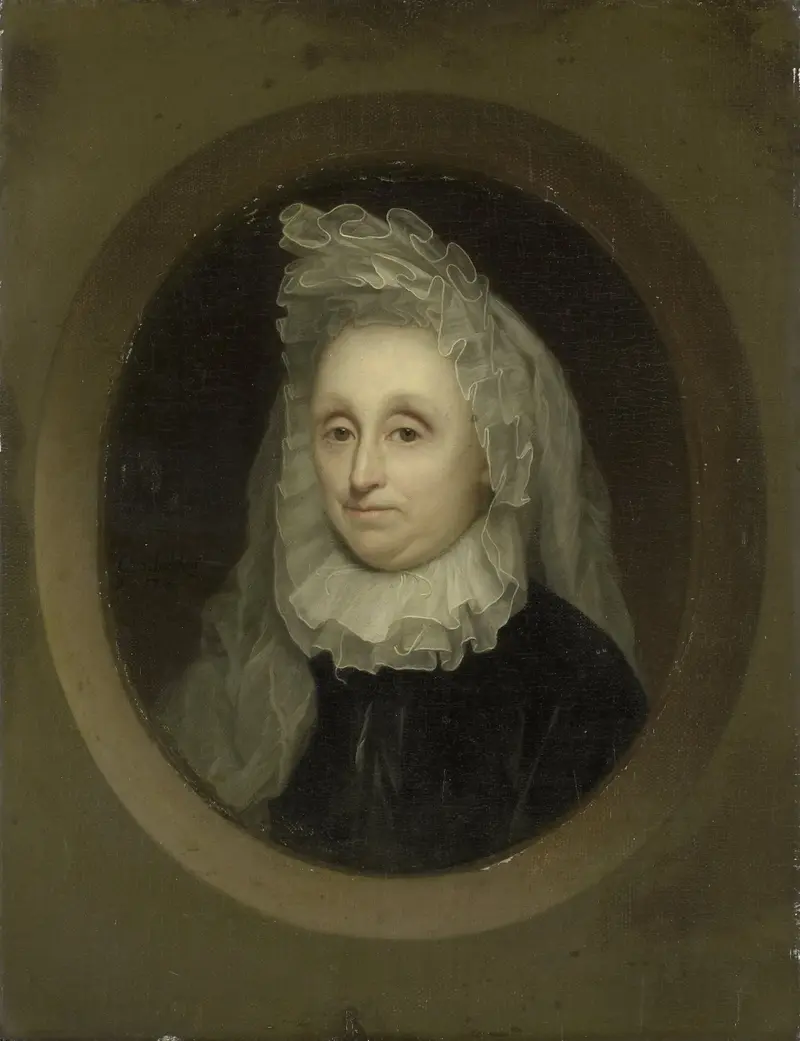
Portrait of Josnia Parduyn (1642-1718), second wife of Aernout van Citters
Godfried Schalcken
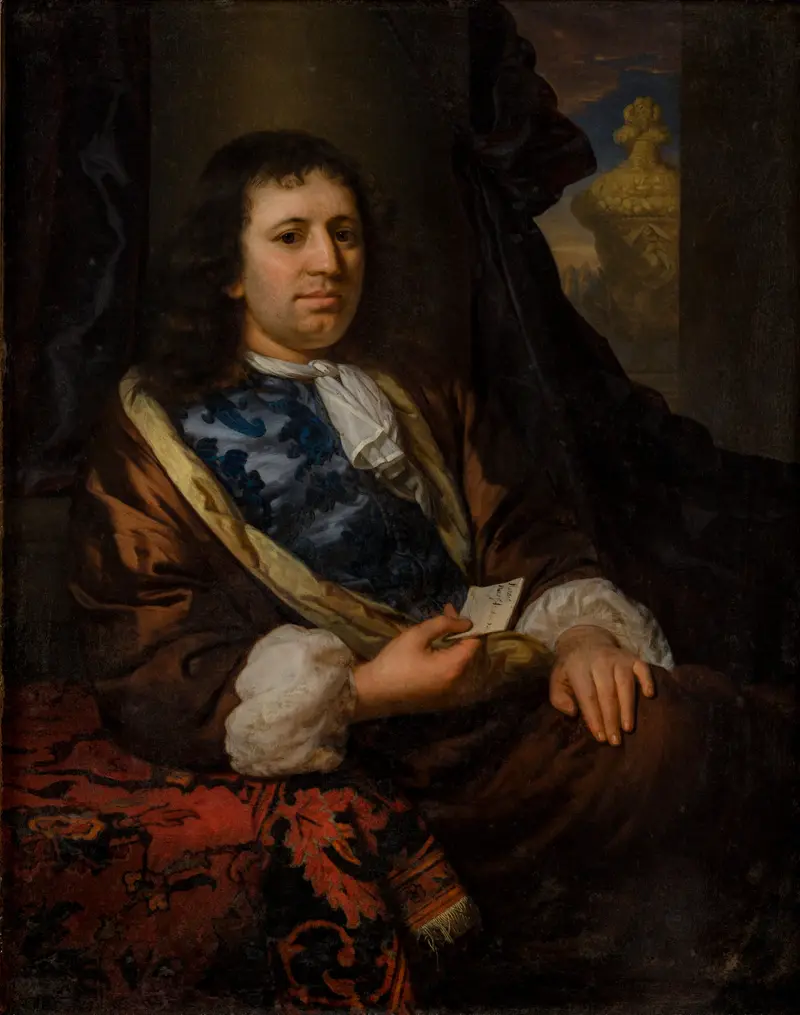
Portret van Johan de Bruin (1678-
Godfried Schalcken
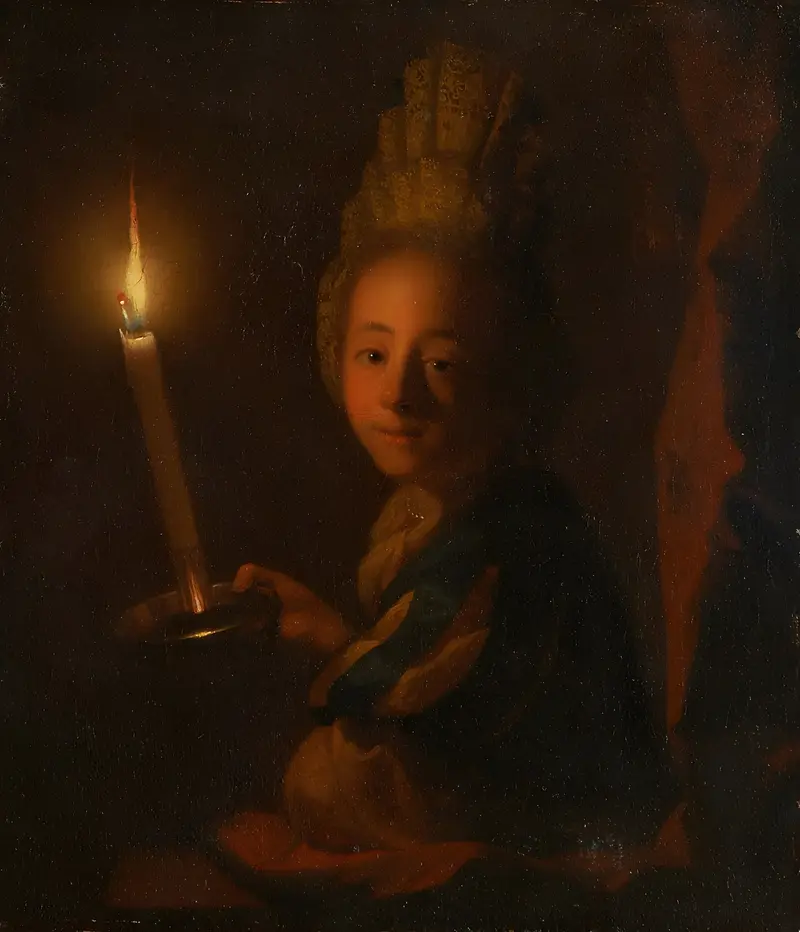
Girl with Burning Candle
Godfried Schalcken
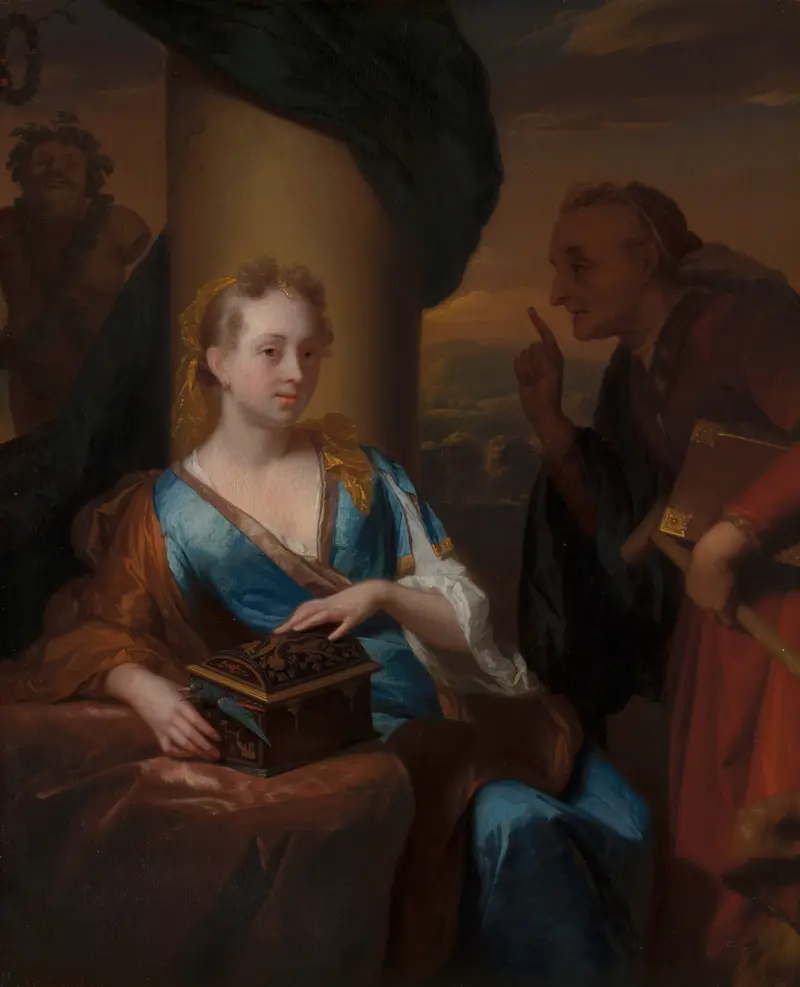
A Useless Moral Lesson
Godfried Schalcken
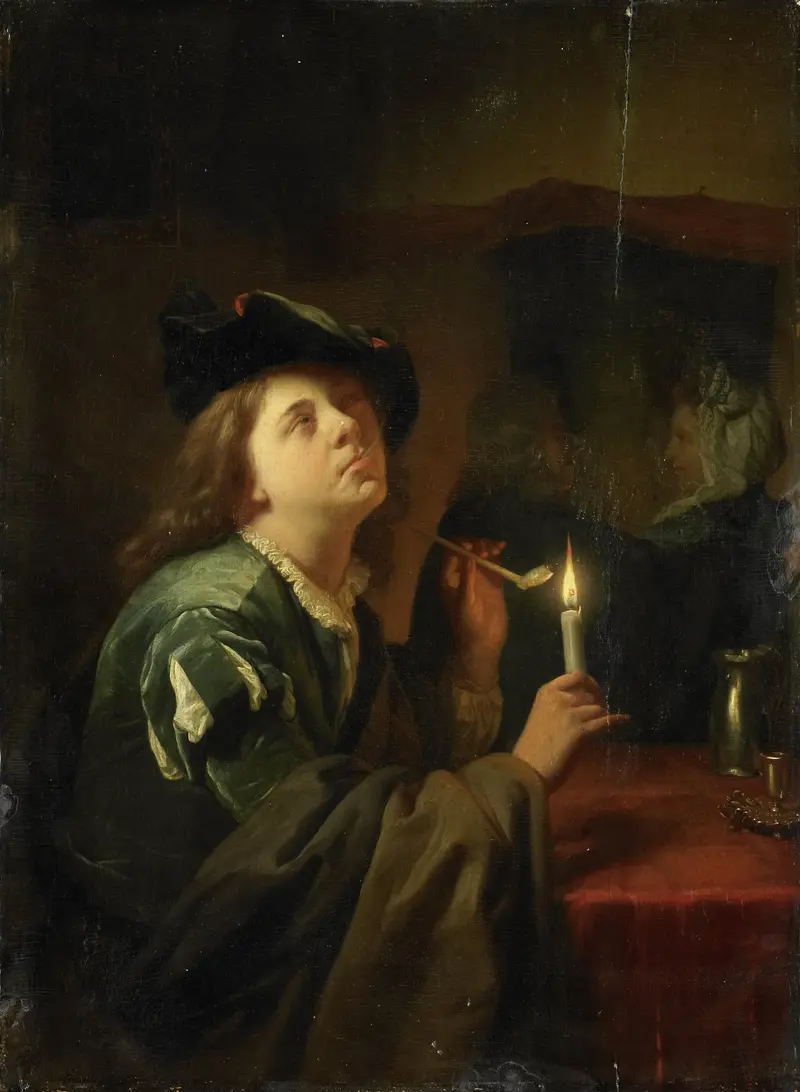
‘Differing tastes’
Godfried Schalcken
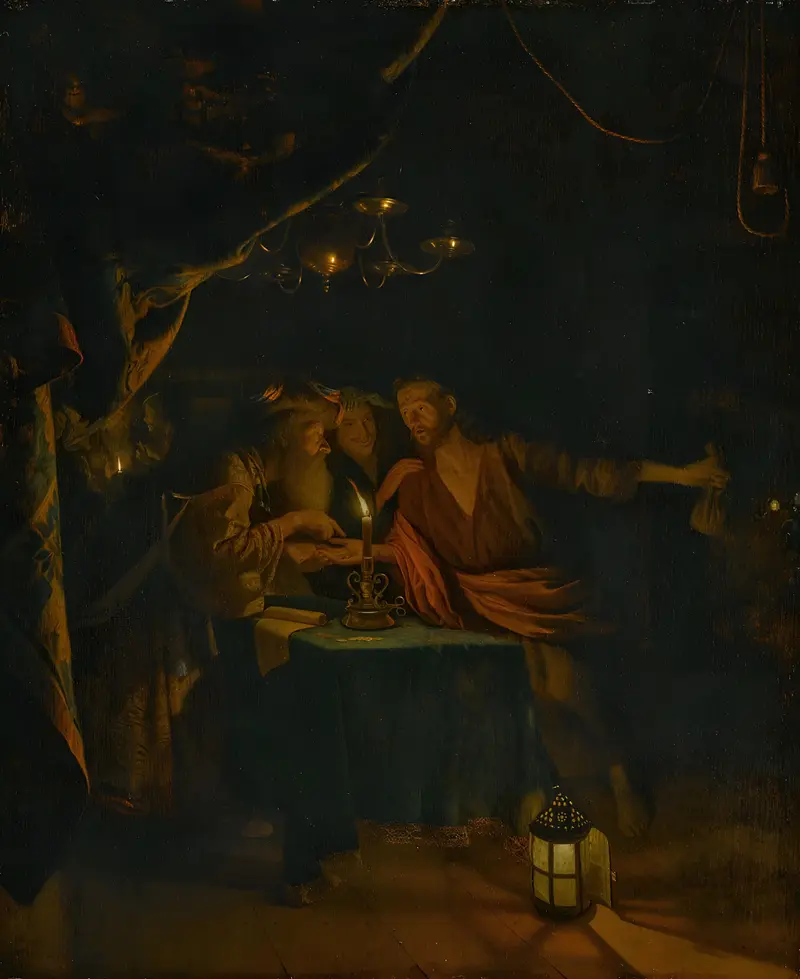
The betrayal of Judas
Godfried Schalcken





