
The Picnic — History & Facts
In The Picnic, the delicate balance between joy and melancholy is palpable, inviting us to ponder what lies beneath the surface of carefree moments. Look to the left at the vibrant greens of the lush grass, dotted with shadows that dance across the canvas—a testament to the sun filtering through the trees. Notice the figures, seemingly lost in laughter, yet their expressions hint at unspoken thoughts, perhaps a longing for something more. The warm palette, rich in yellows and soft browns, contrasts with the cool blues that play along the edges, creating a visual tension that echoes the emotional complexity of the scene. As you explore further, the juxtaposition of light and shadow becomes more pronounced.
The carefree poses of the picnickers are set against a backdrop of looming trees, suggestive of the weight of life’s realities that encircle them. Each element—a forgotten basket, a single flower—holds significance, whispering stories of joy intertwined with an underlying sadness, evoking a sense of nostalgia that resonates deeply within the viewer. During the early 20th century, when this piece was created, the artist was navigating the complexities of his own life and the rapidly changing world of art. Living in a time marked by modernism’s rise, Haskell sought to capture fleeting moments, likely reflecting on the transient nature of happiness.
This painting, completed between 1900 and 1925, serves as both a celebration and a meditation on the ephemeral nature of life itself.
More Artworks by Ernest Haskell
Browse all →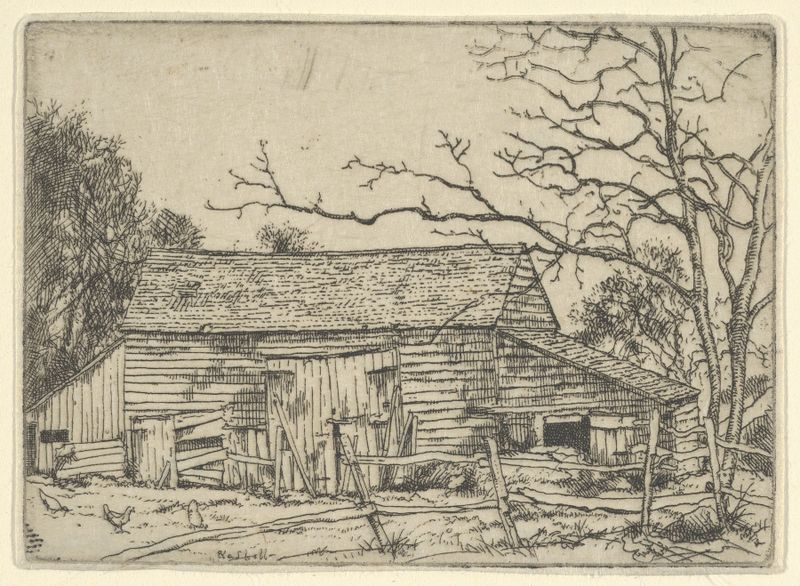
The Barn–Staten Island, N.Y.
Ernest Haskell

Four Live Oaks
Ernest Haskell
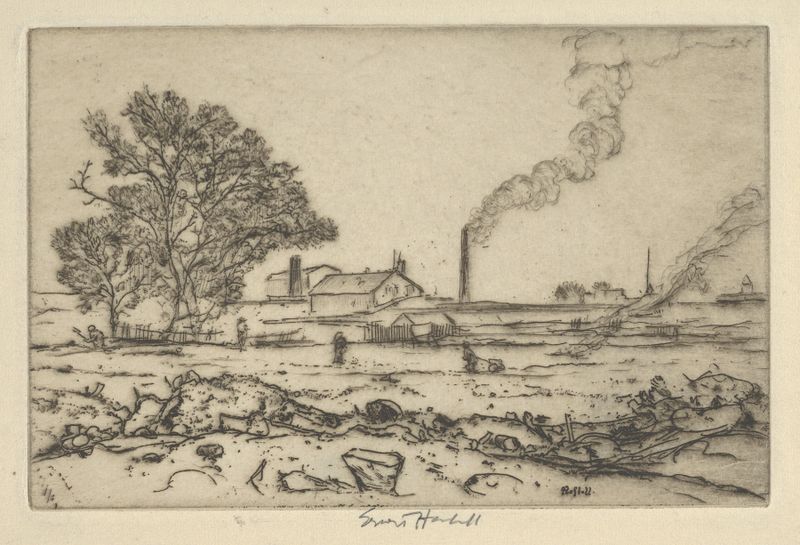
Outskirts of Boston
Ernest Haskell
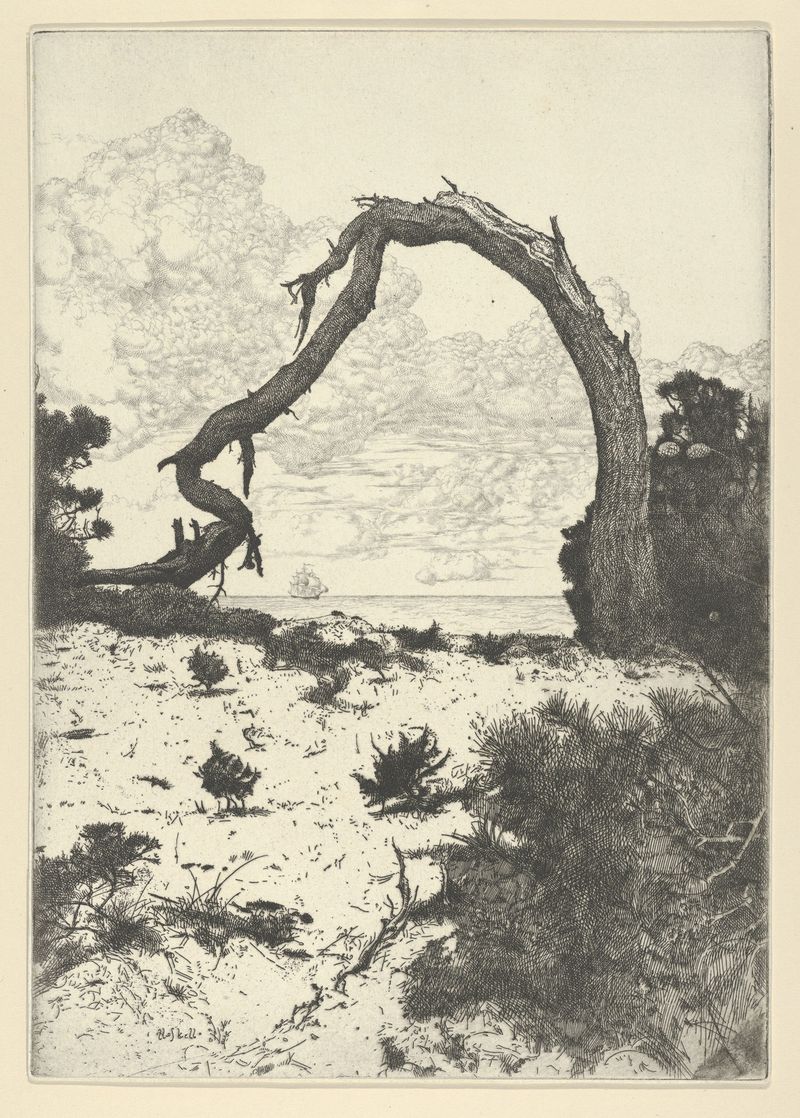
Pine Arch
Ernest Haskell

General Sherman
Ernest Haskell
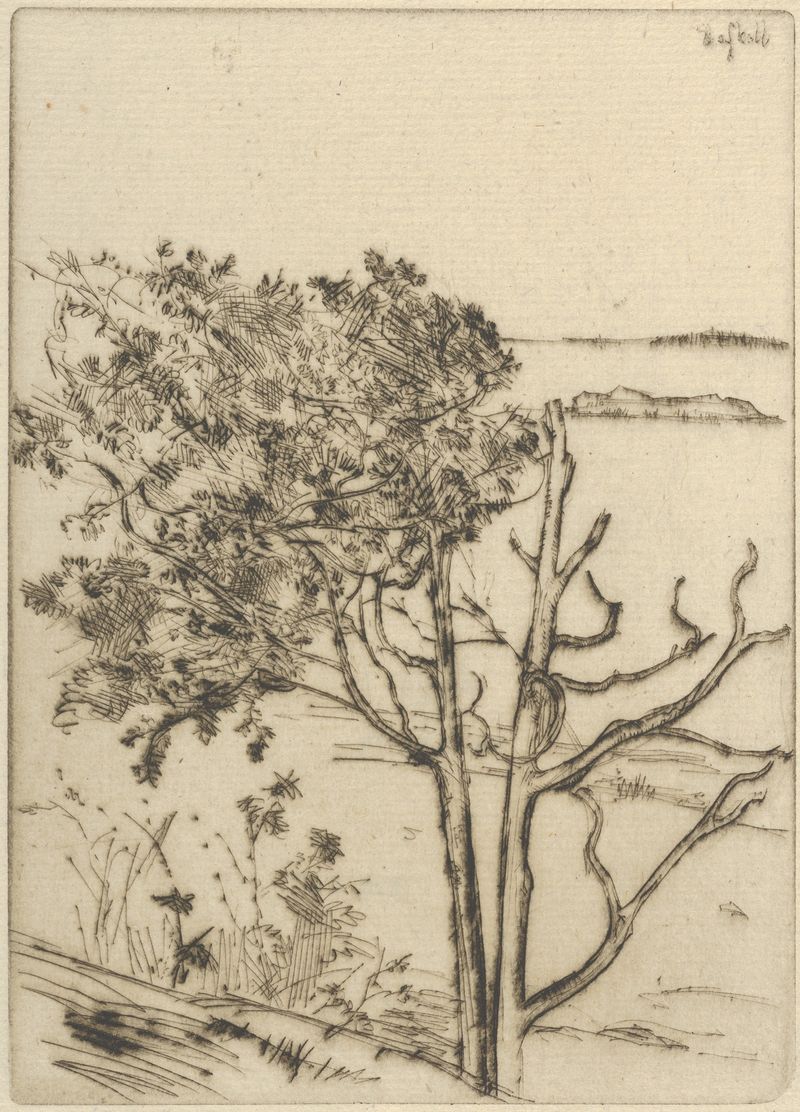
Ragged Tree – Maine
Ernest Haskell

Tide Mill
Ernest Haskell

Ship Building
Ernest Haskell
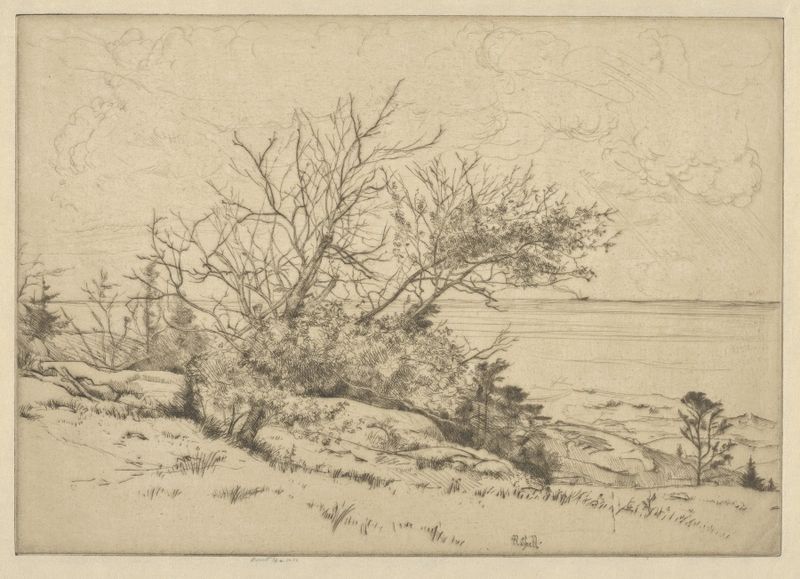
To the Southward – Ragged Island, Me.
Ernest Haskell
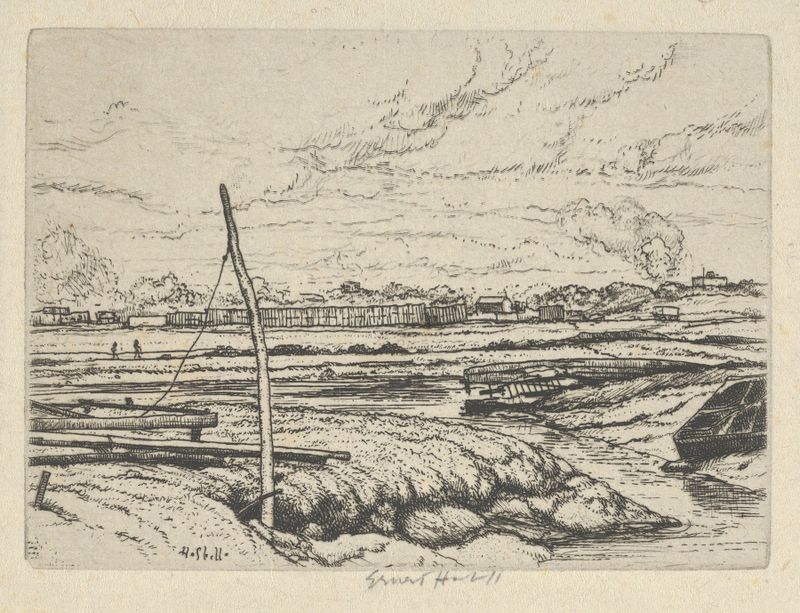
Long Island Marshes
Ernest Haskell





