
The Pont de la Concorde, Paris — History & Facts
In the midst of urban chaos, a bridge stretches across the Seine, enveloped in a moment of serene contemplation. The canvas pulsates with energy, yet there lies an overwhelming stillness, as if time itself took a breath, caught between the vibrant hues of the city and the quiet whispers of the water below. Look to the center of the painting, where the Pont de la Concorde rises majestically, its structure deftly rendered with a palette of blues and earthy tones. Flanking the bridge, the surrounding buildings seem alive, their facades catching the light in various states of reflection.
Notice how the artist’s brushwork contrasts the smoothness of the bridge’s arches with the more chaotic, textured strokes that depict the bustling city. The interplay of light creates a captivating depth, drawing the eye along the flowing river toward the horizon. Delving deeper, one can perceive the underlying tension between chaos and tranquility. The surrounding colors pulsate with excitement, evoking the vibrant life of Paris, while the bridge stands as a steadfast symbol of connection and stability amidst the urban frenzy.
This duality speaks to the viewer about the constant dance between order and disorder, urging one to ponder the balance of life in a bustling metropolis. In 1925, Vignal painted this work during a period of significant change in Paris, marked by post-war cultural rebirth. The city was vibrant with artistic innovation, as movements like Impressionism and Art Deco flourished. Vignal was influenced by this dynamic atmosphere, capturing the essence of a city alive with energy while reflecting on the complexity of human experience through his unique lens.
More Artworks by Pierre Vignal
Browse all →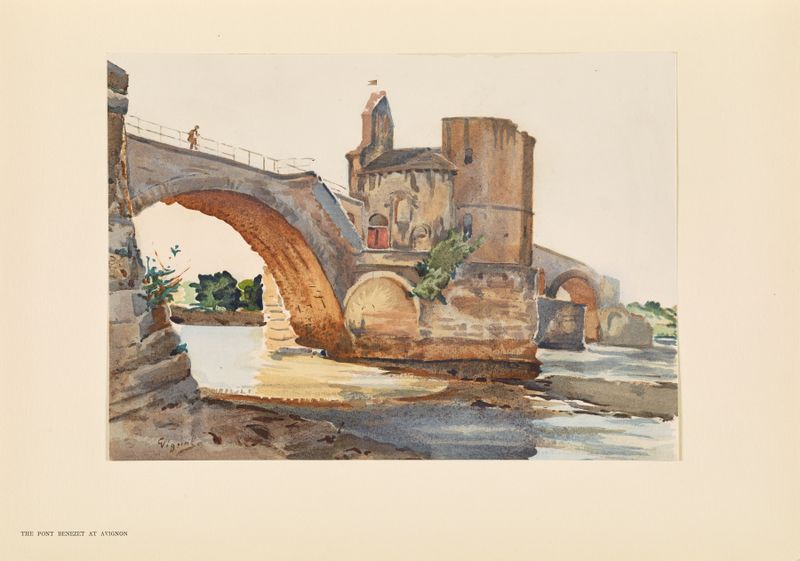
The Pont Saint-Bénézet, Avignon
Pierre Vignal
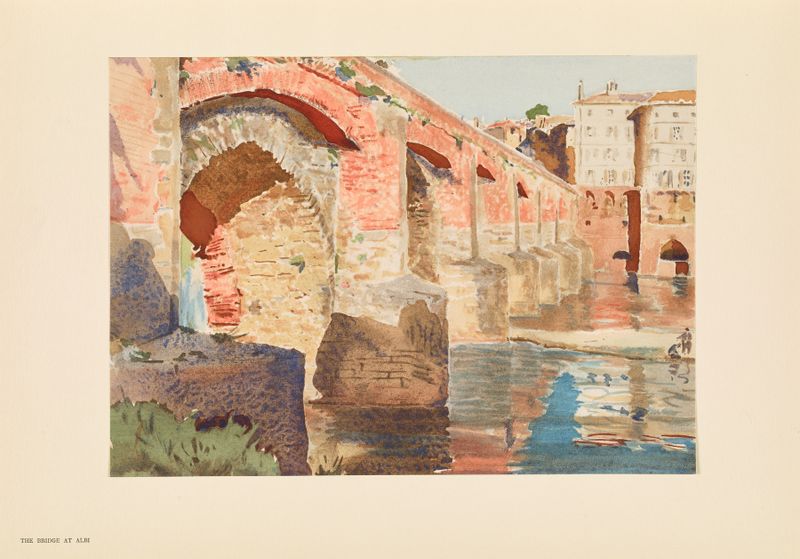
The bridge at Albi
Pierre Vignal

The bridge at Céret
Pierre Vignal
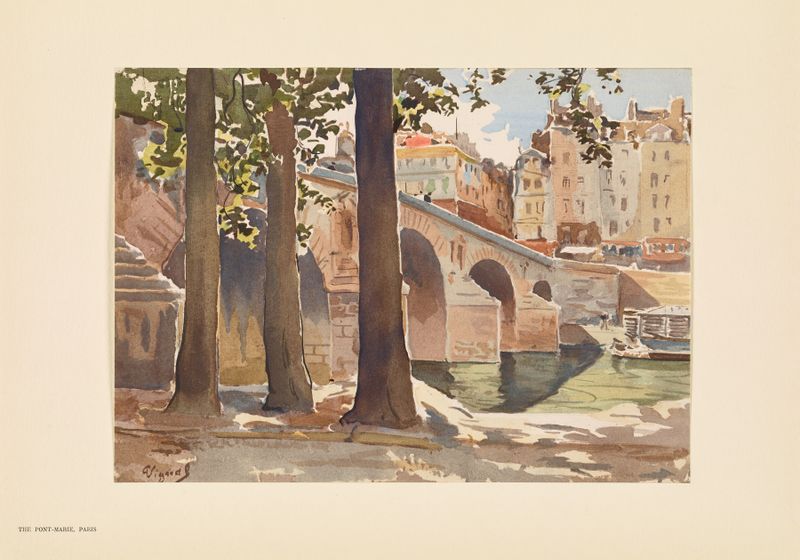
The Pont-Marie, Paris
Pierre Vignal
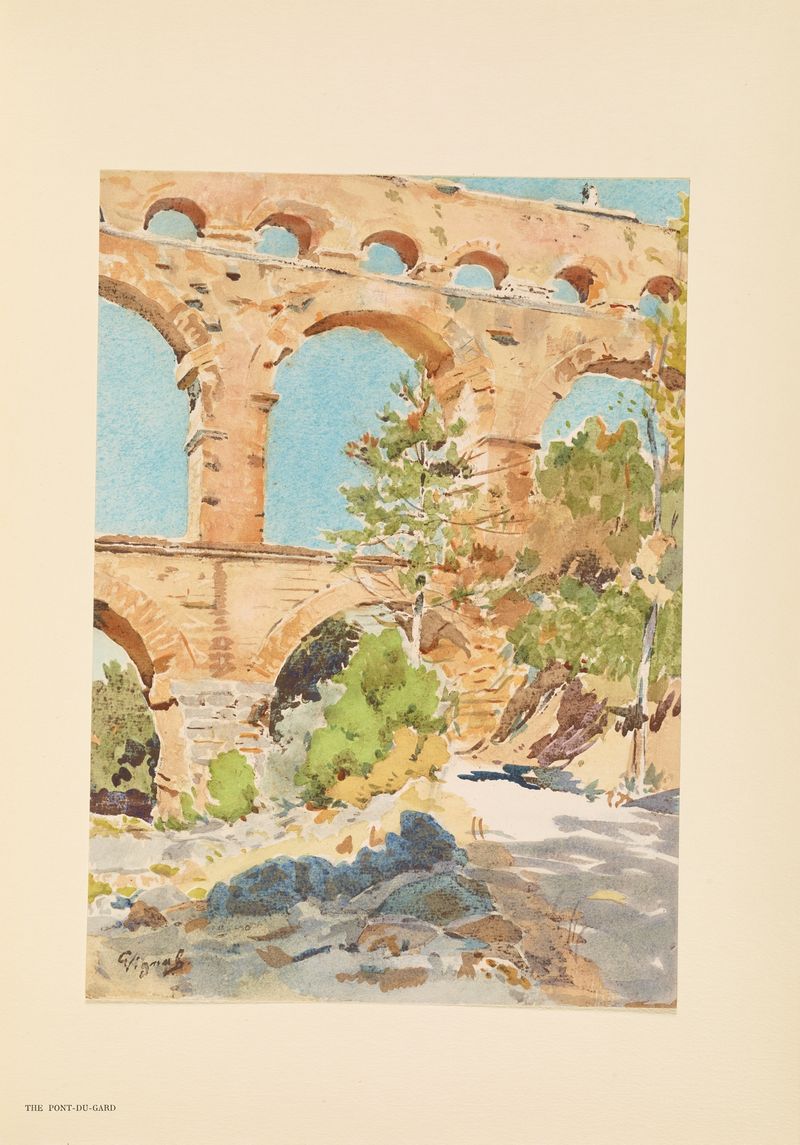
The Pont du Gard
Pierre Vignal
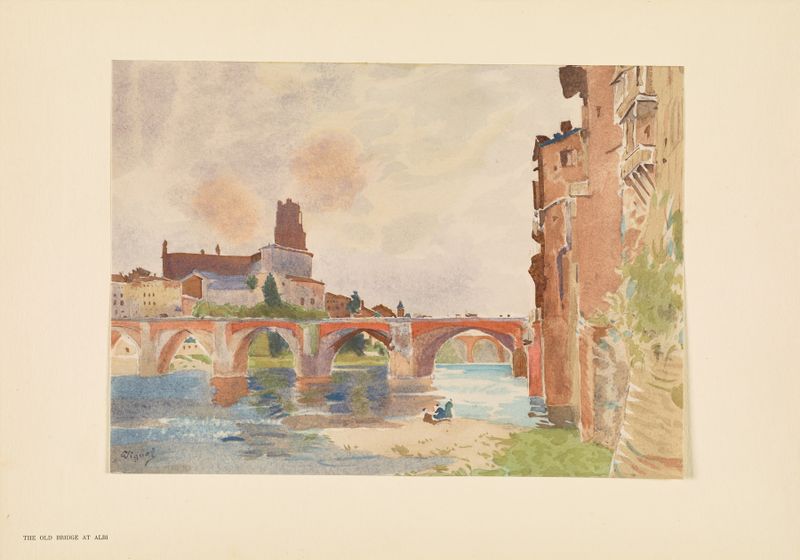
The old bridge at Albi
Pierre Vignal
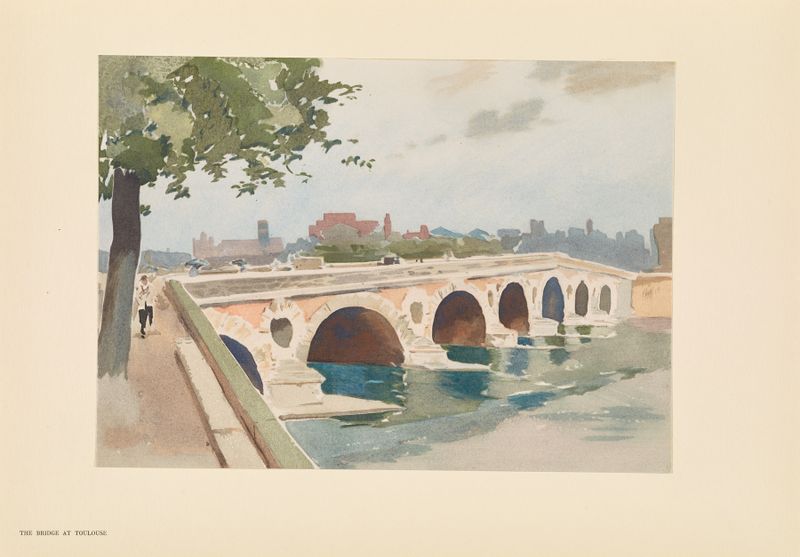
The bridge at Toulouse
Pierre Vignal

The bridge at Lavaur
Pierre Vignal
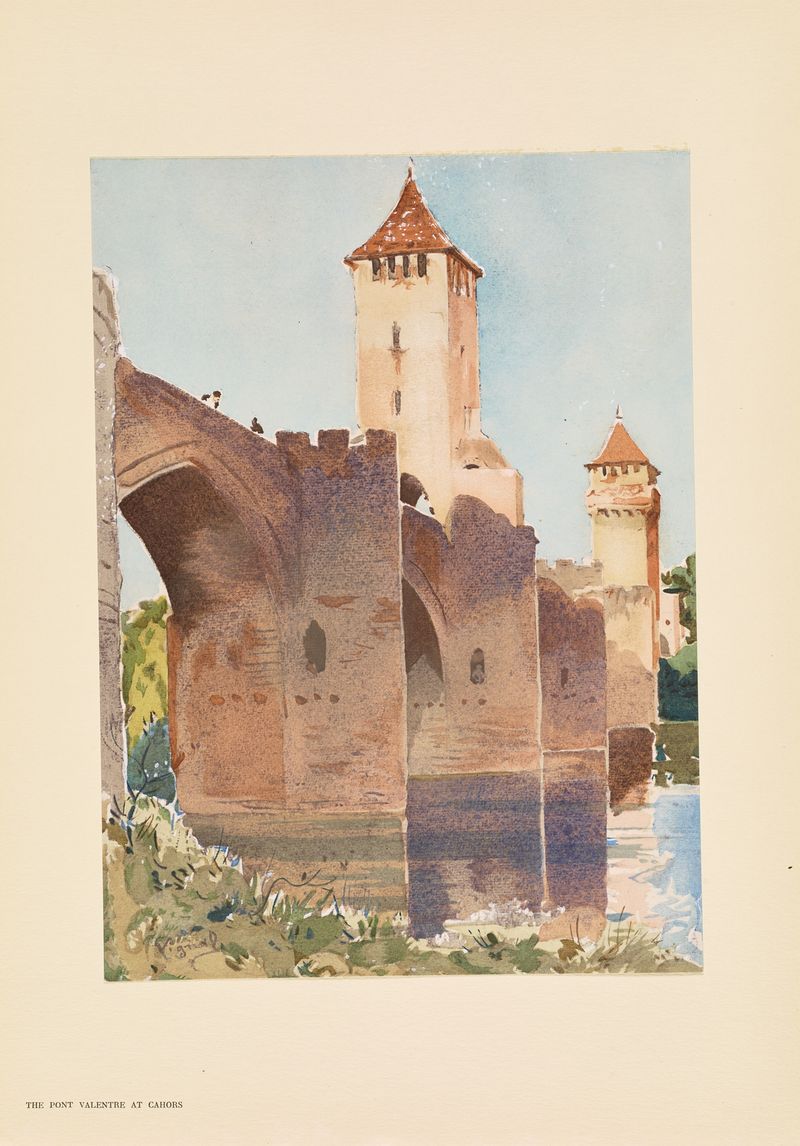
The Pont Valentré, Cahors
Pierre Vignal
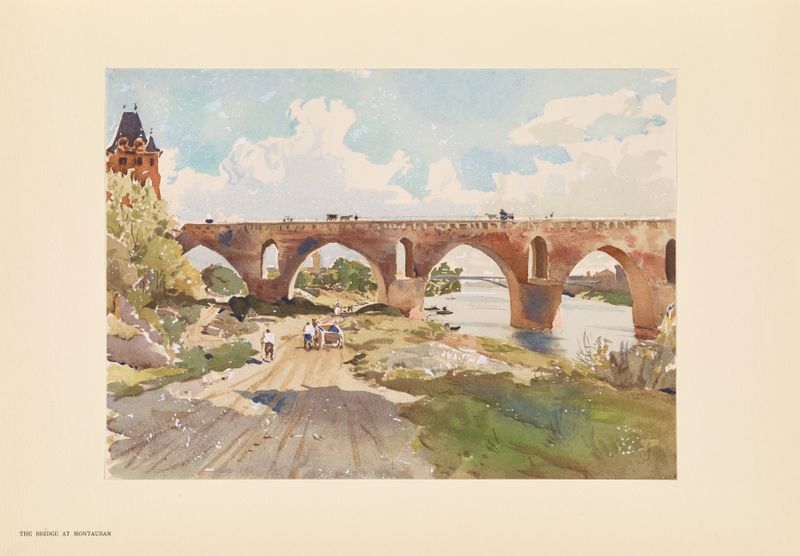
The bridge at Montauban
Pierre Vignal





