
The Prodigal Son — History & Facts
Where does light end, and longing begin? In the depths of human experience, the space between joy and sorrow often holds the most profound truths. Look to the left at the figure of the returning son, his posture emanating both vulnerability and relief. The way the light captures his weary face reveals the emotional weight of regret and reconciliation. Notice the dark, shadowy tones that envelop the background, contrasting sharply with the warm glow that illuminates him, symbolizing hope emerging from despair.
This careful play of light and shadow enhances the painting’s depth, drawing the viewer into the intimate moment of familial reunion. As you explore further, consider the subtle details: the father’s outstretched arms, laden with both forgiveness and a hint of hesitation, create a silent tension that resonates deeply. The emptiness surrounding them speaks volumes about the past—the years lost, the pain endured. The interplay of colors suggests a longing for connection that transcends mere physical presence, emphasizing the emotional distance that can exist even in closeness.
Each brushstroke conjures a world filled with unspoken emotions and the complexities of human relationships. Alphonse Legros painted this poignant work during a period of great change in the art world, around 1857 to 1911. Living in France amidst the rise of modernity, he was influenced by both the traditional and the avant-garde, blending them to explore themes of human experience. This painting reflects not only his mastery of technique but also his deep understanding of the emotional landscapes inherent in personal narratives, making it a significant piece of his oeuvre.
More Artworks by Alphonse Legros
Browse all →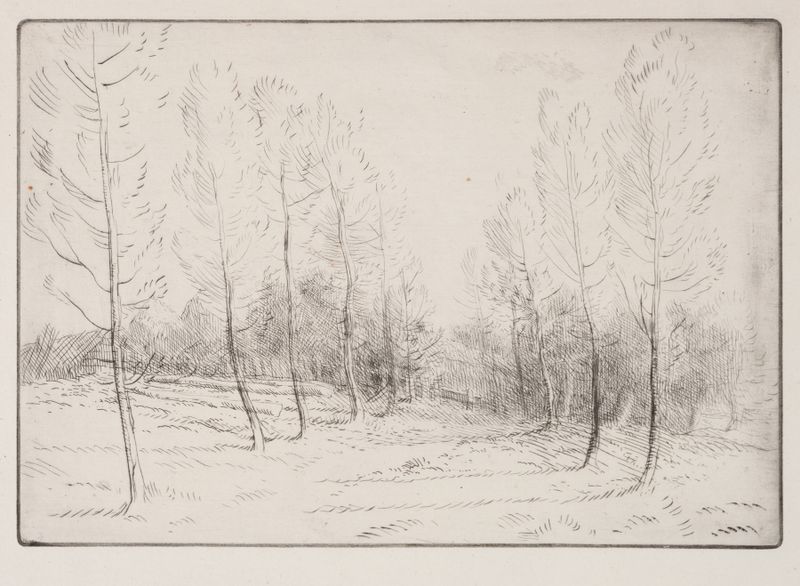
Avenue of Poplars
Alphonse Legros
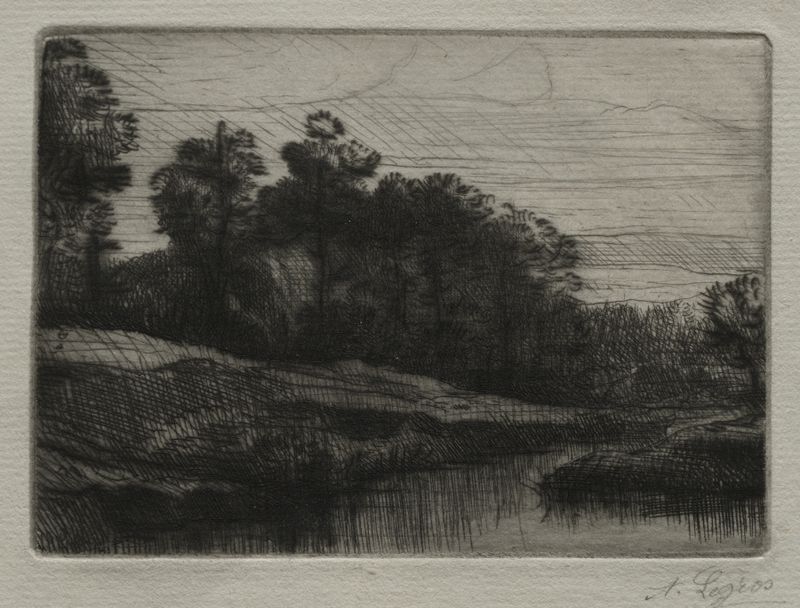
Evening
Alphonse Legros

The Fish in the Hoop Net
Alphonse Legros

The Little Beggar
Alphonse Legros
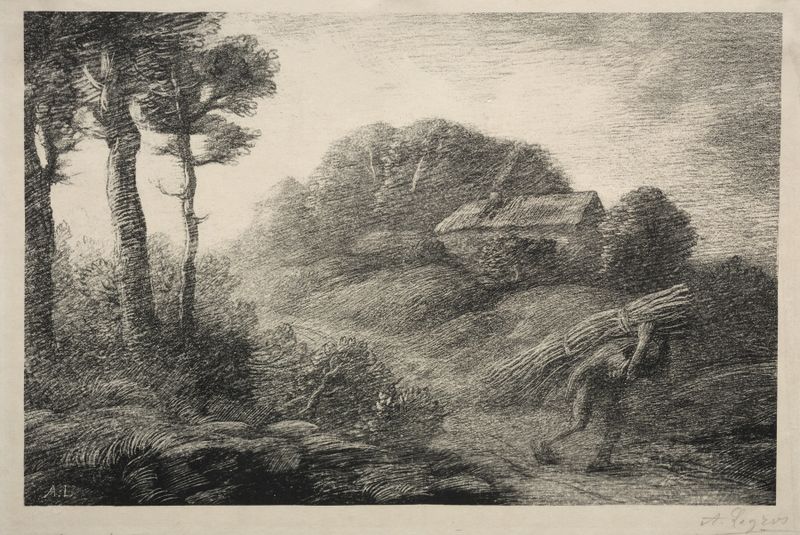
The Return of the Fagot Gatherer
Alphonse Legros

Storm
Alphonse Legros
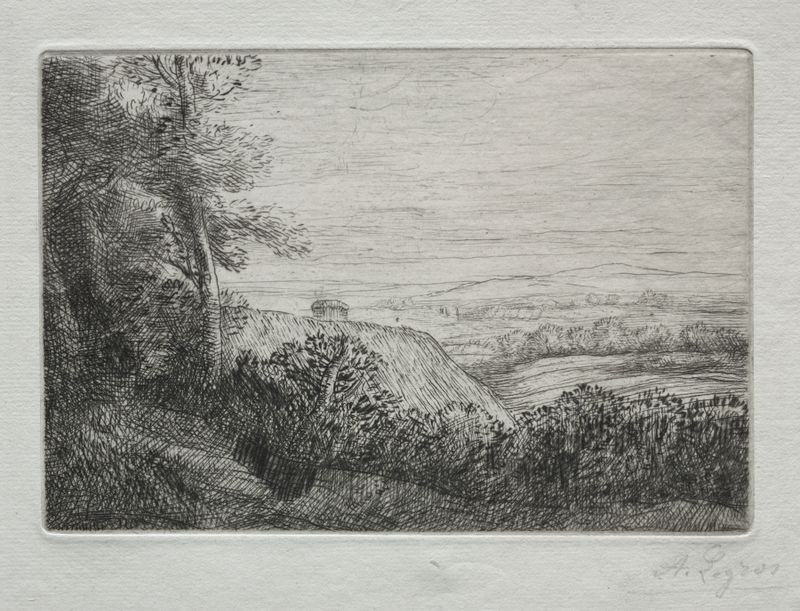
Les dernière Rayons de Soleil
Alphonse Legros
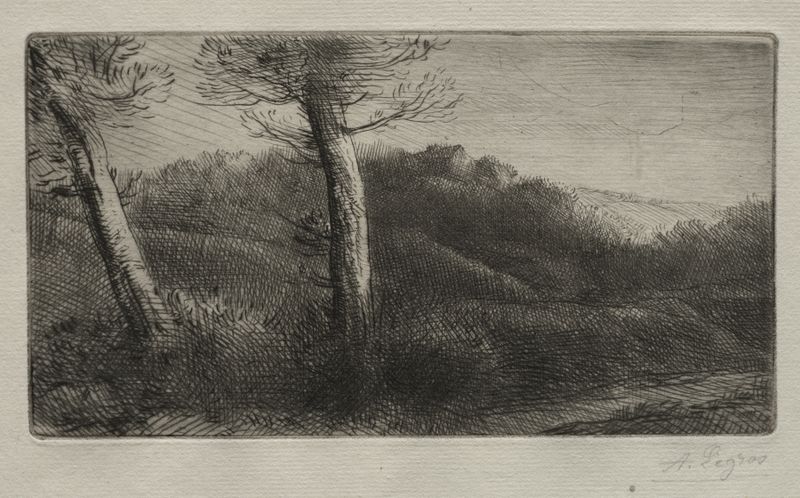
The Traveler Stretched out on the Grass
Alphonse Legros
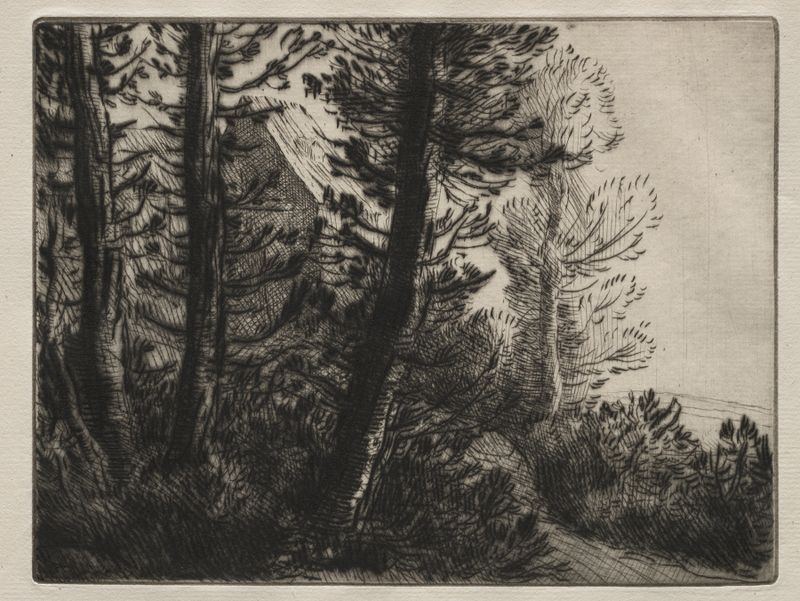
Guard House
Alphonse Legros

Death of a Vagabond
Alphonse Legros
More Religious Art
Browse all →
The Return of the Prodigal Son
Rembrandt van Rijn

The Garden of Earthly Delights
El Bosco

Count Orgaz’ funeral
El Greco

The Hundred Guilder Print: the central piece with Christ preaching, the plate arched
Rembrandt van Rijn

The Descent from the Cross
Rogier van der Weyden

The return of the prodigal son
Rembrandt van Rijn