
The Quarry — History & Facts
A world of labor unfolds beneath a sky swollen with light—The Quarry by Abraham Jansz. Begeyn draws the viewer into the restless industry of stonecutters at work. The eye is led first to the figures scattered across the terraced face of the quarry, each absorbed in their task: chiseling, measuring, resting, or conferring in small groups.
The golden afternoon sun rakes across the rock, catching on the pale stone blocks and illuminating the dust that settles on every surface. Horses wait patiently beside heavy carts, their presence a reminder of the muscle and movement required to turn raw earth into building blocks for a growing world. The composition’s gentle sweep from shadowed foreground to sunlit heights gives the scene a sense of steady progress, while the distant hills and drifting birds suggest a world beyond the quarry’s edge. Painted in 1660, this work belongs to a moment when Dutch artists were fascinated by the daily realities of work and landscape.
In the seventeenth century, scenes of labor like this one were often commissioned by merchants or landowners eager to celebrate the prosperity and industriousness of their time. Begeyn, known for his landscapes and animal studies, here captures not just the toil but the rhythm and order of communal effort. The genre of the quarry scene, though less common than the bustling port or the tranquil pasture, speaks to the era’s pride in transformation—of nature, of cities, of fortunes.
History has kept few traces of this painting’s early journey or its patrons, but its vision of purposeful human activity remains immediate; each tool, gesture, and block of stone invites us to imagine the world these workers are building, one cut at a time.
More Artworks by Abraham Jansz. Begeyn

Landscape with people and cattle
Abraham Jansz. Begeyn
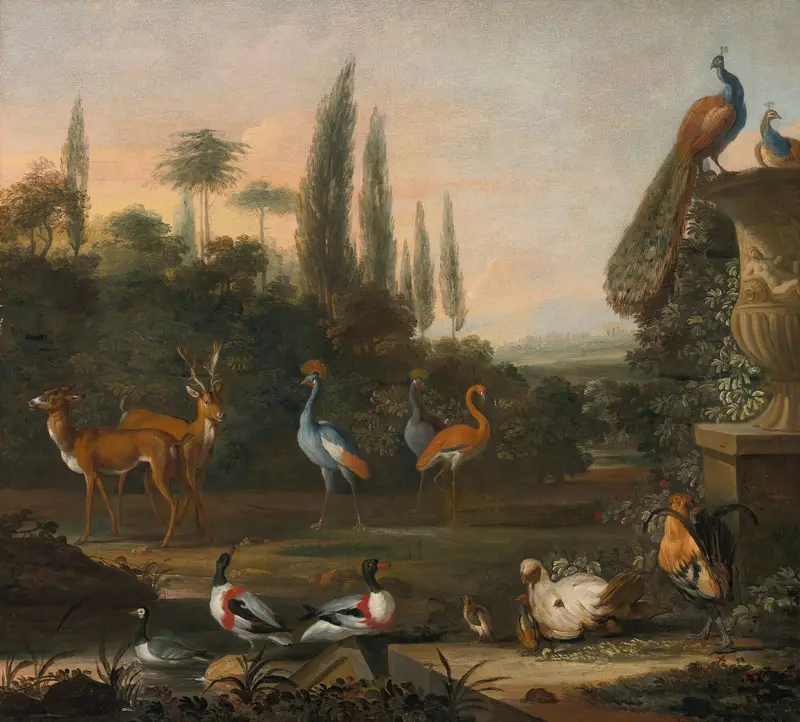
Landscape with deer and exotic birds
Abraham Jansz. Begeyn
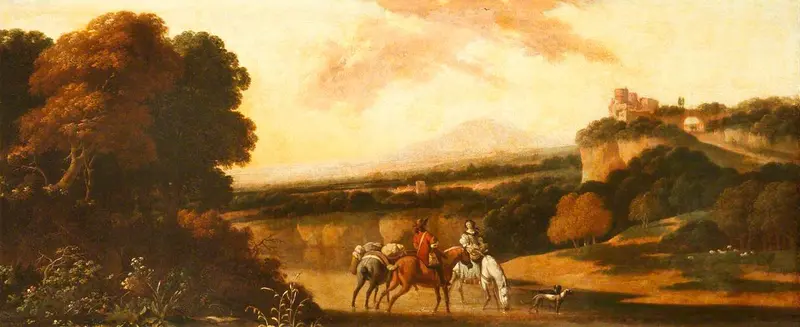
Landscape with Travellers
Abraham Jansz. Begeyn
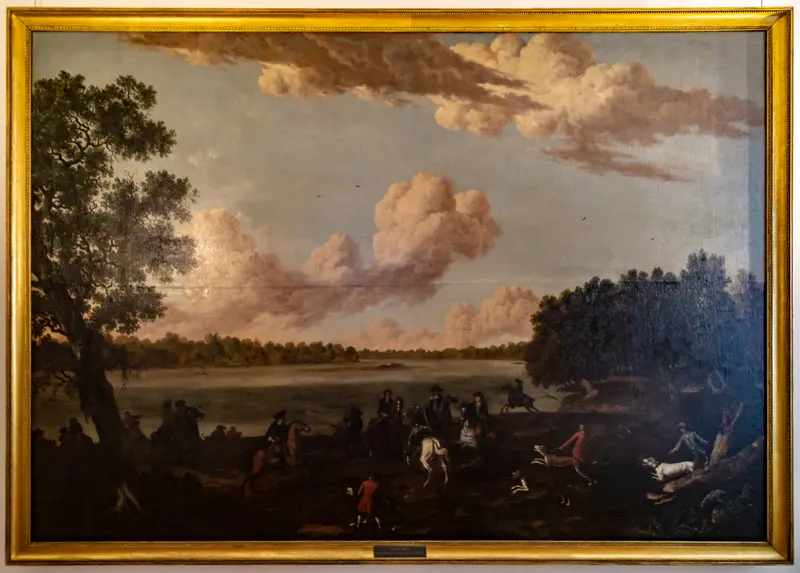
Prince Elector Frederick III of Prussia hunting at the Havel
Abraham Jansz. Begeyn
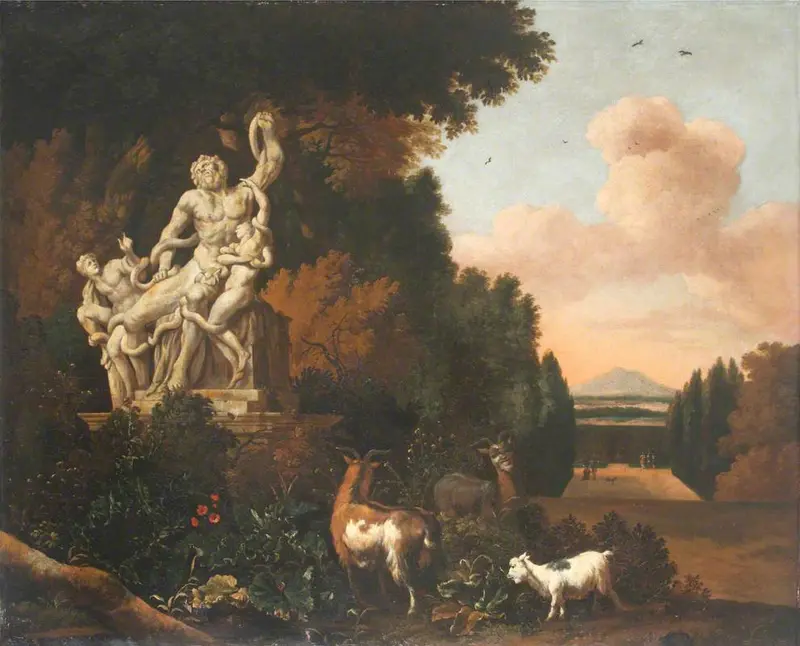
Landscape with Goats and a Statue of Laocoön
Abraham Jansz. Begeyn
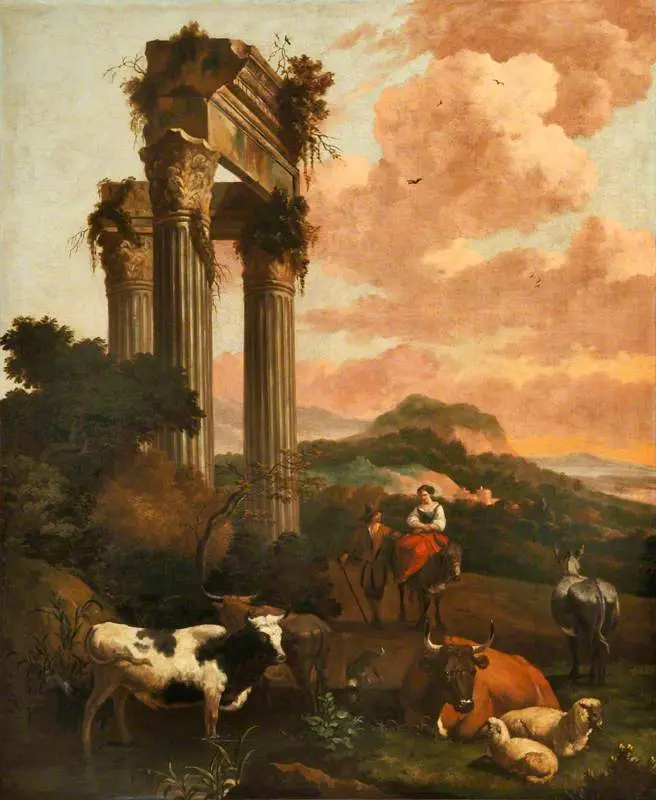
Landscape with Figures, Cattle and Sheep among Classical Ruins
Abraham Jansz. Begeyn
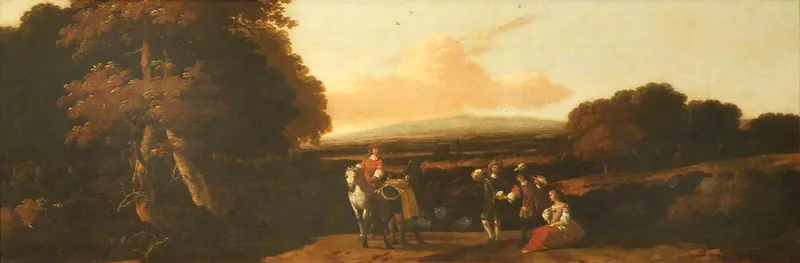
Landscape with Figures on a Road
Abraham Jansz. Begeyn
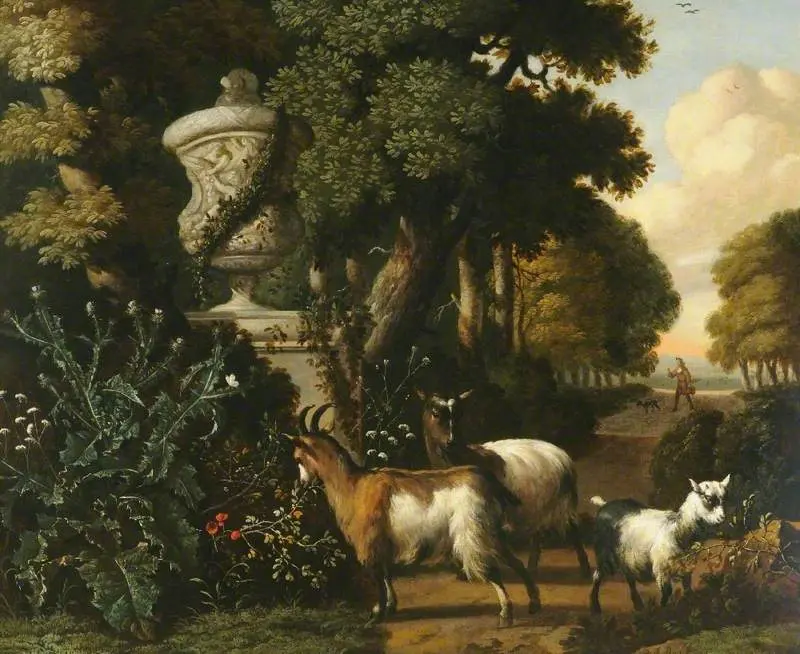
Landscape with Goats
Abraham Jansz. Begeyn
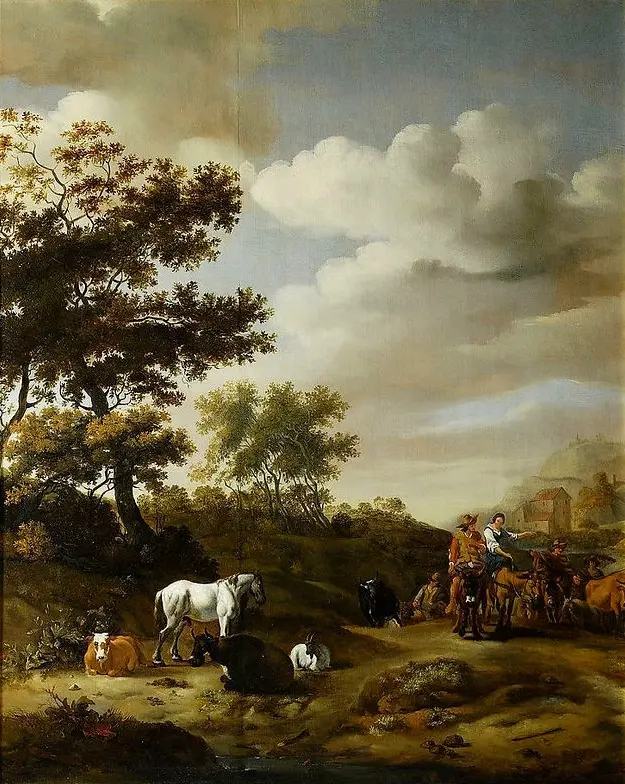
Landscape with travelers and cattle.
Abraham Jansz. Begeyn
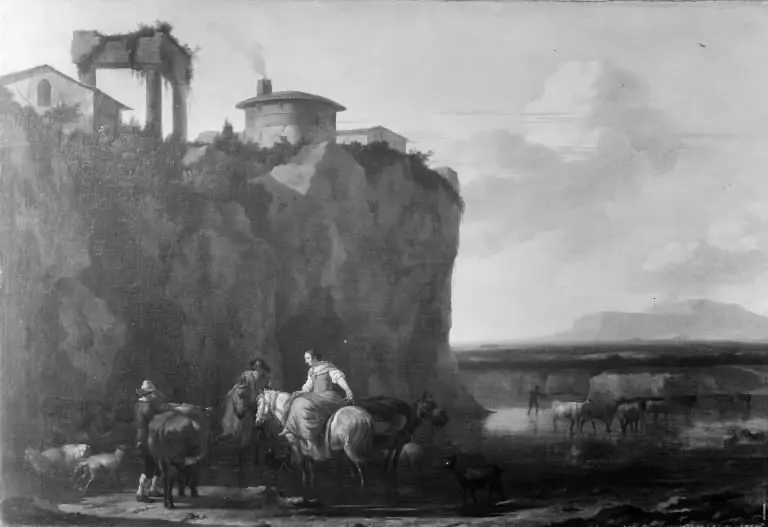
The Ford
Abraham Jansz. Begeyn
More Landscape Art

The Starry Night
Vincent van Gogh

View of Delft
Johannes Vermeer

Water Lilies
Claude Monet

The Grand Canal, Venice, looking north-west from the Ca' Corner to the Ca' Contarini degli Scrigni, with the campanile of Santa Maria della Carità
Canaletto

Windsor Castle
Canaletto

The Grand Canal looking North-East from the Palazzo Dolfin-Manin to the Rialto Bridge
Canaletto