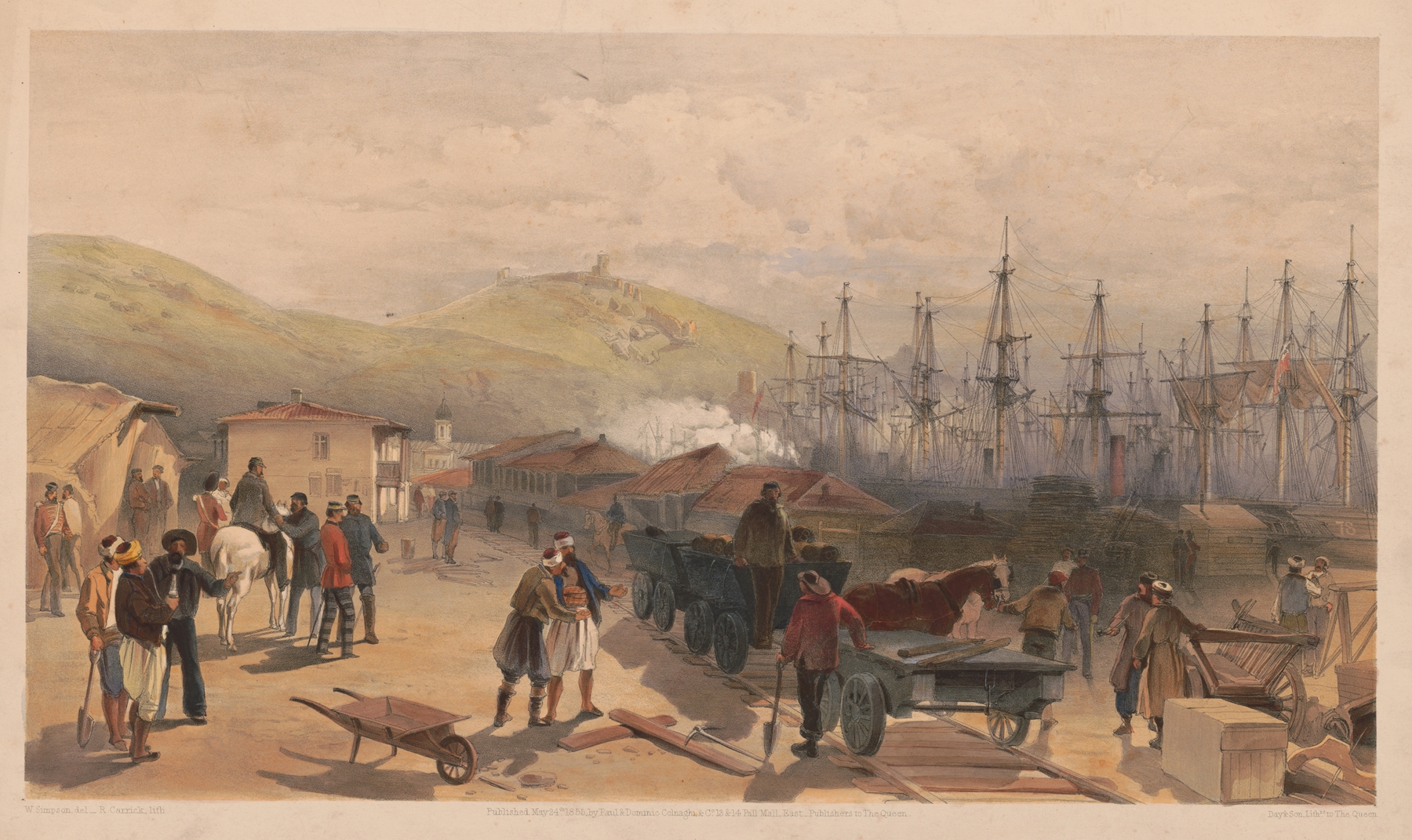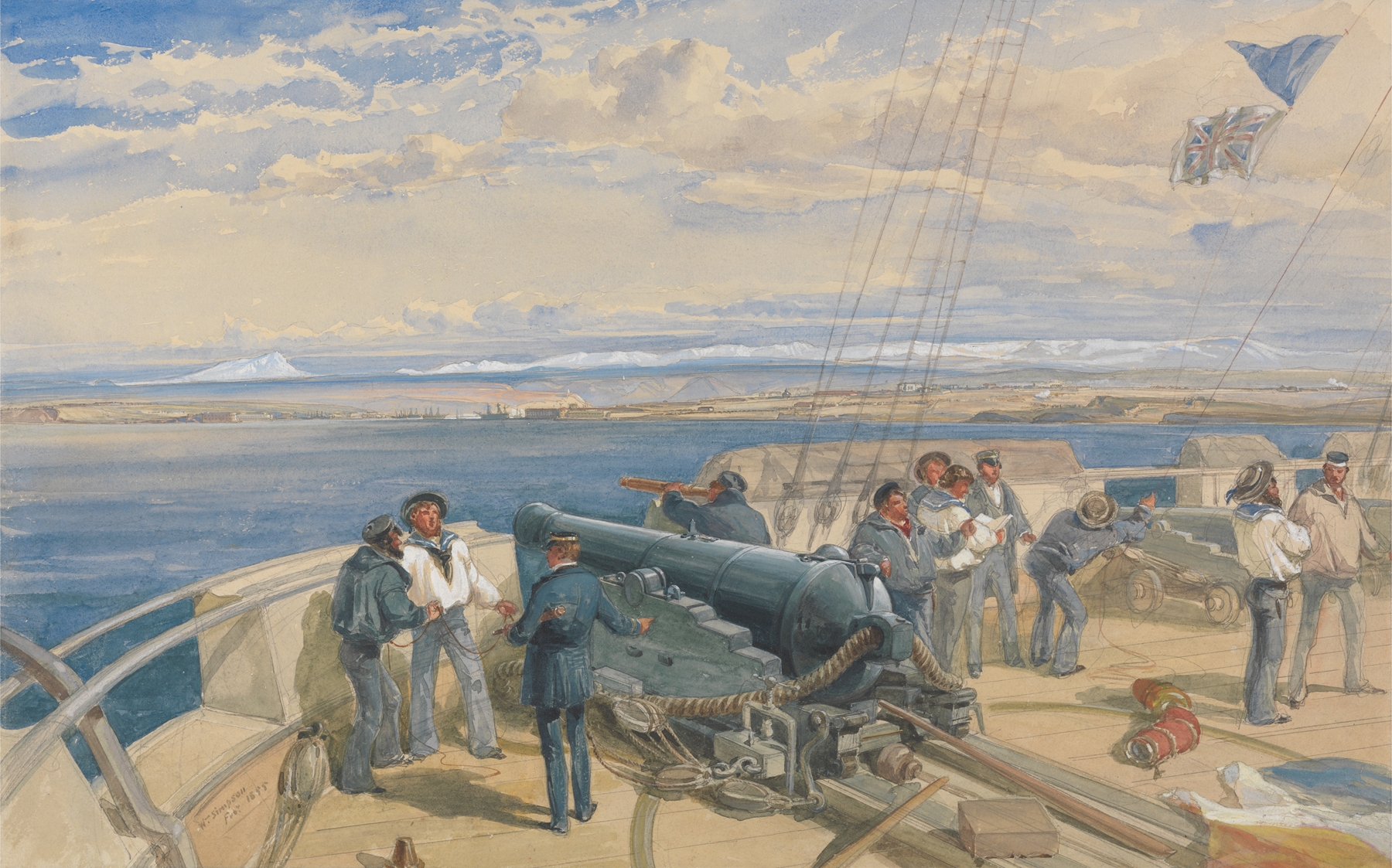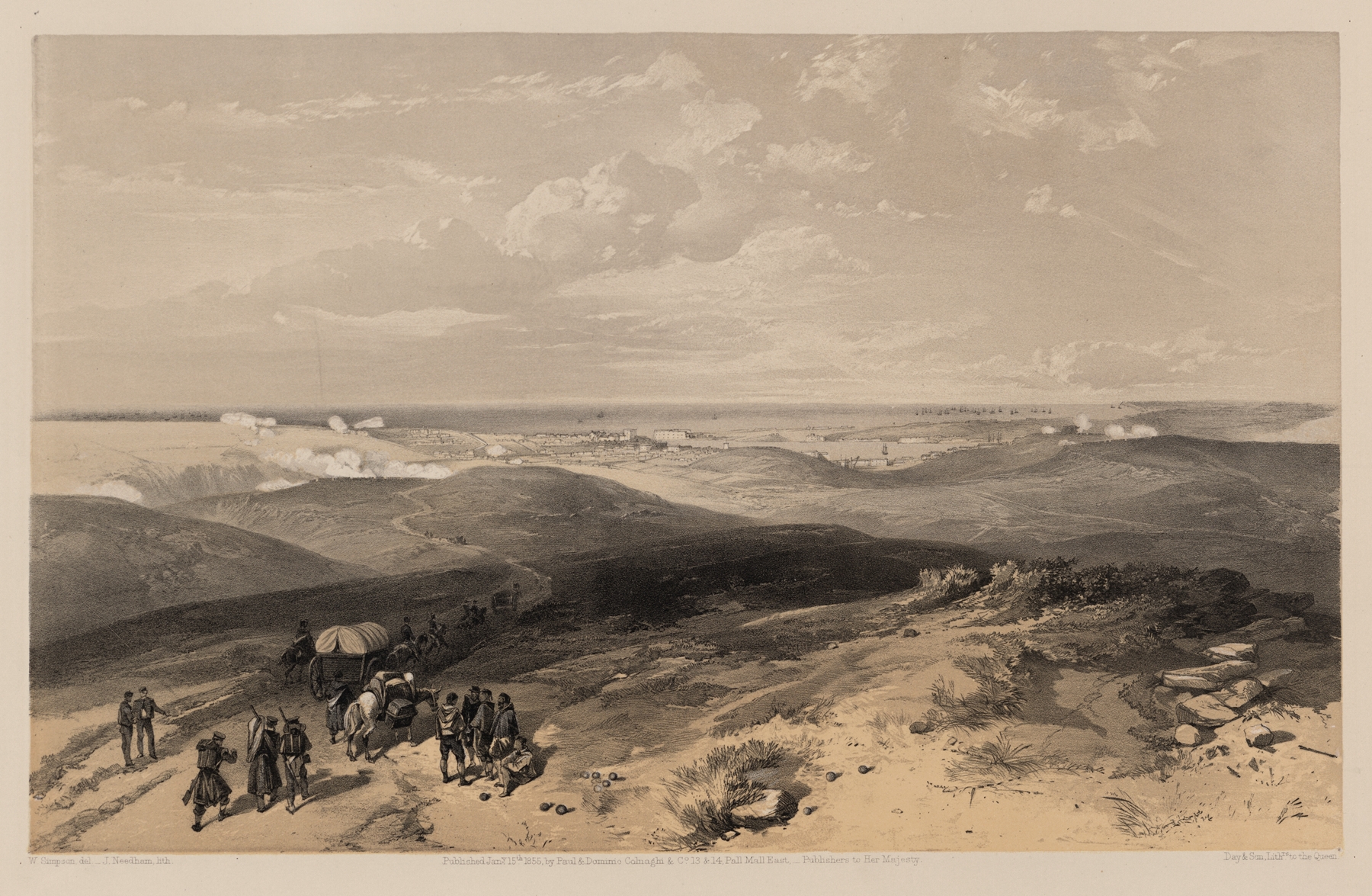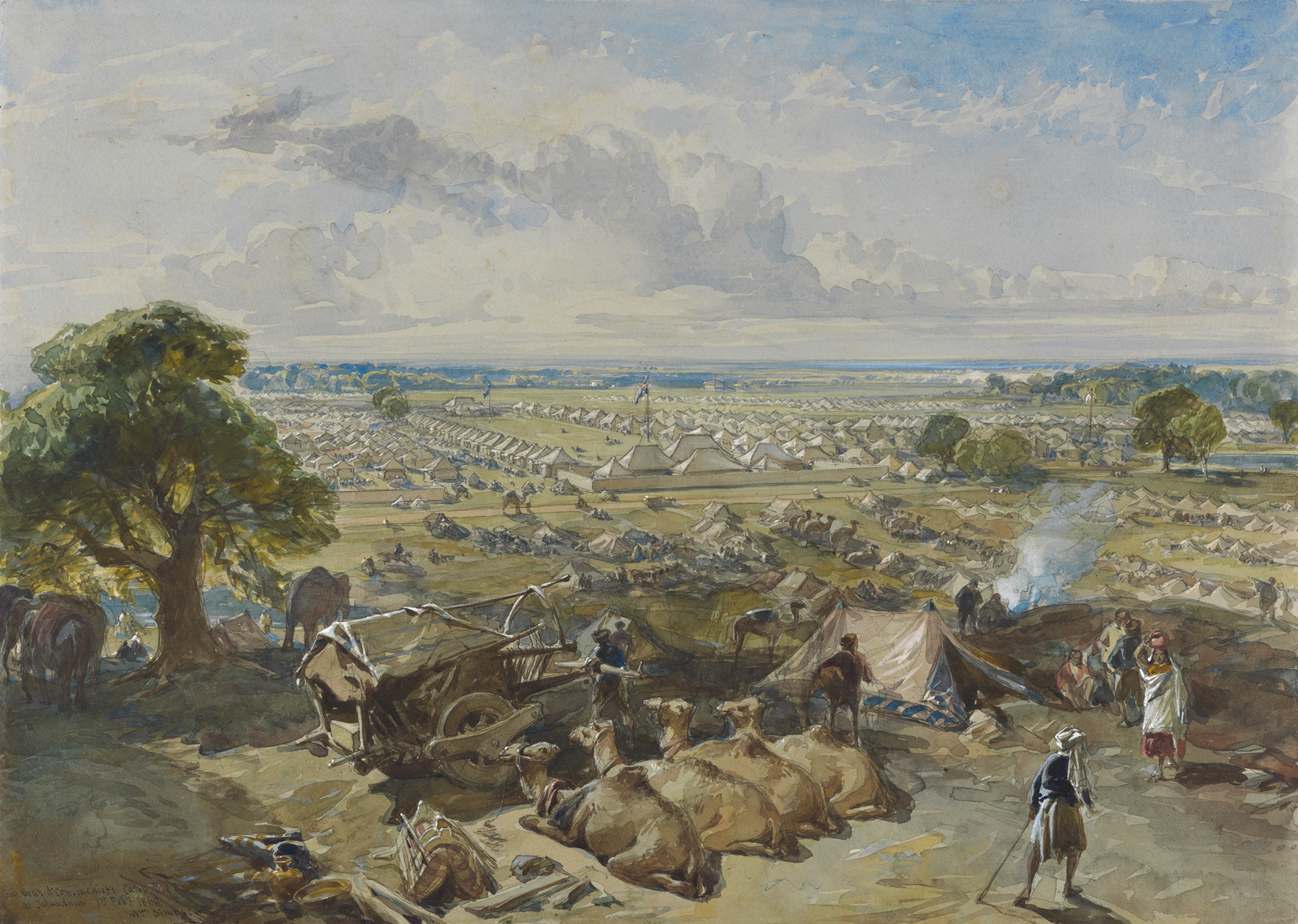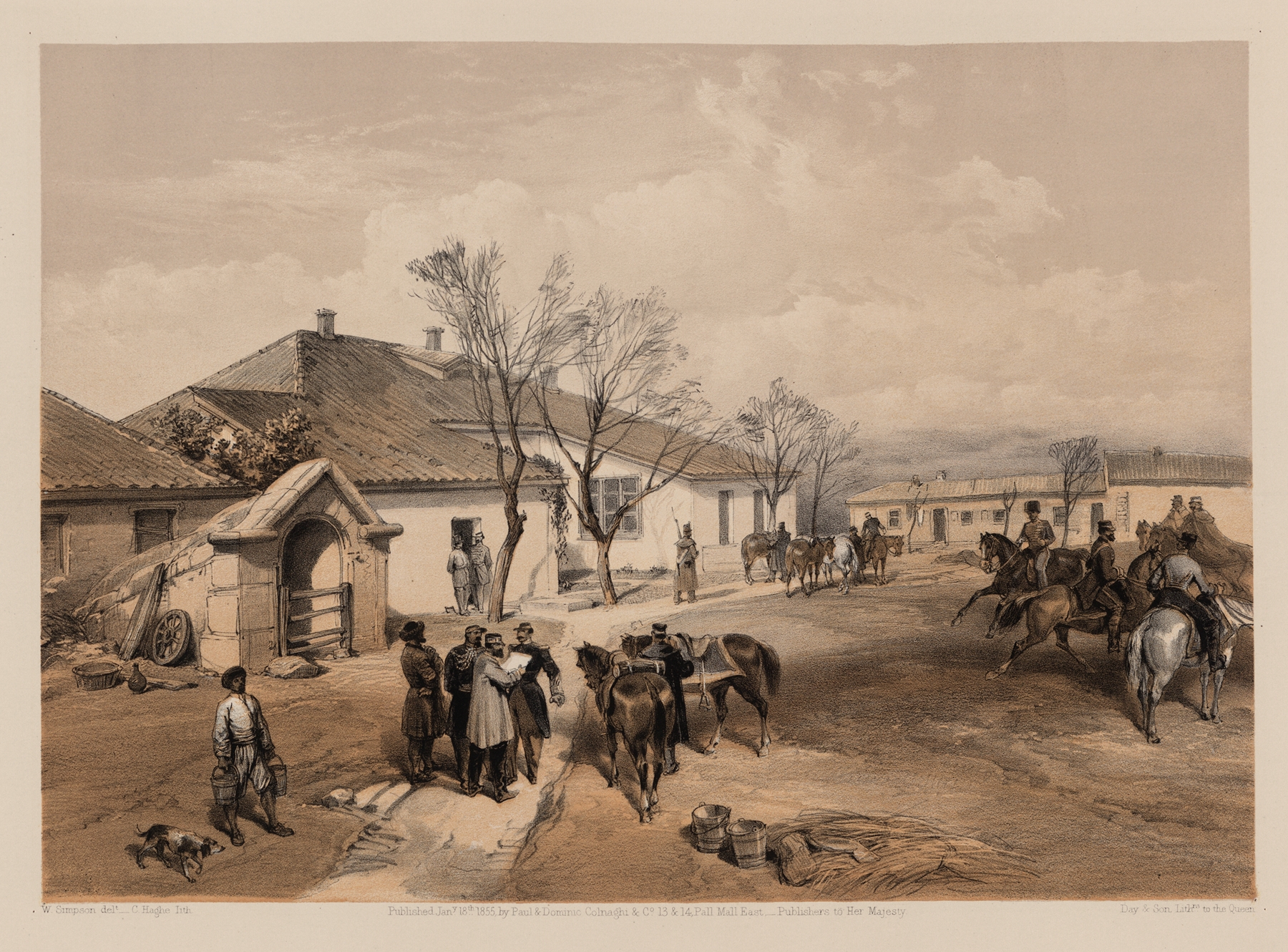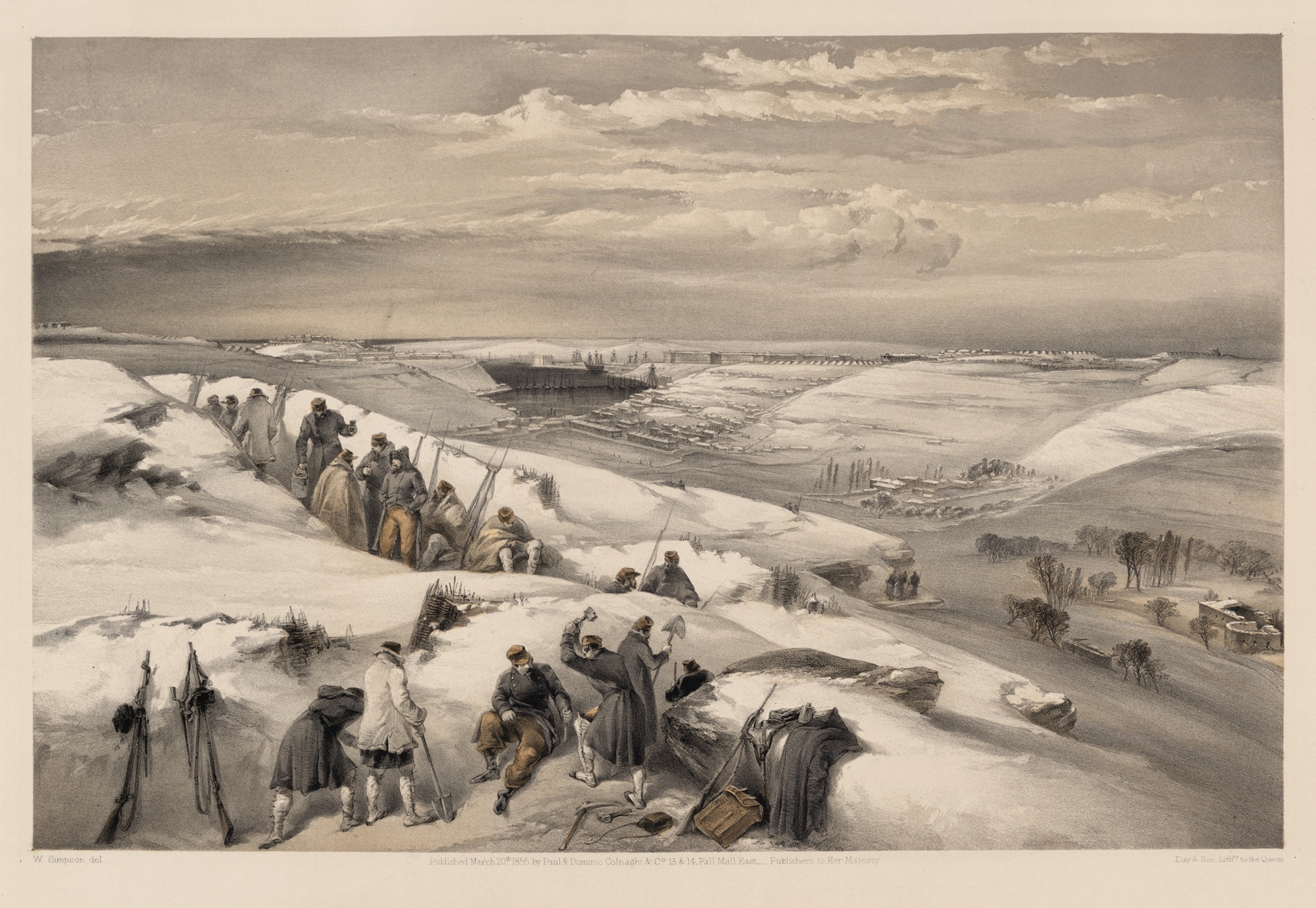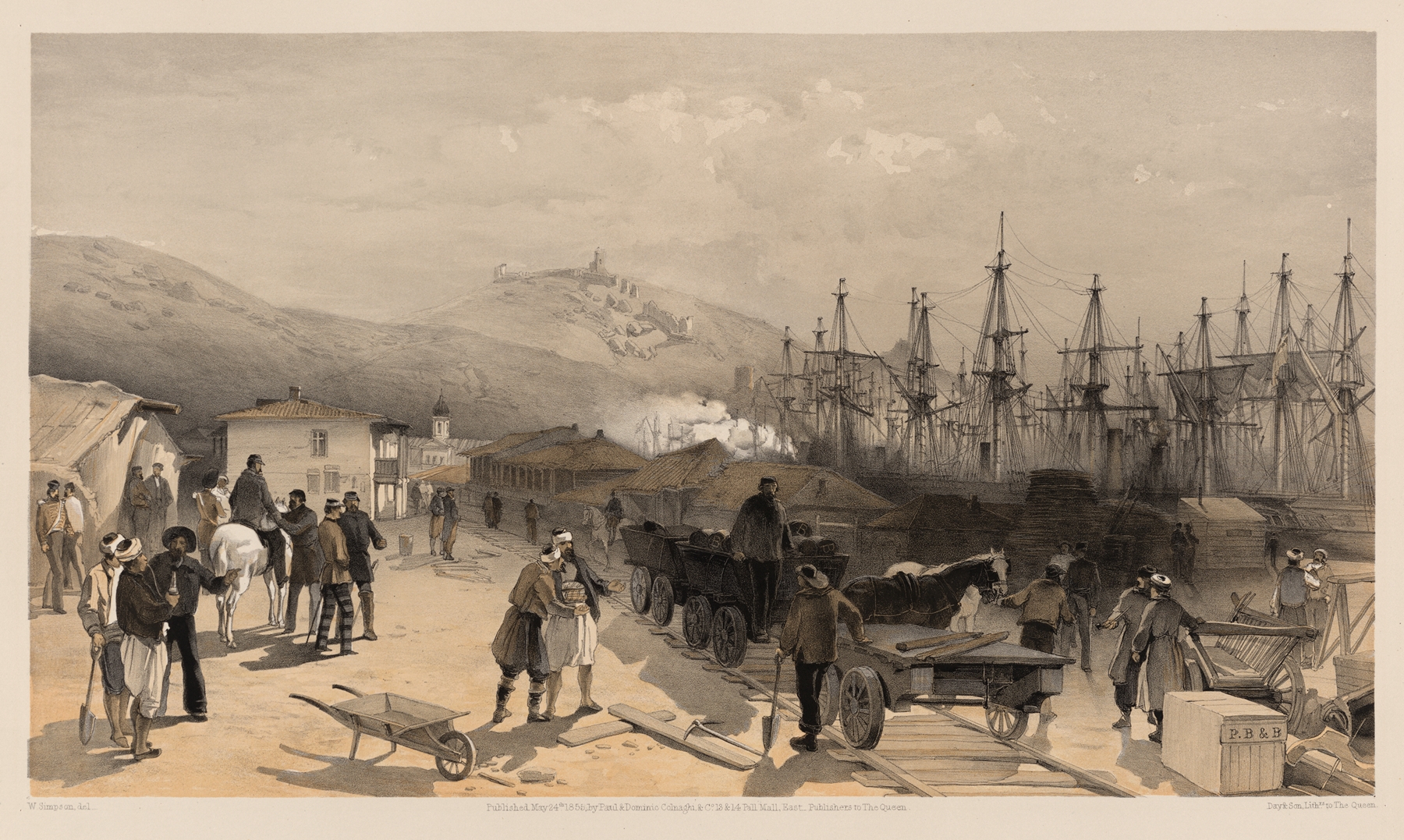
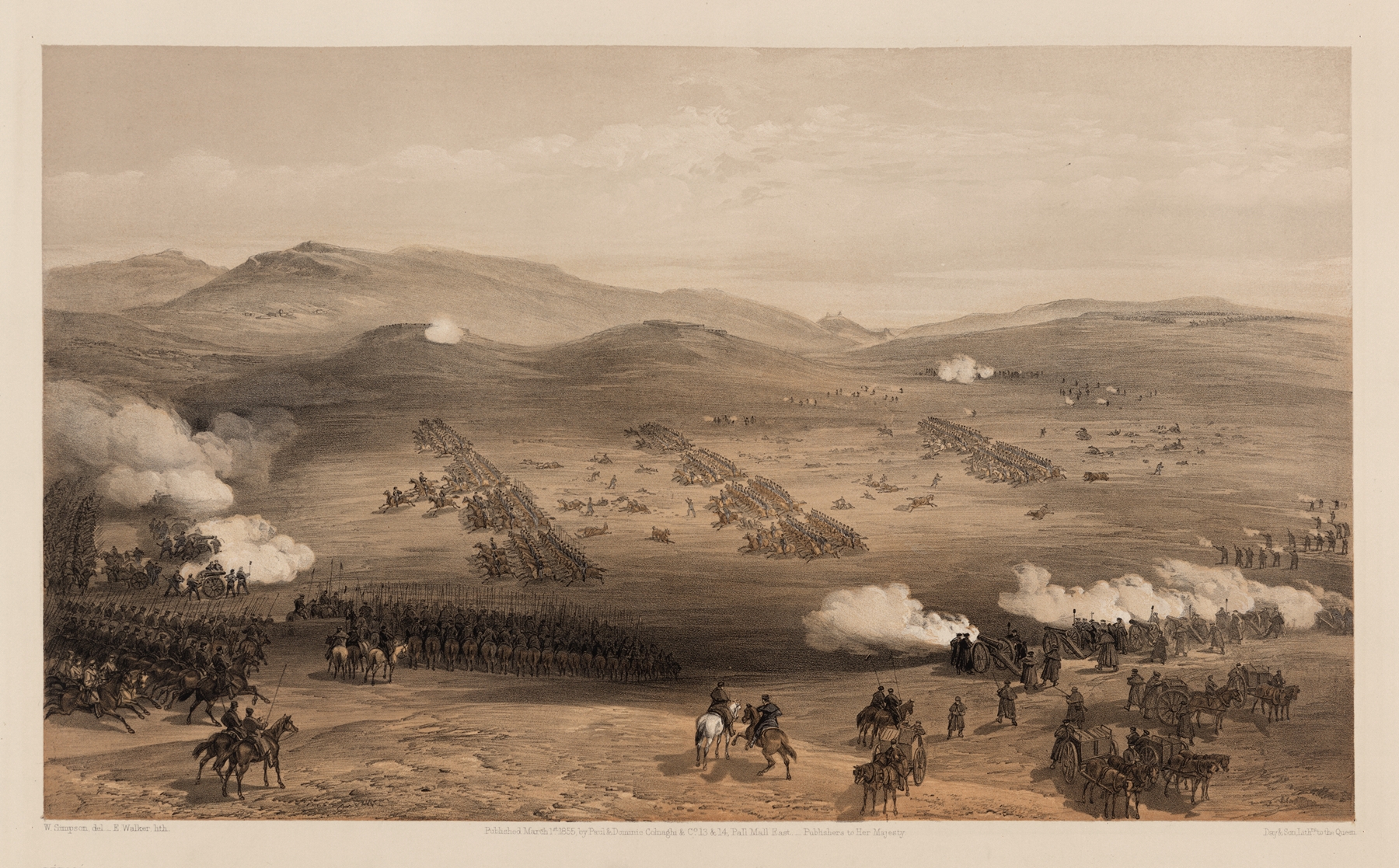
What secret hides in the quiet of the canvas? In a world filled with roaring trains and bustling lives, this serene scene beckons us to ponder the weight of loss concealed beneath its stillness. Look to the center of the composition, where the railway tracks stretch out, weaving their way toward a distant horizon. The gentle sweep of the path leads the eye, suggesting both movement and abandonment. Notice how subdued earth tones dominate the landscape, creating a somber atmosphere that evokes a sense of nostalgia. The muted colors reflect the melancholy of time passing, while the soft play of light and shadow enhances the emotional tension, inviting introspection. The contrast between the vibrant, hopeful tracks and the barren land surrounding them speaks volumes. It hints at stories of soldiers departed, battles fought, and lives irrevocably altered during the Crimean War. Fragments of the past linger in the air, and the sparse vegetation seems to mirror the grief of those left behind. Each detail, from the distant hills to the faint clouds, implies a delicate balance between the promise of progress and the heavy toll of sacrifice. William Simpson created this poignant work during the Crimean War, specifically in 1855, as a war correspondent who documented the harsh realities of military life. Painted amid the backdrop of conflict, it reflects not only his artistic vision but also the collective grief of a society grappling with loss. This artwork encapsulates a moment in time where the connections between man, nature, and the iron path of industry are woven together in a tapestry of remembrance.