
The Rainbow — History & Facts
In the interplay of light and shadow, one feels a pulse of unease, as if the colors themselves harbor a secret terror just beneath their surface. Notice how the vivid spectrum arches across the canvas, drawing your eye upward. Look closely at the way the colors intermingle — the vibrant reds and calming blues forge a fragile coexistence. The foreground is dominated by dark, brooding clouds, creating a stark contrast against the delicate, radiating hue of the rainbow.
The texture of the brushstrokes, thick and expressive, captures both the turbulence of the sky and the ephemeral beauty of the natural phenomenon. Beneath the surface lies a tension between hope and despair. The rainbow, often a symbol of promise, stands resilient amid a stormy backdrop, suggesting that joy can emerge from chaos. Yet, the obscured figures in the landscape hint at a deeper unease, perhaps a fear of what the storm represents.
This duality speaks to the fragility of happiness in a world often overshadowed by turmoil. The natural beauty is a fleeting illusion, inviting contemplation on the impermanence of joy. In 1784, Philip James de Loutherbourg was immersed in the Romantic movement, seeking to evoke deep emotion through his art. Living in England after his migration from France, he was influenced by both the turbulence of the times and the burgeoning interest in the sublime.
This painting reflects not only personal expression but also the collective anxiety of an era grappling with the uncertainties of enlightenment and progress.
More Artworks by Philip James de Loutherbourg
Browse all →
Iron Works, Colebrook Dale
Philip James de Loutherbourg
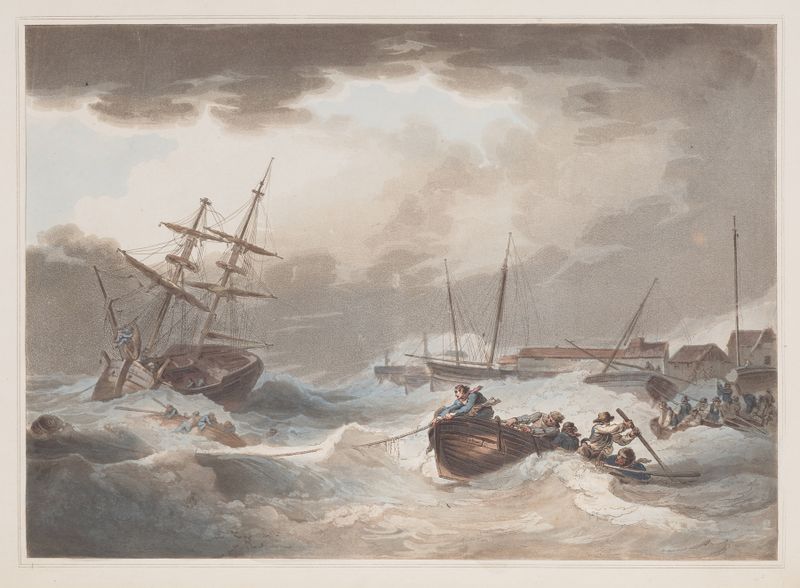
Storm off Margate
Philip James de Loutherbourg
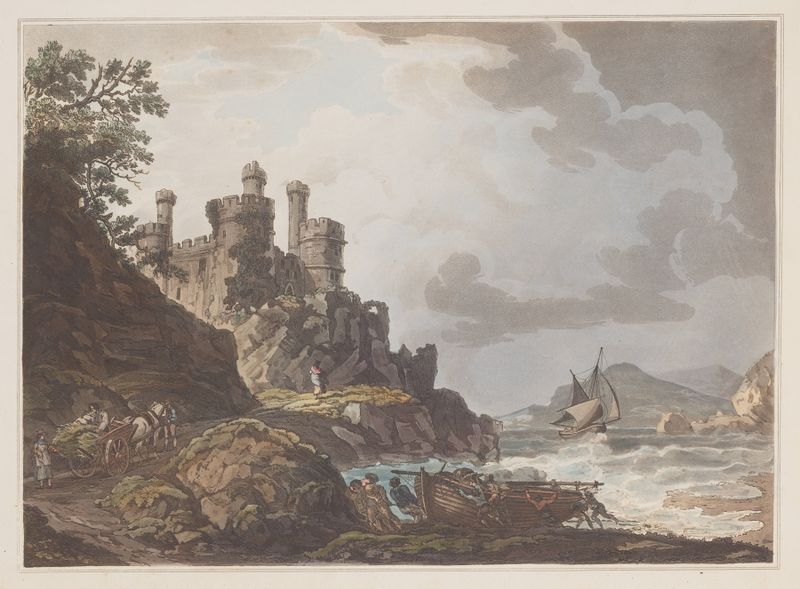
Conway Castle
Philip James de Loutherbourg
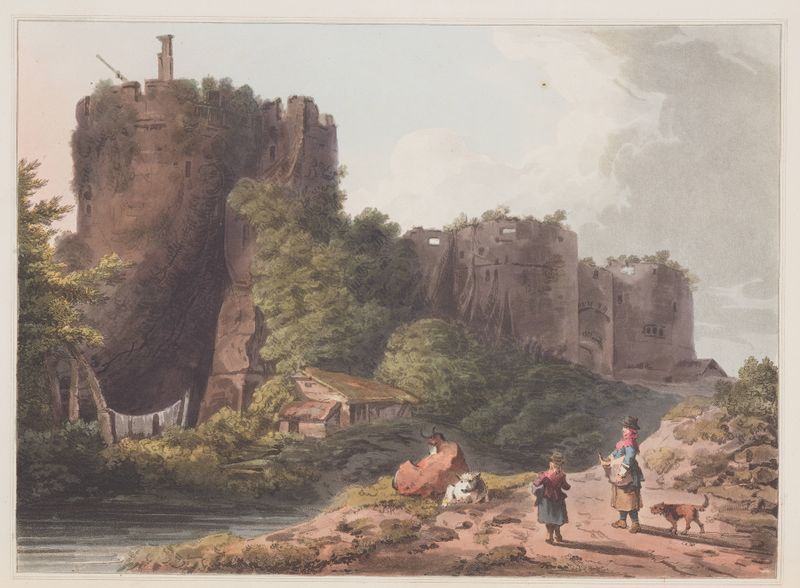
Chepstow Castle in Monmouthshire
Philip James de Loutherbourg
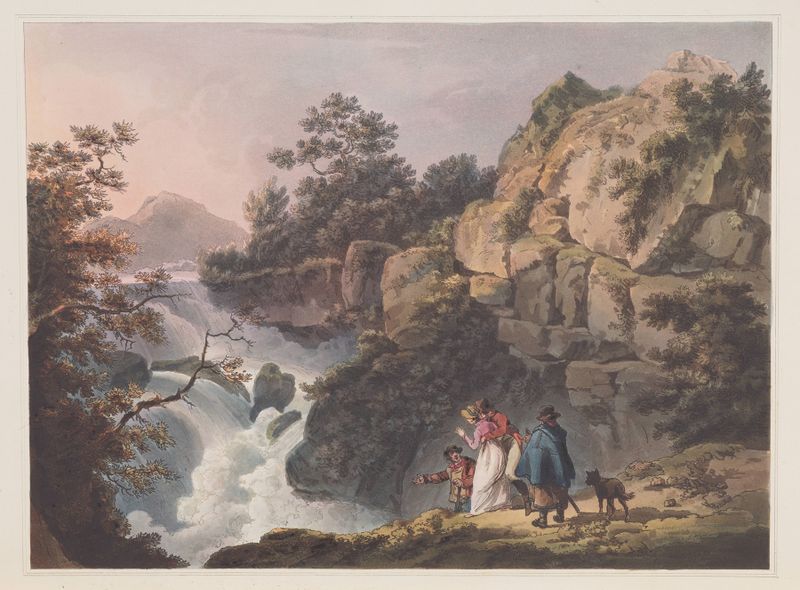
Cataract on the Llugwy
Philip James de Loutherbourg

Tintern Abbey
Philip James de Loutherbourg
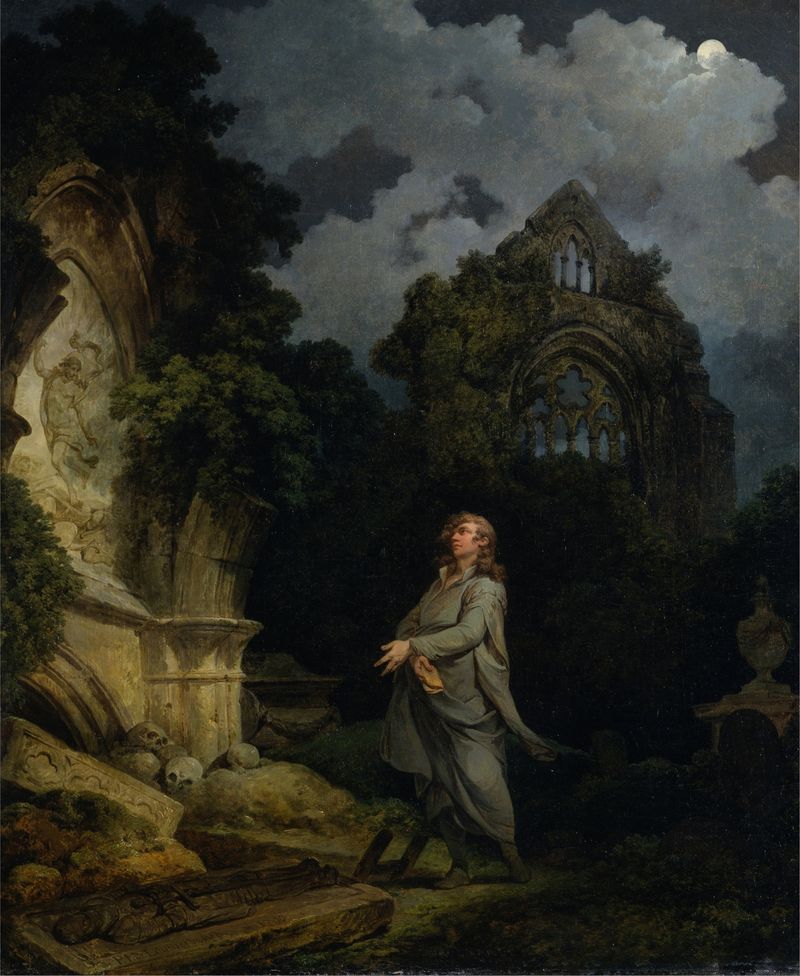
Visitor to a Moonlit Churchyard
Philip James de Loutherbourg

A Storm at the Entrance of a Mediterranean Port
Philip James de Loutherbourg
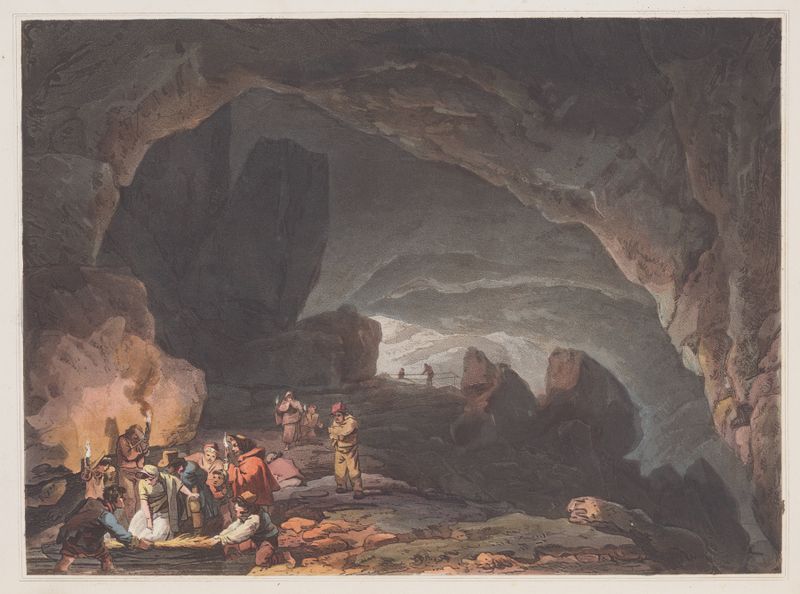
Peak’s Hole, Derbyshire
Philip James de Loutherbourg
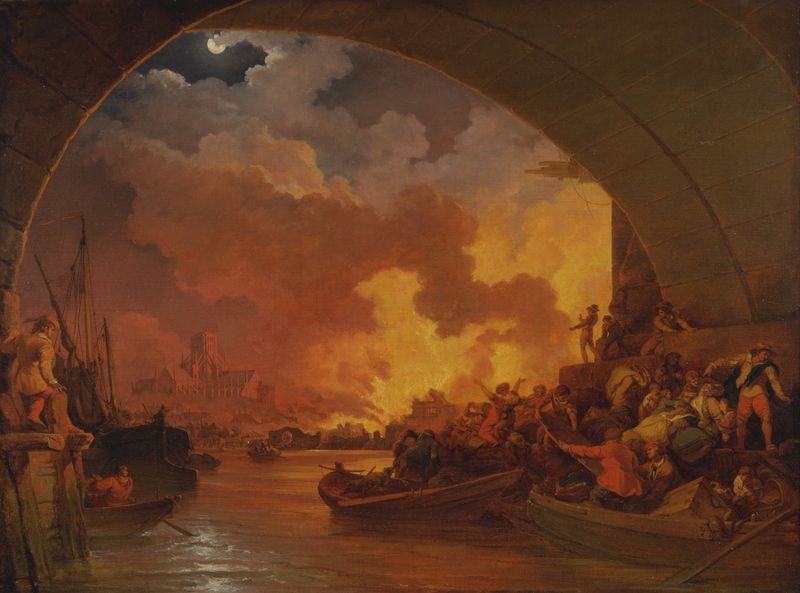
The Great Fire of London
Philip James de Loutherbourg





