The raising of Lazarus: small plate — History & Analysis
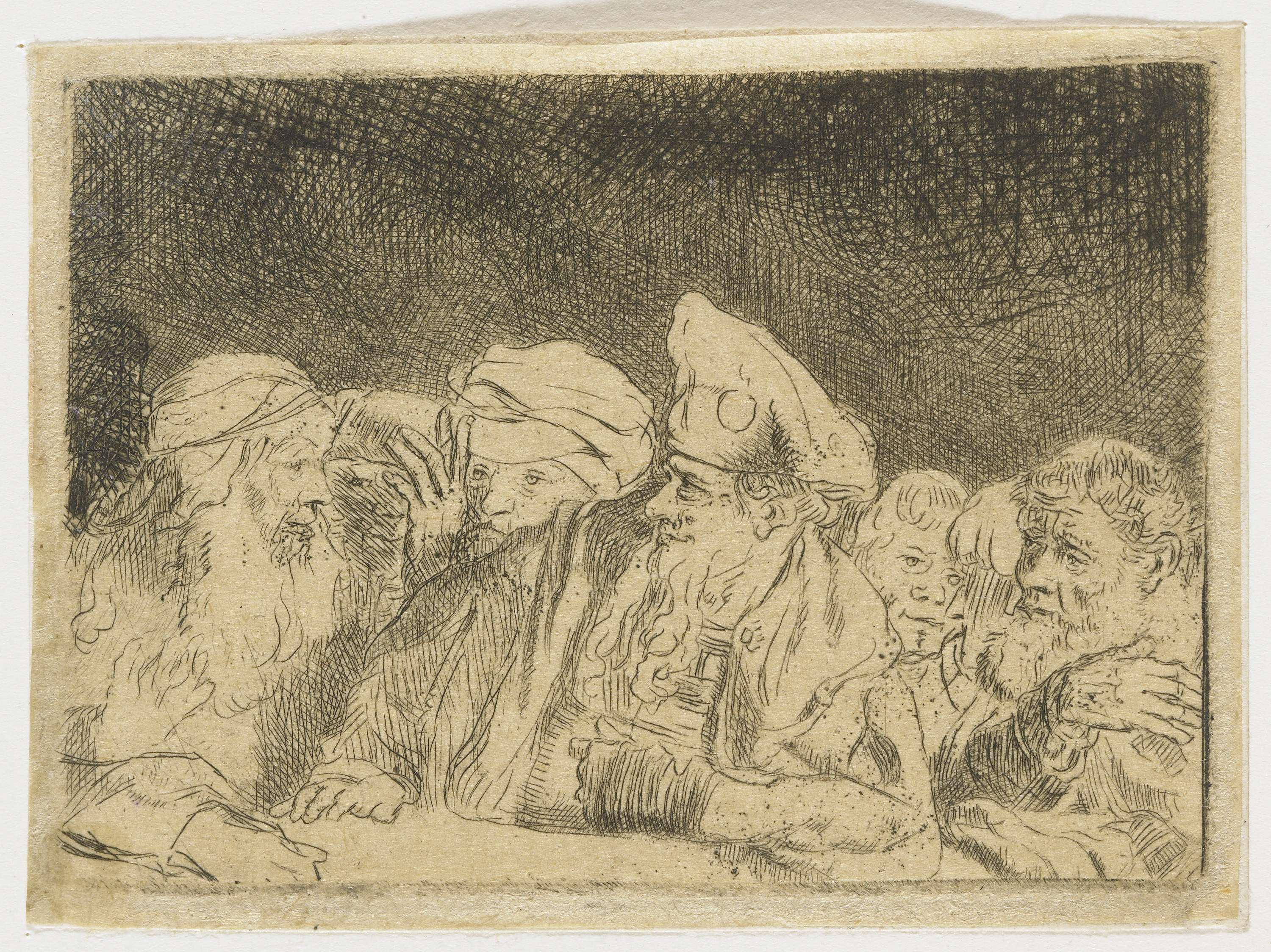
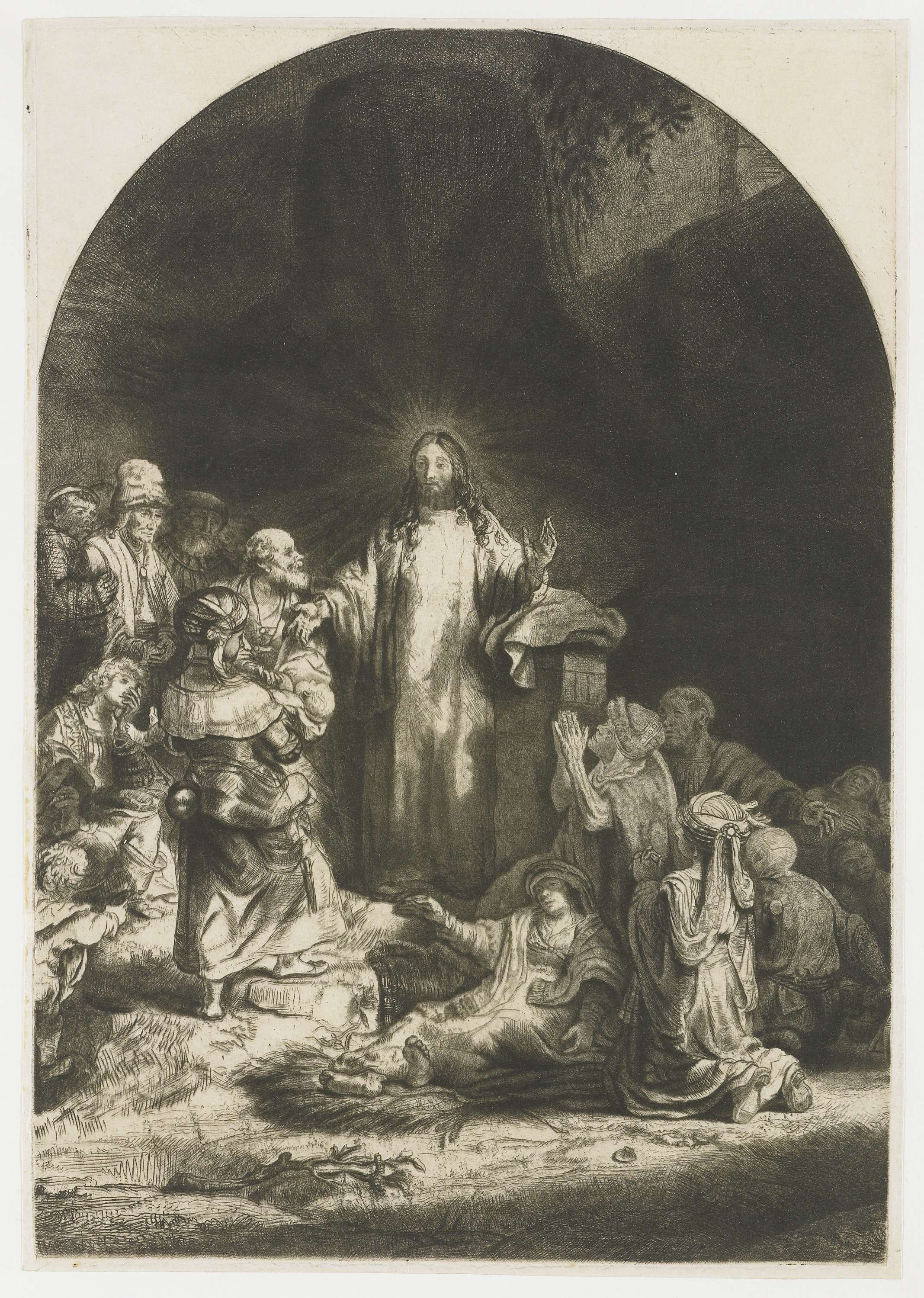
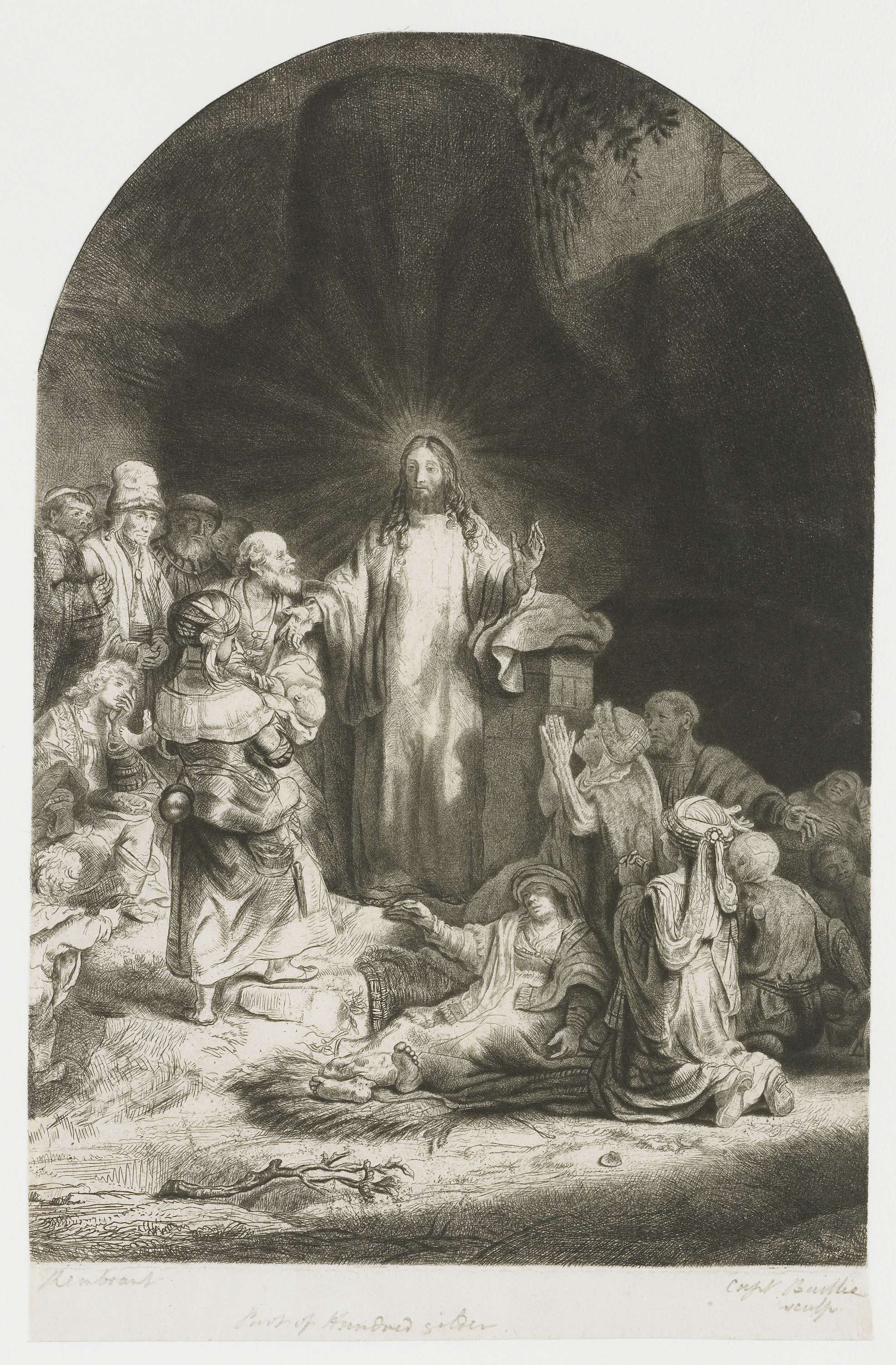
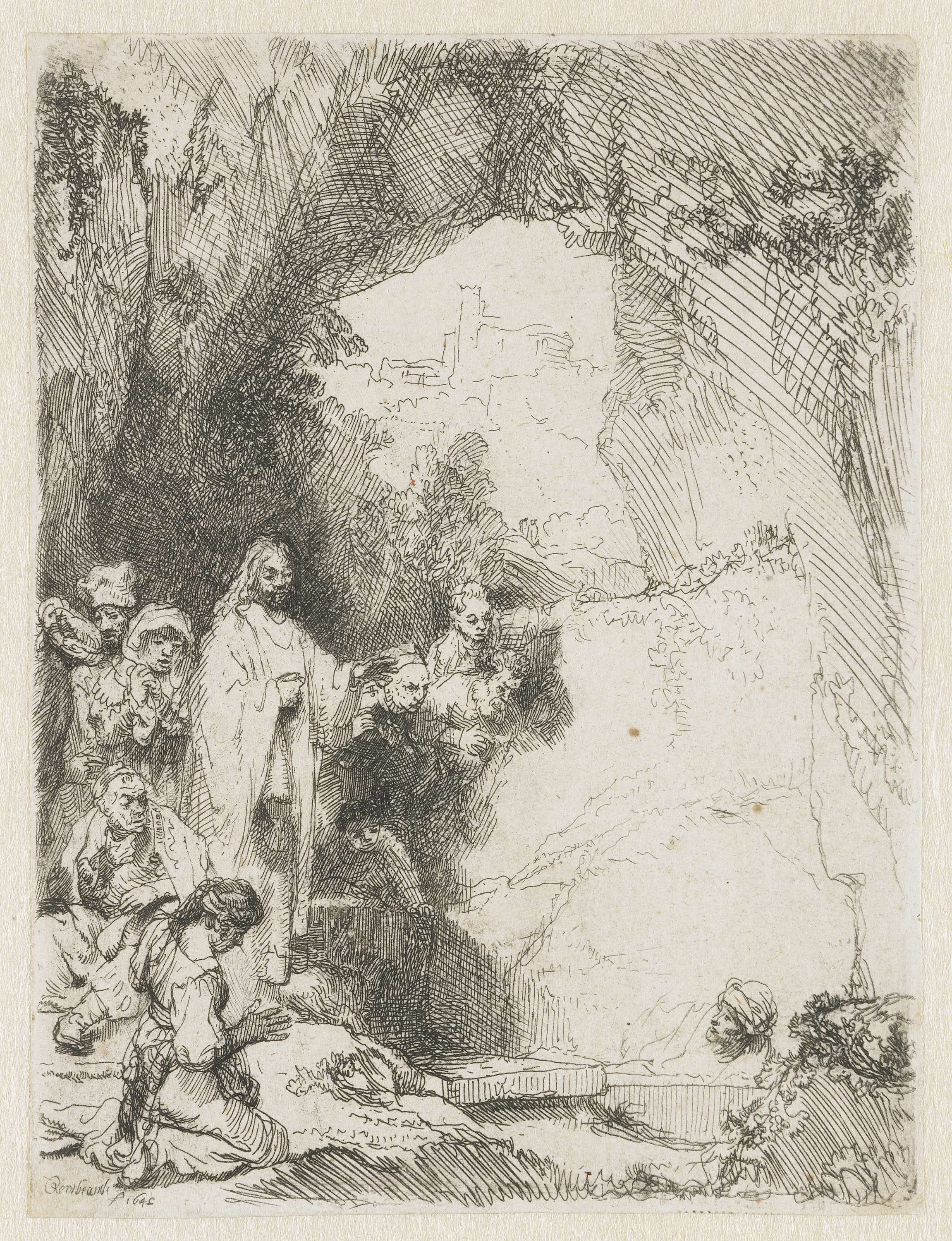
“Under the brush, chaos becomes grace.” This sentiment encapsulates the transformative power of shadow, where light and darkness coalesce to reveal deeper truths. Focus on the delicate interplay of light and shadow in the small plate that captures a moment of profound resurrection. The central figure, Lazarus, emerges from darkness, bathed in a gentle glow that highlights his serene expression. Notice how the vibrant reds and deep browns of the surrounding figures contrast with the ethereal light on Lazarus, drawing your eye to his awakening.
The composition is intimate, inviting the viewer to witness this sacred act, while the muted palette adds a solemnity that underscores the gravity of the event. Delve deeper, and you’ll discover the emotional tension within the group around Lazarus. The figures, cloaked in shadow, exhibit a mix of disbelief and awe, their varied gestures and expressions hinting at the interplay of faith and doubt. The stark contrast between light and dark not only emphasizes Lazarus's miraculous return but also serves as a metaphor for the struggles between life and death, hope and despair.
This duality is palpable, creating a dynamic tension that resonates far beyond the moment captured. In 1642, Rembrandt created this plate during a time of personal hardship and artistic evolution. Living in Amsterdam, he faced financial difficulties and the loss of loved ones, which deeply influenced his work. At this juncture, he was exploring the use of light and shadow as a means to convey complex emotions, marking his journey toward a more profound understanding of human experience.