Discover insights about this artwork
The Red Rock — History & Facts
In The Red Rock, Paul Cézanne presents a striking landscape dominated by a bold red rock formation. The colors are vibrant, with deep greens and blues contrasting against the warm reds and browns of the rock. The sky is painted in soft blues, enhancing the overall warmth of the scene.
This composition invites viewers to explore the natural beauty of the landscape. Cézanne's technique is evident in the brushstrokes, which are both deliberate and expressive. The use of color is innovative, with a focus on how light interacts with the surfaces of the rock and surrounding foliage. The painting is executed in oil on canvas, a medium that allows for rich texture and depth.
The dimensions are approximately 65 x 81 cm, making it a substantial piece that commands attention. Paul Cézanne, a key figure in the transition from Impressionism to modern art, painted The Red Rock in the 1890s. This work reflects his interest in the structure of nature and the play of light. Interestingly, Cézanne often returned to the same subjects, exploring them from different angles and in varying light conditions.
This painting exemplifies his unique approach to capturing the essence of the landscape.
More Artworks by Paul Cézanne
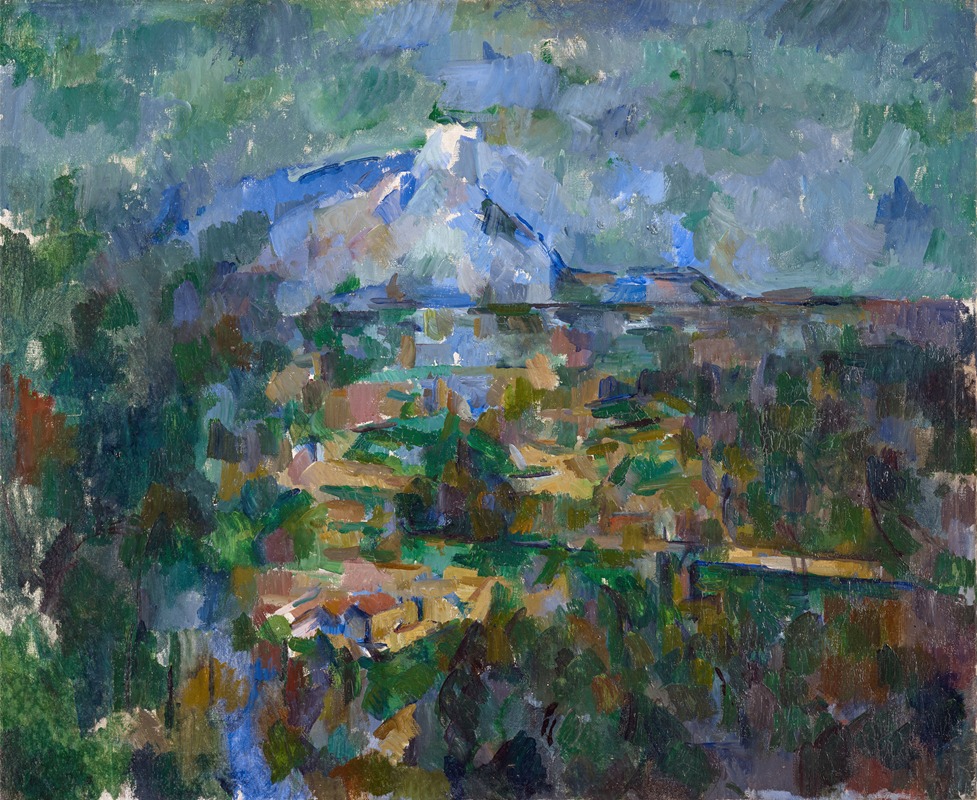
The Mont Sainte-Victoire Seen From Les Lauves
Paul Cézanne
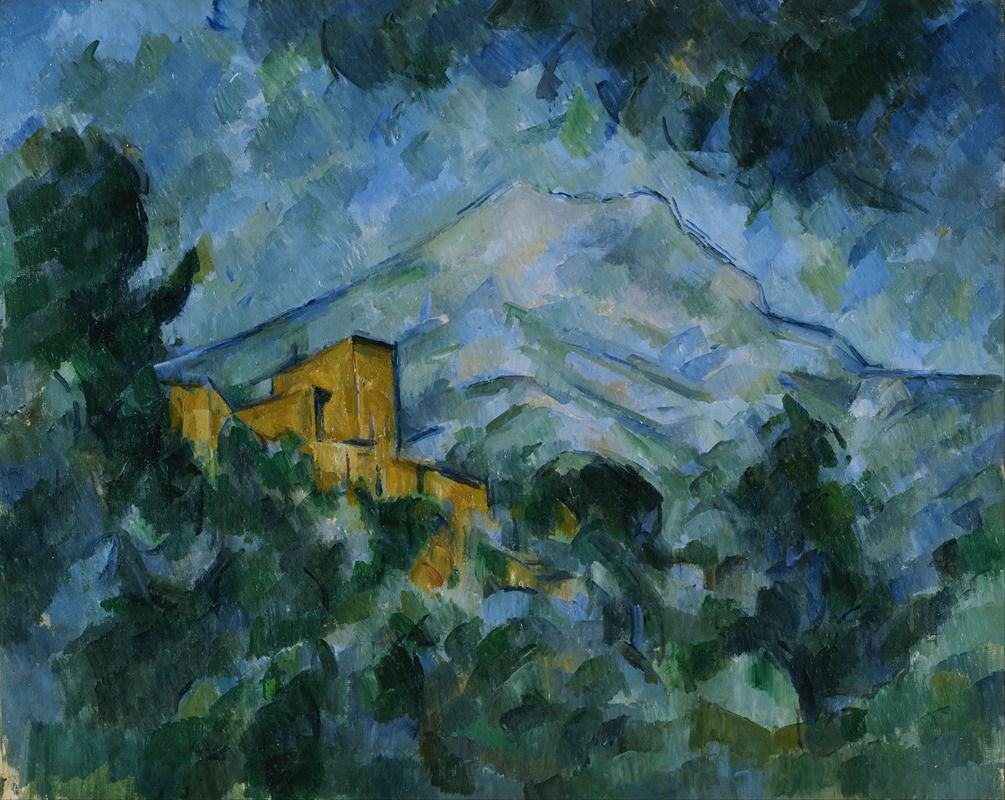
Mont Sainte-Victoire and Château Noir
Paul Cézanne
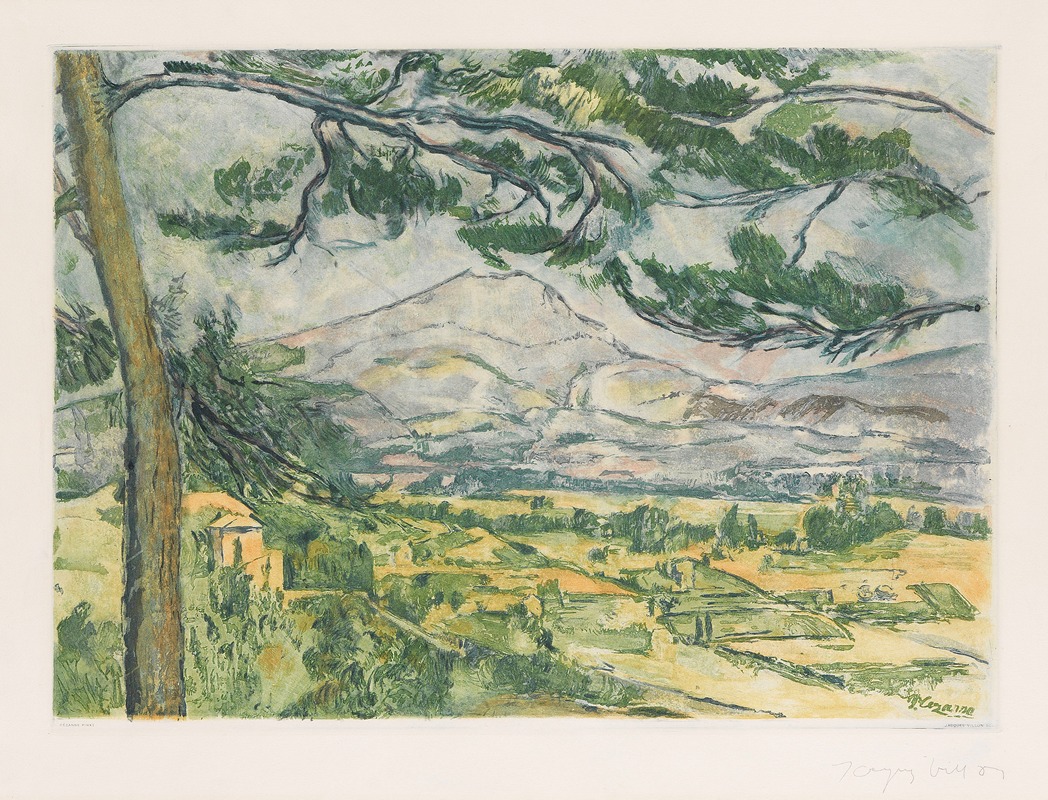
La Montagne Sainte-Victoire
Paul Cézanne
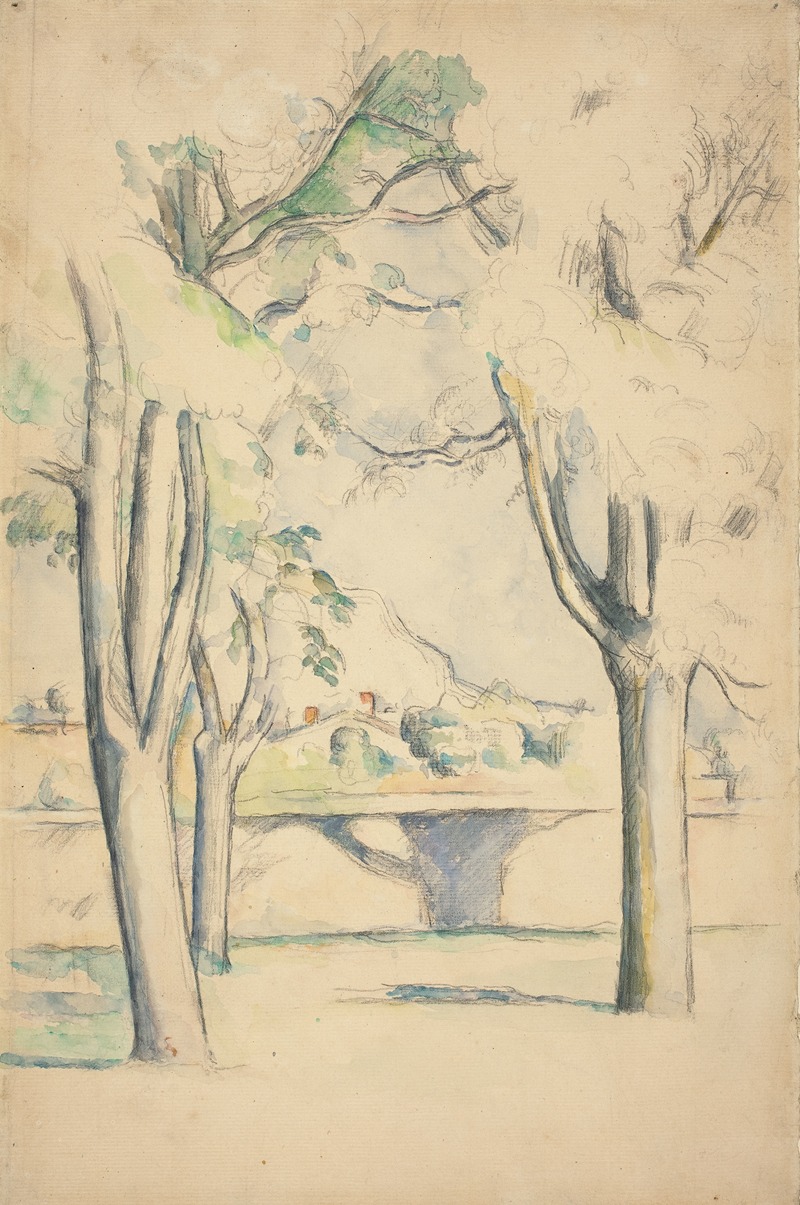
Mont Sainte-Victoire Seen beyond the Wall of the Jas de Bouffan
Paul Cézanne
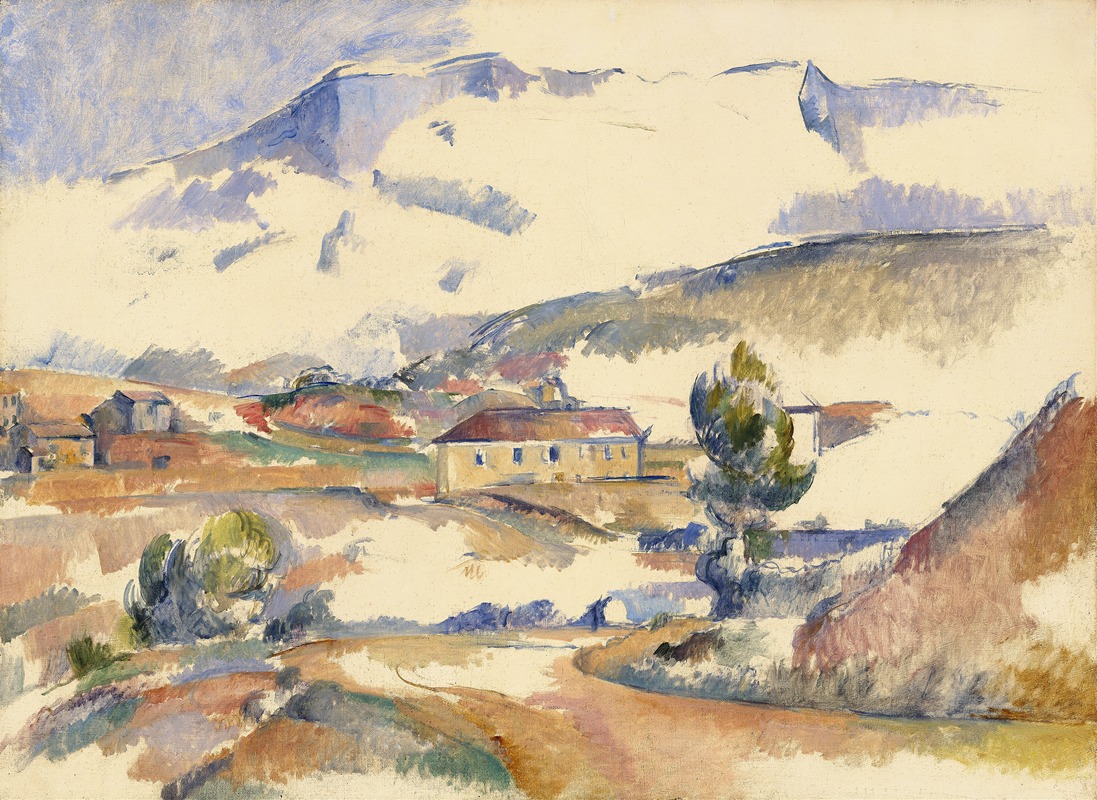
Montagne Sainte-Victoire,from near Gardanne
Paul Cézanne
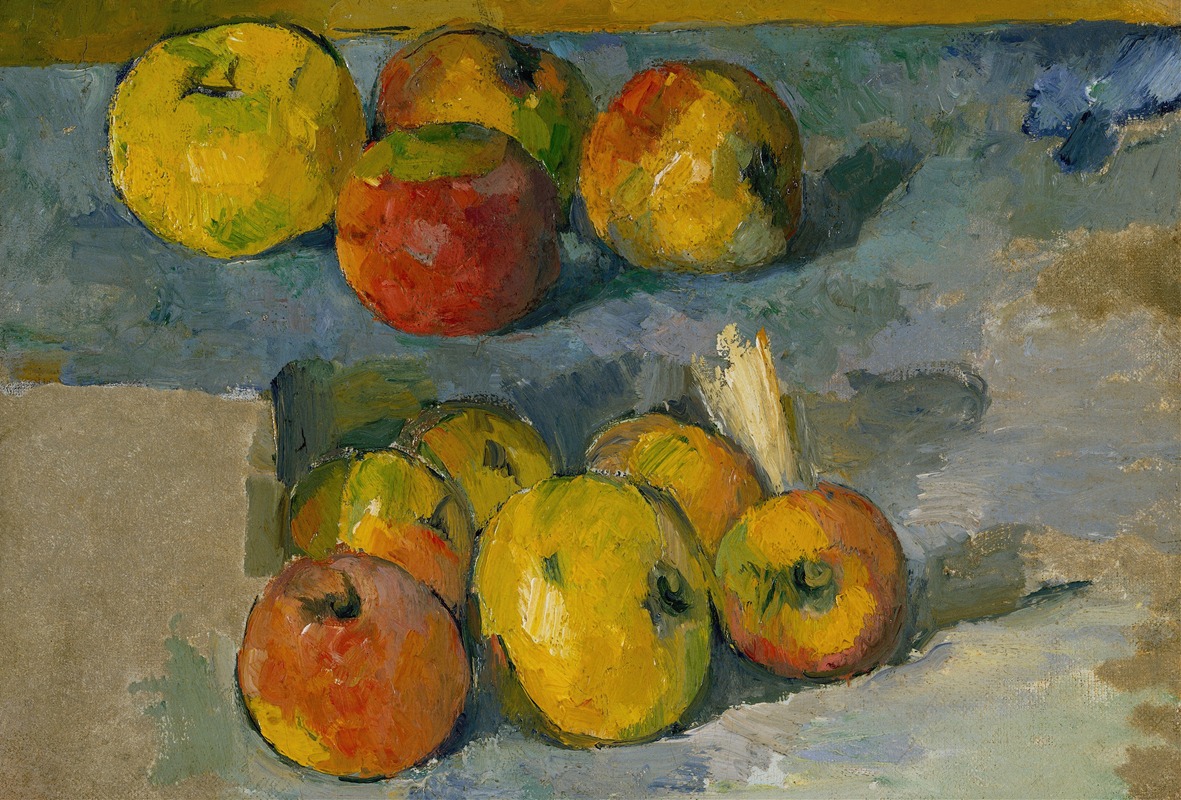
Apples
Paul Cézanne
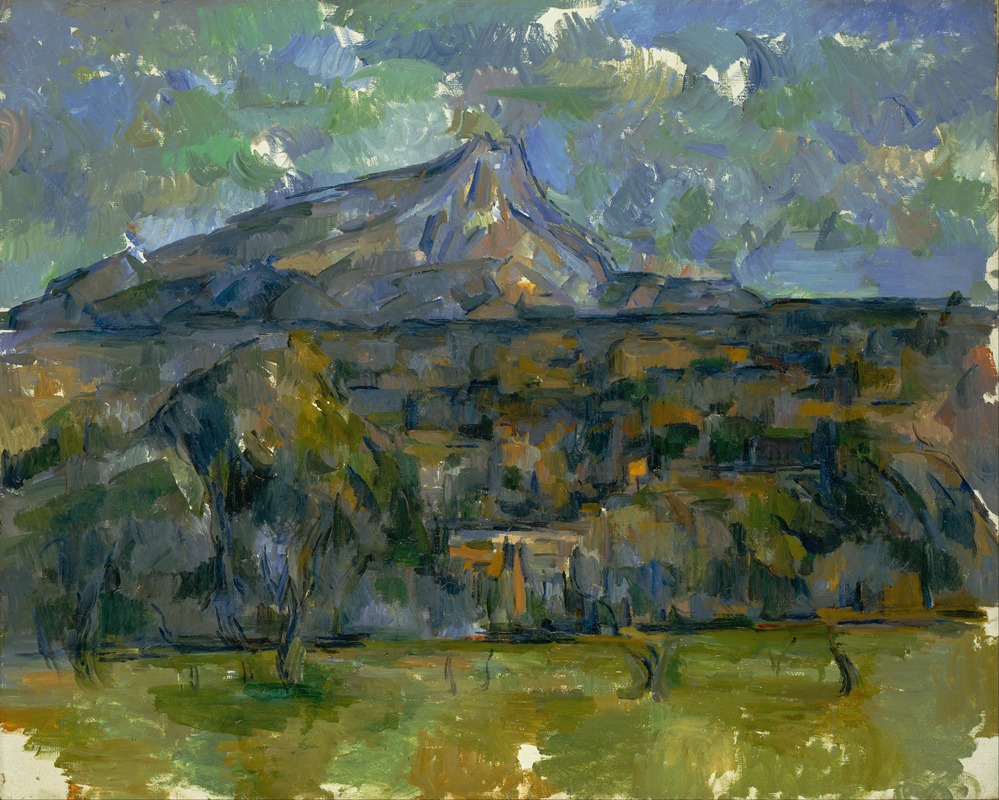
Mont Sainte-Victoire
Paul Cézanne
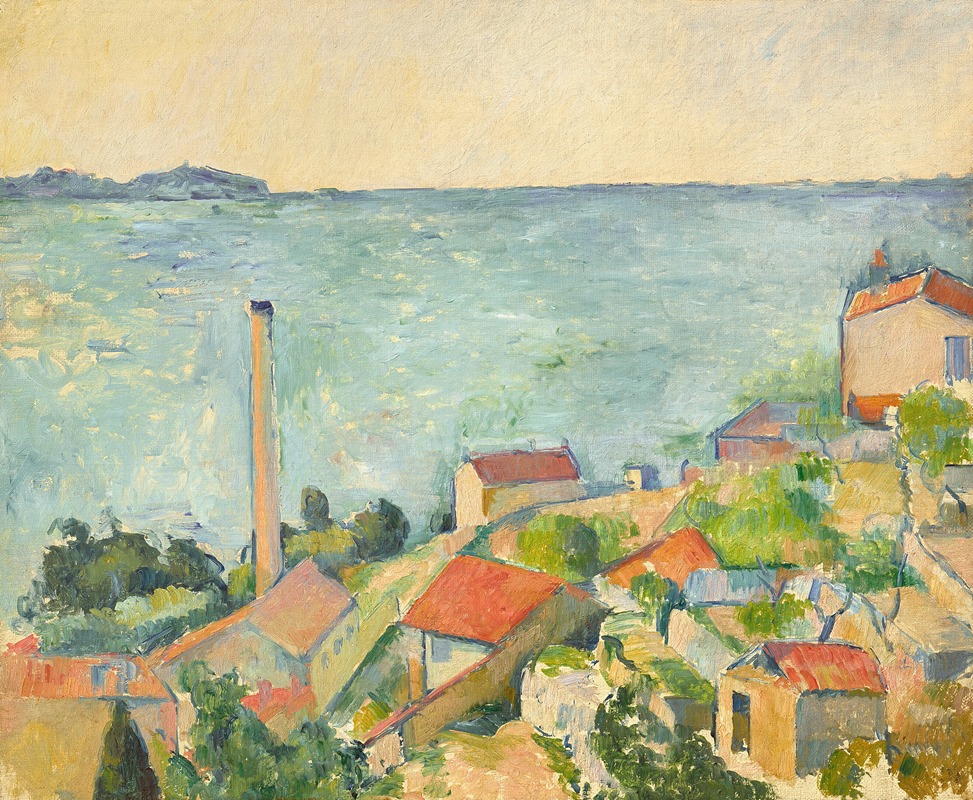
La mer à l’Estaque
Paul Cézanne
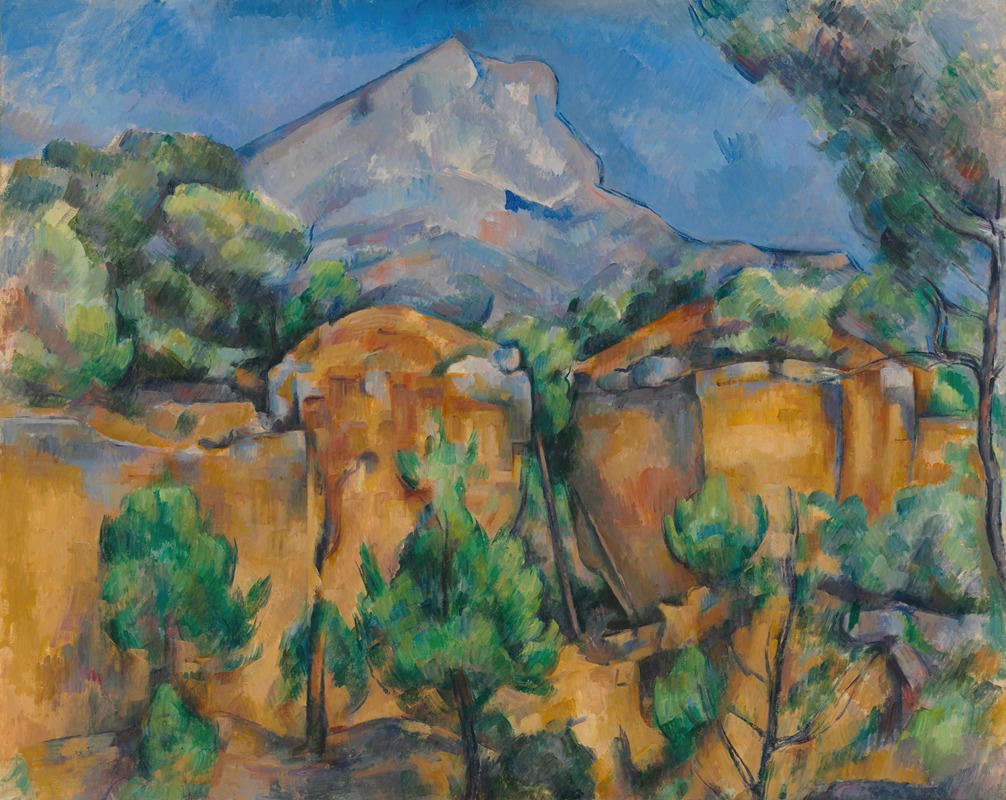
La Montagne Sainte-Victoire vue de la carrière Bibémus
Paul Cézanne
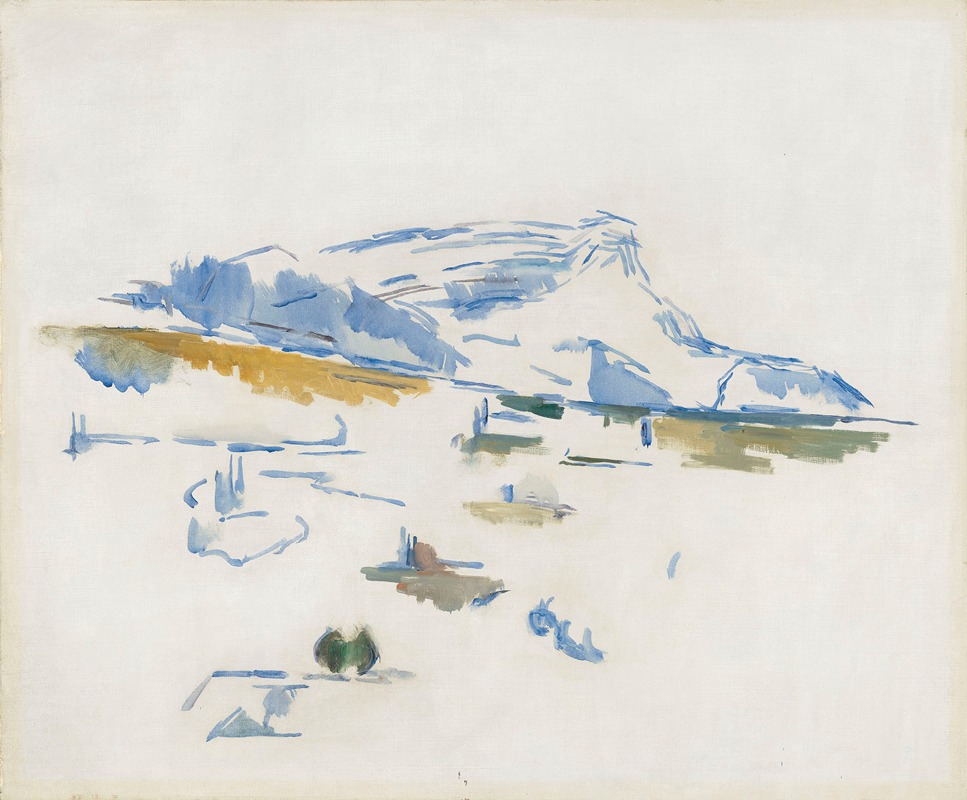
La Montagne Sainte-Victoire vue des Lauves
Paul Cézanne