
The Resurrection — History & Facts
In the depths of an intricate reflection, the layers of our existence shimmer quietly, waiting to be uncovered. Focus on the luminous whites and soft earth tones that envelop the central figures in this work. Notice how the light cascades gently across the canvas, illuminating the divine moment of resurrection while casting nuanced shadows that hint at the weight of mortality. The juxtaposition of vibrant garments against the spectral background draws the eye to the poignant expressions of hope and awe among the witnesses, inviting you to linger on their emotional responses. The tension between the ethereal and the corporeal is palpable.
On one hand, the vivid reds and golds signify triumphant life, while the muted earth tones ground the scene in reality, reminding us of the fragility of human existence. The delicate interplay of light and shadow evokes a moment suspended in time, encouraging contemplation on the transient nature of life and the promise of rebirth. It is here, in this delicate balance, that the viewer can sense the silent dialogue between despair and hope woven throughout the composition. Around 1635, the artist painted this masterwork during a period of significant religious and artistic tumult in Europe.
Settled in Utrecht, Breenbergh balanced the rising influence of Caravaggio's chiaroscuro with the emerging Dutch style, melding drama with lifelike portrayal. As the art world sought new expressions of spirituality and realism, this piece reflects not only personal exploration but also the collective yearning for understanding in a rapidly changing society.
More Artworks by Bartholomeus Breenbergh
Browse all →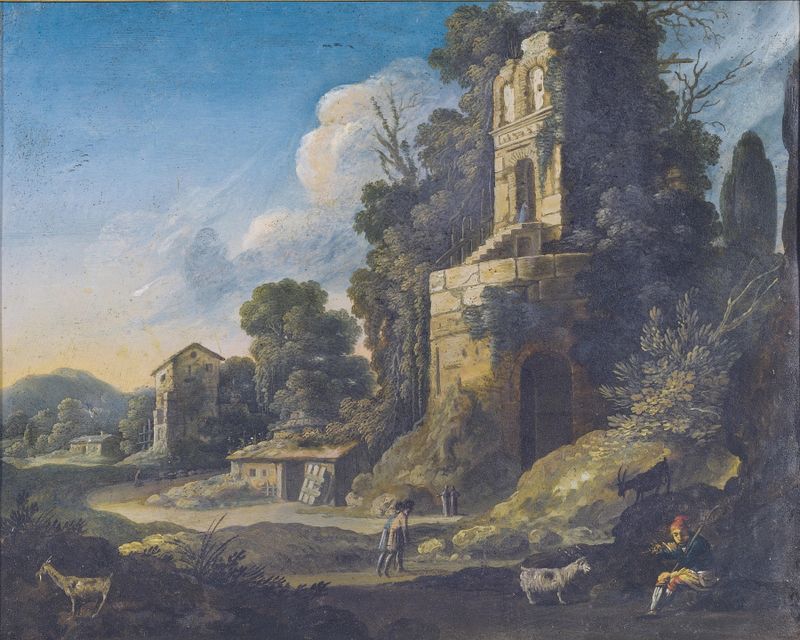
Italianate landscape with buildings and a herdsman playing pipes
Bartholomeus Breenbergh

Arcadian Landscape
Bartholomeus Breenbergh

Ruïnes van keizerlijk paleis te Rome
Bartholomeus Breenbergh

Ruïne van het Colosseum
Bartholomeus Breenbergh
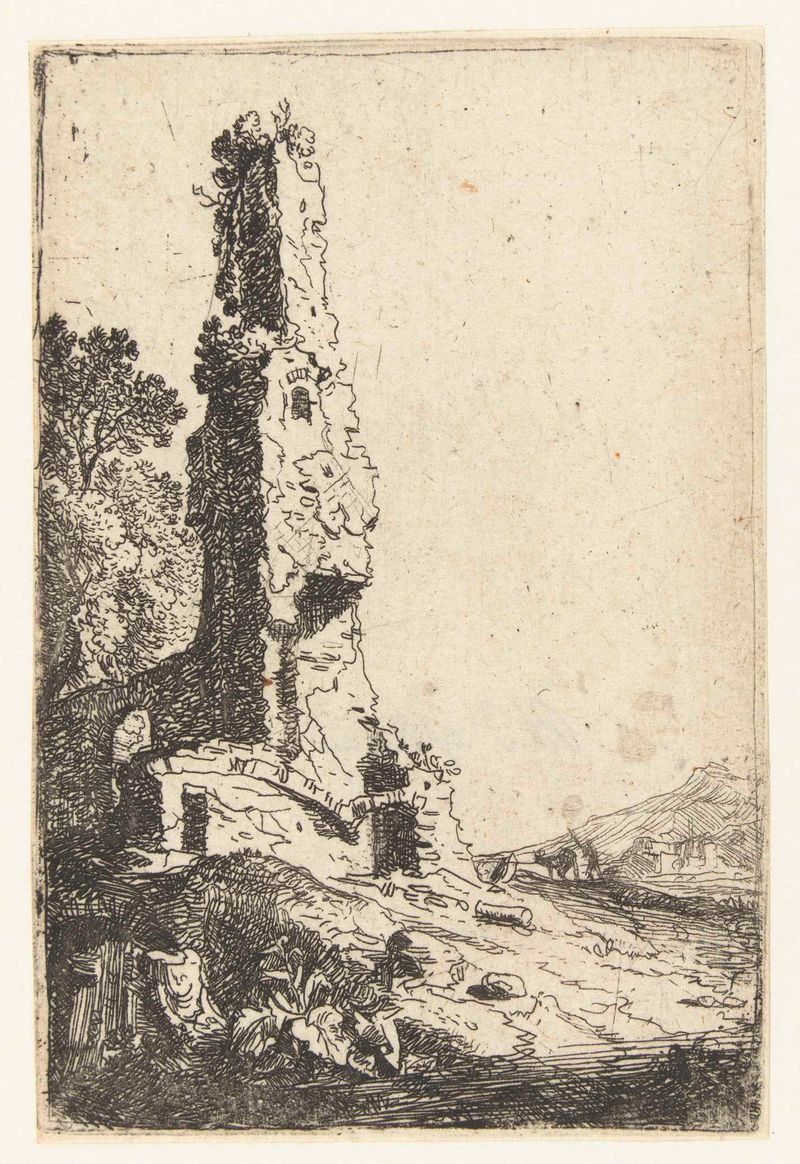
Ruïnes van de stadsmuren van Rome
Bartholomeus Breenbergh
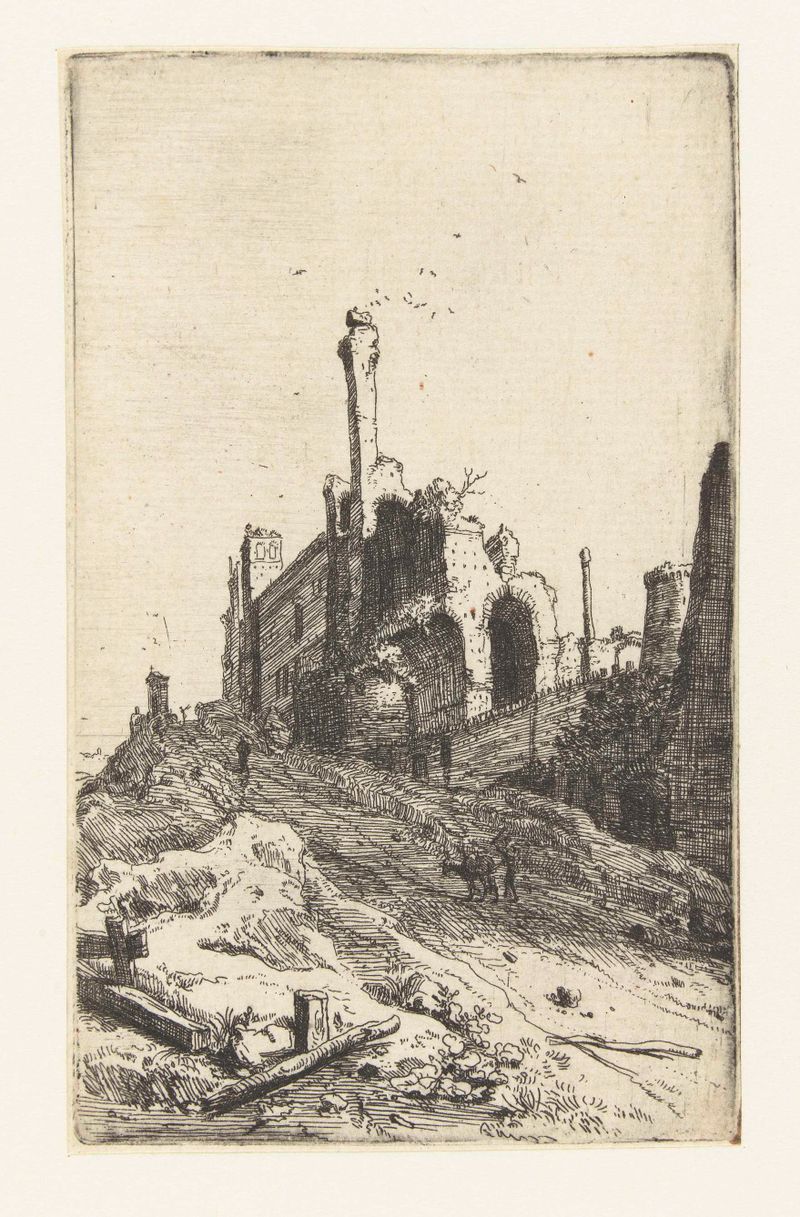
Ruïnes van een paleis te Tivoli
Bartholomeus Breenbergh

Figures Among Ruins By The Tiber
Bartholomeus Breenbergh

Italian Landscape with the Aurelian Wall
Bartholomeus Breenbergh
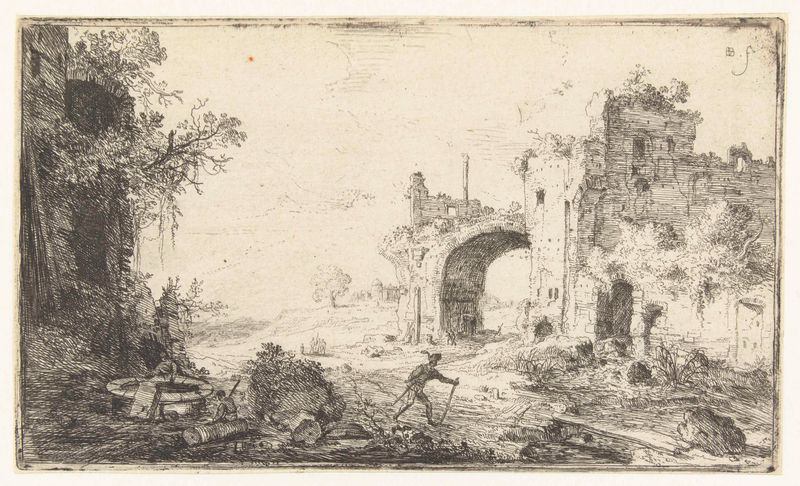
Ruïnes van de thermen van Caracalla
Bartholomeus Breenbergh
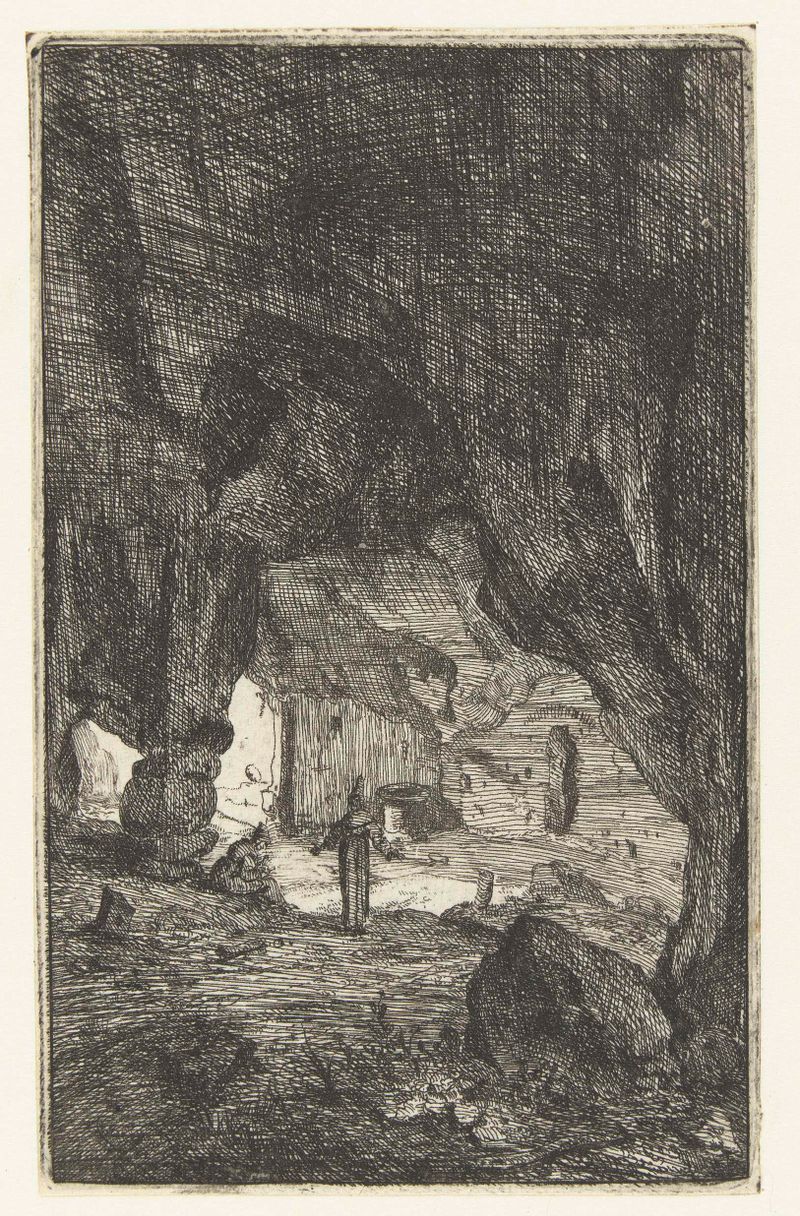
Interieur van een grot
Bartholomeus Breenbergh
More Religious Art
Browse all →
The Return of the Prodigal Son
Rembrandt van Rijn

The Garden of Earthly Delights
El Bosco

Count Orgaz’ funeral
El Greco

The Hundred Guilder Print: the central piece with Christ preaching, the plate arched
Rembrandt van Rijn

The Descent from the Cross
Rogier van der Weyden

The return of the prodigal son
Rembrandt van Rijn