
The Rise — History & Facts
In The Rise, a quiet yet powerful testament to resilience unfolds, revealing the interplay of faith and nature's wrath. Look to the center of the canvas where a lone figure stands resolute against the tumultuous sea. The waves crash and churn with furious energy, their frothy edges catching glimmers of light reflecting an impending storm. Notice how the rich blues and whites depict the chaos, while the warm earth tones of the figure's clothing ground the scene in humanity.
The horizon looms ominously, lending a weight to the atmosphere that speaks of struggle yet hints at hope. Delve deeper, and you will find that the figure's stance is both defiant and prayerful, embodying the struggle between man and the untamed forces of nature. The subtle tension between the wildness of the ocean and the unwavering presence of the individual evokes the eternal dance of faith amid adversity. Each stroke conveys emotion, capturing the essence of belief as a lifeline when faced with overwhelming odds. In 1900, Winslow Homer painted this work during a period of significant change in American art, as artists were beginning to explore more modern themes.
Living in Maine, he remained closely connected to the sea, drawing inspiration from both its beauty and ferocity. At this time, his exploration of natural subjects reflected broader societal shifts, as the nation grappled with issues of identity and resilience in the face of transformation.
More Artworks by Winslow Homer
Browse all →
The Gulf Stream
Winslow Homer
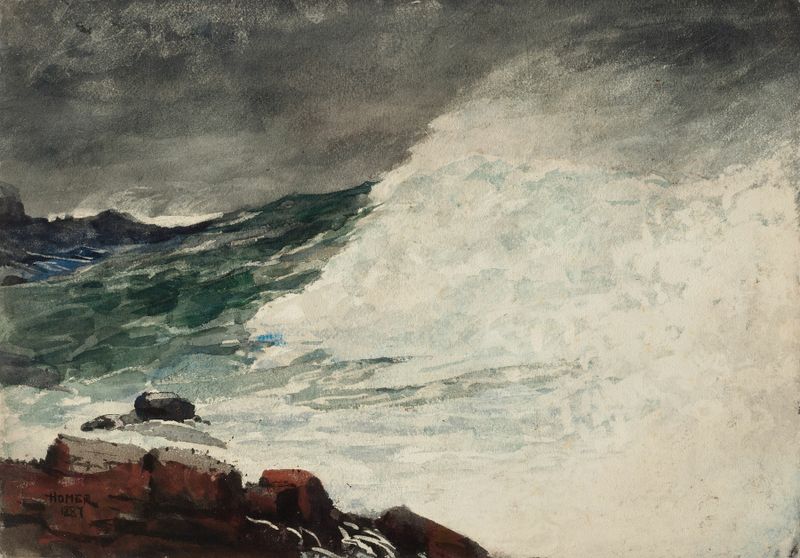
Prout’s Neck, Breaking Wave
Winslow Homer
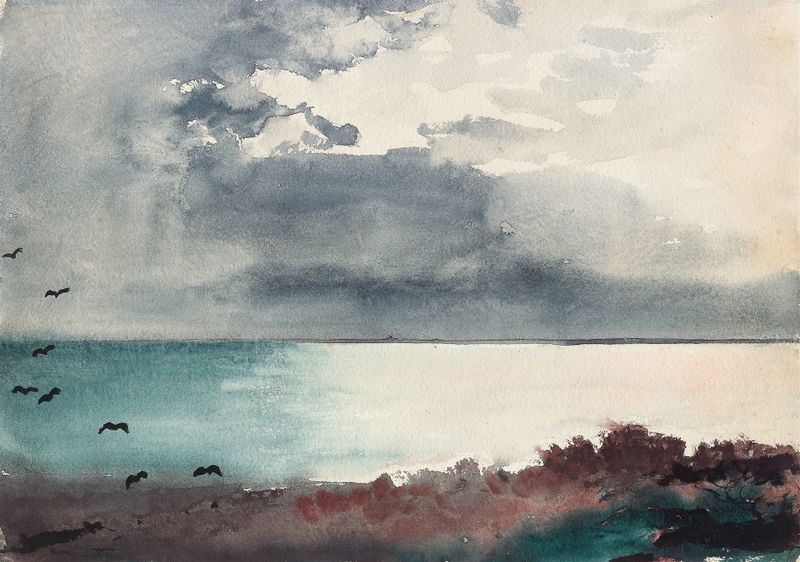
Breaking Storm, Coast of Maine
Winslow Homer
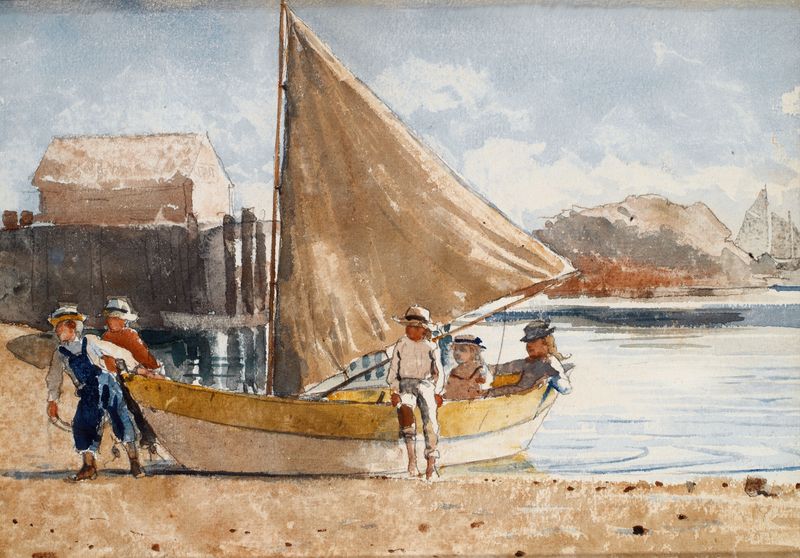
Summertime
Winslow Homer
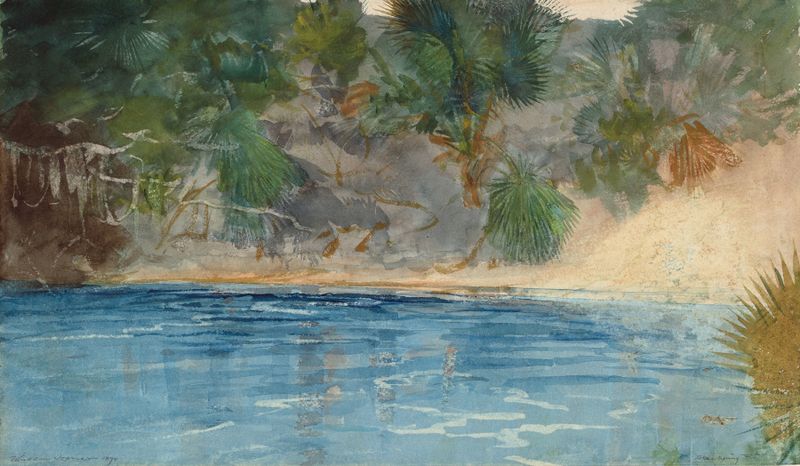
Blue Spring, Florida
Winslow Homer
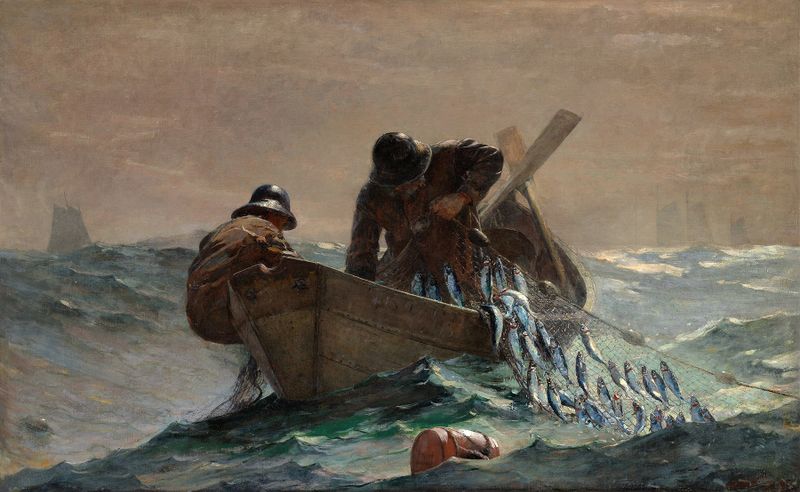
The Herring Net
Winslow Homer
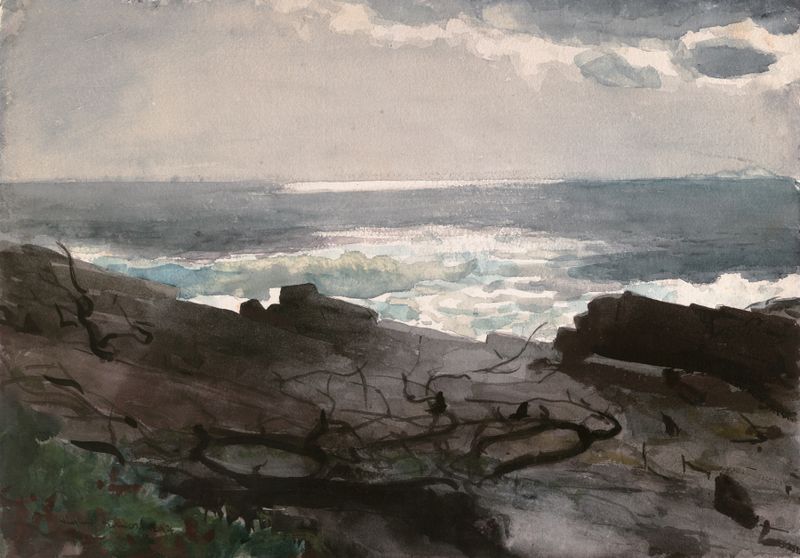
Sunshine and Shadow, Prout’s Neck
Winslow Homer
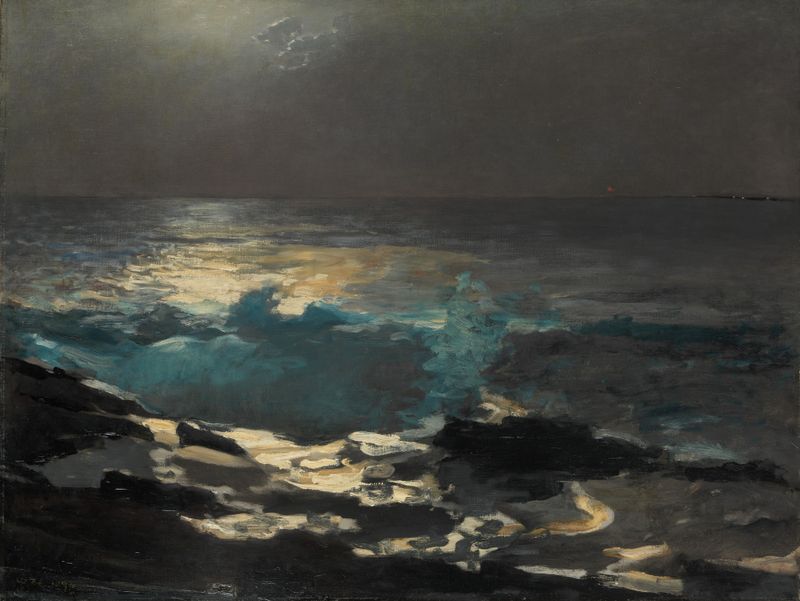
Moonlight, Wood Island Light
Winslow Homer
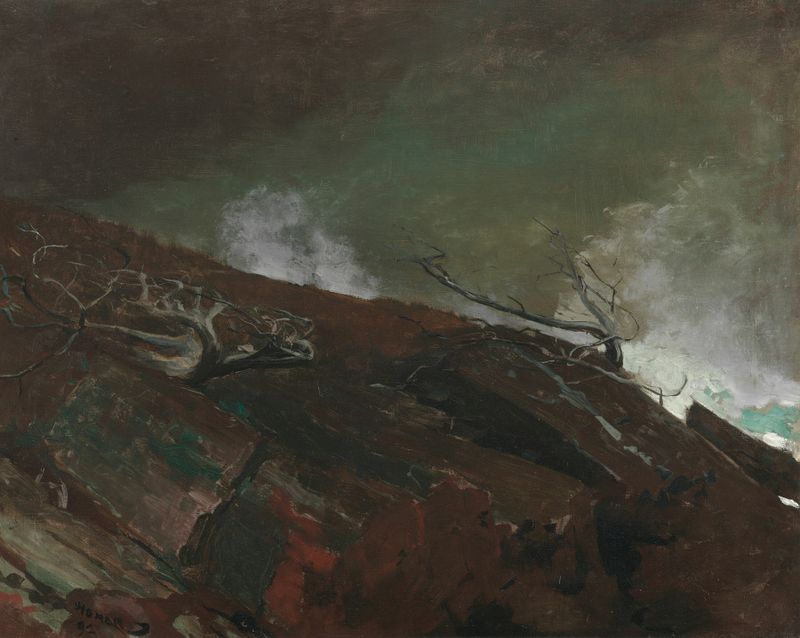
Coast of Maine
Winslow Homer
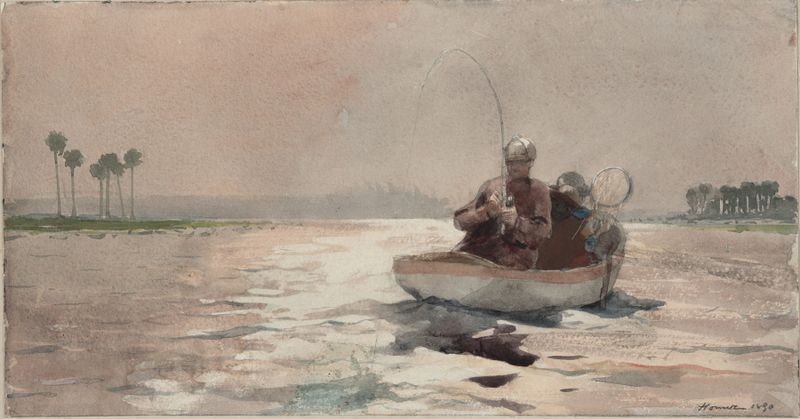
Bass Fishing – Florida
Winslow Homer




