
The Sculptor's Studio — History & Facts
A single shaft of light lands on the sculptor’s hand, poised mid-gesture, as if caught in the act of conjuring form from formlessness. The drama of the scene unfolds in layers: a colossal nude statue looms above, its muscular back and outstretched limbs dominating the upper half of the canvas, while below, three figures huddle in concentration around a tabletop. One cradles a rough block, another studies a finished statuette, and the third, adorned with a plume, gazes upward in rapt attention.
The contrast between the monumental model and the intimate, almost theatrical gathering below draws the viewer into the tension between idea and execution, inspiration and labor. Painted in the 1680s, The Sculptor’s Studio by Adriaen van der Werff belongs to a world where the artist’s workshop was both a site of creation and a stage for intellectual ambition. In the Dutch Golden Age, such images celebrated the status of the artist as both craftsman and thinker, echoing the era’s fascination with antiquity and the human body. History has kept few traces of this particular painting’s journey, but its careful composition and luminous surfaces are hallmarks of van der Werff’s style, admired for blending northern precision with Italianate grace.
The painting invites us to linger, to trace the path from clay to marble, from fleeting gesture to enduring form.
More Artworks by Adriaen van der Werff

Descent from the Cross
Adriaen van der Werff
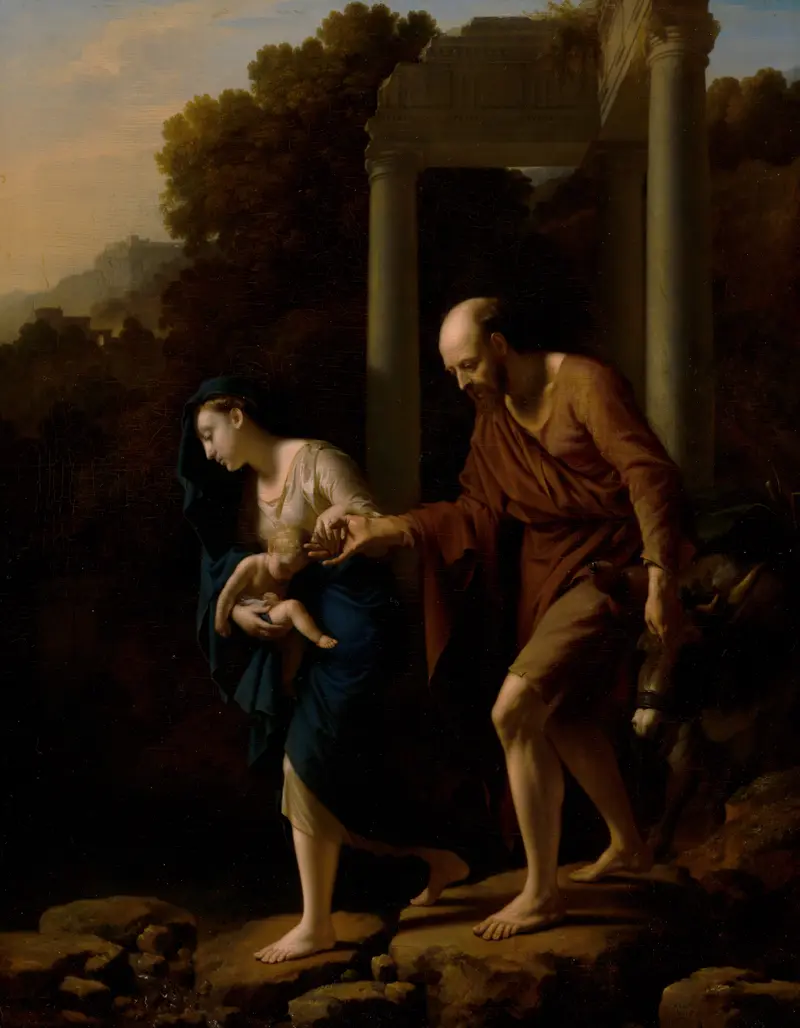
The Flight into Egypt
Adriaen van der Werff
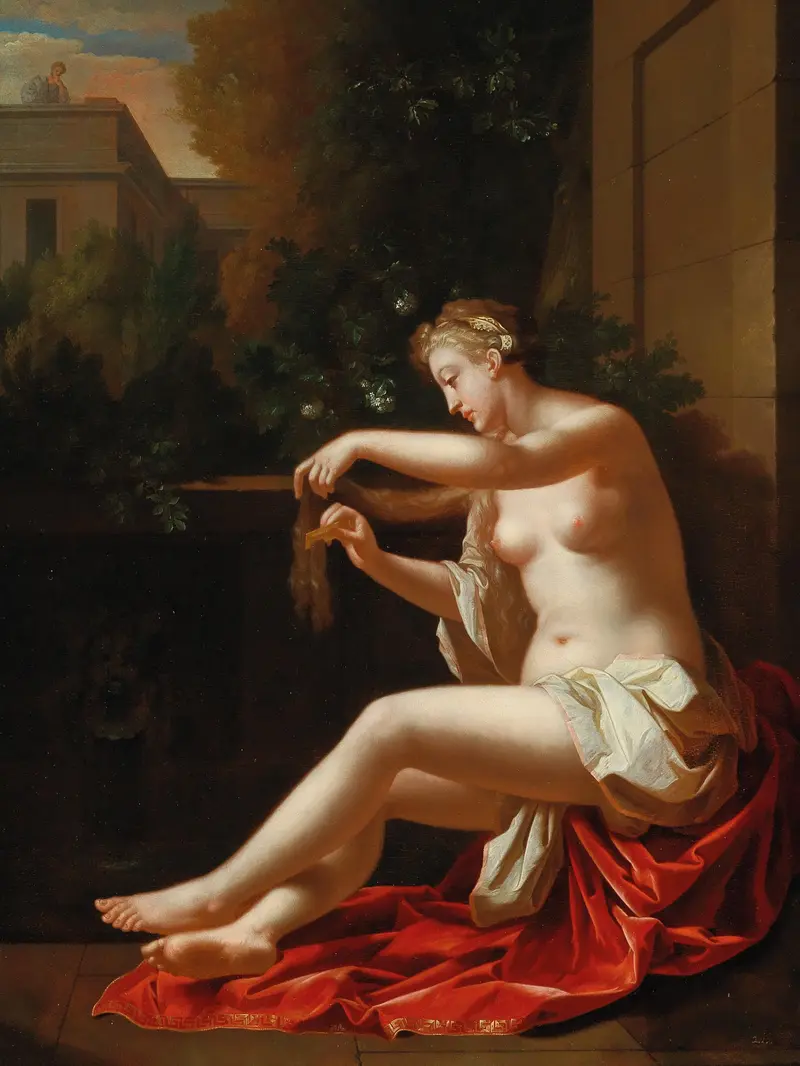
Bathsheba
Adriaen van der Werff
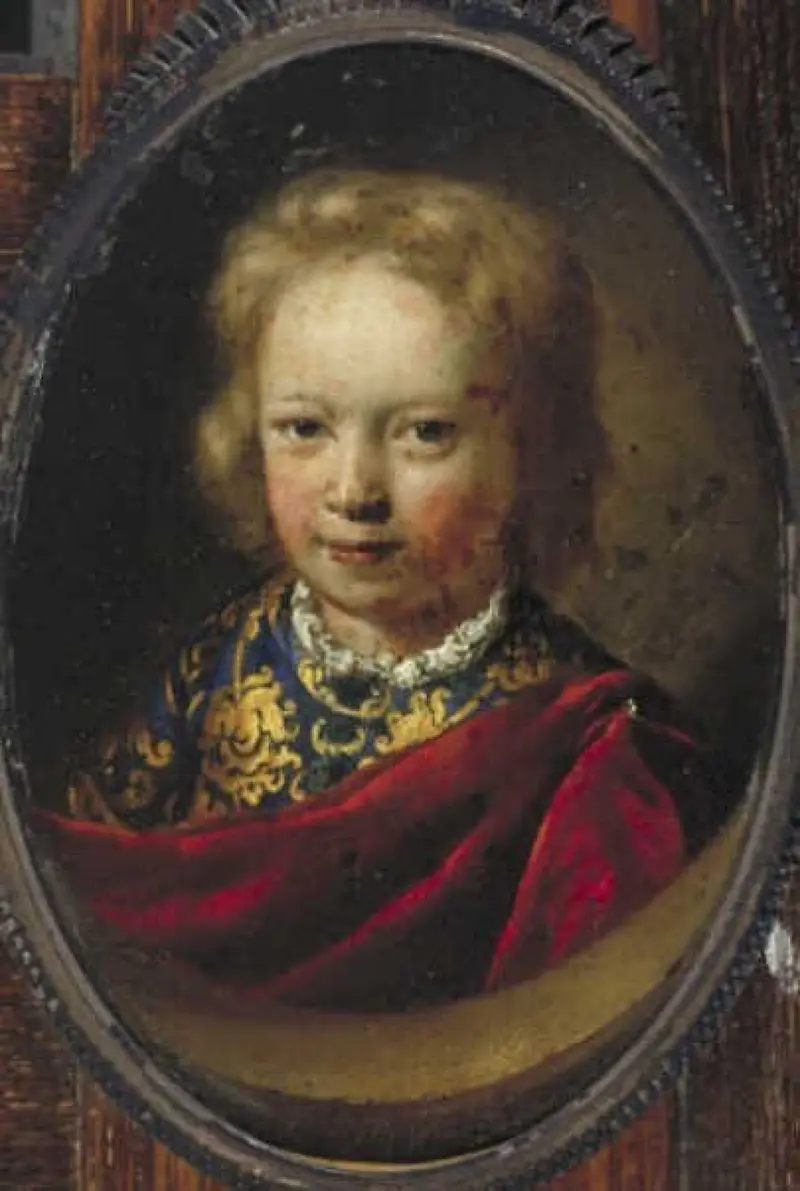
Portrait of Johan Versijden de Jonge
Adriaen van der Werff
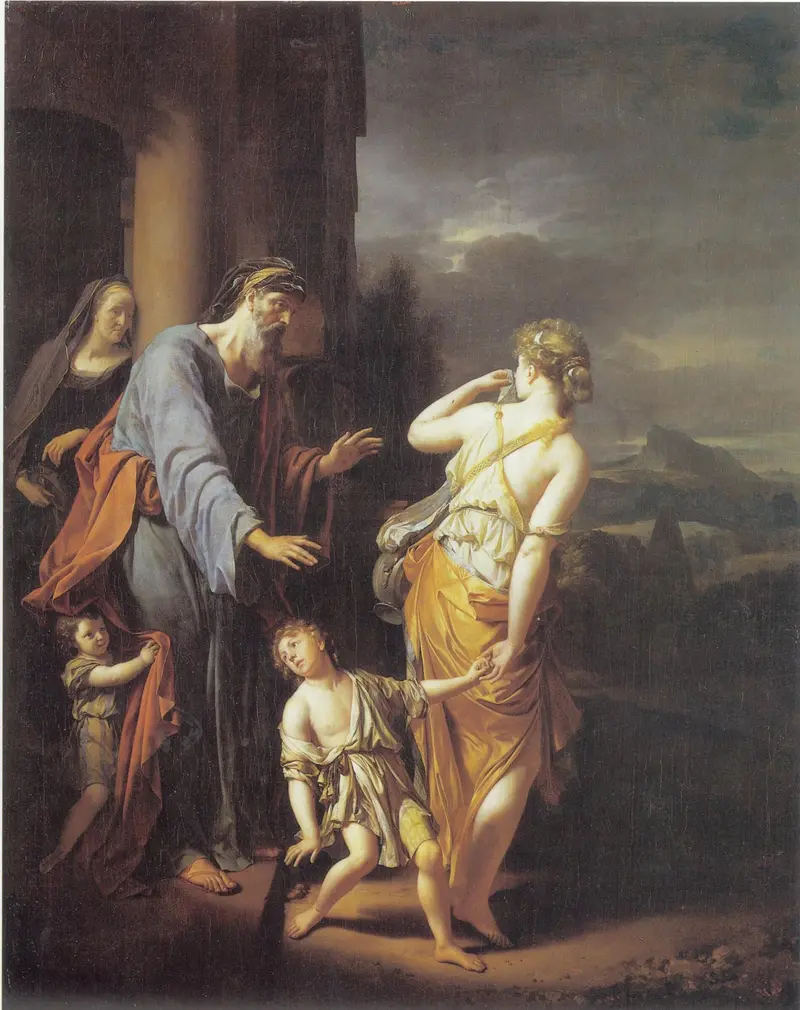
The Banishment of Hagar
Adriaen van der Werff
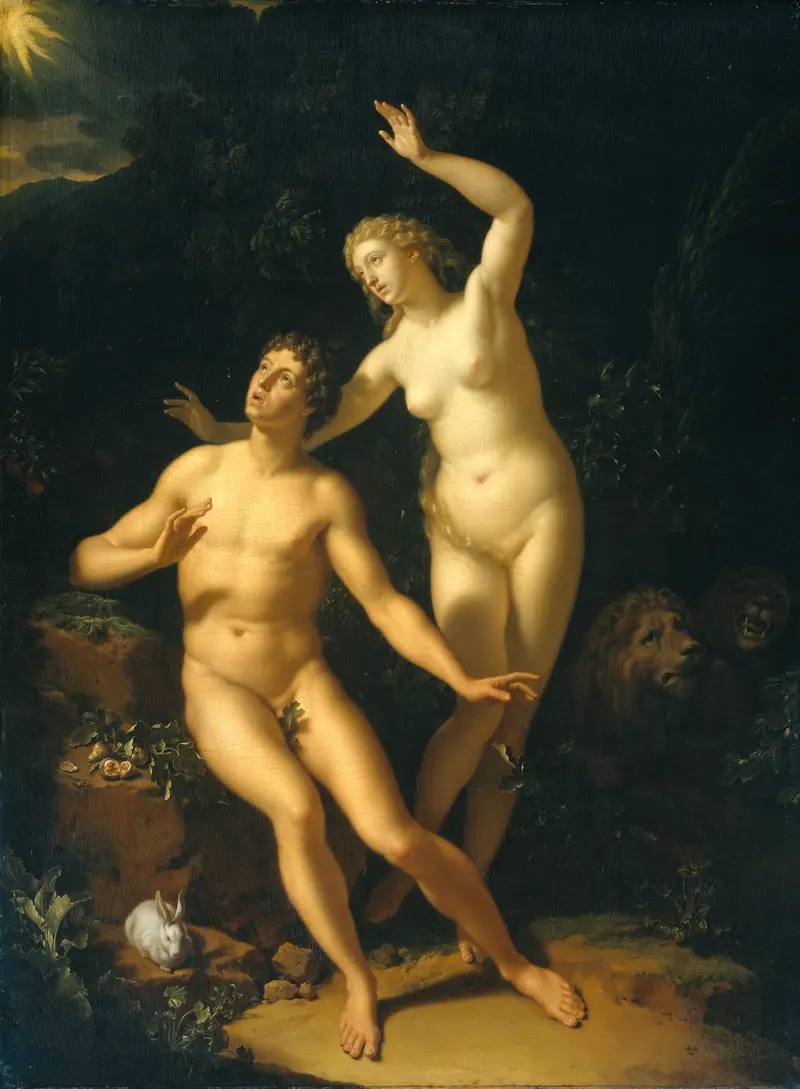
God Holds Adam and Eve Responsible
Adriaen van der Werff

Bubble-blowing Girl with a Vanitas Still Life
Adriaen van der Werff
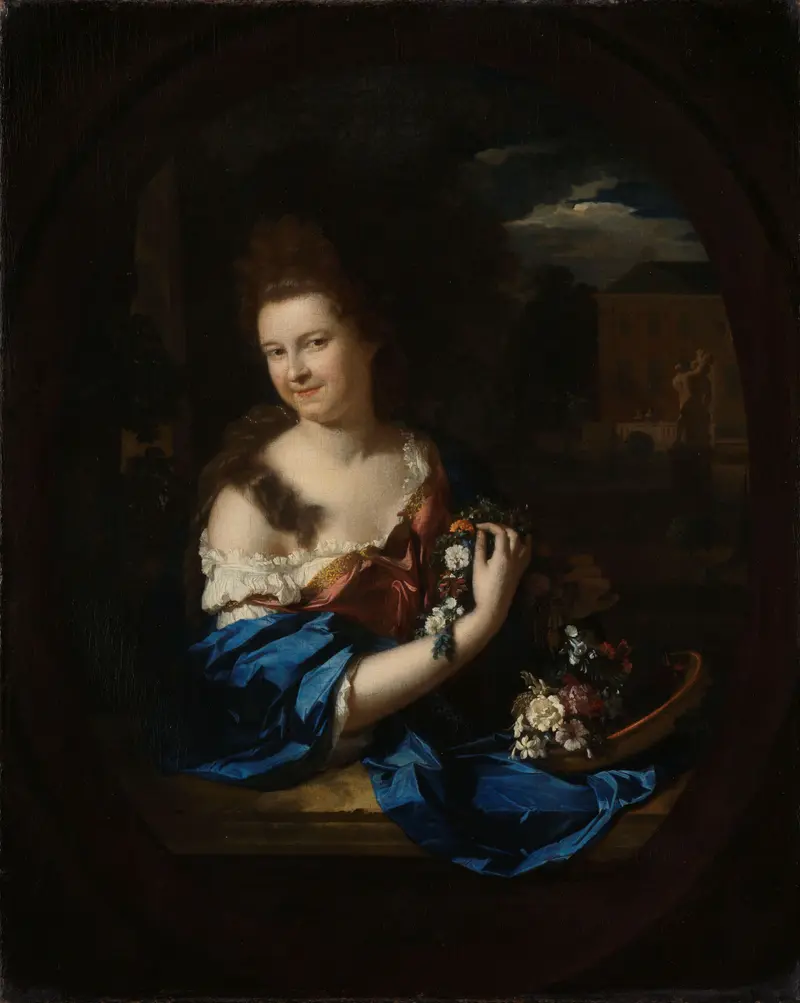
Portrait of Margaretha Rendorp (1673-1730), wife of Jan van de Poll
Adriaen van der Werff
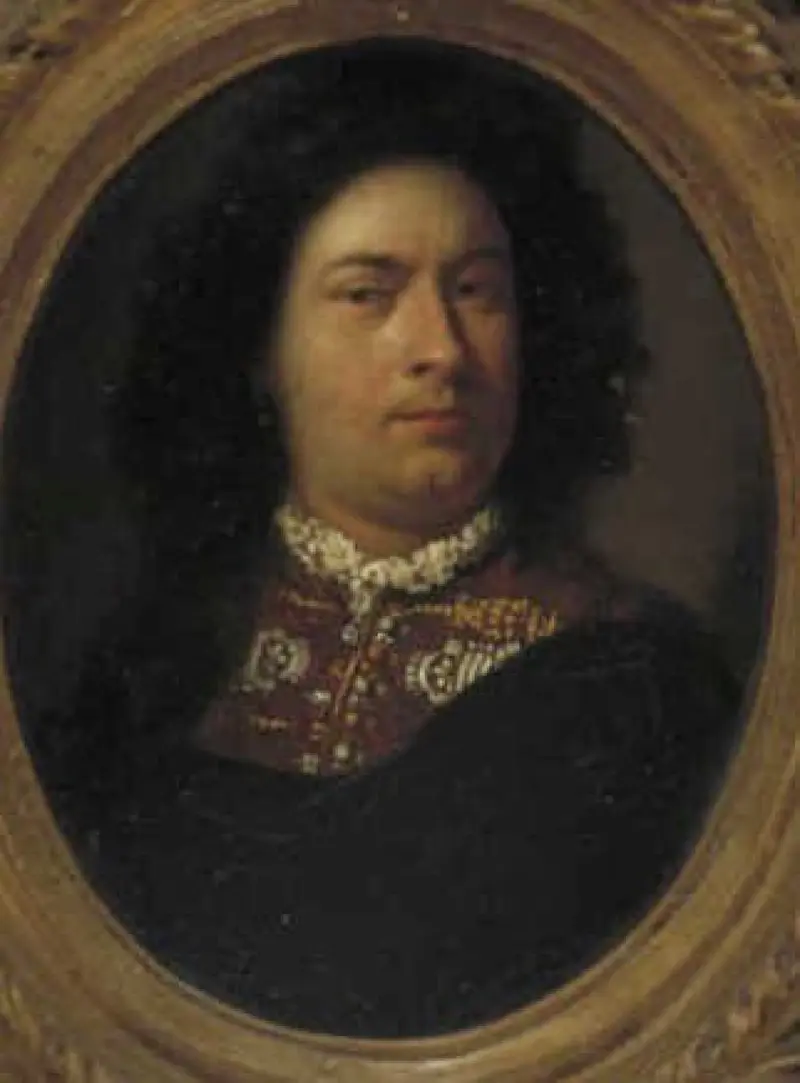
Portrait of Jacob Hendricksz. Vingerhoed
Adriaen van der Werff
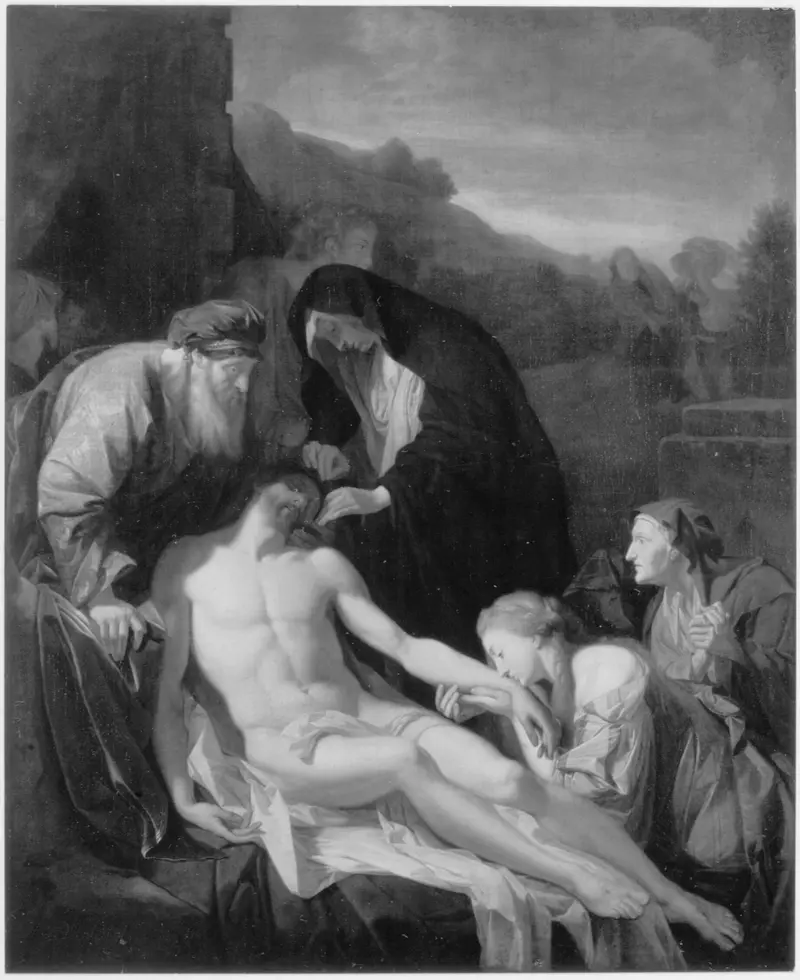
The burial of Christ
Adriaen van der Werff





