
The Sea in Spring — History & Facts
Could beauty survive in a century of chaos? In The Sea in Spring, the artist captures a moment filled with promise and decay, inviting viewers to ponder this question. First, look to the horizon where soft blues and greens meld seamlessly, creating a tranquil dialogue between sea and sky. Notice the subtle brushwork that conveys the gentle undulation of the waves, bringing the ocean to life. The light sparkles across the surface, evoking a sense of both vitality and fragility.
The foreground, however, holds a contrast; the sandy shore, painted in muted browns and ochres, speaks of a landscape touched by time — a reminder of nature's inevitability. Within the harmonious palette lies a tension between renewal and decline. The vibrant colors signal the awakening of spring, yet the muted shore hints at the remnants of a harsher past. This duality reflects the intricate dance between life and decay, suggesting that beauty persists even amidst the ruin.
Each stroke seems to whisper the story of a landscape constantly evolving, reminding us that even in decay, there resides a certain grace. In 1911, while creating this work, Władysław Ślewiński was deeply engaged with post-impressionism, influenced by a blend of natural observation and emotional expression. Living in France at the time, he was part of a burgeoning art movement that celebrated color and texture, a vibrant response to the rapidly changing world. Amidst the chaos of a continent on the brink of war, his art sought solace and beauty in nature, reflecting a yearning for peace in turbulent times.
More Artworks by Władysław Ślewiński
Browse all →
Rough sea
Władysław Ślewiński
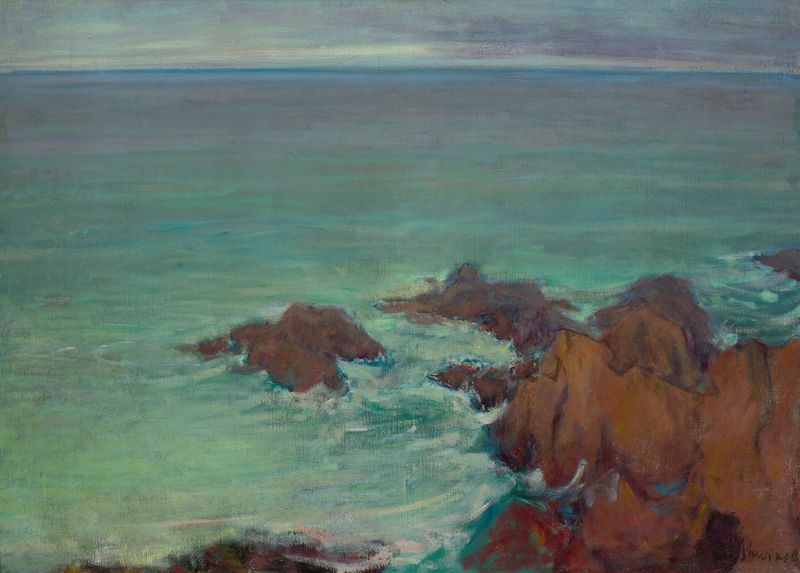
Sea in Brittany
Władysław Ślewiński
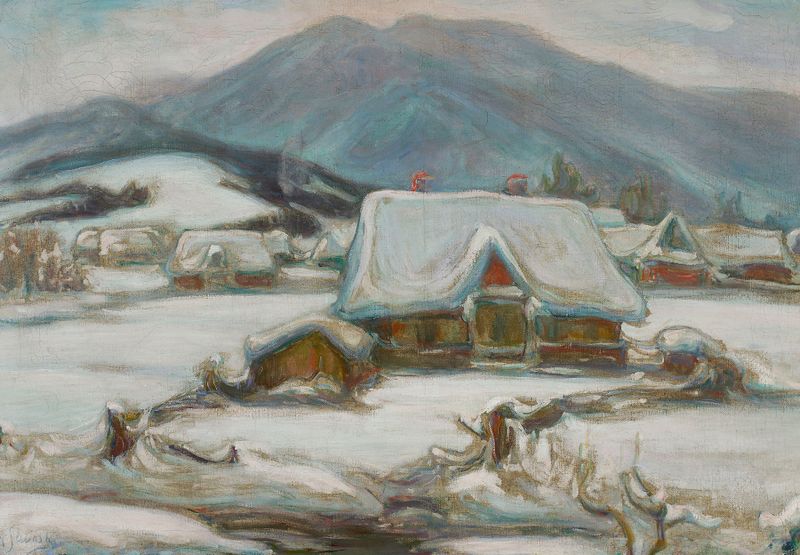
Cottages in the snow
Władysław Ślewiński

Sea
Władysław Ślewiński

Waves in a rocky bay
Władysław Ślewiński

Sea with white waves
Władysław Ślewiński
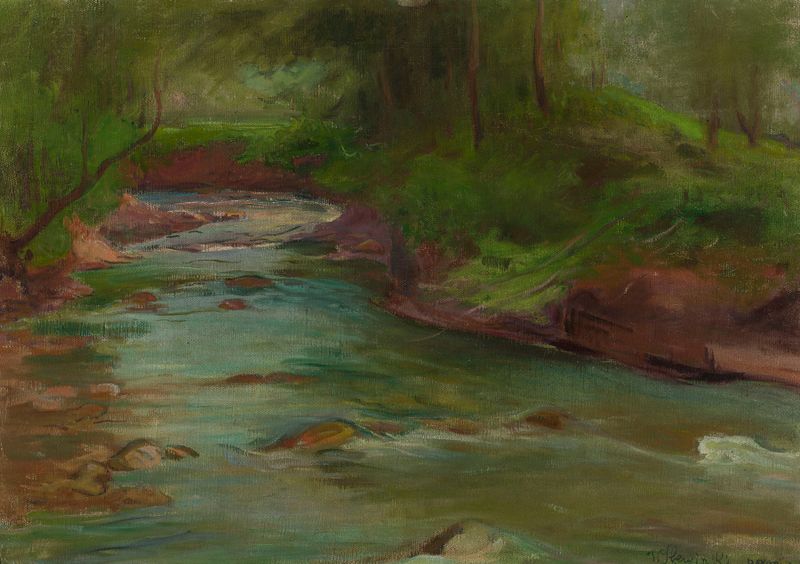
Mountain stream – in the Tatra Mountains below Mt Nosal
Władysław Ślewiński
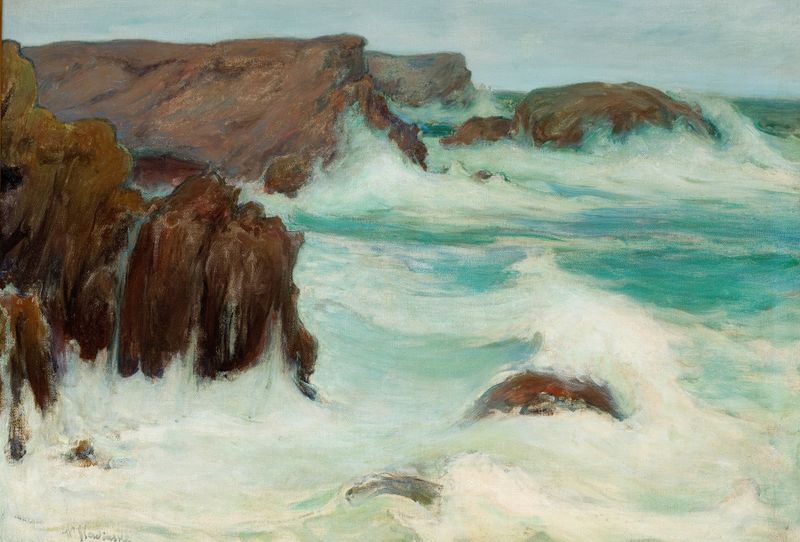
The Sea in Brittany
Władysław Ślewiński

A Coastal Landscape
Władysław Ślewiński

Sea at night
Władysław Ślewiński





