
The Seine and the hillsides of Dieppedalle — History & Facts
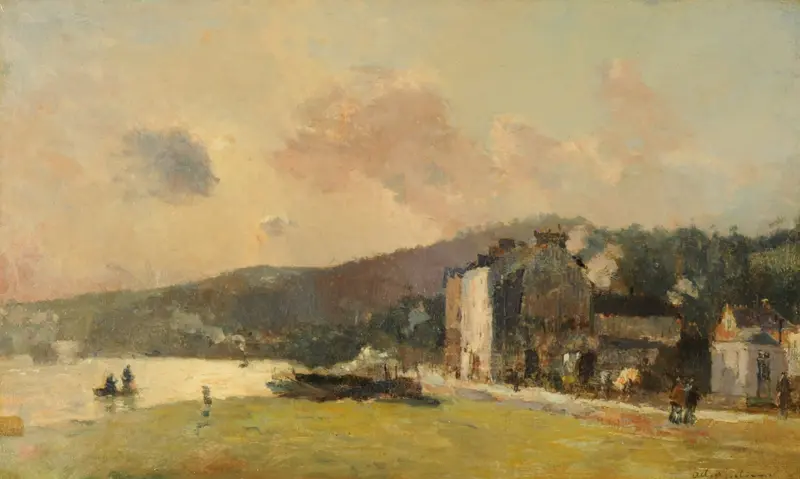
A pale, radiant sky takes command here, stretching across the canvas in a tapestry of soft blues, creams, and fleeting pinks. The river below is less a mirror than a gentle echo, catching the sky’s shifting moods in its rippling surface. Your gaze is drawn along the water’s edge, where the brushwork grows denser and more urgent, suggesting reeds and wild grasses that blur into the riverbank.
On the right, a quiet road slips away beneath trees that seem to vibrate with color, their foliage rendered in quick, confident strokes. The composition invites you to imagine the hush of this riverside moment, where the world is stilled by light and air. Works like The Seine and the hillsides of Dieppedalle by Albert Charles Lebourg belong to the era when French artists turned their eyes to the landscapes that shaped their lives, painting en plein air to capture the fleeting effects of weather and time. The Impressionists and their followers, Lebourg among them, were fascinated by the mutable character of water and sky, often returning to the same sites to observe their endless transformations.
The date and medium of this painting remain unrecorded, and history has kept few traces of its journey, but it now appears in the collection of Christie’s, a reminder of how such scenes were cherished as both souvenirs and experiments in seeing. Let your eyes linger on the brushstrokes—the real subject here is the act of looking itself.
More Artworks by Albert Charles Lebourg

Le Jardin du Docteur Viau
Albert Charles Lebourg
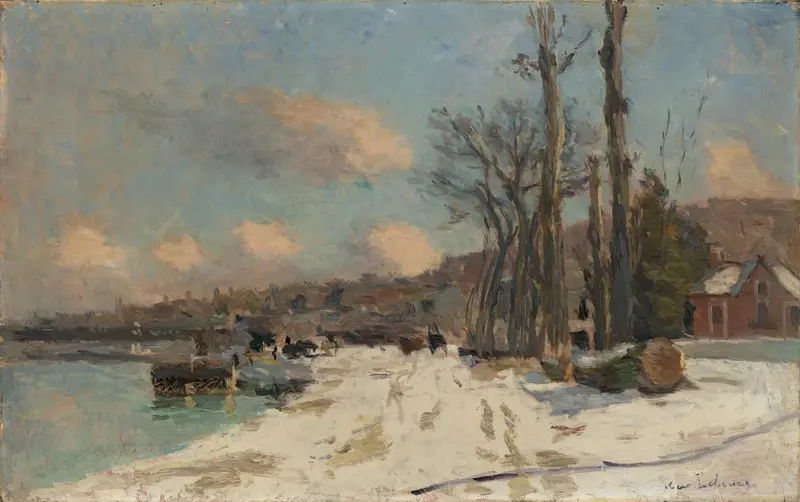
Snow Scene at Bougival
Albert Charles Lebourg
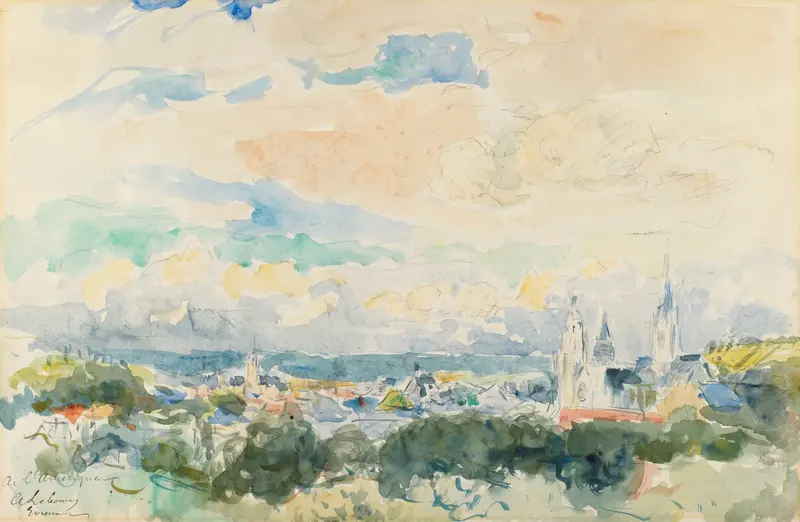
Sketch of a Village
Albert Charles Lebourg
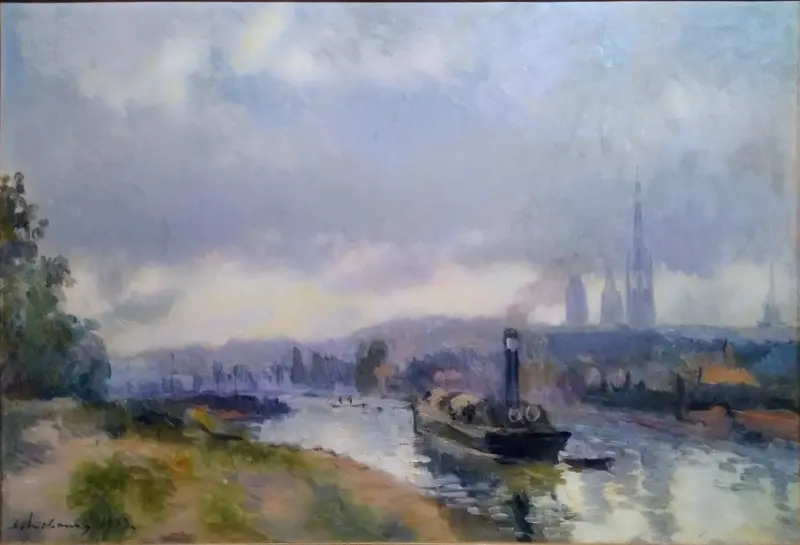
Remorqueurs à Rouen
Albert Charles Lebourg
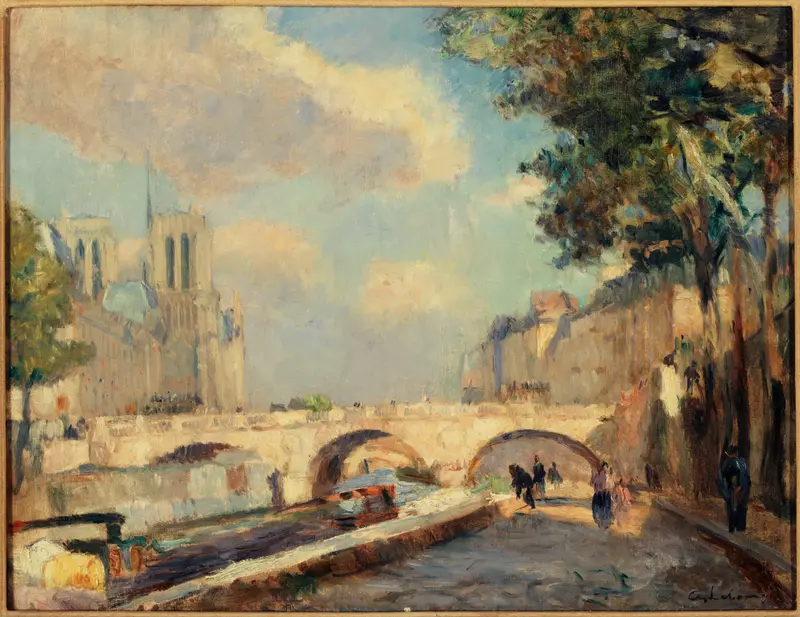
Le pont Saint Michel et Notre Dame, vus du quai des Grands Augustins P459 Musée Carnavalet
Albert Charles Lebourg
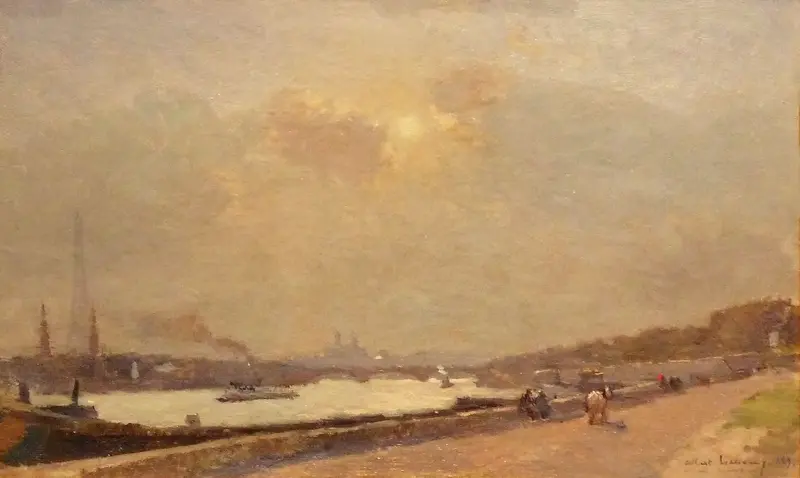
Banks of the Seine, Cours La Reine
Albert Charles Lebourg
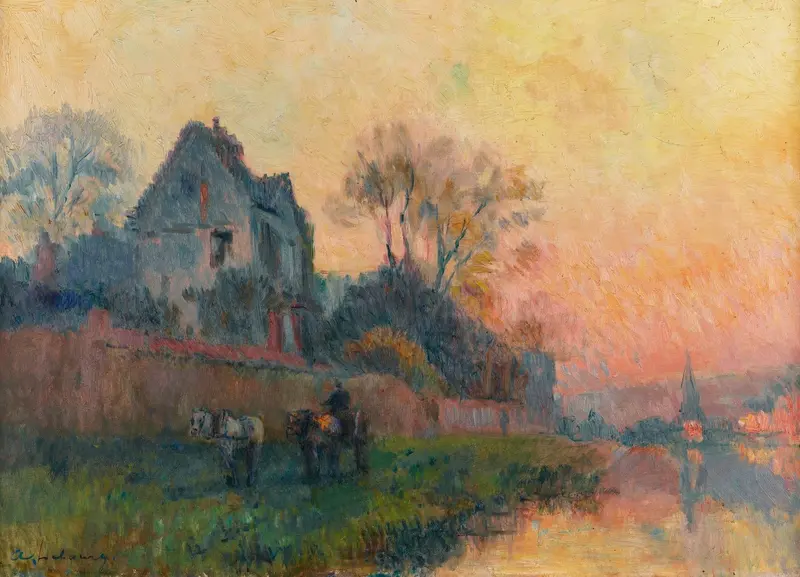
Bords de Seine à Chatou, oil on canvas, 46.4 by 65.1cm, 18.25 by 25.6 in
Albert Charles Lebourg
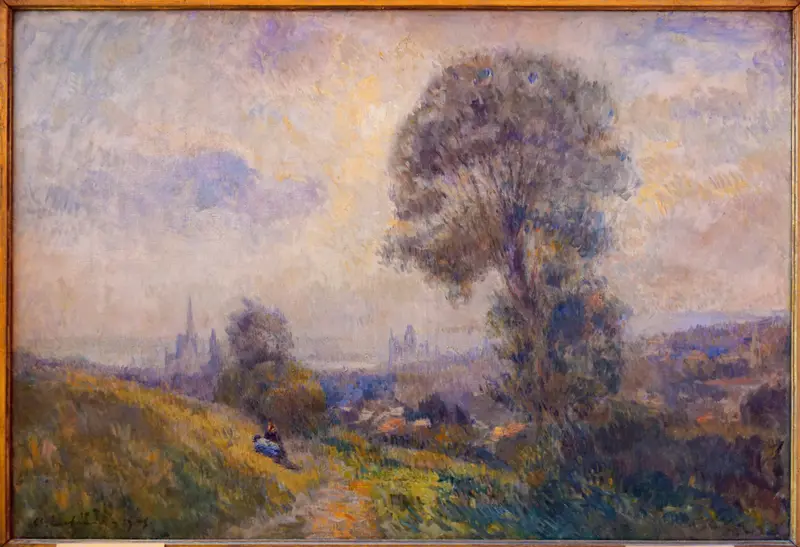
Camaret. The Harbor During a Thunderstorm
Albert Charles Lebourg
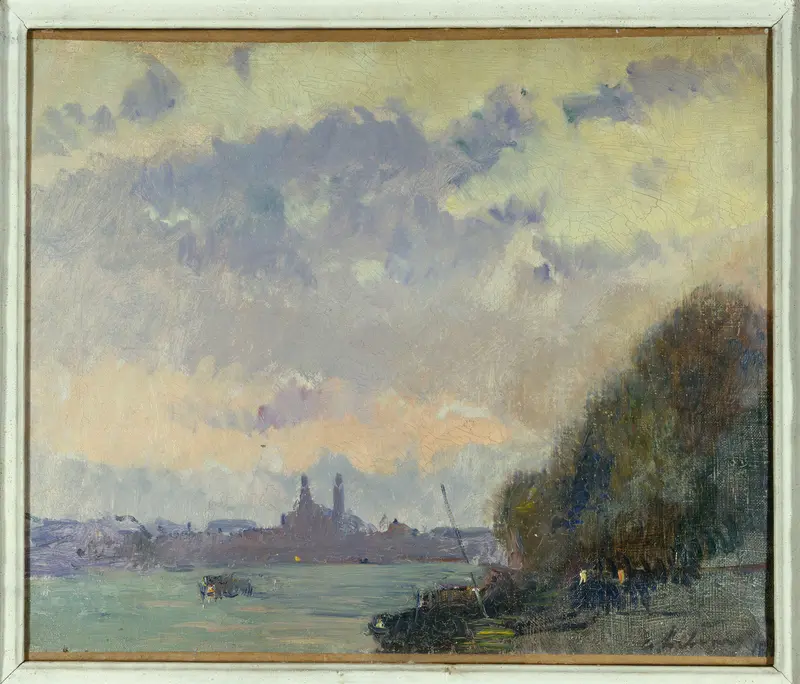
La Seine et l'ancien Trocadéro P2269 Musée Carnavalet
Albert Charles Lebourg
La Seine à Croisset, près de Rouen
Albert Charles Lebourg
More Landscape Art

The Starry Night
Vincent van Gogh

View of Delft
Johannes Vermeer

Water Lilies
Claude Monet

The Grand Canal, Venice, looking north-west from the Ca' Corner to the Ca' Contarini degli Scrigni, with the campanile of Santa Maria della Carità
Canaletto

Windsor Castle
Canaletto

The Grand Canal looking North-East from the Palazzo Dolfin-Manin to the Rialto Bridge
Canaletto