
The Seine at Argenteuil (La Seine à Argenteuil) — History & Facts
Can paint confess what words never could? In The Seine at Argenteuil, a quiet longing permeates the air, an unspoken nostalgia captured in the gentle strokes of the artist's brush. Look to the center of the canvas where the river meanders, glimmering under the soft embrace of sunlight. Notice how the blues and greens dance together, reflecting the serene depths of the water and the lush foliage lining its banks. To the left, a small sailboat drifts lazily, its white sail bright against the vibrant hues, inviting the viewer to explore the tranquility of this idyllic moment.
The brushwork is loose yet deliberate, forming a tapestry of light and shadow that conveys movement, while the rich palette evokes warmth and serenity. Delve deeper into the scene, and you’ll discover the emotional undertones that ripple beneath the surface. The boat, floating away, speaks to a sense of fleeting moments and the inevitable passage of time, hinting at desires that may never be fulfilled. The juxtaposition of light reflecting off the water and the shadows cast by the trees embodies a duality of hope and melancholy.
Each brushstroke whispers of life’s bittersweet beauty, inviting reflection on what is lost and what remains. In 1888, Renoir worked on this piece during a period of personal growth and artistic exploration, living in a vibrant community of artists in Argenteuil, France. This time was marked by a burgeoning Impressionist movement, where artists sought to capture the ephemeral qualities of light and atmosphere. Renoir’s engagement with the landscape around him offered not only a canvas for experimentation but also a canvas for his introspective journey—a reflection of both his life and the world around him.
More Artworks by Pierre-Auguste Renoir
Browse all →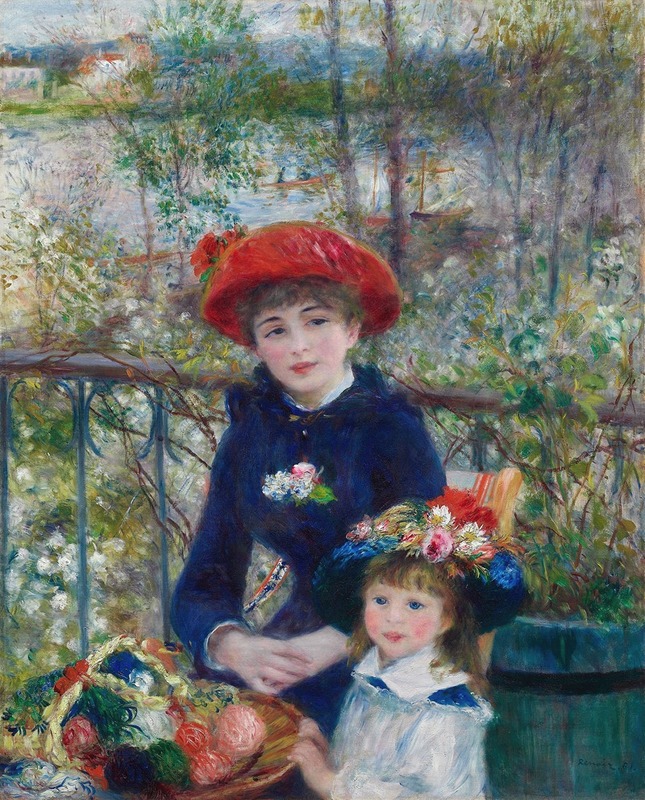
Two Sisters (On the Terrace)
Pierre-Auguste Renoir
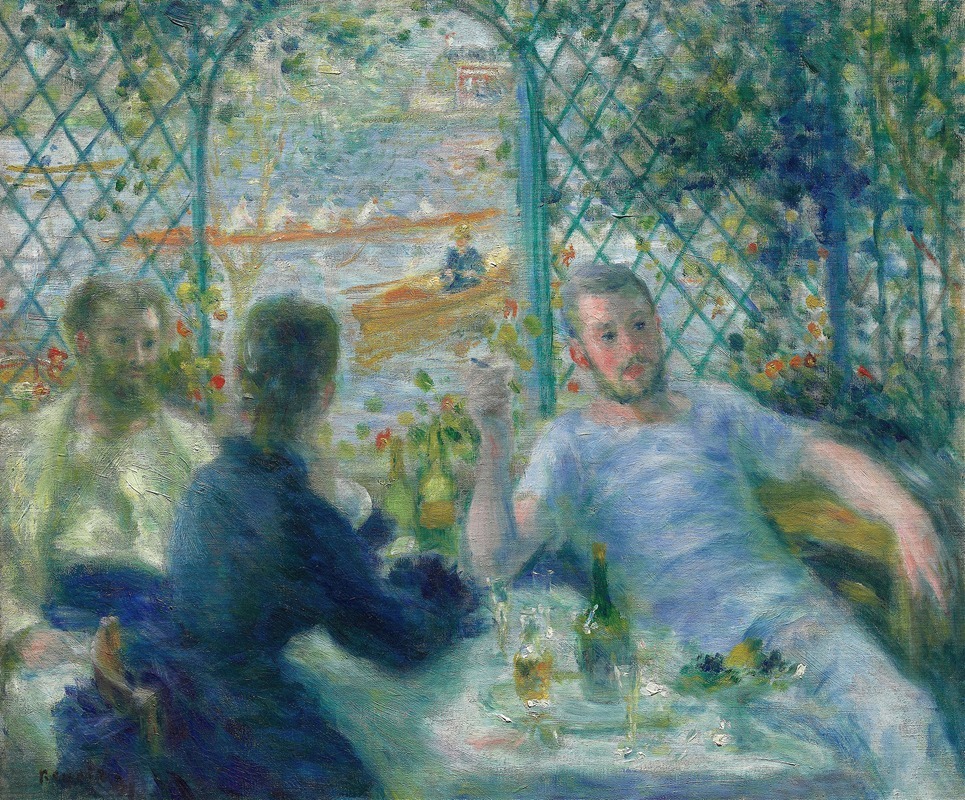
Lunch at the Restaurant Fournaise (The Rowers' Lunch)
Pierre-Auguste Renoir
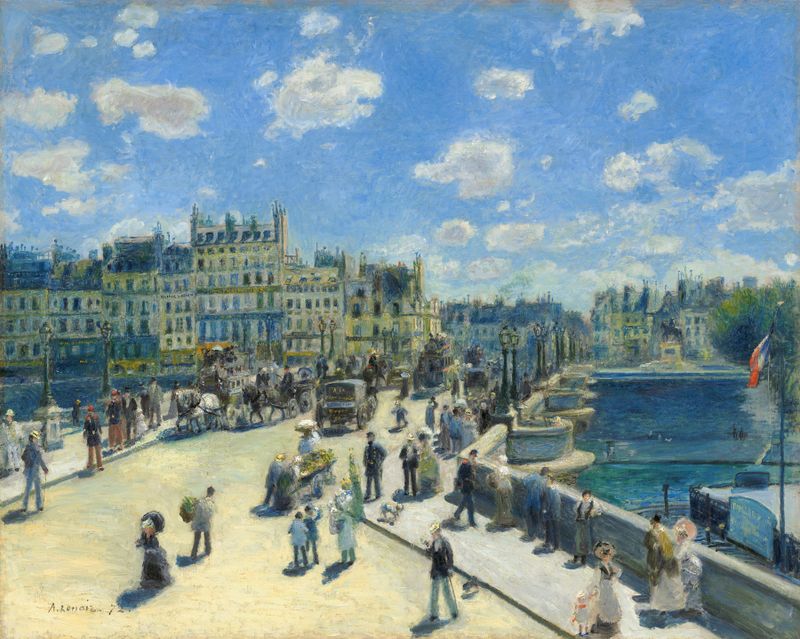
Pont Neuf, Paris
Pierre-Auguste Renoir
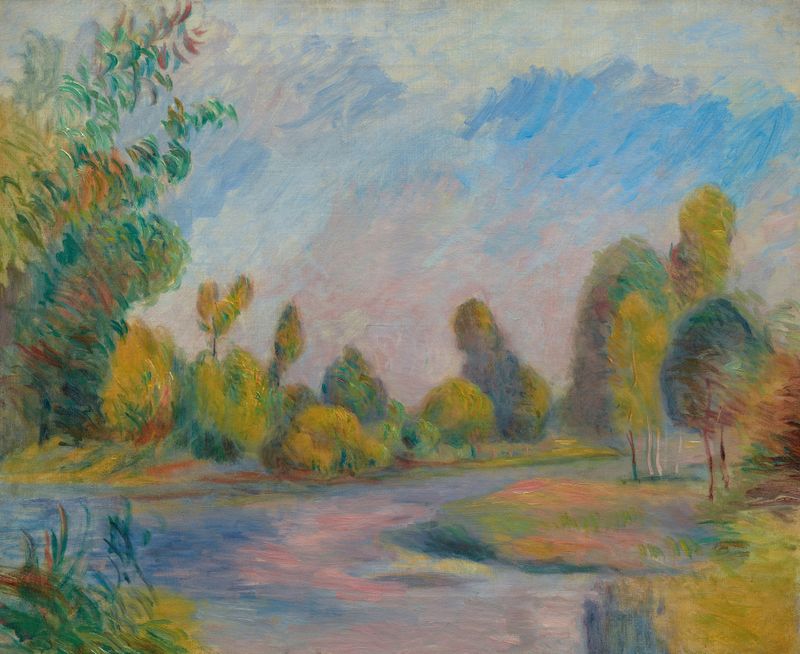
Au bord de la rivière
Pierre-Auguste Renoir

Near the Lake
Pierre-Auguste Renoir
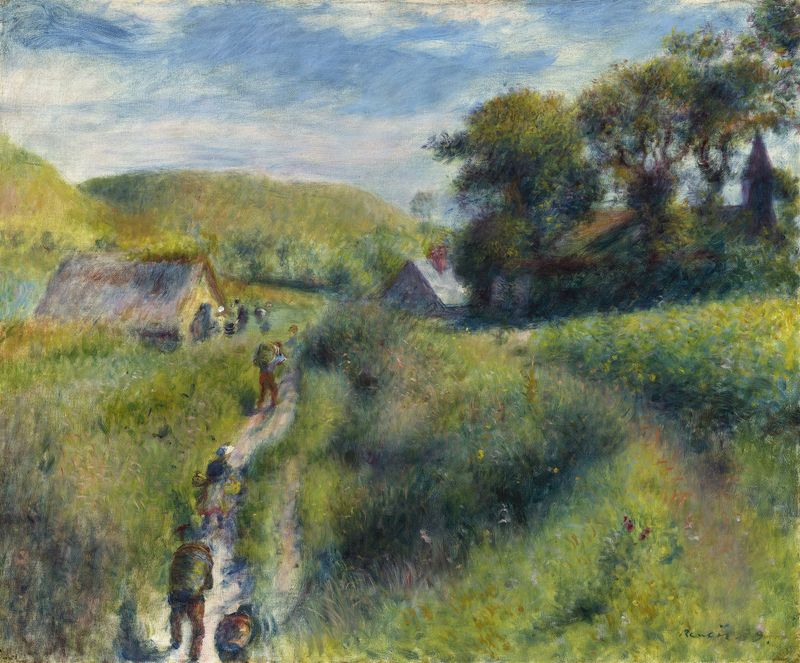
The Mussel Harvest
Pierre-Auguste Renoir

The Seine at Chatou
Pierre-Auguste Renoir
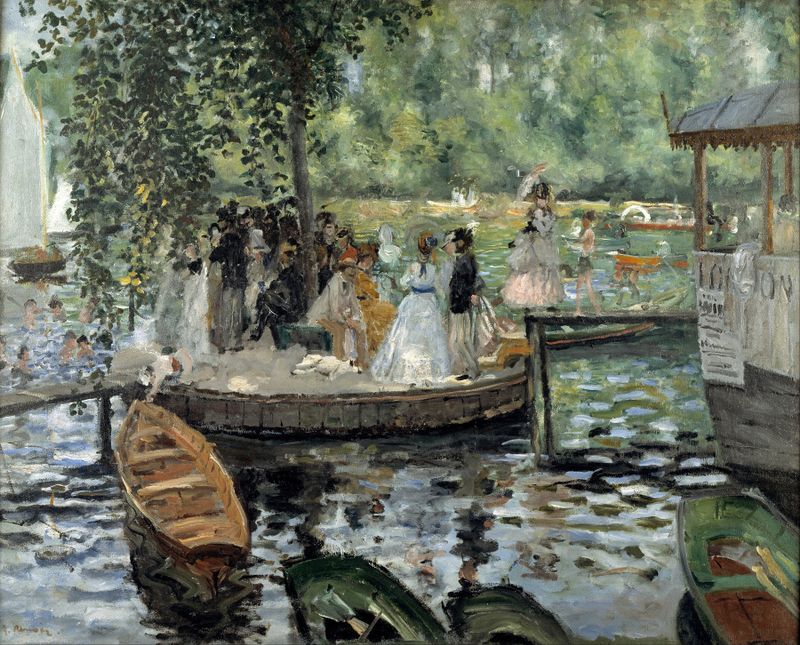
La Grenouillère
Pierre-Auguste Renoir
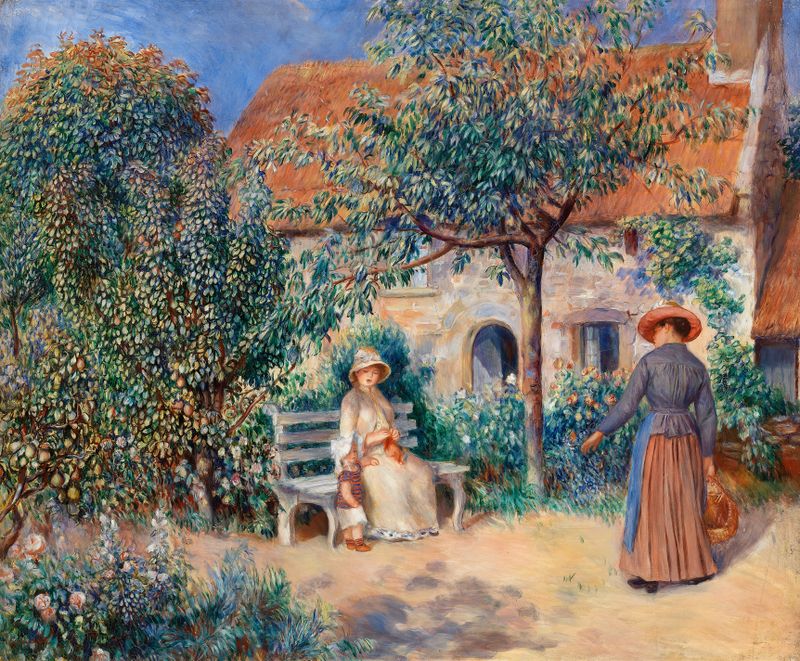
In Brittany (En Bretagne)
Pierre-Auguste Renoir
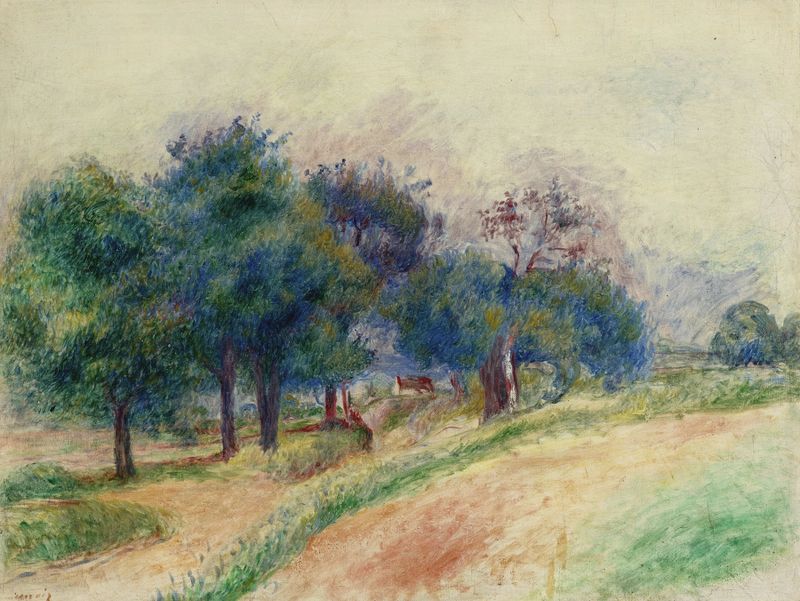
Paysage d’Essoyes
Pierre-Auguste Renoir





