
The Shepherd and his Flock — History & Facts
What secret hides in the quiet of the canvas? In the gentle embrace of nature, innocence flourishes, beckoning the viewer to explore the layers beneath the surface. Look to the left at the serene shepherd, his posture relaxed as he watches over his flock, a picture of tranquility amidst the verdant landscape. The soft greens and earthy browns dominate the palette, creating a harmonious balance that reflects a world untouched by chaos. Notice how the light filters through the trees, casting dappled shadows that dance playfully on the sheep, embodying a moment suspended in time where nature and humanity coexist peacefully. Delve deeper into the serene composition, and you’ll find the contrast between the vibrant life of the flock and the stillness of the shepherd.
Each sheep, with its textured wool, symbolizes purity and innocence, while the shepherd’s contemplative gaze hints at a deeper understanding of life’s impermanence. The gentle undulations of the hills convey a sense of continuity, whispering of the cycles of nature and the quiet strength of the pastoral life. Created in the 1860s, this work emerged during a period of profound transformation in France. Diaz de La Peña was a prominent member of the Barbizon School, which celebrated the beauty of rural landscapes and the everyday lives of ordinary people.
His artistic journey was marked by an exploration of light and atmosphere, drawing on the Romantic ideals of the time, while also reflecting a growing appreciation for realism in art.
More Artworks by Narcisse-Virgile Diaz de La Peña
Browse all →
Forest Scene
Narcisse-Virgile Diaz de La Peña
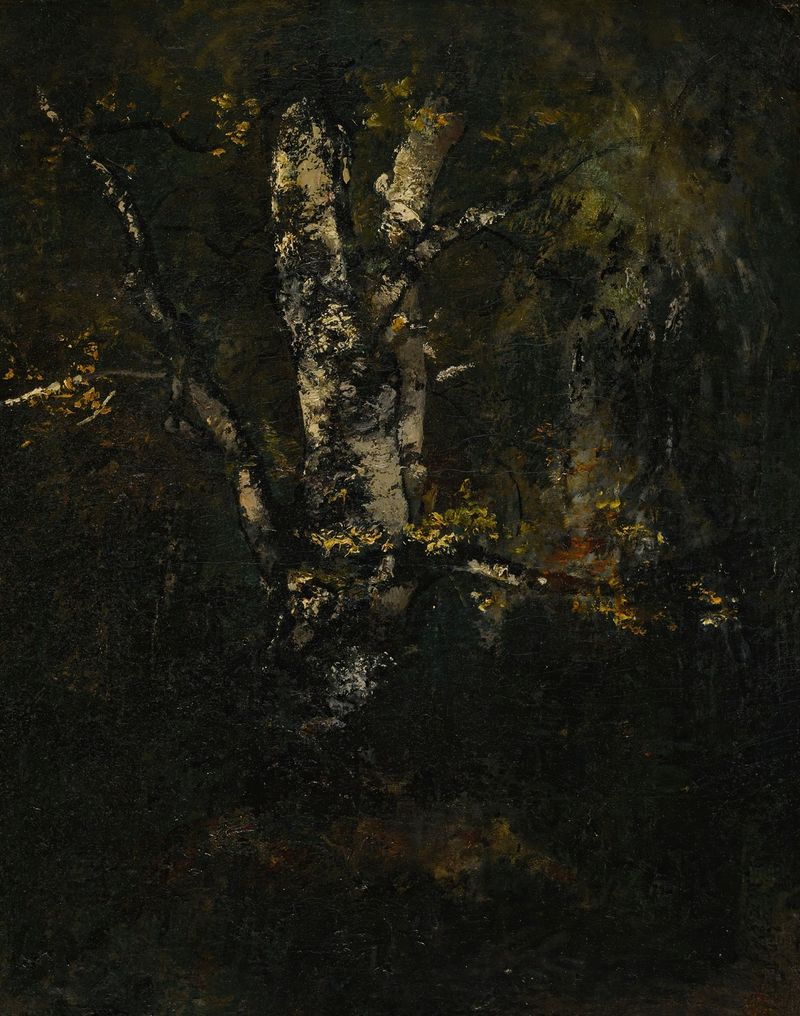
Vieux Troncs De Hêtres
Narcisse-Virgile Diaz de La Peña
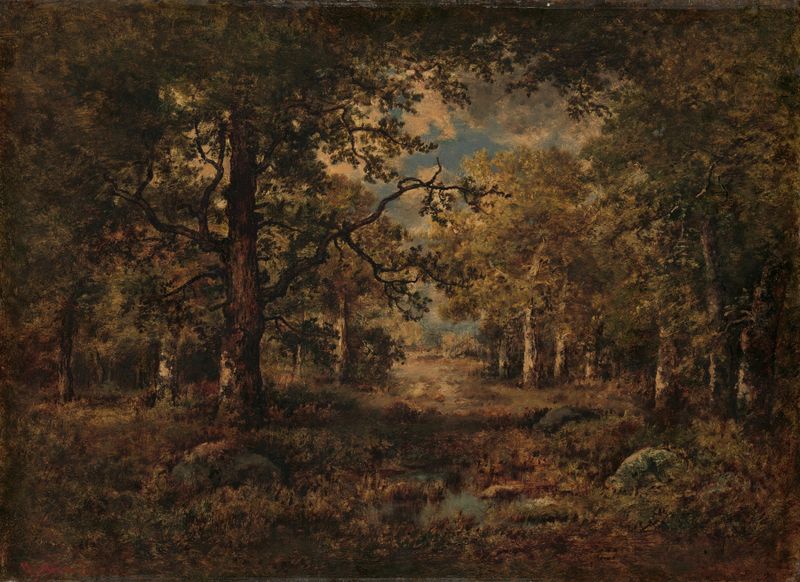
A Vista through Trees; Fontainebleau
Narcisse-Virgile Diaz de La Peña
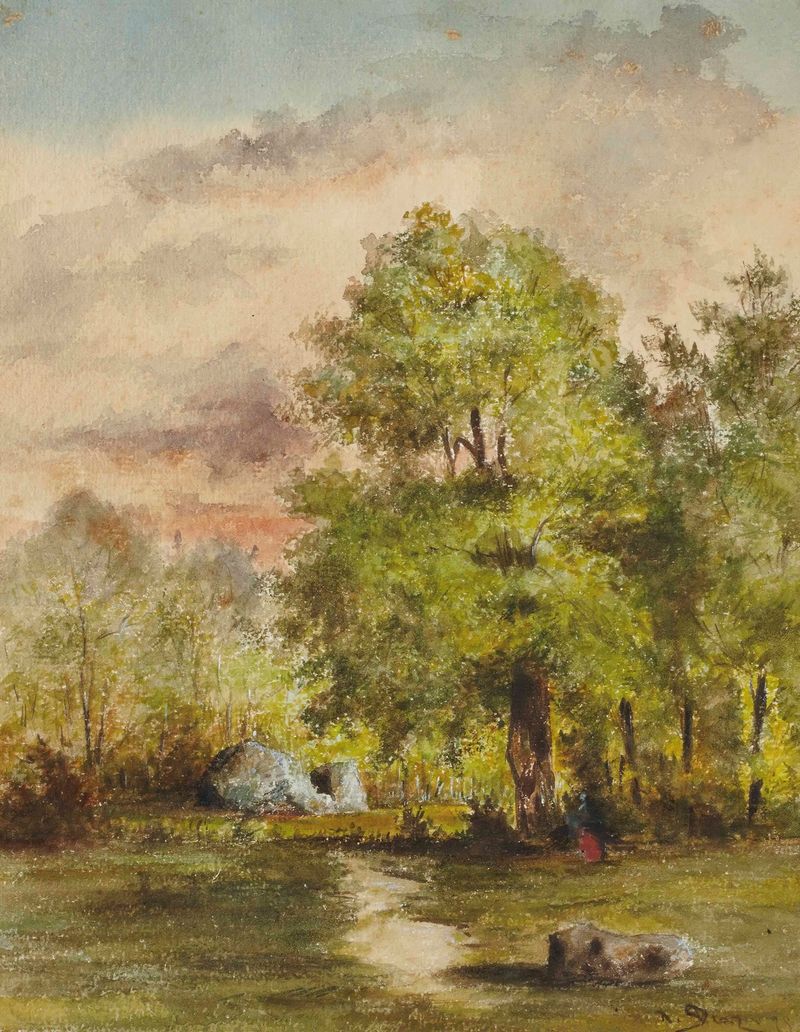
Vue d’une clairière
Narcisse-Virgile Diaz de La Peña

Pond in the Woods
Narcisse-Virgile Diaz de La Peña
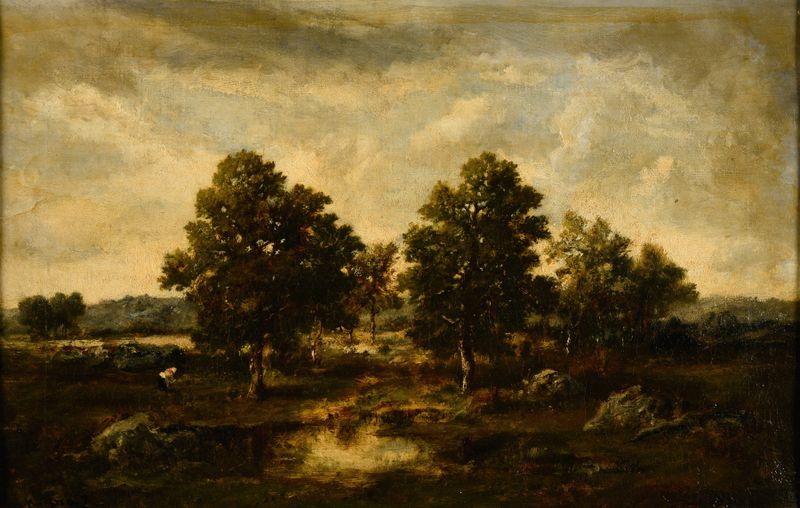
Mare dans une lande
Narcisse-Virgile Diaz de La Peña
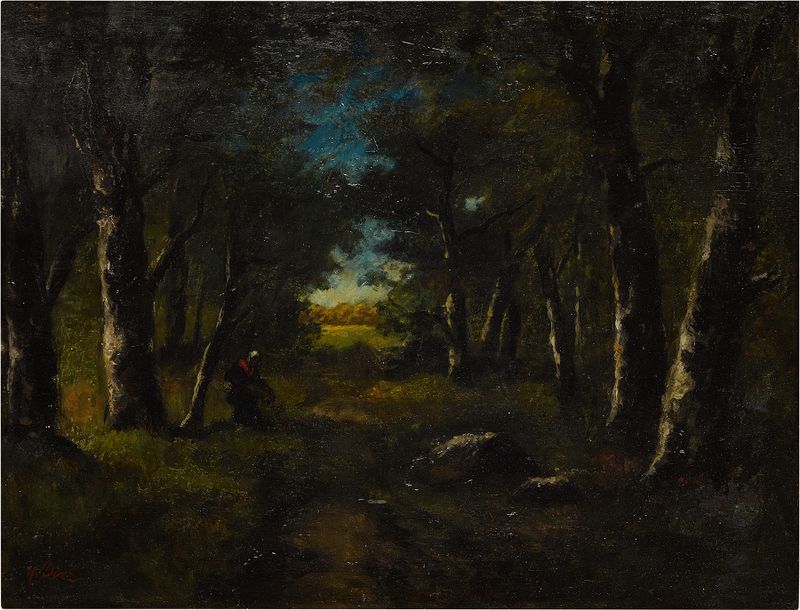
Foraging in the Forest
Narcisse-Virgile Diaz de La Peña
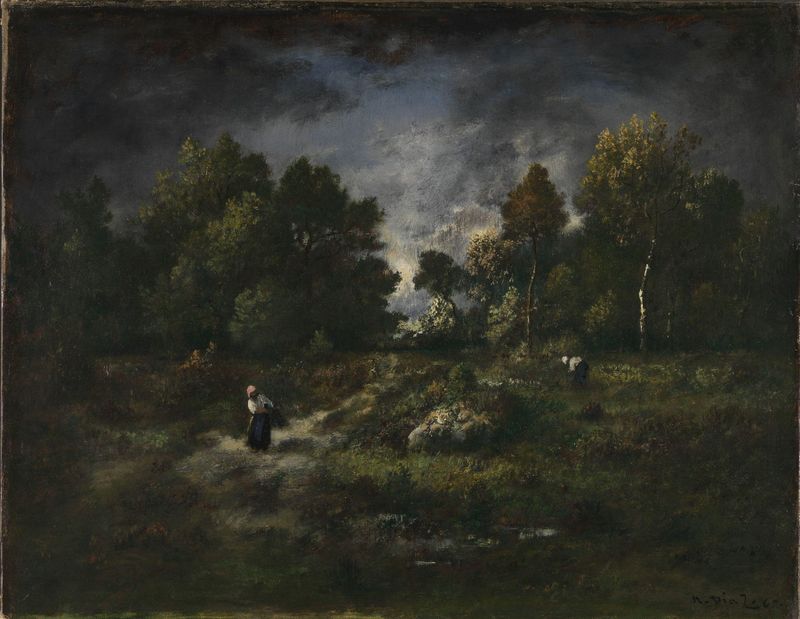
Faggot Gatherers in a Wooden Landscape
Narcisse-Virgile Diaz de La Peña
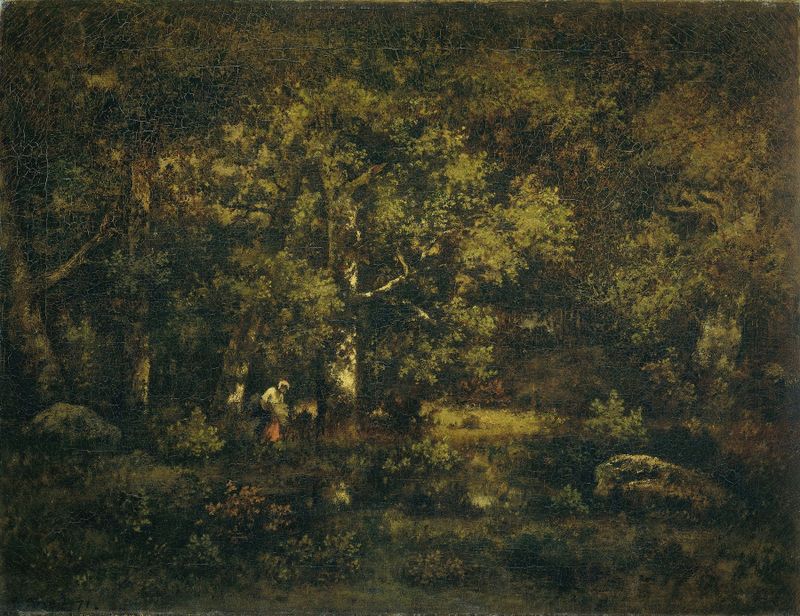
The Forest of Fontainebleau
Narcisse-Virgile Diaz de La Peña

Sous-bois
Narcisse-Virgile Diaz de La Peña





