
The Smugglers’ Cove — History & Facts
In the depths of its layers, color speaks where words falter, revealing silent truths that echo the human experience. Look to the left, where rich, dark greens intermingle with deep blues, establishing a brooding atmosphere that engulfs the cove. Notice how the light pools on the water’s surface, shimmering with hints of gold, urging the viewer to ponder the tension between nature's allure and its treacherous depths. The figures, shrouded in shadow, are caught in the precarious dance of fate, their postures suggesting urgency and secrecy, as if they are aware of unseen eyes lurking within the dense foliage. The emotional complexity unfolds in the contrasts between light and dark, safety and danger.
The vibrant hues of the foliage suggest vitality, yet they fray at the edges, hinting at decay and uncertainty. The small boats, mere silhouettes against the illuminated backdrop, symbolize both escape and entrapment, as the cove becomes a paradox of refuge and peril. Each brushstroke nurtures a tension that invites viewers to step closer, to explore the weight of decisions made in hushed whispers. In 1880, while creating this piece, Ryder was living in New York, surrounded by a burgeoning art scene that was beginning to embrace American Romanticism.
He was deeply inspired by the themes of nature and human struggle, reflecting a world caught between industrial progress and the lingering beauty of the natural landscape. This work encapsulates his internal conflicts and the prevailing atmosphere of his time, wherein every stroke of color resonates with a deeper story yet to be told.
More Artworks by Albert Pinkham Ryder
Browse all →
The Toilers of the Sea
Albert Pinkham Ryder
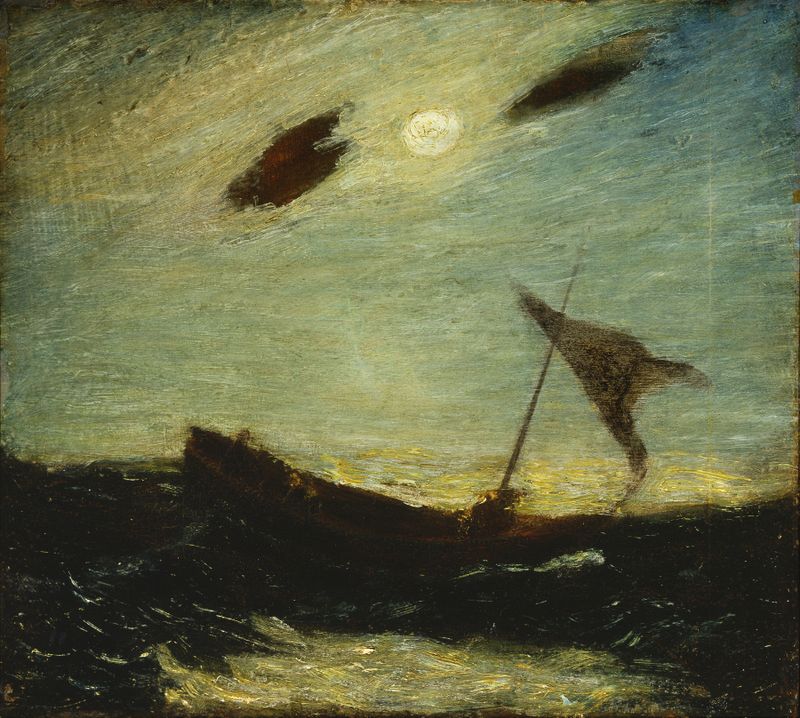
Moonlight
Albert Pinkham Ryder

The Lorelei
Albert Pinkham Ryder

With Sloping Mast And Dipping Prow
Albert Pinkham Ryder

The Temple of the Mind
Albert Pinkham Ryder

Moonlight Marine
Albert Pinkham Ryder

The Lovers’ Boat
Albert Pinkham Ryder

Harvest
Albert Pinkham Ryder

Under a Cloud
Albert Pinkham Ryder
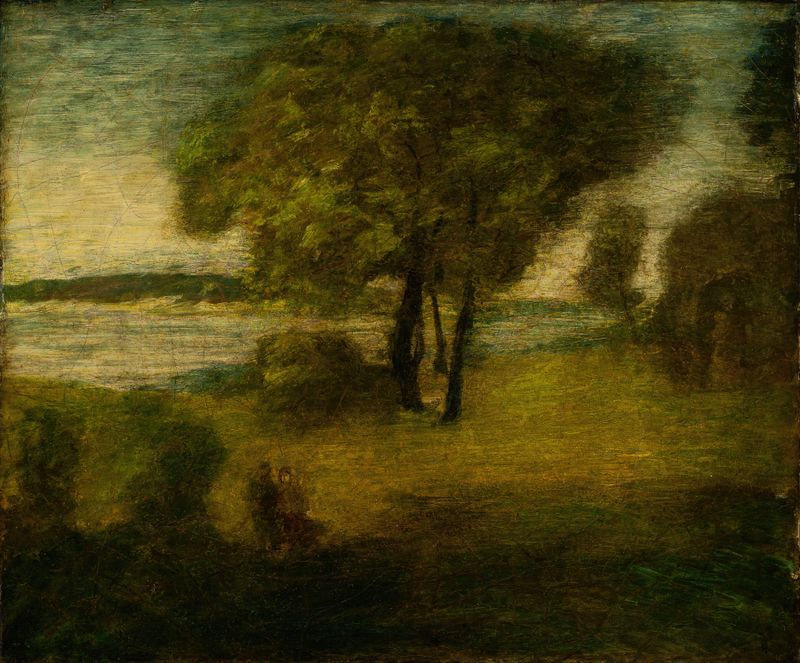
The River
Albert Pinkham Ryder





