
The So-Called Sepulcher of the Curiatii Brothers at Albano, with the Church of the Madonna della Stella in the distance at left — History & Facts
In the embrace of time, destiny unfolds before us, rendered in strokes of intention and longing. The stillness of a landscape can whisper secrets of ancient histories and dreams yet to be fulfilled, as the artist captures a moment suspended between the past and a hopeful future. Look to the foreground, where the sepulcher stands resolute against the backdrop of gentle hills and a sprawling sky. The rich earthy tones contrast with the ethereal light that dapples the scene, drawing your gaze to the monument at the center.
Notice how Labruzzi employs delicate layering, each brushstroke revealing the textures of age, while the warm hues of the sunset imbue the whole composition with an air of nostalgia and reverence. The juxtaposition of the sepulcher’s solidity and the lightness of the church floating in the distance conveys an intricate dance between mortality and transcendence. The monument to the Curiatii Brothers, marked by its somber presence, evokes stories of valor and sacrifice, while the church hints at a spiritual resolution, a place of worship and solace. Together, they encapsulate the tension between earthly legacies and the aspirations of the soul, inviting viewers to contemplate their own destinies. In the late 1760s, Labruzzi painted this work during a period of great interest in archaeological and classical themes, reflecting the Enlightenment’s fascination with history.
He created it in Italy, amidst a vibrant cultural landscape that sought to merge art with the rediscovery of ancient civilizations. This moment in his career not only showcases his technical prowess but also aligns with a growing desire to capture the essence of human experience through the lens of history and reflection.
More Artworks by Carlo Labruzzi
Browse all →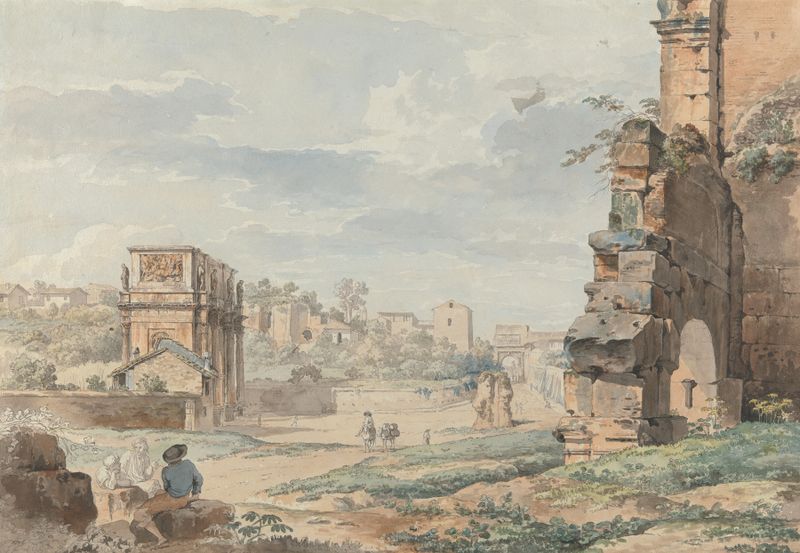
Part of the Colosseum with the Arch of Constantine and Arch of Titus in the Distance, Rome
Carlo Labruzzi
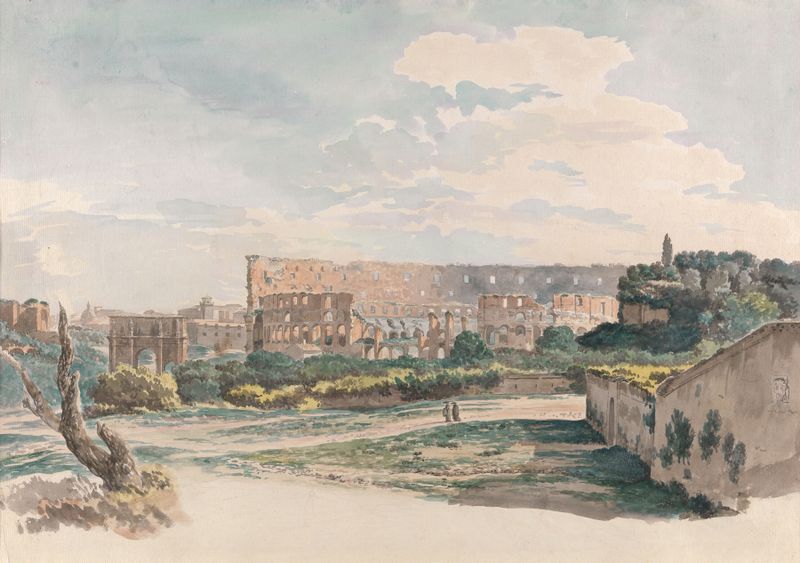
The Colosseum from the Caelian Mount, with the Arch of Constantine and a View of the Forum, Rome.
Carlo Labruzzi
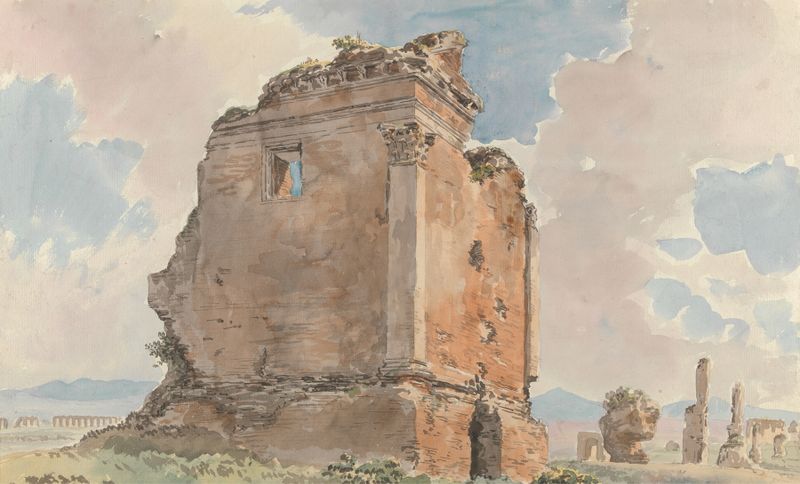
Sepulchre on the Via Nomentana in the Roman Campagna
Carlo Labruzzi
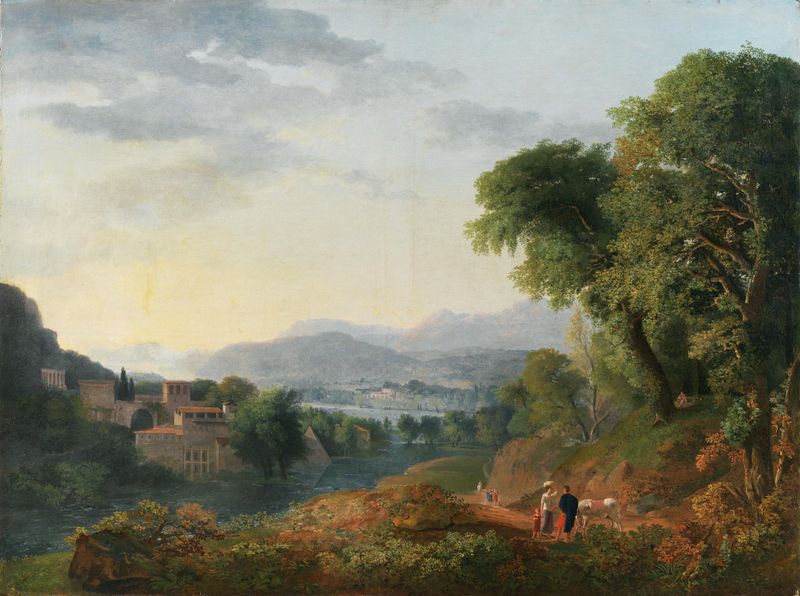
An Italianate landscape
Carlo Labruzzi
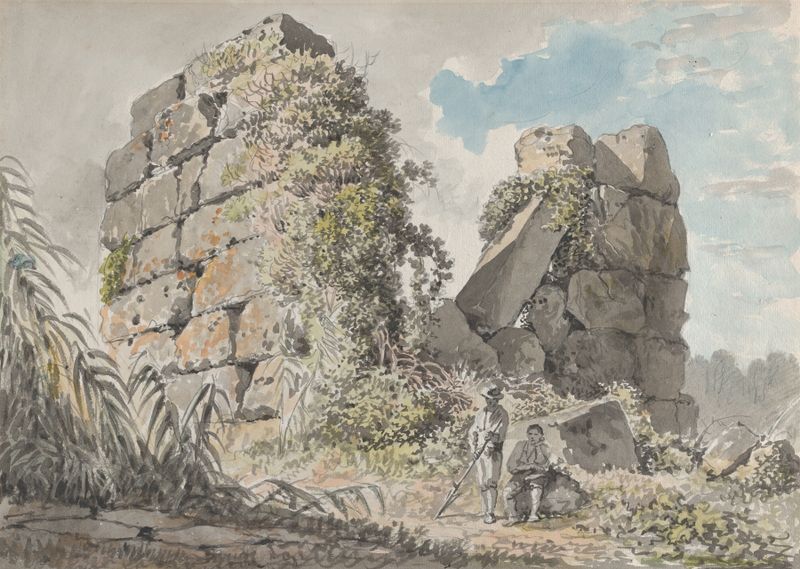
Ruins on the Right of the Via Appia
Carlo Labruzzi
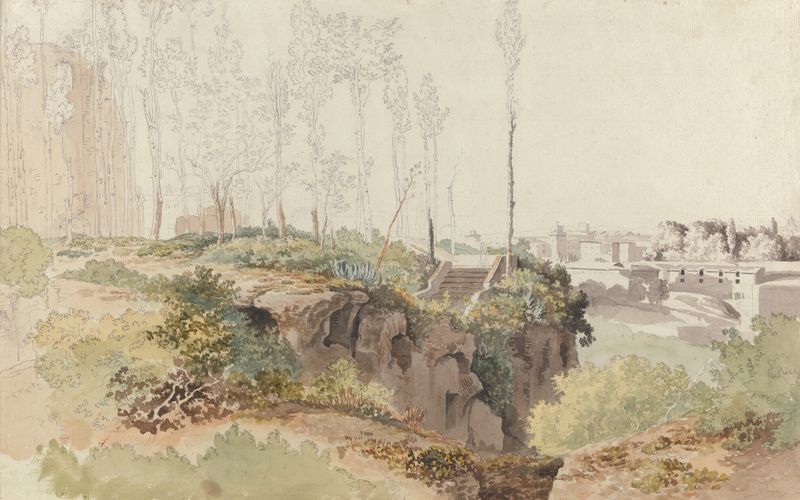
The Baths of Caracalla, Rome
Carlo Labruzzi
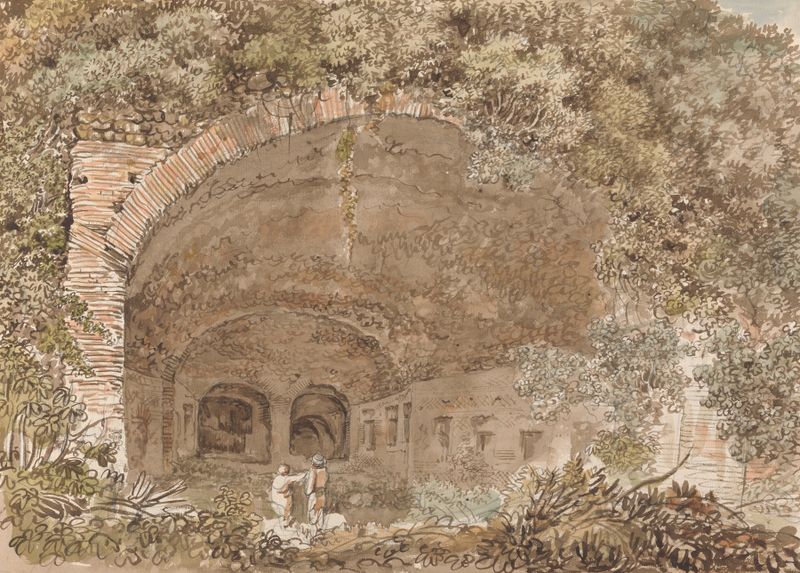
On the Appian Way
Carlo Labruzzi
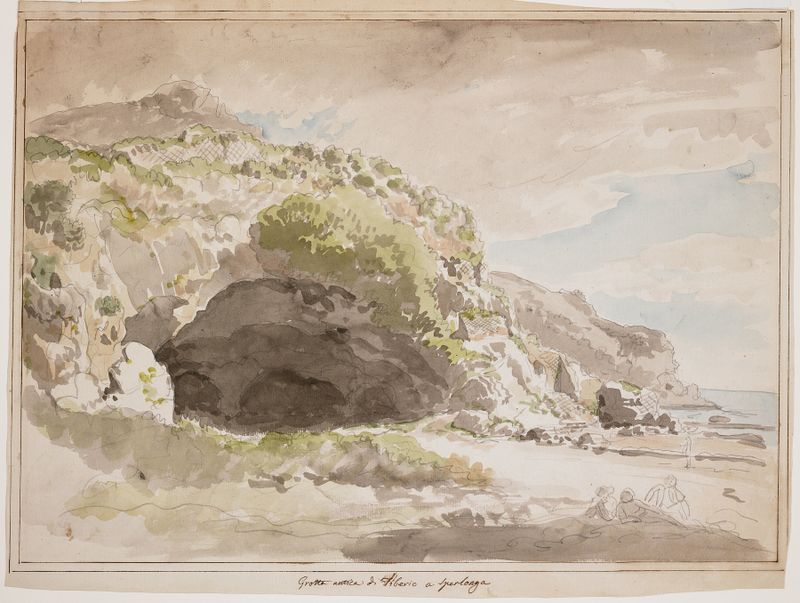
Grotto of Tiberius at Sperlonga
Carlo Labruzzi
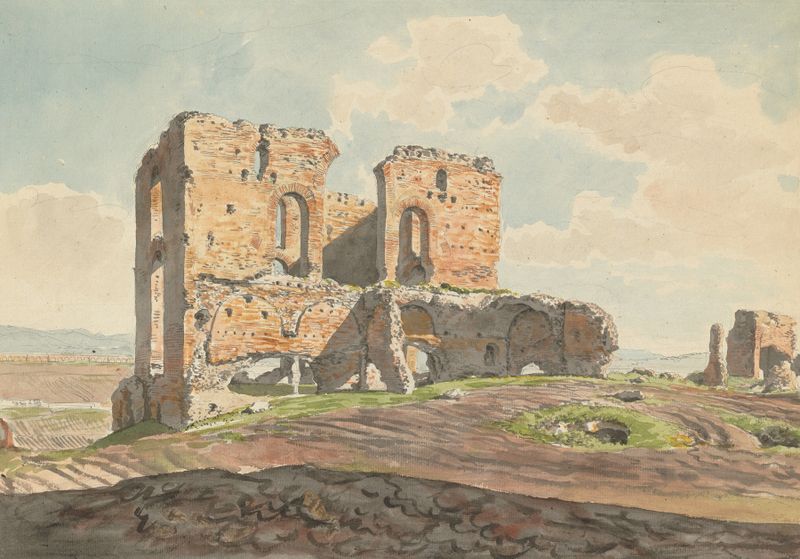
The Great Villa of the Quintilii on the Appian Way
Carlo Labruzzi
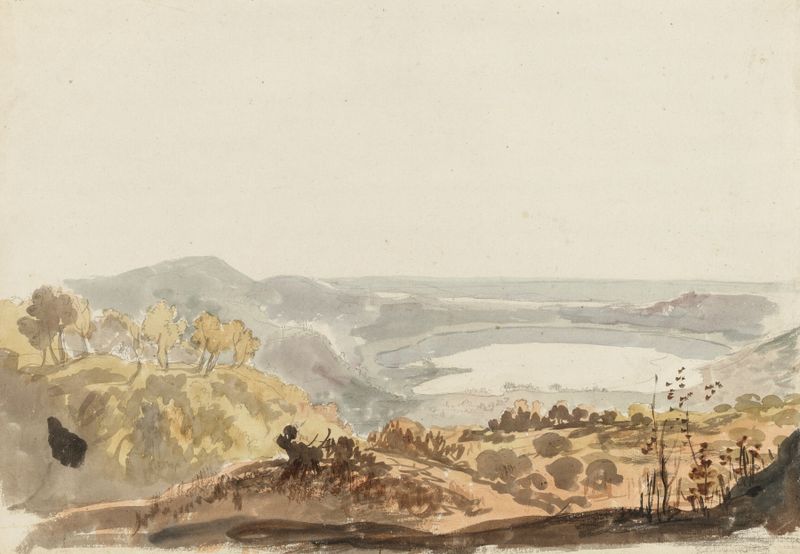
View of Lake Nemi looking towards Rome
Carlo Labruzzi
More Architecture Art
Browse all →
The statue of Liberty
Frédéric Auguste Bartholdi

View of Houses in Delft, Known as ‘The Little Street’
Johannes Vermeer

View of Houses in Delft, Known as ‘The Little Street’
Johannes Vermeer

The Cathedral in Rouen. The portal, Grey Weather
Claude Monet

The yellow house
Vincent van Gogh

The Church in Auvers-sur-Oise, View from the Chevet
Vincent van Gogh