
The so-called Temple of Venus at Baiae, with a boat and two fishermen in the foreground — History & Facts
Can beauty exist without sorrow? In Carlo Labruzzi’s The so-called Temple of Venus at Baiae, with a boat and two fishermen in the foreground, the juxtaposition of serene landscapes and the struggles of daily life conjures a poignant reflection on this question. Look to the center of the canvas where the temple ruins rise majestically against the gentle curve of the coastline, bathed in a soft, ethereal light. The vibrant blues of the water contrast sharply with the warm earth tones of the structure, drawing the viewer’s gaze to both the fishermen and the elegance of the architecture. Notice how Labruzzi employs delicate brushwork to depict the rippling waves, creating a sense of movement that flows naturally into the stillness of the temple’s decay. The fishermen, small figures in the foreground, symbolize the tension between the enduring beauty of nature and the relentless passage of time.
Their humble presence hints at the labor and sacrifice behind the idyllic scene, suggesting that even in moments of tranquility, hardship persists. The temple, once a monument to beauty and worship, now stands as a fragment of history, reminding us that every elegance carries the weight of its own story—one marked by loss, revolution, and the inevitable march of change. Labruzzi painted this work during the late 18th to early 19th century, a period marked by significant shifts in artistic focus towards the representation of landscapes and cultural heritage. As Europe grappled with the aftermath of the Enlightenment and the implications of revolution, he sought to capture the interplay of nature and humanity, reflecting on both the splendor and fragility of existence in a changing world.
More Artworks by Carlo Labruzzi
Browse all →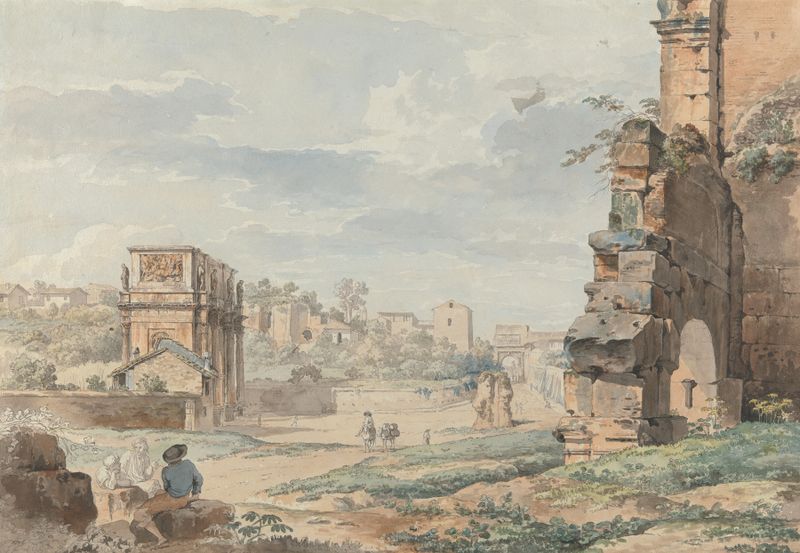
Part of the Colosseum with the Arch of Constantine and Arch of Titus in the Distance, Rome
Carlo Labruzzi
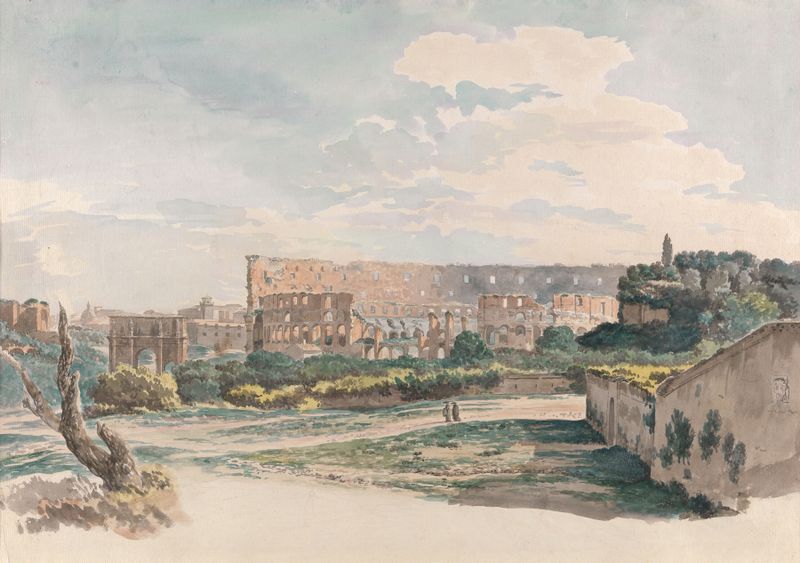
The Colosseum from the Caelian Mount, with the Arch of Constantine and a View of the Forum, Rome.
Carlo Labruzzi
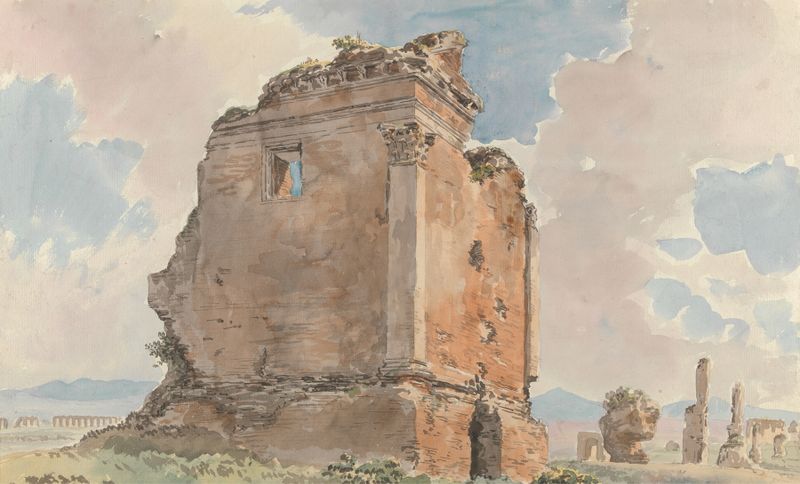
Sepulchre on the Via Nomentana in the Roman Campagna
Carlo Labruzzi
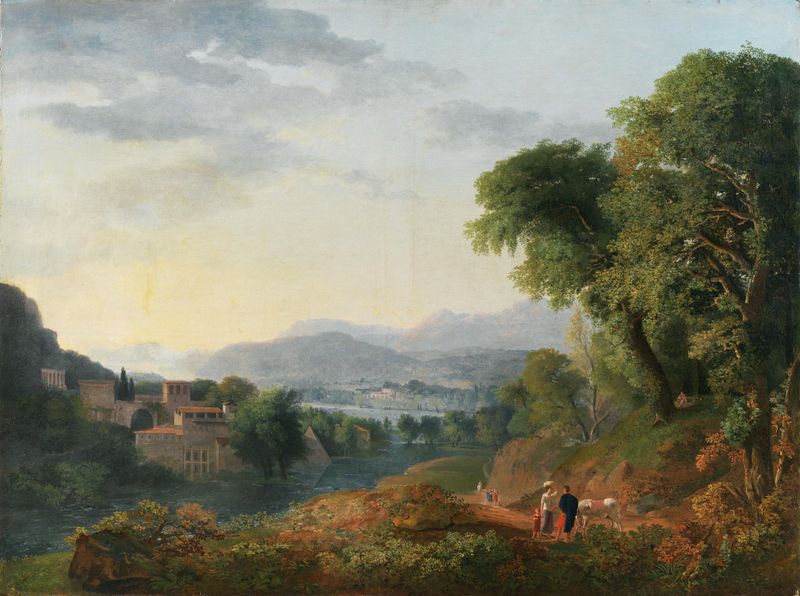
An Italianate landscape
Carlo Labruzzi
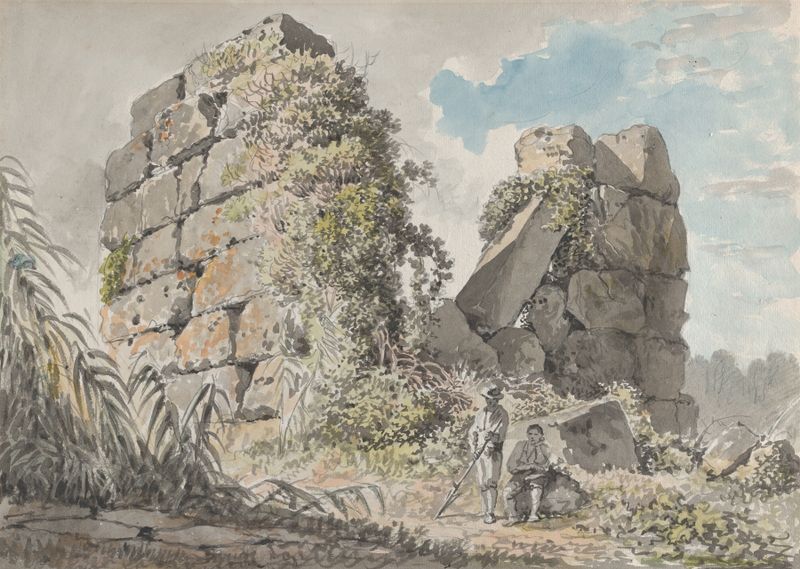
Ruins on the Right of the Via Appia
Carlo Labruzzi
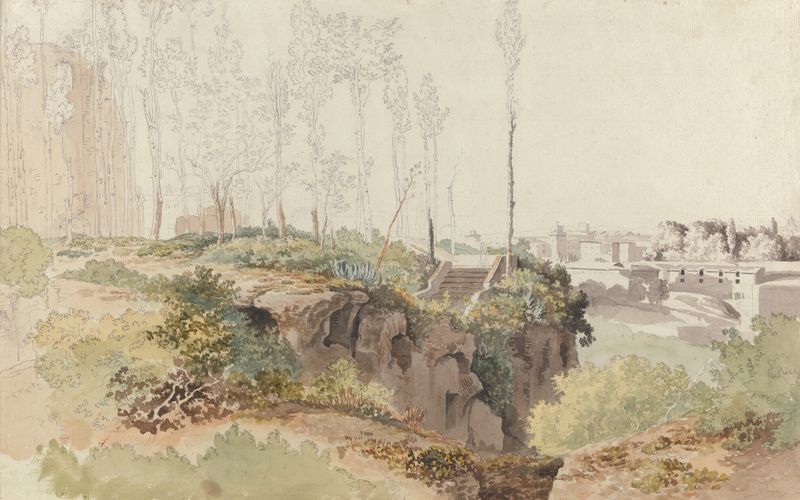
The Baths of Caracalla, Rome
Carlo Labruzzi
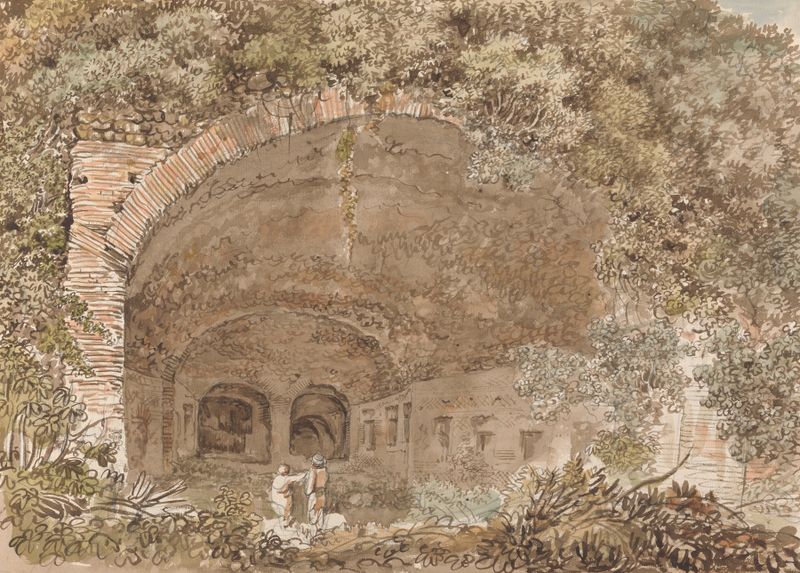
On the Appian Way
Carlo Labruzzi
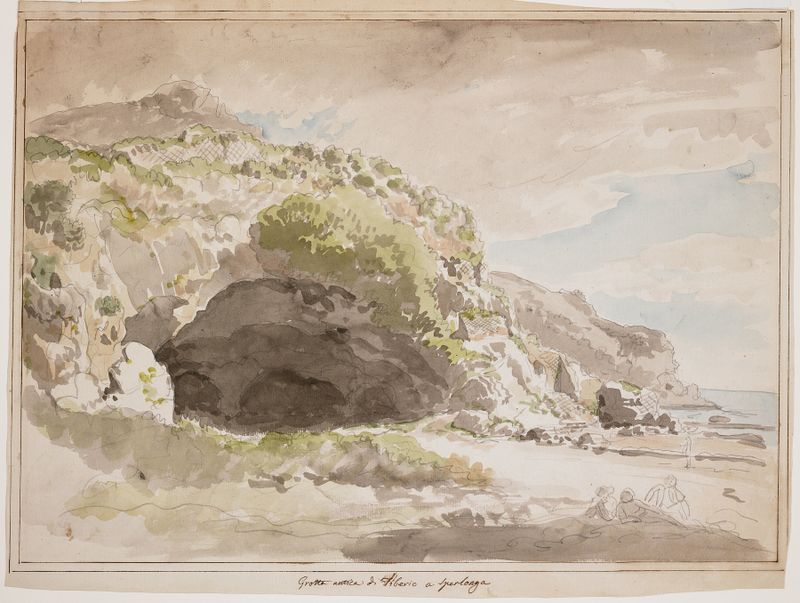
Grotto of Tiberius at Sperlonga
Carlo Labruzzi
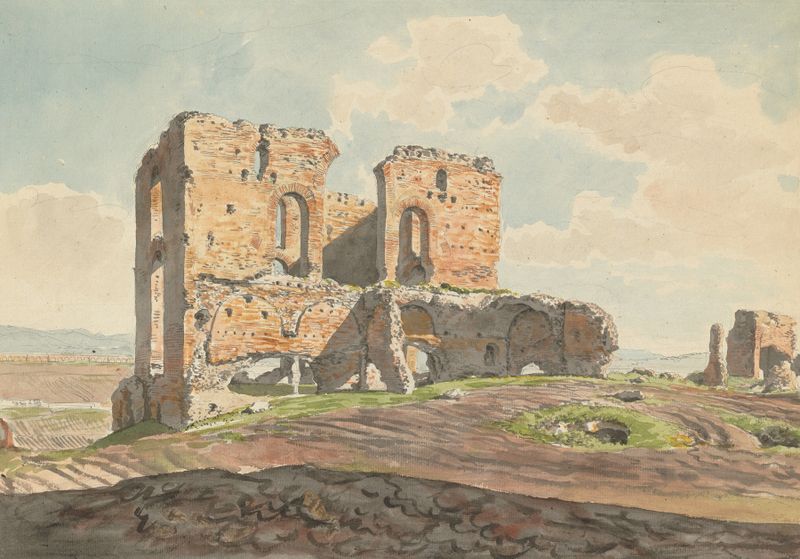
The Great Villa of the Quintilii on the Appian Way
Carlo Labruzzi
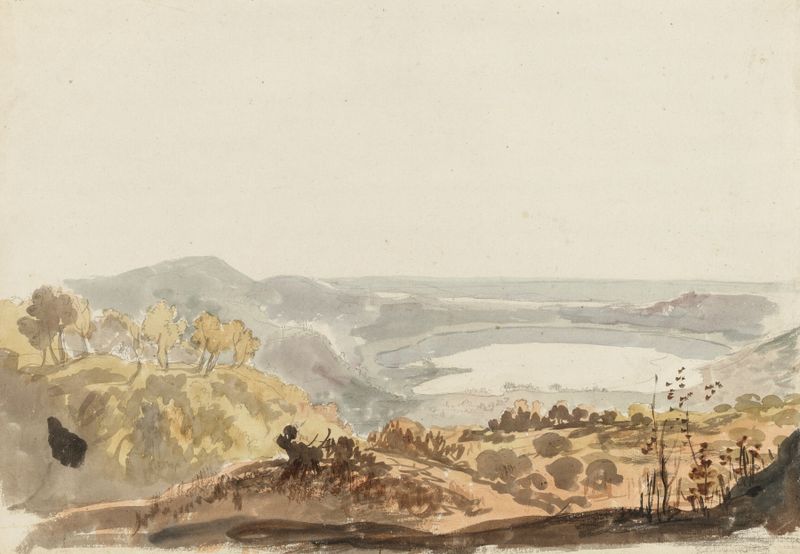
View of Lake Nemi looking towards Rome
Carlo Labruzzi





