
The Source of the Loue — History & Facts
Who listens when art speaks of silence? In Gustave Courbet's The Source of the Loue, the quiet murmurs of nature intertwine with a profound faith that transcends the canvas itself. Focus your gaze on the serene figure emerging from a tapestry of verdant greens and soft browns, nestled by the flowing waters of the Loue River. The artist’s meticulous brushwork invites you to explore every detail, from the delicate rendering of the rocks to the transparent, shimmering surface of the water capturing the light. The composition balances the solidity of the earth with the fluidity of water, evoking a sense of harmony in nature.
Notice how Courbet's palette, dominated by earthy tones, emphasizes the connection between the human form and the untouched landscape. Beneath the tranquil scene, there lies a deeper dialogue about humanity's relationship with nature. The figure, almost ethereal, embodies a faith that mirrors the purity of the water, suggesting an inherent trust in the cycles of life. The contrast between the stillness of the figure and the dynamic movement of the water speaks to the tension between human existence and the natural world, invoking contemplation of our place within it. Courbet painted The Source of the Loue in 1864, during a prolific period in his career while he was based in France.
This work reflects his commitment to realism, a movement he championed amidst the romantic ideals of his time. As he sought to depict the raw beauty of nature, Courbet also grappled with personal and societal upheaval, ultimately challenging the conventions of art and paving the way for future generations.
More Artworks by Gustave Courbet
Browse all →
Marine
Gustave Courbet
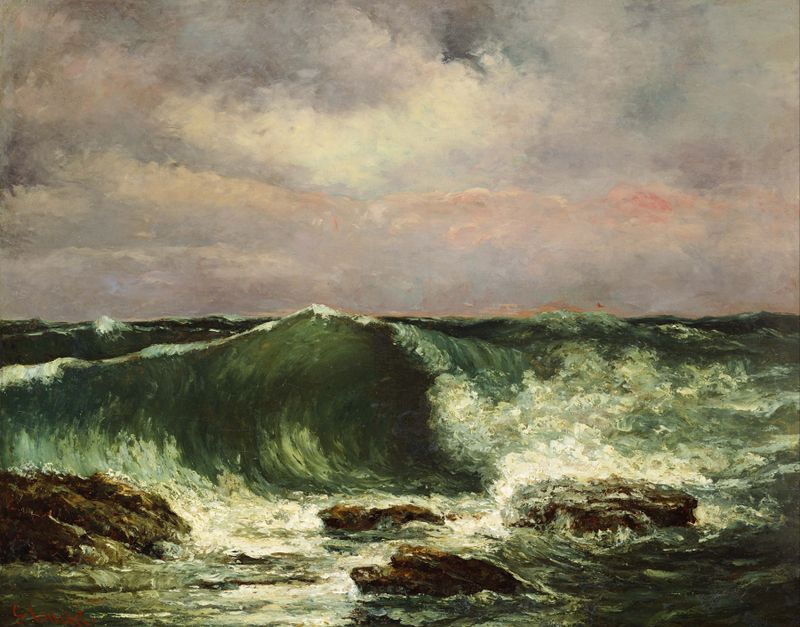
Waves
Gustave Courbet

Étretat; Les Falaises
Gustave Courbet
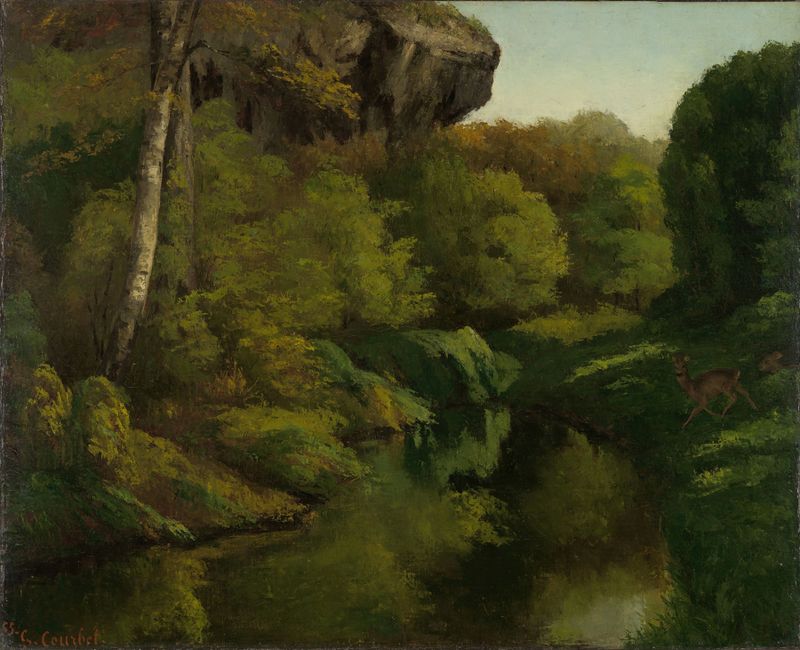
View in the Forest of Fontainebleau
Gustave Courbet
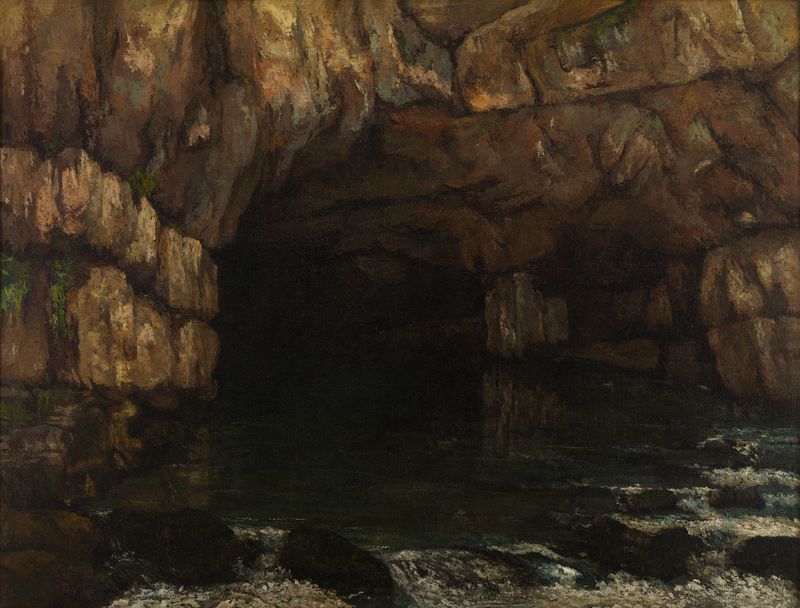
La source de la Loue (The Source of the Loue)
Gustave Courbet

Low Tide at Trouville
Gustave Courbet
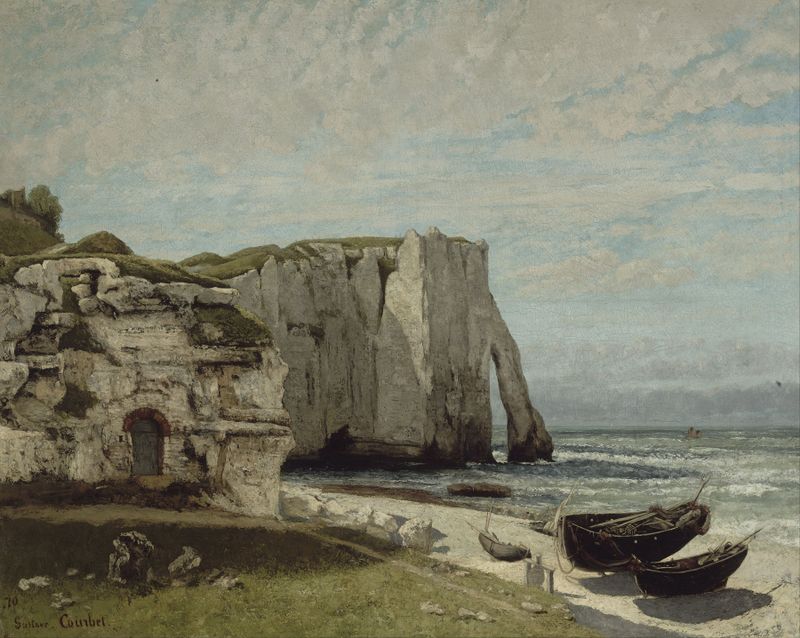
The Etretat Cliffs after the Storm
Gustave Courbet
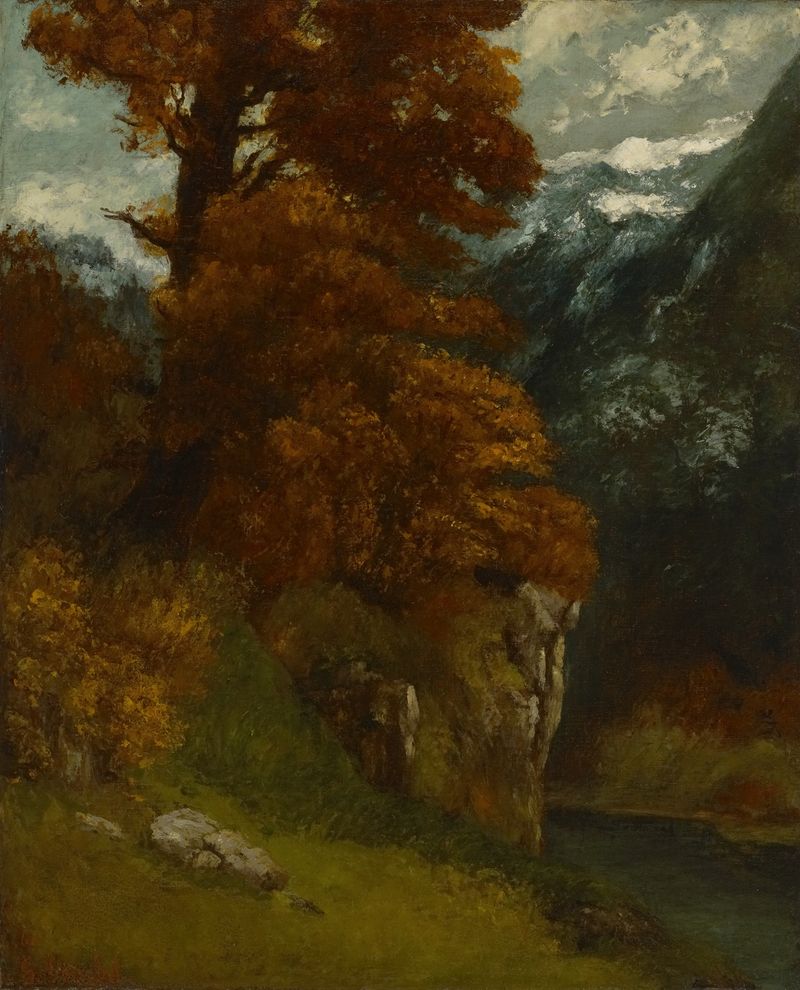
The Glen at Ornans (Bords du Doubs; Effet d’Automne)
Gustave Courbet
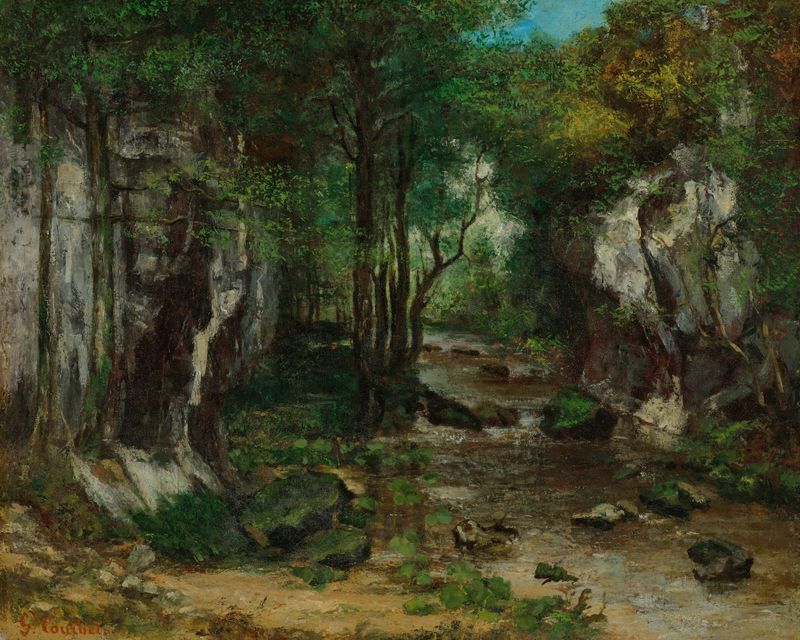
Le Ruisseau de Puits Noir
Gustave Courbet
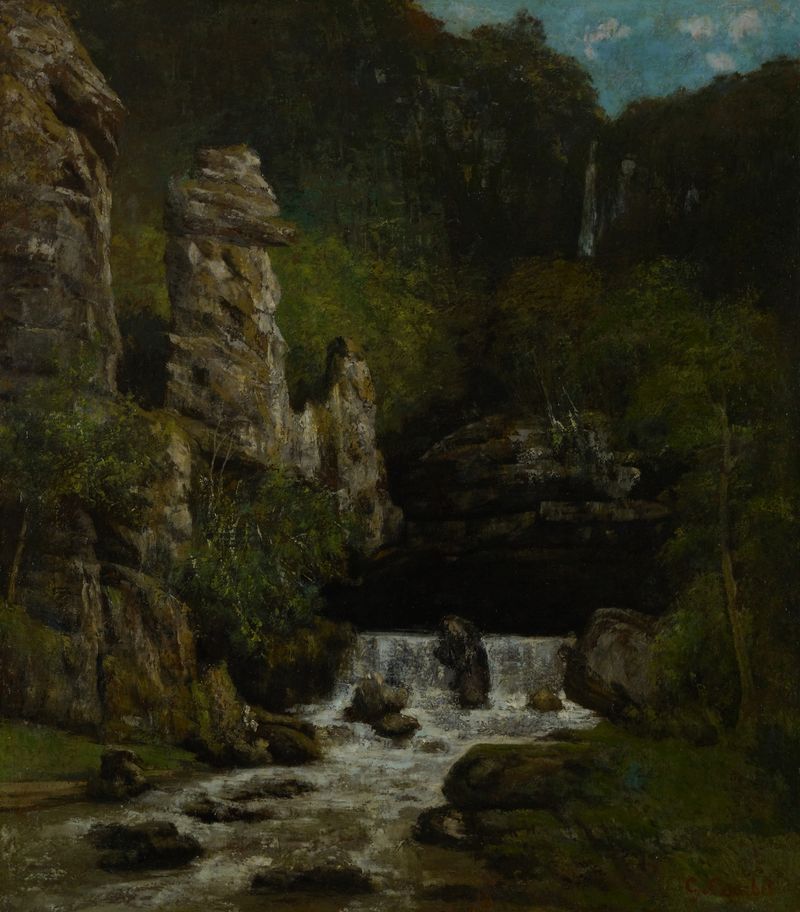
Landscape with a Waterfall
Gustave Courbet





