
The Spirits from the Cities of the Dead — History & Facts
In the silent embrace of innocence, we find a realm where the ethereal and the corporeal collide, inviting reflection on life and its mysteries. The delicate interplay of light and shadow opens a dialogue with the viewer, beckoning them to uncover the layers of meaning within. Focus on the intricate details of the figures that emerge from the swirling mists; their translucent forms evoke a haunting grace that both captivates and unsettles. Notice how Buhot employs a muted palette, with soft blues and grays, to create an atmosphere of nostalgia and contemplation.
The layering of textures draws the eye to the juxtaposition between the spectral spirits and the more grounded elements of the landscape, highlighting the tension between the seen and unseen. As you delve deeper into the composition, consider the emotional weight carried by the spirits. They seem to linger on the threshold of existence, embodying the innocence lost to the passage of time. Their gaze, though distant, invites empathy, prompting questions about memory, mortality, and the echoes of lives once lived.
Each subtle gesture tells a story of longing and remembrance. In 1885, during a time of rapid change in Paris, the artist found himself at a crossroads of artistic innovation and tradition. Embracing the burgeoning movements of Impressionism and Symbolism, Buhot sought to express the unseen forces of the emotional world. This piece emerged from his exploration of themes like life and death, reflecting a society grappling with the modern age while still tethered to its past.
More Artworks by Félix Hilaire Buhot
Browse all →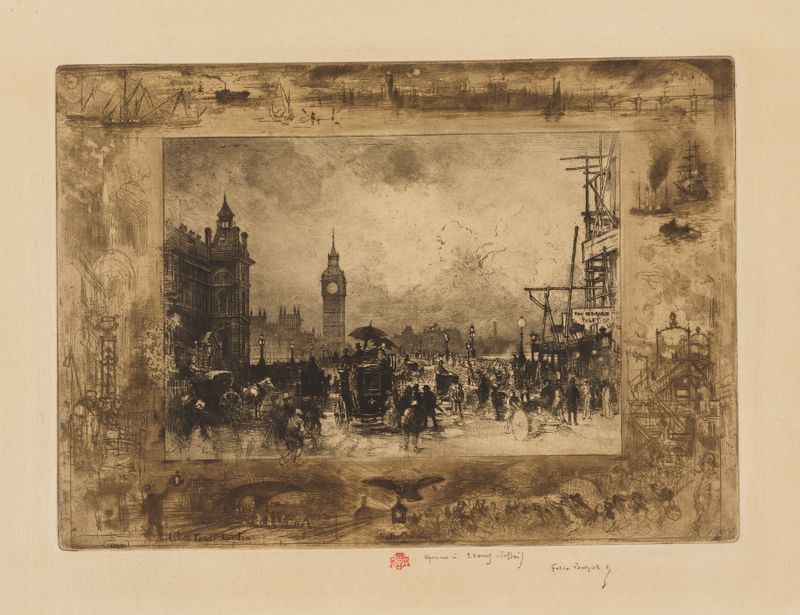
Westminster Bridge, or Westminster Clock Tower
Félix Hilaire Buhot
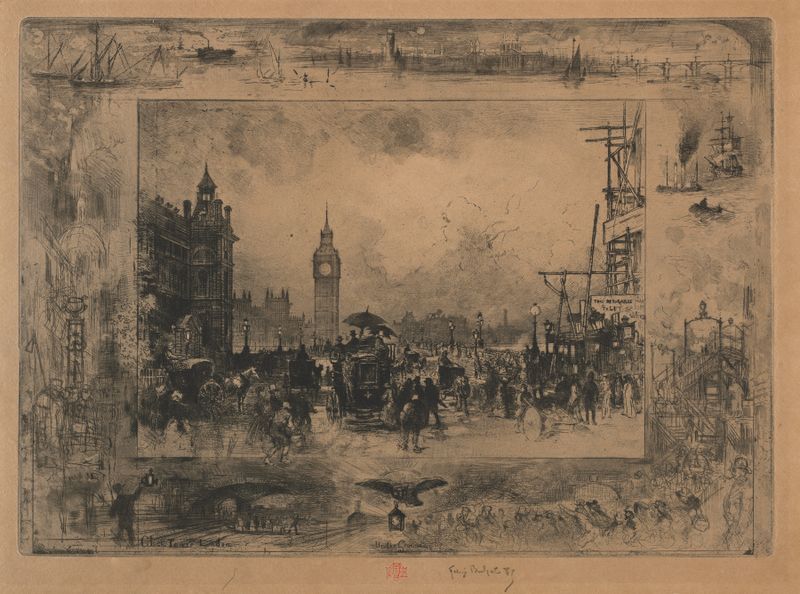
Westminster Bridge, or Westminster Tower
Félix Hilaire Buhot
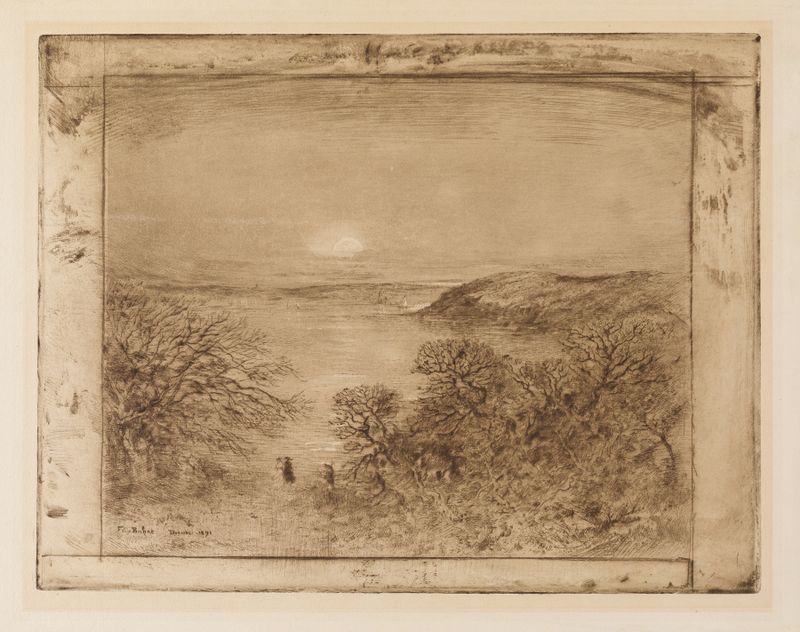
Moonrise at Dinard
Félix Hilaire Buhot
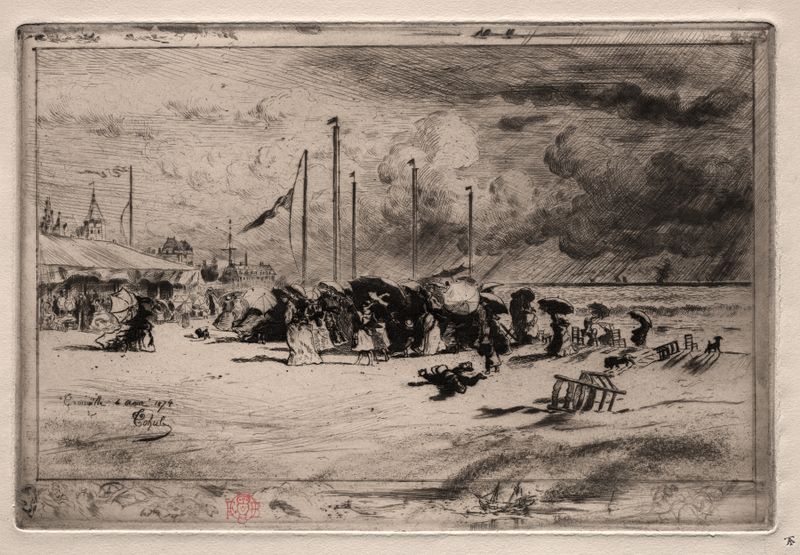
A Squall at Trouville
Félix Hilaire Buhot
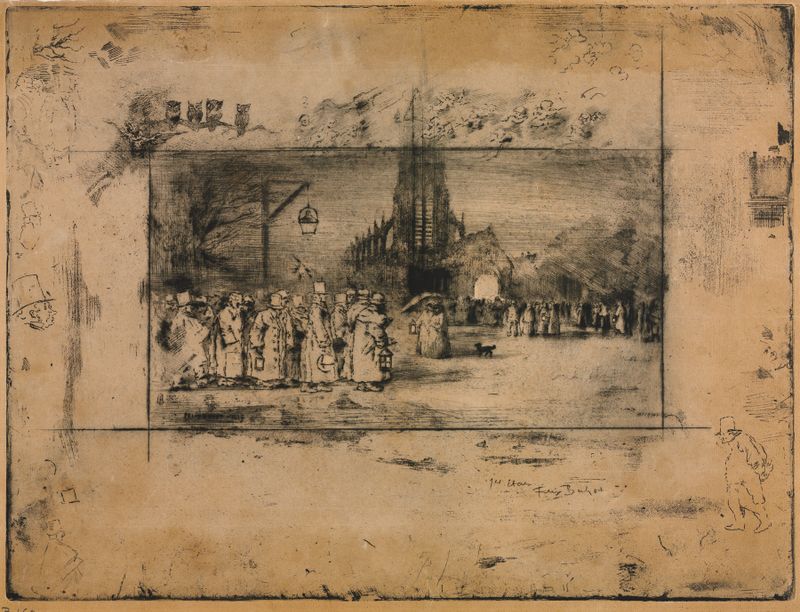
The Midnight Mass
Félix Hilaire Buhot
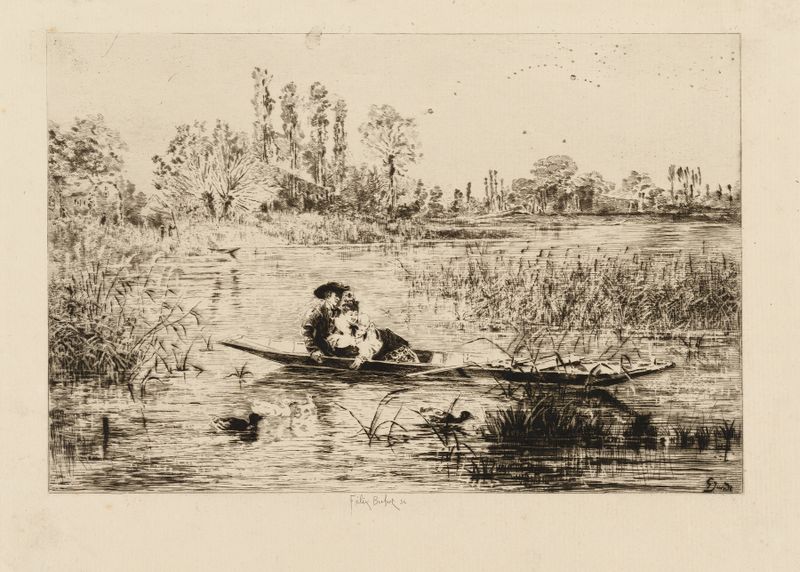
On the Thread of the Water
Félix Hilaire Buhot
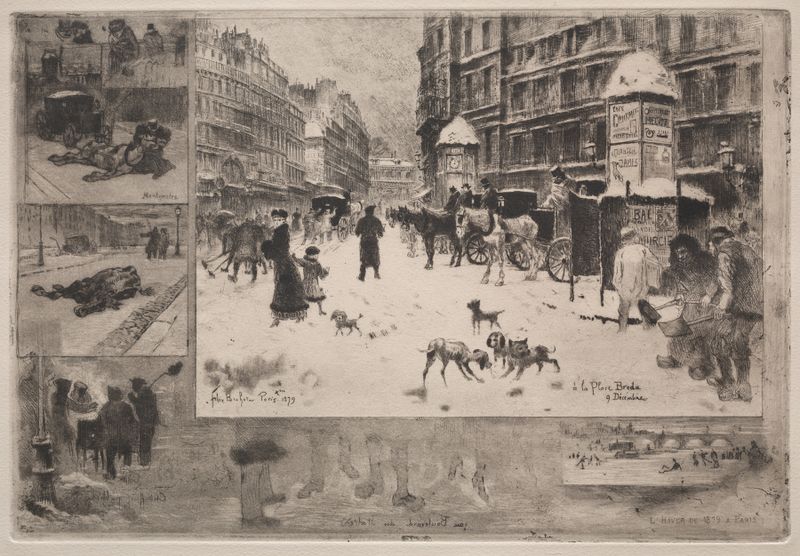
Winter in Paris
Félix Hilaire Buhot
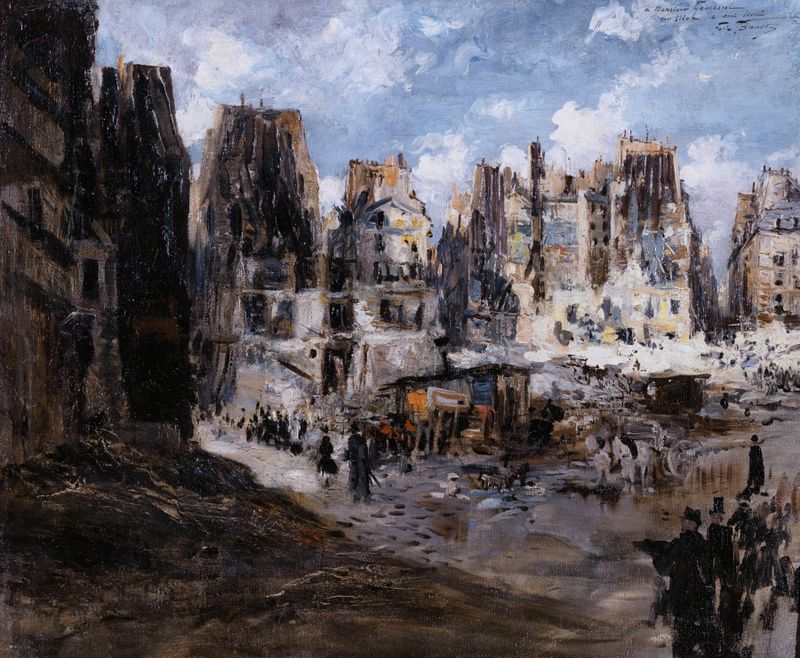
Le percement de l’avenue de l’Opéra.
Félix Hilaire Buhot
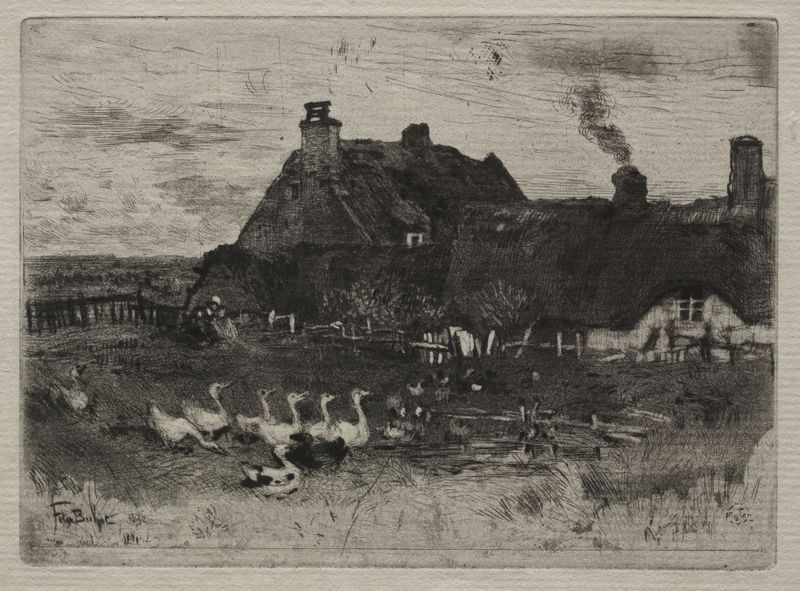
Thatched Cottages
Félix Hilaire Buhot
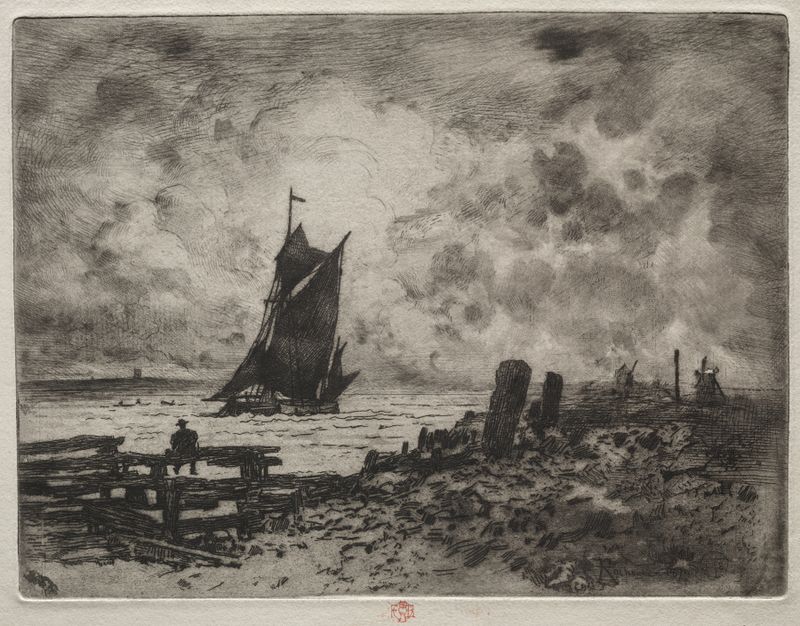
The Little Marine; Souvenir of Medway
Félix Hilaire Buhot





