The Stag Hunt — History & Facts
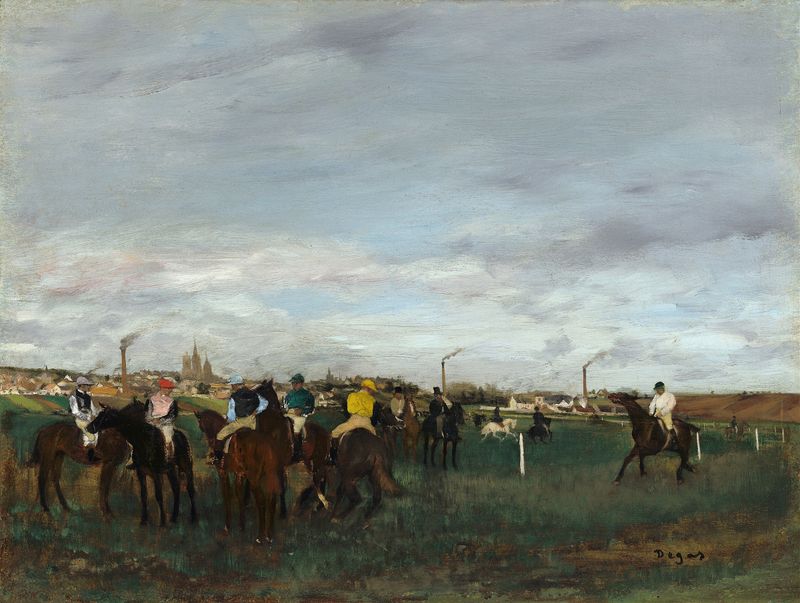
In the silence of memory, each brushstroke echoes the echoes of an ancient hunt, a timeless chase that whispers through the ages. Look to the center, where the stag, a magnificent creature, stands poised in a moment of grace amid the chaos. The vivid contrast between its tawny coat and the muted earth tones surrounding it draws the viewer’s gaze. Notice how the figures of hunters, scattered around the canvas, are marked by urgency and tension, their gestures sharply defined against the backdrop of nature.
The intricate details of their clothing and the texture of the foliage reflect Callot’s keen observational skill, painting a vivid tableau that captures both the thrill of the hunt and the fragility of the moment. Dive deeper into the emotional contrasts present in this work. The stag, emblematic of nature’s pristine beauty, stands defiantly against the encroaching threat of the hunters, symbolizing a struggle between man and the wild. In the background, the blurred figures create a sense of urgency, their chaotic movements contrasting sharply with the stillness of the stag — a poignant reminder of the fleeting nature of life.
Each element, from the rustling leaves to the tension in the hunters’ grips, combines to create a vivid narrative of memory and predation. In 1630, while residing in his native Lorraine, Jacques Callot created this masterful piece amidst the Baroque art movement, characterized by dramatic expression and detailed realism. This period marked a shift in artistic focus, with Callot often depicting scenes of everyday life and human emotion. The historical backdrop of political unrest in France influenced his work, as he sought to capture the essence of both struggle and beauty, immortalizing moments that would resonate through time.
More Artworks by Jacques Callot
Browse all →
Titelprent voor de prentreeks 'De kleine apostelen' (Het martelaarschap van de apostelen)
Jacques Callot
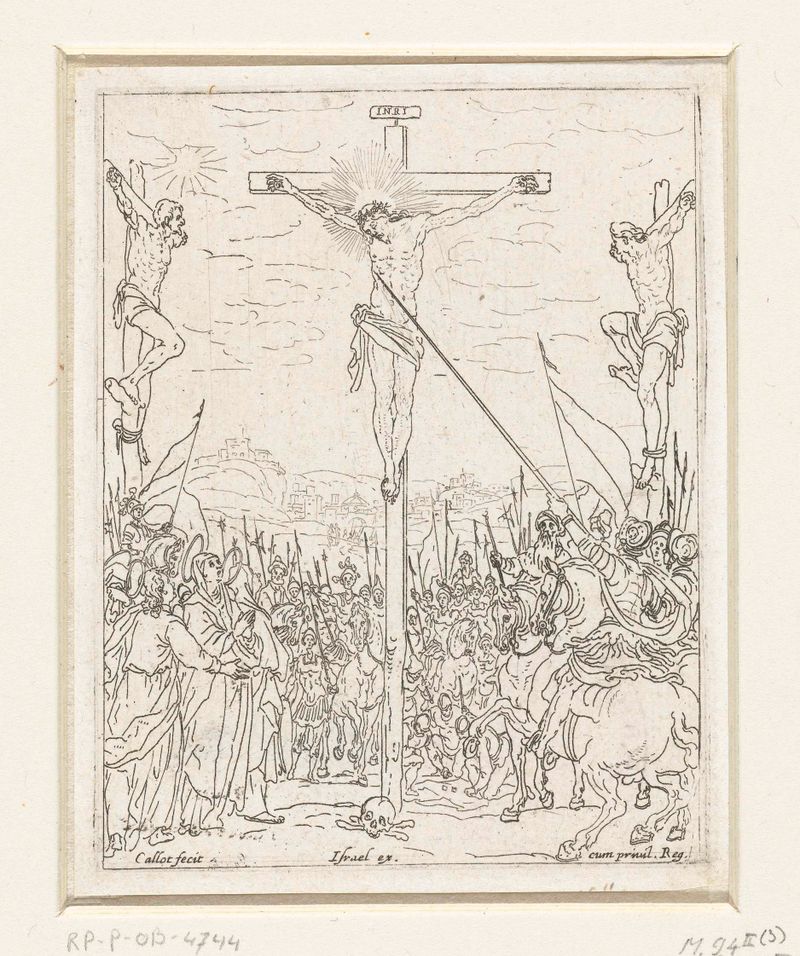
Kruisiging
Jacques Callot

De doortocht door de Rode Zee
Jacques Callot

De verloren zoon als zwijnenhoeder
Jacques Callot

Annunciatie
Jacques Callot
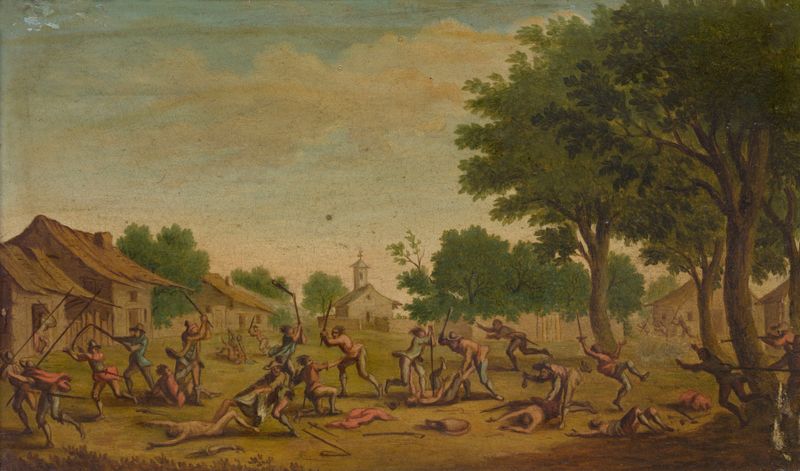
Village Fight
Jacques Callot

Titelprent voor prentreeks 'Het leven van Maria'
Jacques Callot
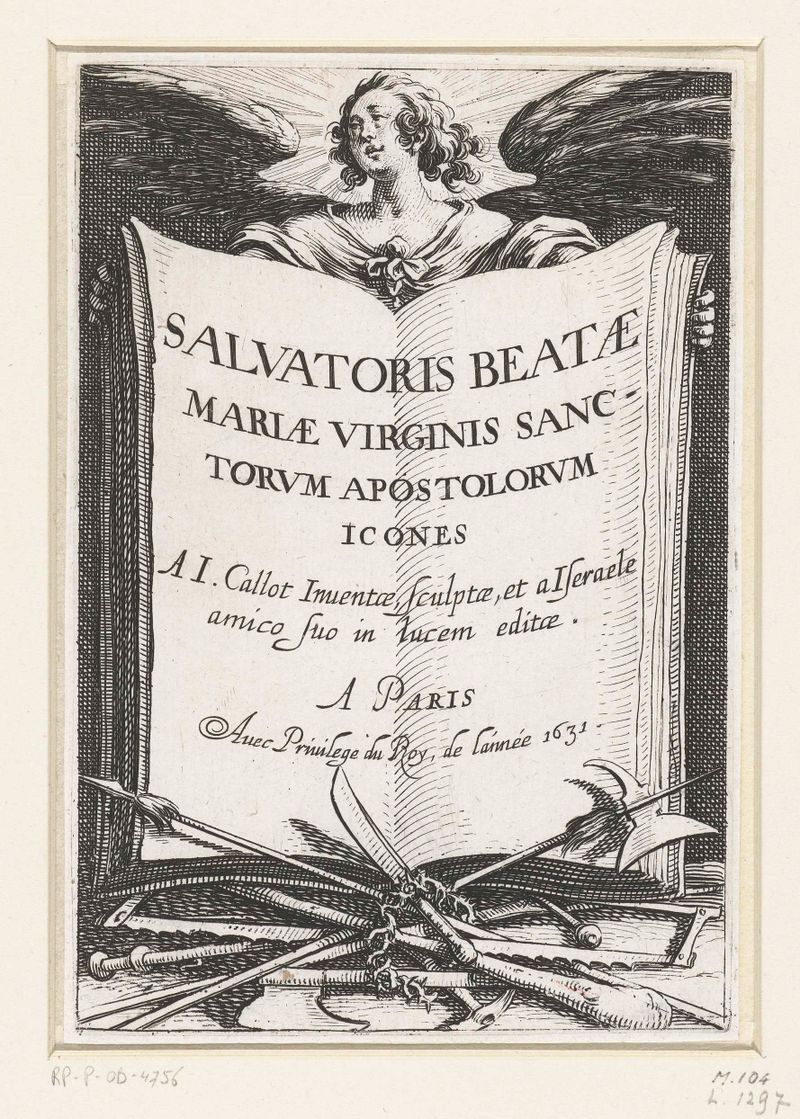
Titelprent voor de prentreeks 'De grote apostelen' (Christus, Maria en de apostelen)
Jacques Callot

Christus aan het volk getoond (Ecce homo)
Jacques Callot
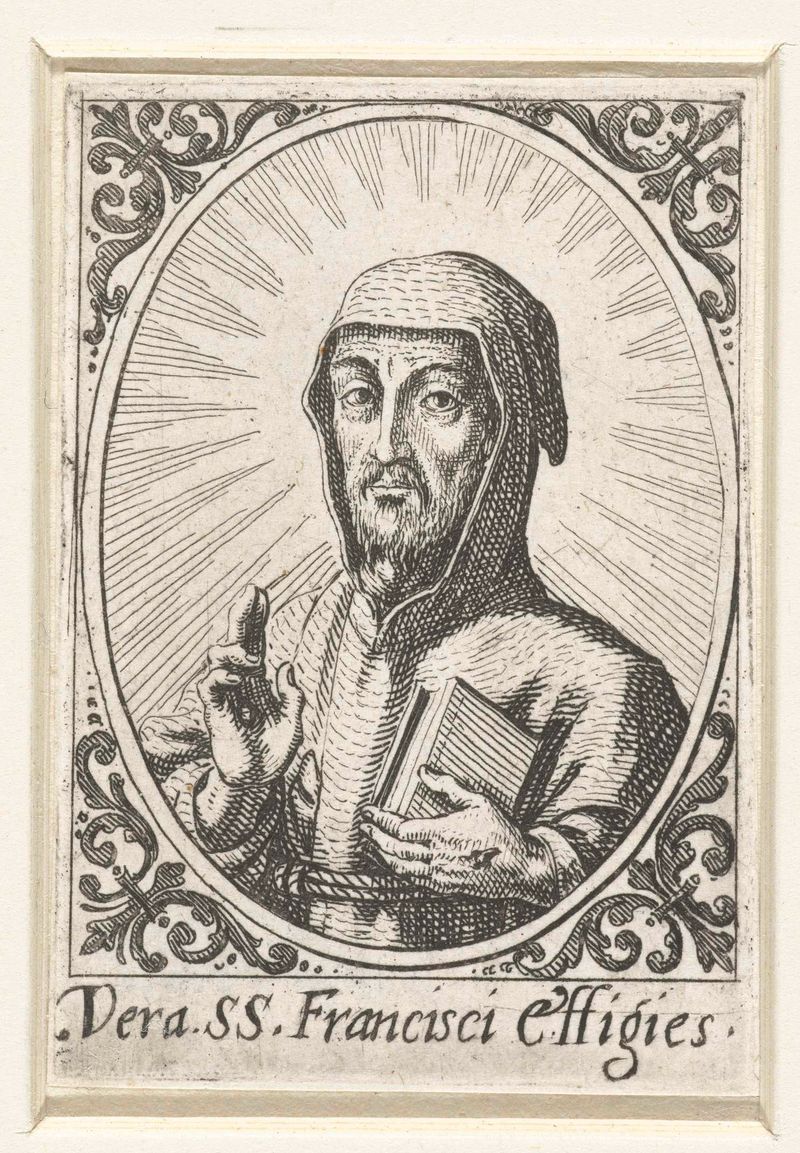
Portret van de Heilige Franciscus
Jacques Callot