
The Storm, after Constable — History & Facts
What if beauty was never meant to be finished? The fleeting nature of awe dances across the canvas, inviting us to linger in its embrace. Focus on the swirling clouds dominating the upper half of the piece, where shades of gray and blue collide in a tumultuous display. Notice how the brushstrokes, vigorous and chaotic, convey the fierce energy of an impending storm. Below, the delicate silhouettes of trees and a distant landscape emerge, their muted tones contrasting sharply with the vibrant sky, creating a palpable tension between the serene and the tumultuous. Look closer, and you'll find hidden layers of meaning woven into the tumult.
The juxtaposition of light and dark serves as an emotional metaphor for the struggle between calm and chaos, mirroring our own inner conflicts. The almost ethereal quality of the light breaking through the clouds can evoke a sense of hope amid despair, suggesting that beauty often emerges from turmoil, a transient glimpse of magic in the maelstrom of life. In the mid-1870s, Buhot was deeply involved in the art scene of Paris, drawing inspiration from the Romantic tradition and the natural world. During this time, he explored innovative techniques that blurred the lines between reality and imagination.
As he worked on this piece, the evolving Impressionist movement began reshaping perceptions of light and color, yet Buhot's homage to Constable reflects both reverence and a desire to expand upon established ideas, capturing the ephemeral beauty inherent in nature’s fury.
More Artworks by Félix Hilaire Buhot
Browse all →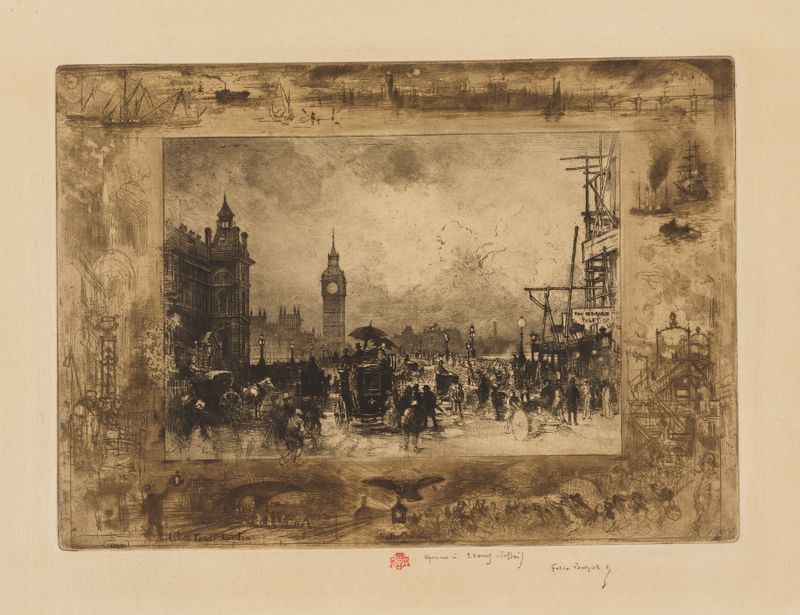
Westminster Bridge, or Westminster Clock Tower
Félix Hilaire Buhot
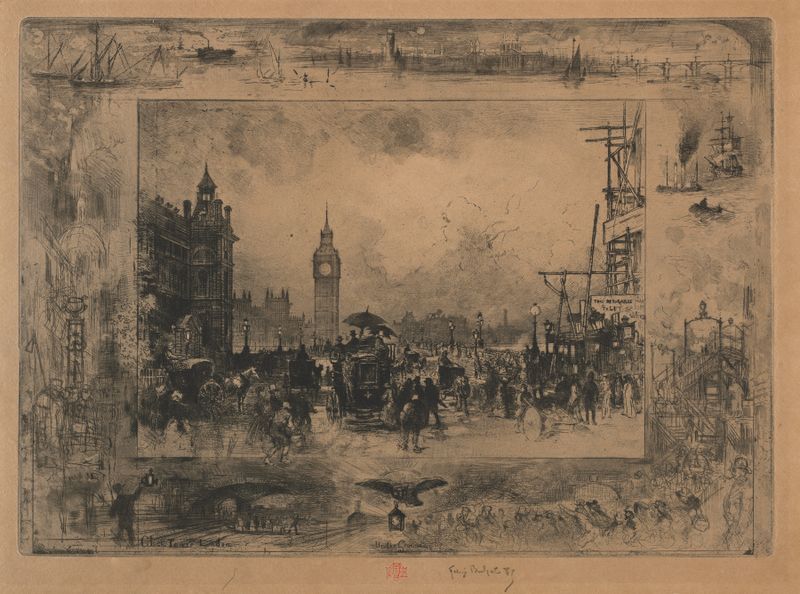
Westminster Bridge, or Westminster Tower
Félix Hilaire Buhot
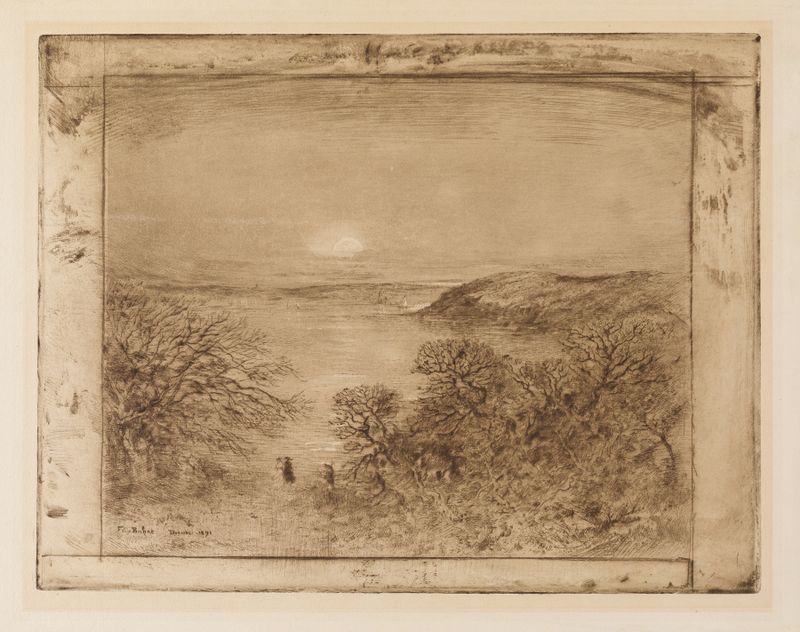
Moonrise at Dinard
Félix Hilaire Buhot
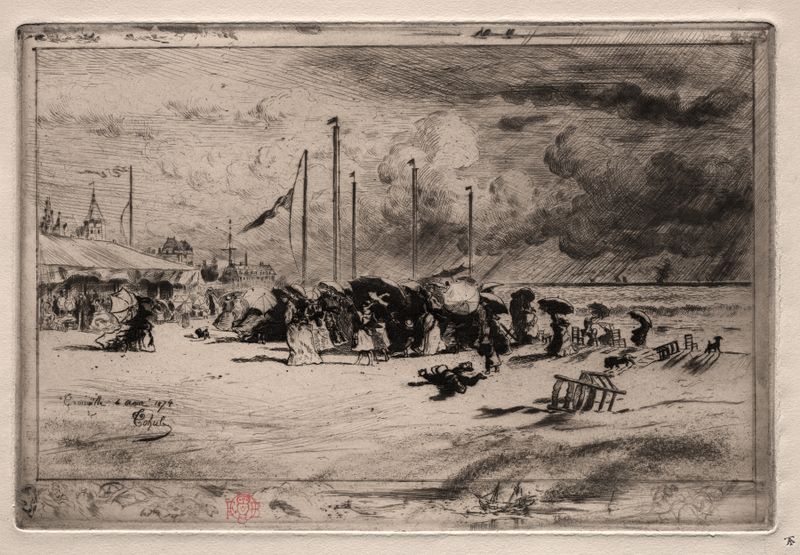
A Squall at Trouville
Félix Hilaire Buhot
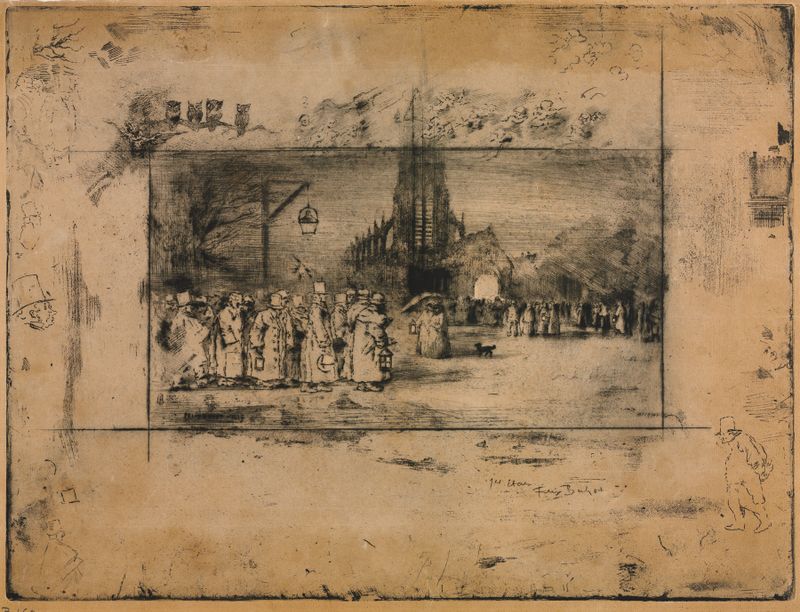
The Midnight Mass
Félix Hilaire Buhot
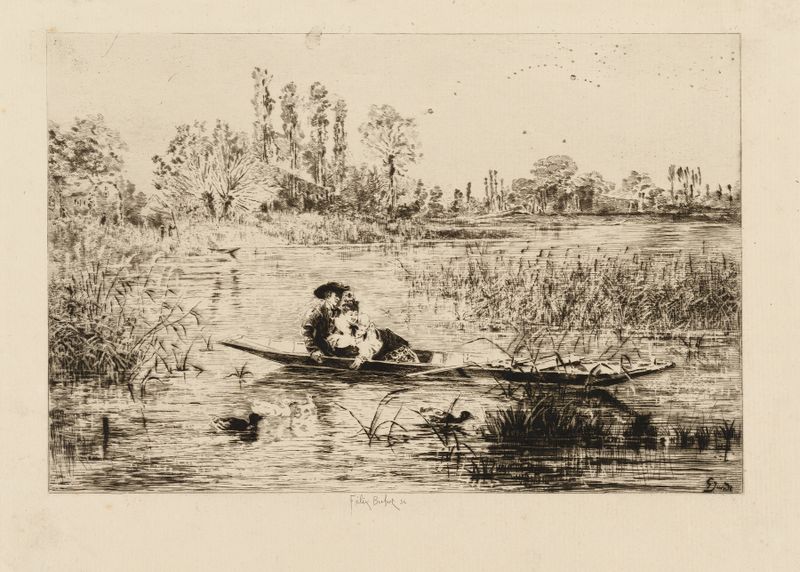
On the Thread of the Water
Félix Hilaire Buhot
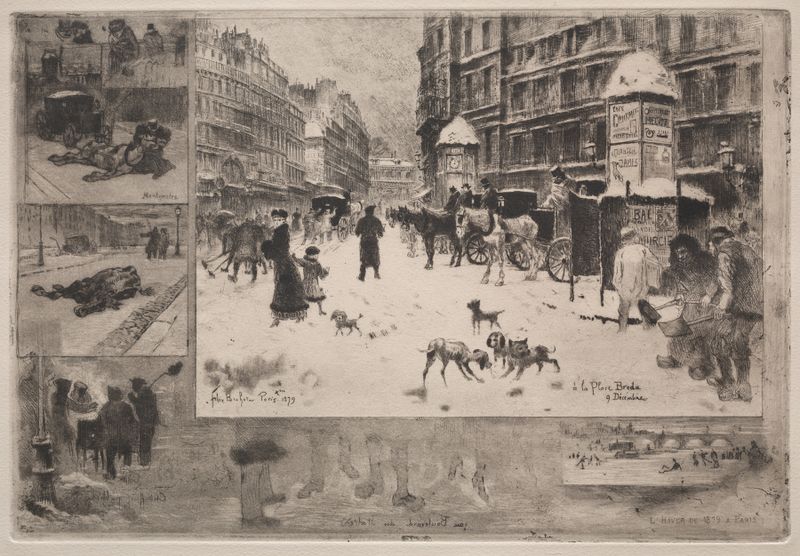
Winter in Paris
Félix Hilaire Buhot
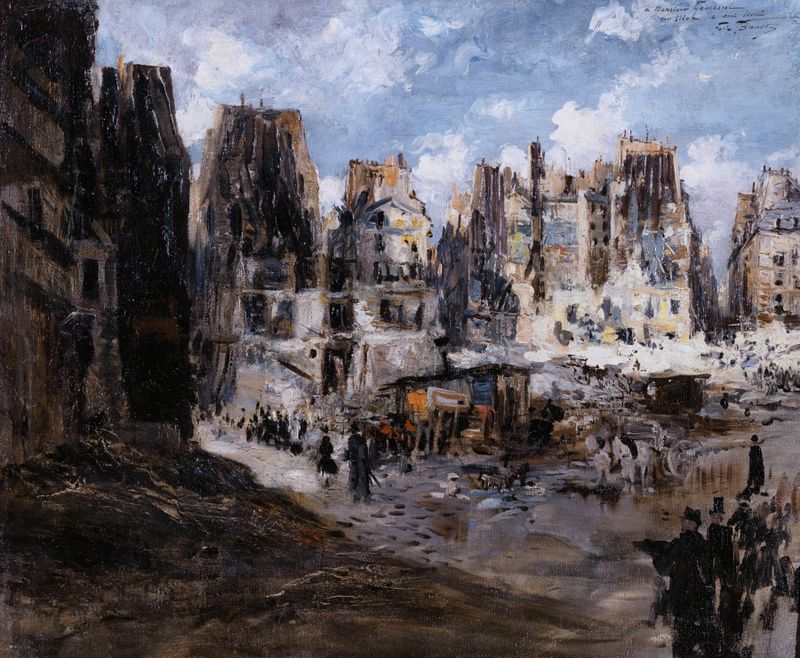
Le percement de l’avenue de l’Opéra.
Félix Hilaire Buhot
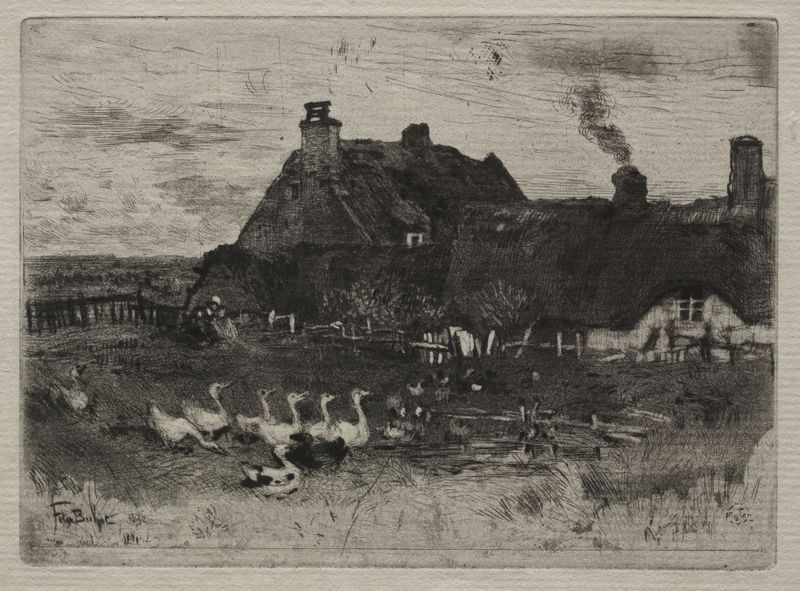
Thatched Cottages
Félix Hilaire Buhot
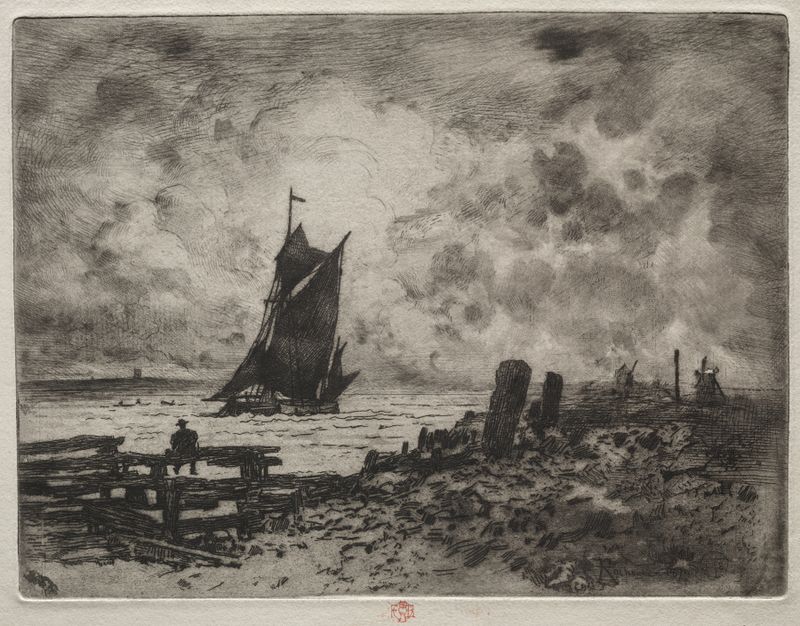
The Little Marine; Souvenir of Medway
Félix Hilaire Buhot





