
The Tapis Vert, Versailles — History & Facts
Can beauty exist without sorrow? The ephemeral essence of joy serves as a poignant backdrop for the unfurling tapestry of life's legacies. Focus your gaze on the verdant expanse that stretches across the canvas, where lush greens intermingle with hints of sunlight filtering through the trees. The dappled light dances across carefully manicured grass, inviting the viewer to step into the tranquility of Versailles. Notice how the soft brushstrokes weave together the vibrancy of nature and the grandeur of human design, creating a harmonious relationship between the landscape and its inhabitants. Within this serene scene lies a tension between the vibrancy of life and the weight of history.
The figures, poised in leisurely pursuits, engage in a moment of respite, yet their presence suggests the transience of beauty and the passage of time. Small details, like the delicate flowers and the meticulously arranged hedges, speak to the labor of love that sustains such splendor, while also hinting at the inevitability of decay. It is in this juxtaposition that the artwork transcends mere representation, prompting reflections on the legacy we leave behind. Created during a transformative period for American art in the late 19th century, the work reflects Beckwith's exploration of outdoor scenes and his appreciation for the Impressionist movement.
As he painted in the gardens of Versailles, he sought to capture the fleeting moments of beauty amidst a world grappling with change. In this context, the piece embodies not only the splendor of nature but also the artist's yearning to connect with the timeless narratives woven into the very fabric of history.
More Artworks by James Carroll Beckwith
Browse all →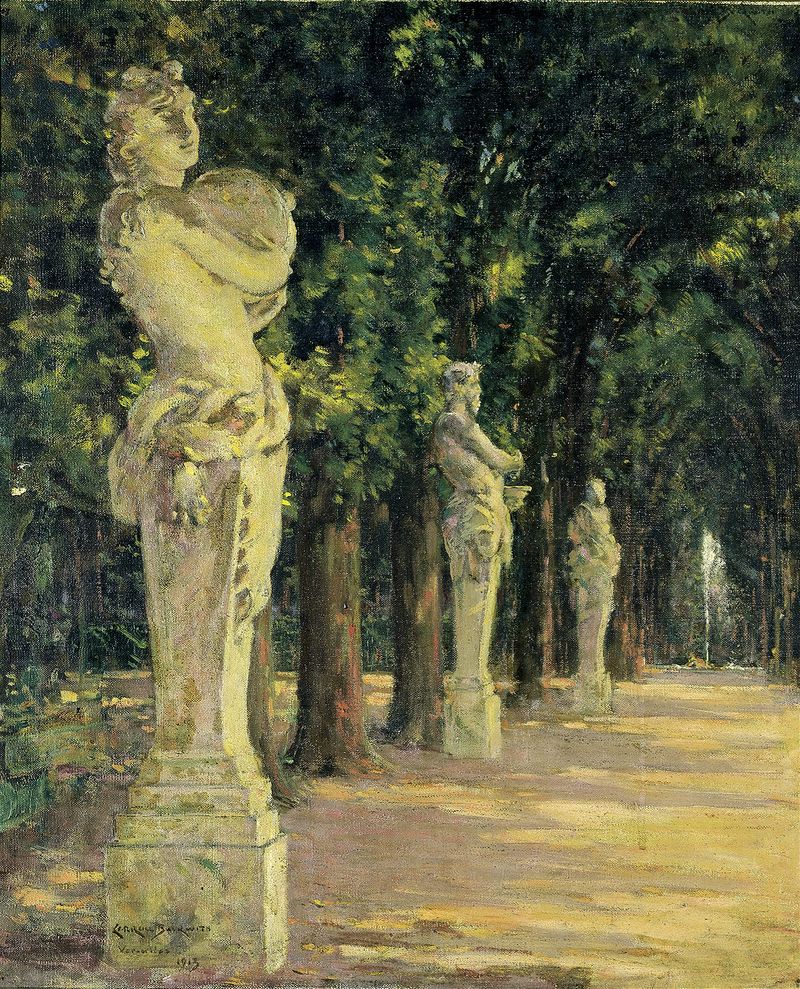
Allee de l’Ete, Versailles
James Carroll Beckwith

Carrefour at the End of the Tapis Vert, Versailles
James Carroll Beckwith

Bassin de Neptune, Versailles
James Carroll Beckwith

Nymph and Cupid
James Carroll Beckwith

George Martin Lane (1823-1897)
James Carroll Beckwith
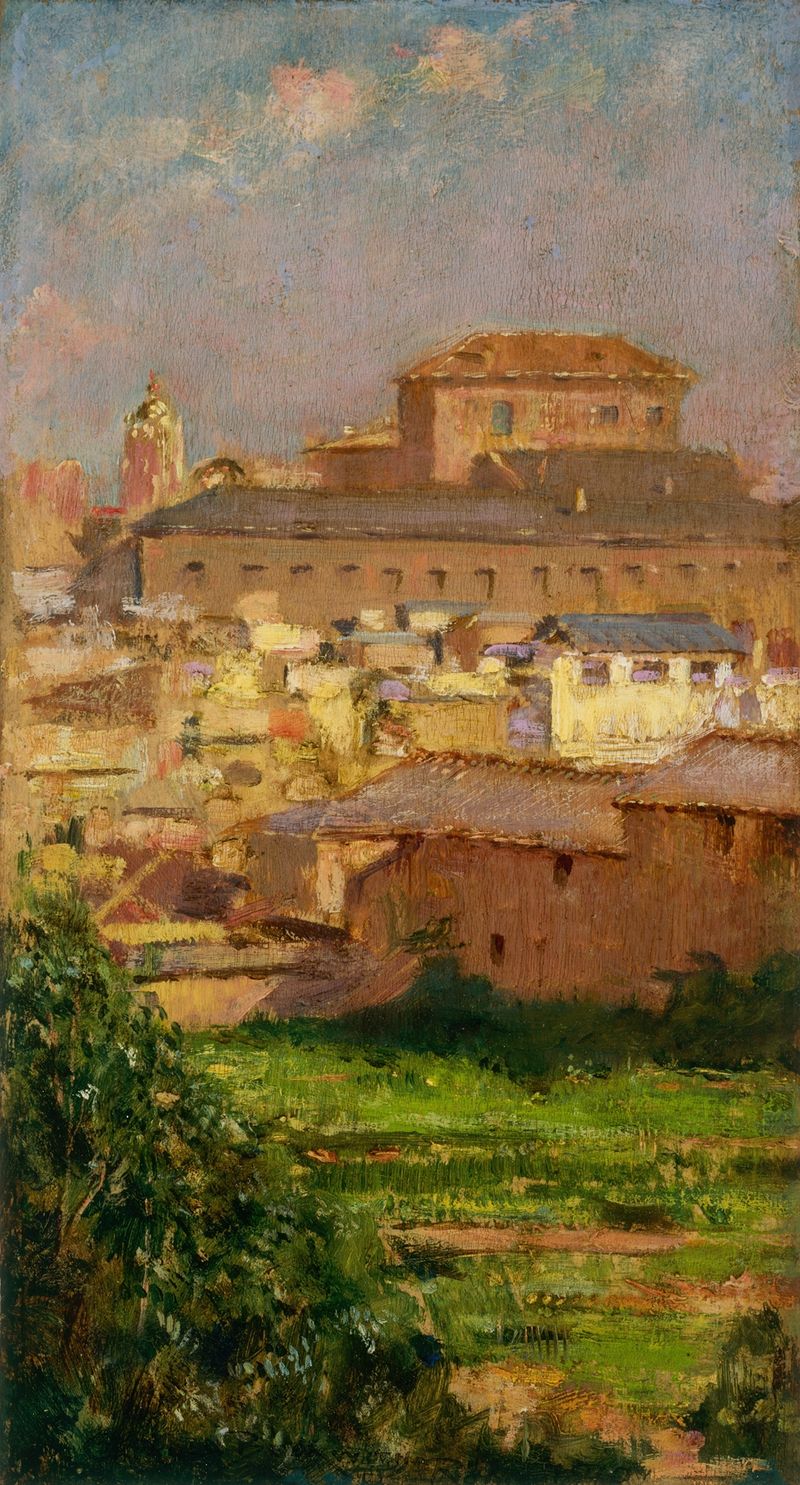
Palazzo Barberini, Rome
James Carroll Beckwith
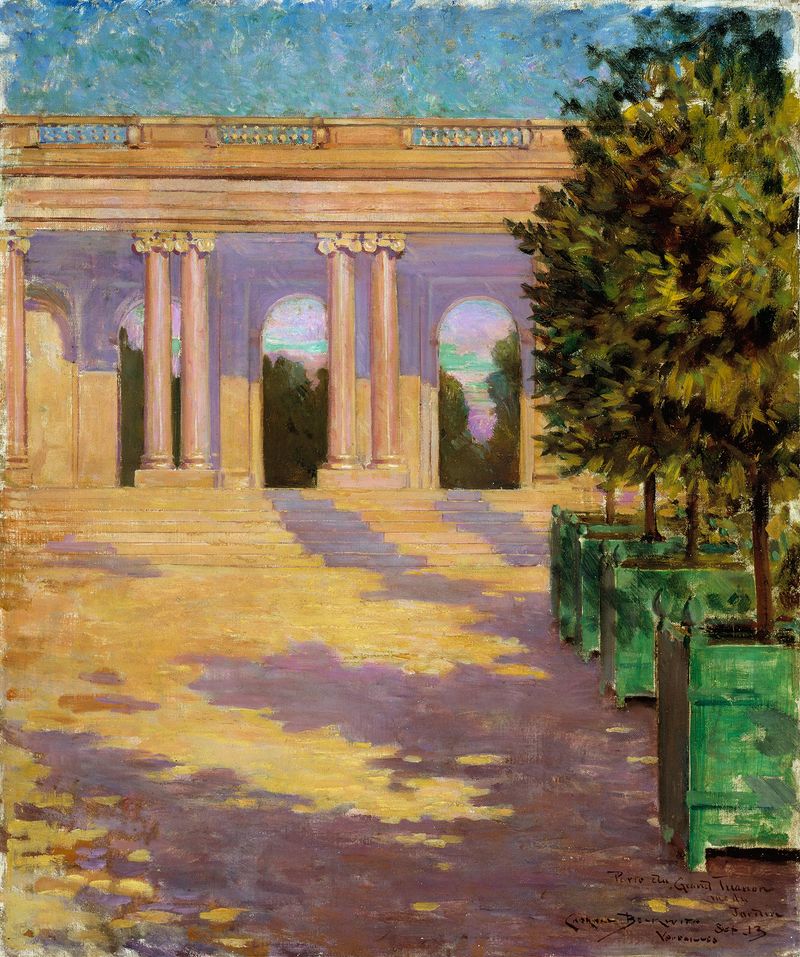
Arcade of the Grand Trianon, Versailles
James Carroll Beckwith

Cathedral at le Puy
James Carroll Beckwith

The Palace of the Popes and Pont d’Avignon
James Carroll Beckwith
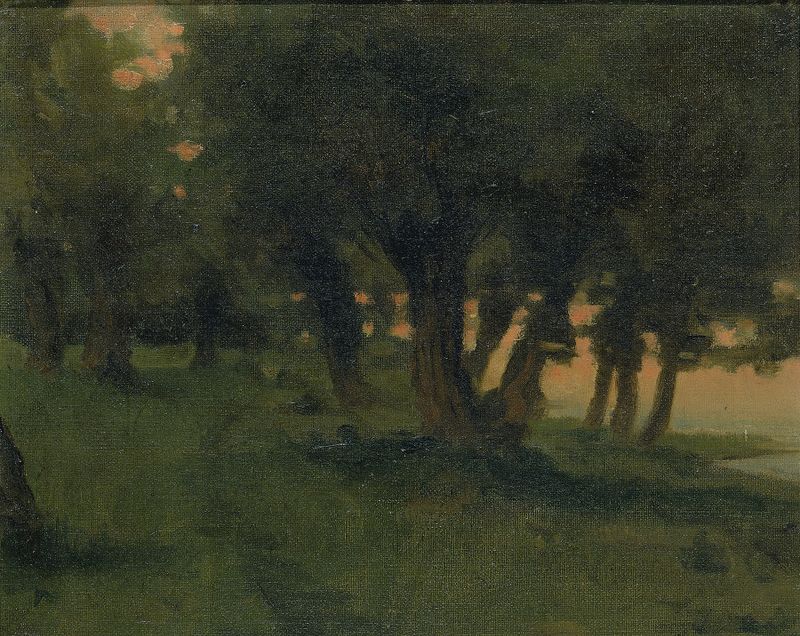
On the Banks of the Rhine, near St. Germain at Mont d’Or
James Carroll Beckwith





