
The Tower of Gorkum — History & Facts
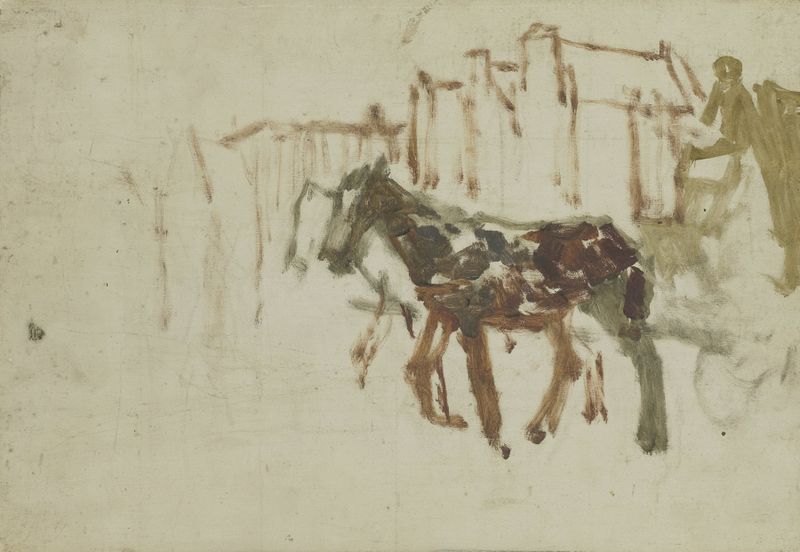
Can paint confess what words never could? In The Tower of Gorkum, a delicate interplay of light and shadow unveils the fragility of time and memory, inviting viewers to reflect on the transient nature of existence. Look to the left, where an imposing stone tower stands silhouetted against the twilight sky, its weathered surface textured with subtle hues of gray and ochre. The artist’s brushstrokes pulse with life, each stroke a testament to the tower's history, while the surrounding landscape dissolves into a soft blur. The gentle, muted colors evoke a sense of calm, yet they harbor an underlying tension, mirroring the complexity of what it means to endure. As you explore the composition, consider the contrast between the solidity of the tower and the ethereal quality of the sky.
The light almost cradles the structure, suggesting both protection and impending dissolution. This juxtaposition plays on the viewer’s emotions—every glance at the tower elicits feelings of nostalgia and loss, as if it were a remnant of lost stories and whispered secrets. Each blade of grass and drifting cloud enhances the theme of fragility, highlighting the beauty and inevitability of decay. Created between 1880 and 1908, this work emerged during a period when George Hendrik Breitner was deeply absorbed in capturing the essence of urban landscapes and architecture.
Residing in the Netherlands, he sought to portray the relationship between humanity and its environment, utilizing impressionistic techniques that emphasized atmosphere over detail. This painting reflects both the artist's personal explorations and the broader transition in art towards expressing emotional truth through visual language.
More Artworks by George Hendrik Breitner
Browse all →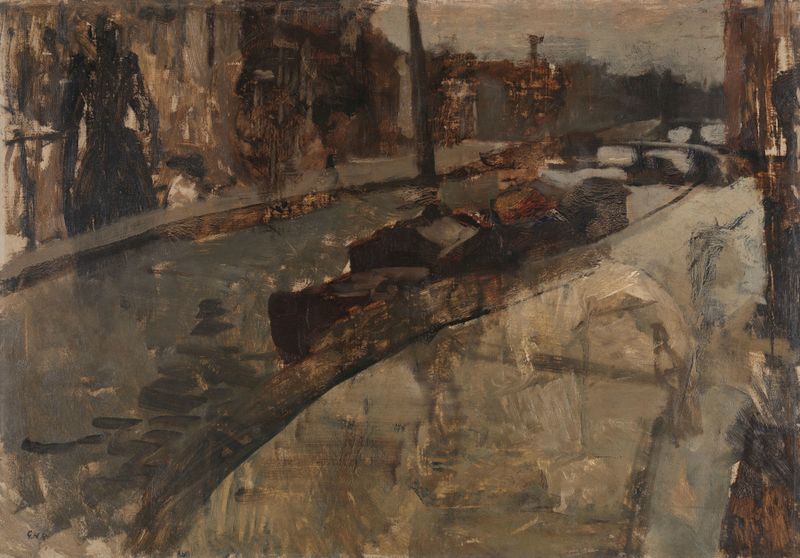
Prinsengracht near Lauriergracht, Amsterdam
George Hendrik Breitner
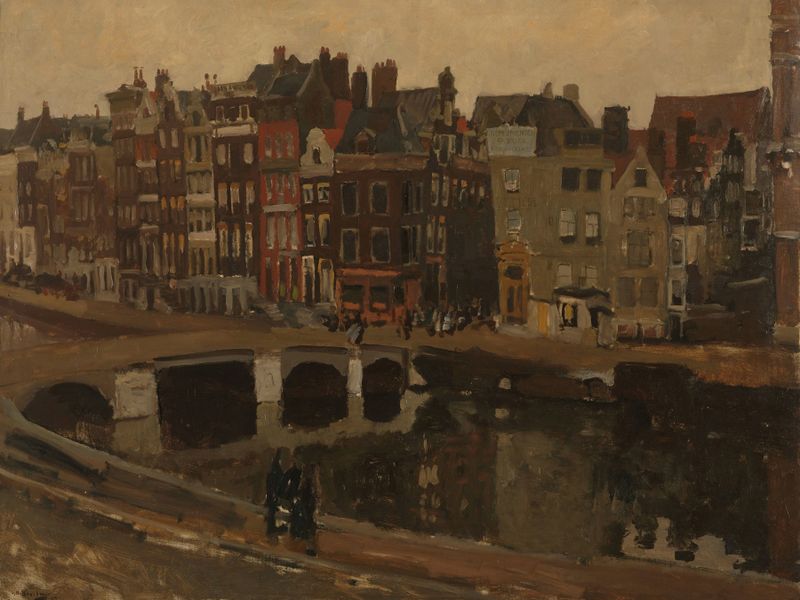
The Rokin, Amsterdam
George Hendrik Breitner

The Rokin, Amsterdam
George Hendrik Breitner
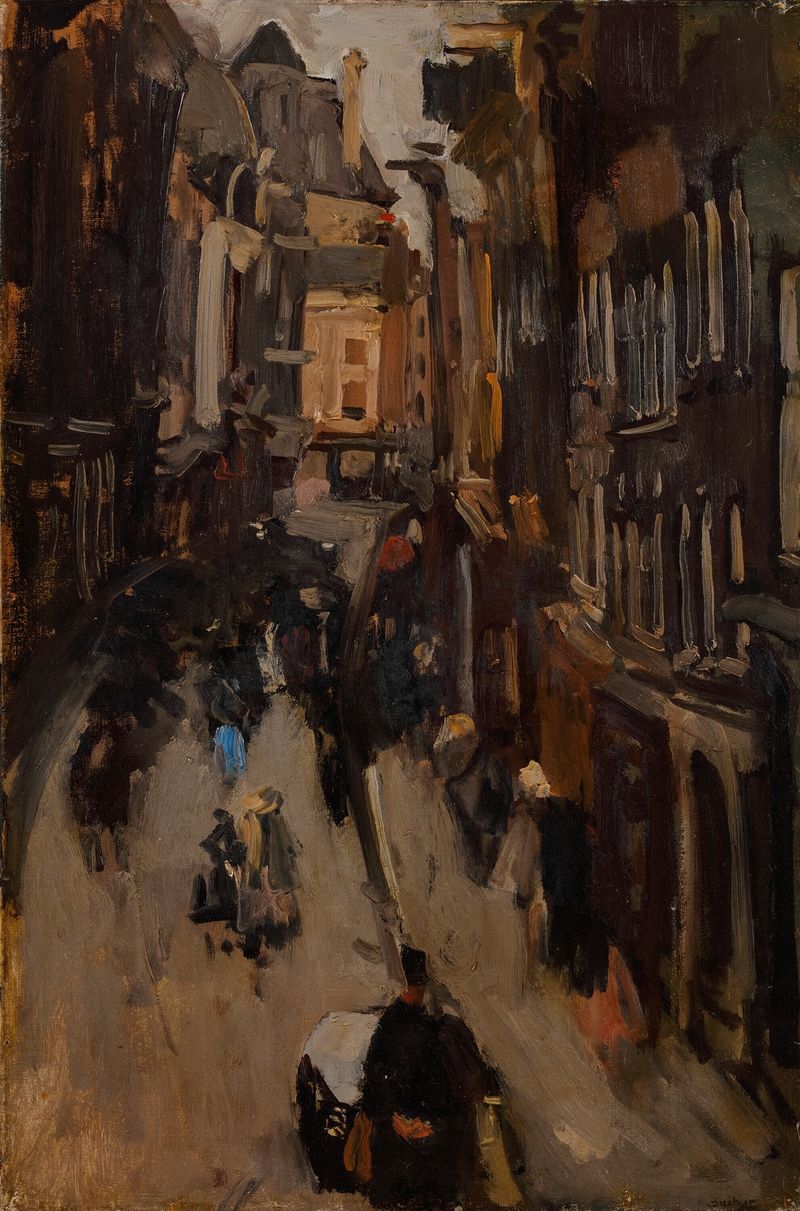
A busy day in the Kalverstraat, Amsterdam
George Hendrik Breitner

The Damrak, Amsterdam
George Hendrik Breitner
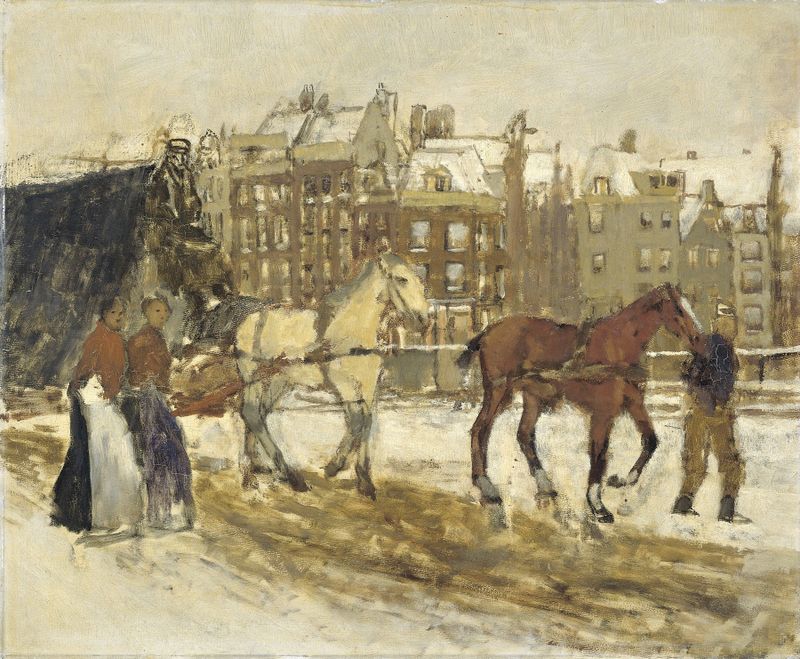
The Rokin, Amsterdam
George Hendrik Breitner

The Baanbrugsteeg looking from the Haarlemmerdijk towards the Vinkenstraat and the Brouwersgracht
George Hendrik Breitner

The Leidsegracht, Amsterdam
George Hendrik Breitner
The Rokin
George Hendrik Breitner

Gezicht op de Dam
George Hendrik Breitner
More Architecture Art
Browse all →
The statue of Liberty
Frédéric Auguste Bartholdi

View of Houses in Delft, Known as ‘The Little Street’
Johannes Vermeer

View of Houses in Delft, Known as ‘The Little Street’
Johannes Vermeer

The Cathedral in Rouen. The portal, Grey Weather
Claude Monet

The yellow house
Vincent van Gogh

The Church in Auvers-sur-Oise, View from the Chevet
Vincent van Gogh