Discover insights about this artwork
The Tree by the Bend — History & Facts
In The Tree by the Bend, Paul Cézanne captures a serene landscape dominated by a large tree. The colors are rich and earthy, with deep greens and browns contrasting against the blue of the sky. The setting features a gentle bend in a river, creating a sense of tranquility.
Light filters through the leaves, casting dappled shadows on the ground below. Cézanne's technique is evident in the brushwork, which combines short strokes and layered colors to create depth. The composition is balanced, with the tree positioned prominently to draw the viewer's eye. The use of color is both bold and subtle, showcasing Cézanne's ability to convey mood through landscape.
This work exemplifies the Post-Impressionist style, focusing on the artist's perception of nature. Paul Cézanne, a pivotal figure in the transition from Impressionism to modern art, painted The Tree by the Bend during the late 19th century. This period was marked by his exploration of form and color, seeking to depict the essence of his subjects. Interestingly, Cézanne often returned to the same motifs, and this painting reflects his deep connection to the Provençal landscape.
His work laid the groundwork for future artistic movements, influencing generations of artists.
More Artworks by Paul Cézanne
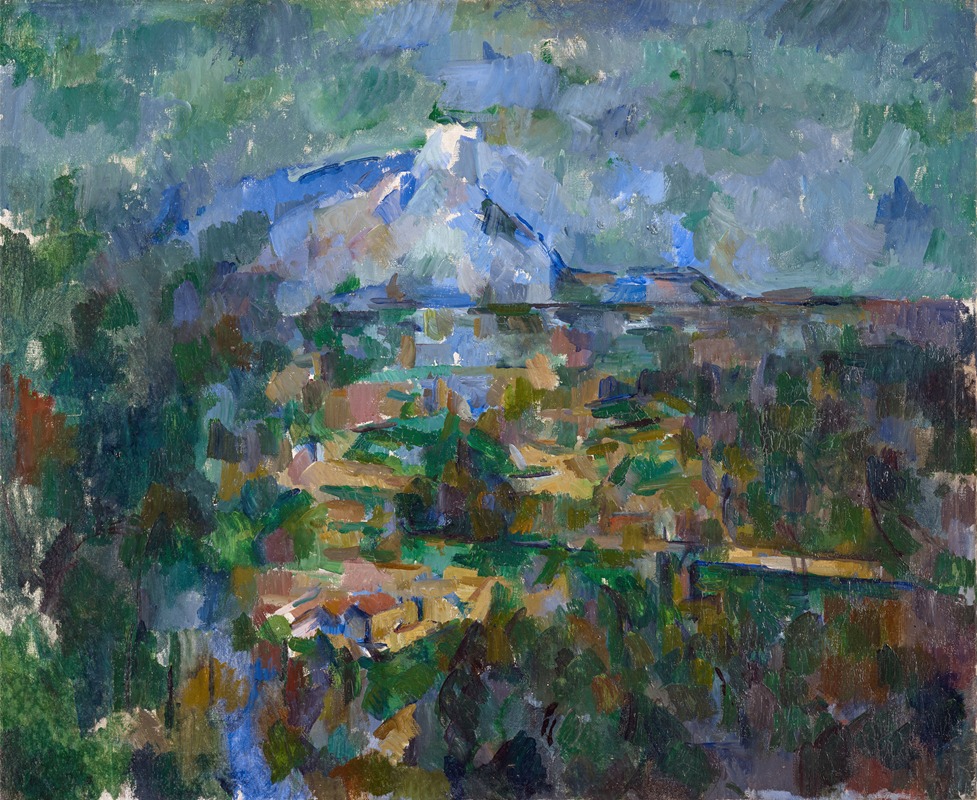
The Mont Sainte-Victoire Seen From Les Lauves
Paul Cézanne
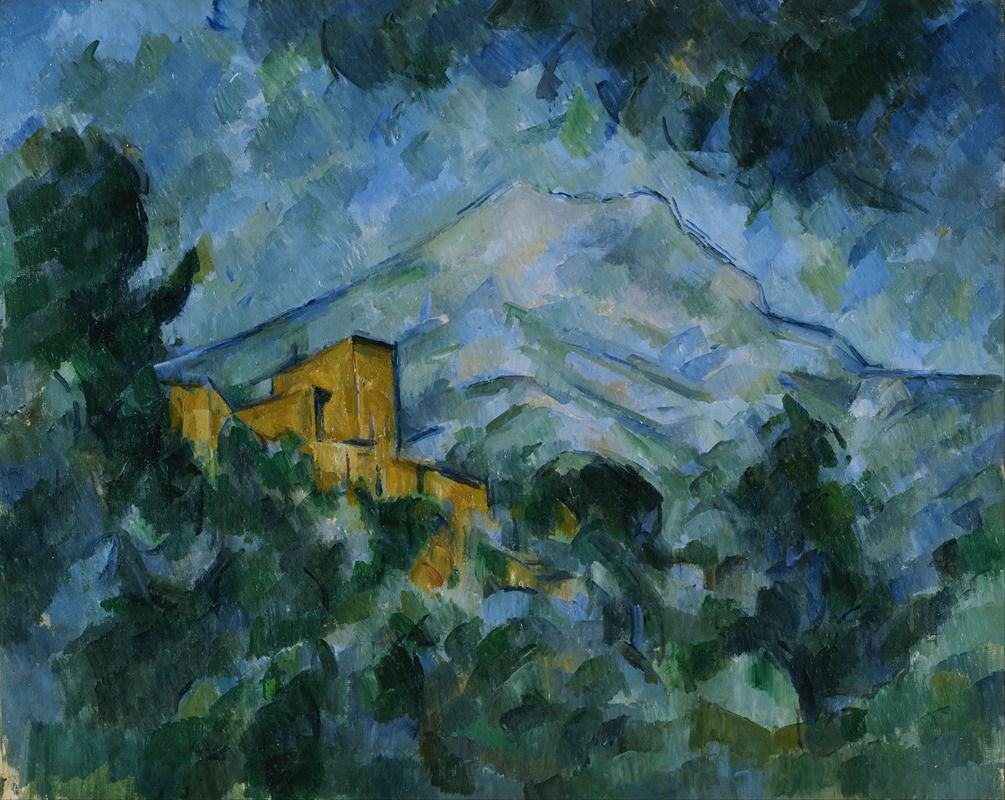
Mont Sainte-Victoire and Château Noir
Paul Cézanne
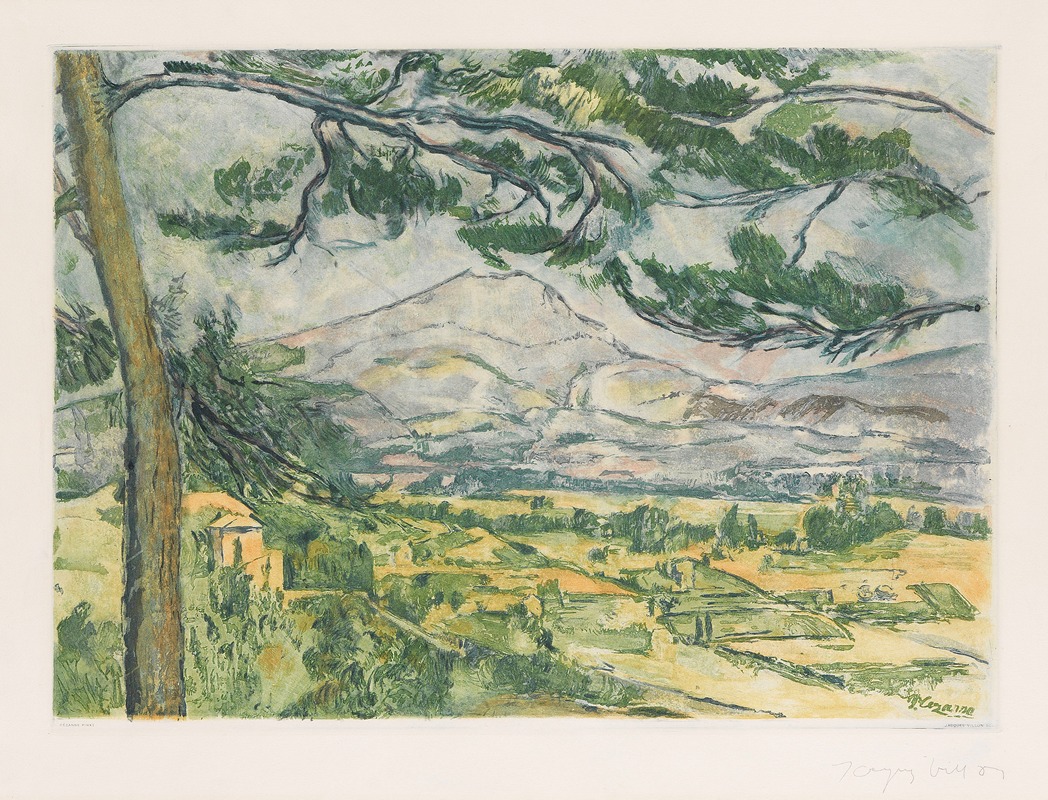
La Montagne Sainte-Victoire
Paul Cézanne
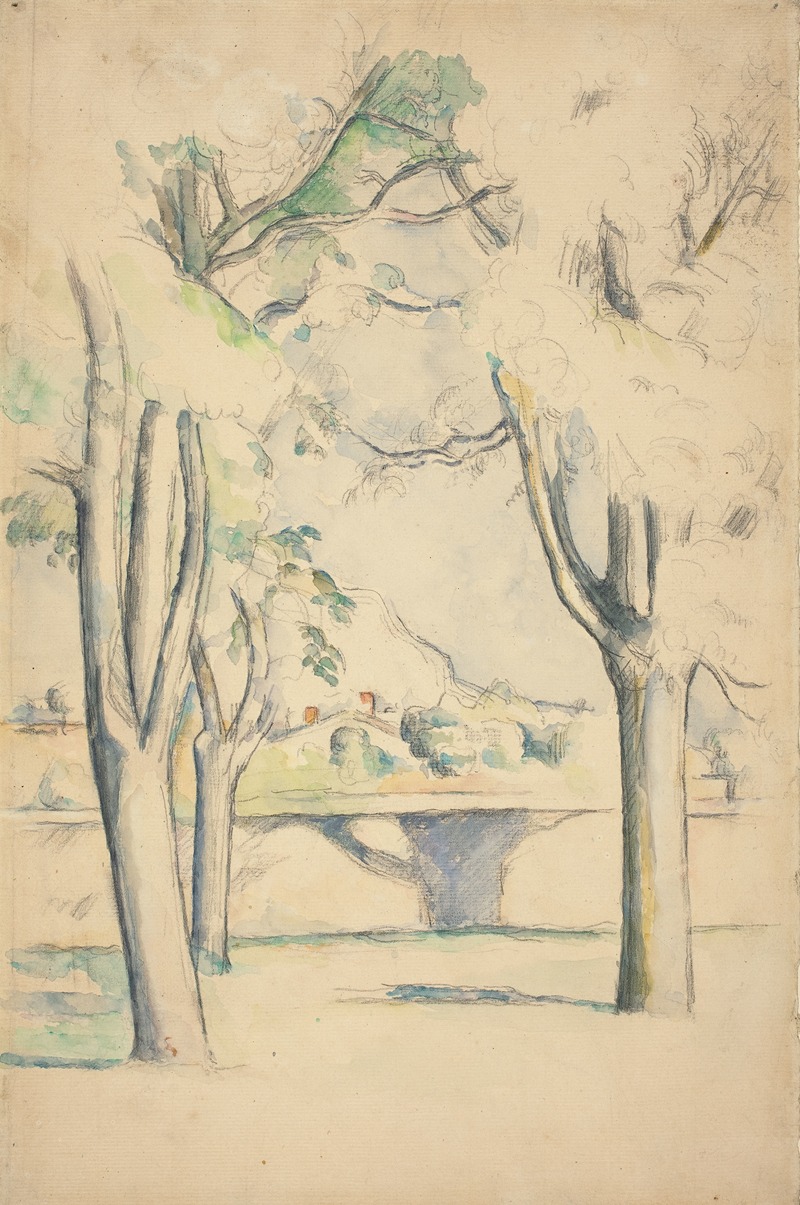
Mont Sainte-Victoire Seen beyond the Wall of the Jas de Bouffan
Paul Cézanne
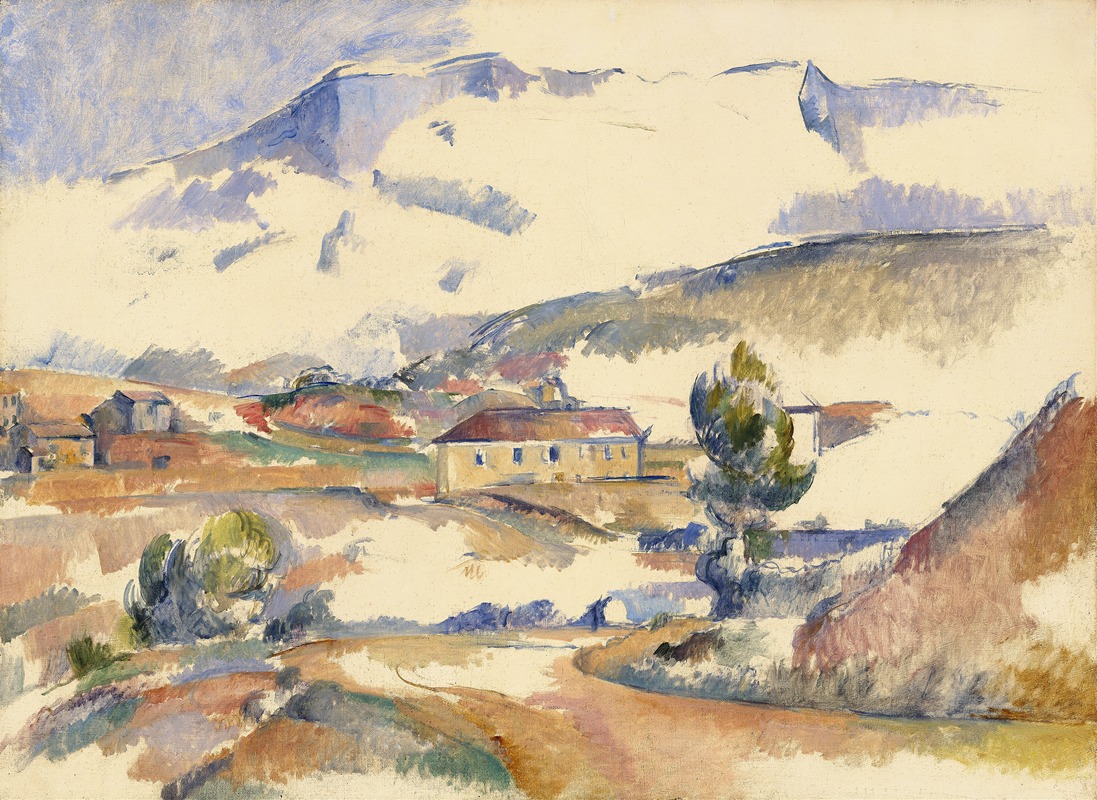
Montagne Sainte-Victoire,from near Gardanne
Paul Cézanne
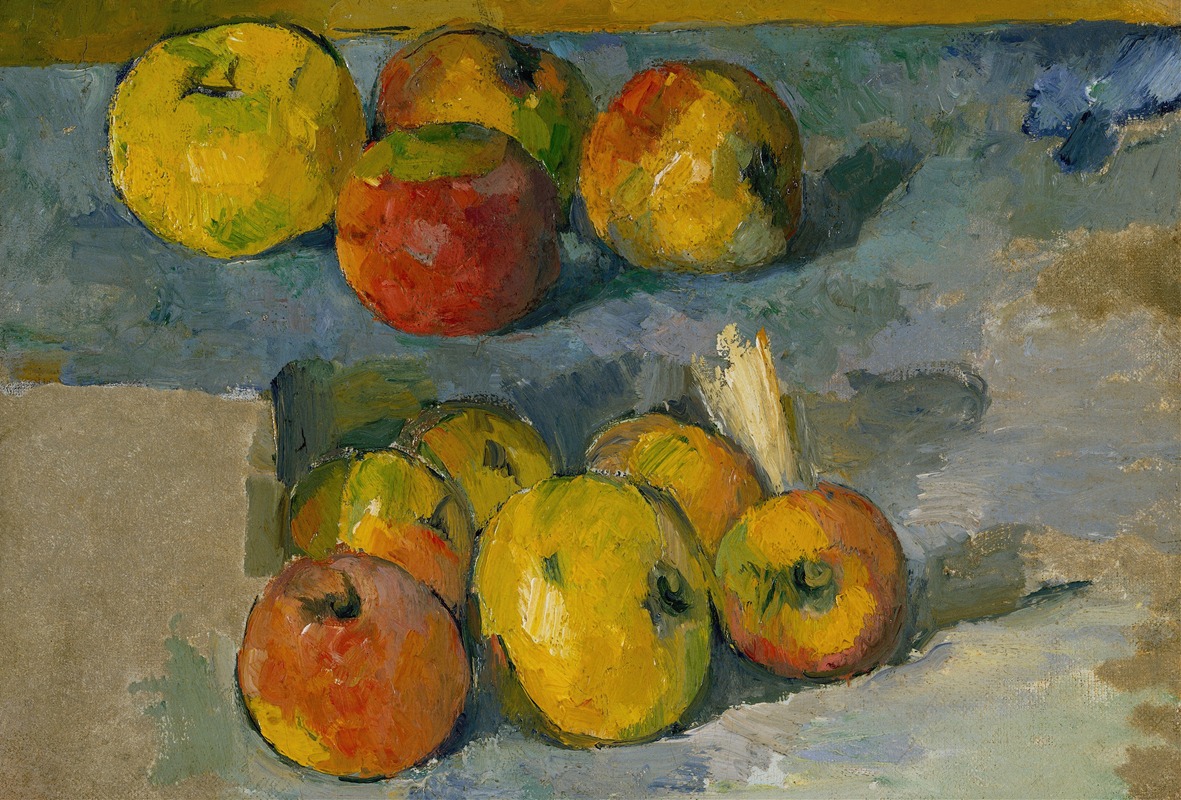
Apples
Paul Cézanne
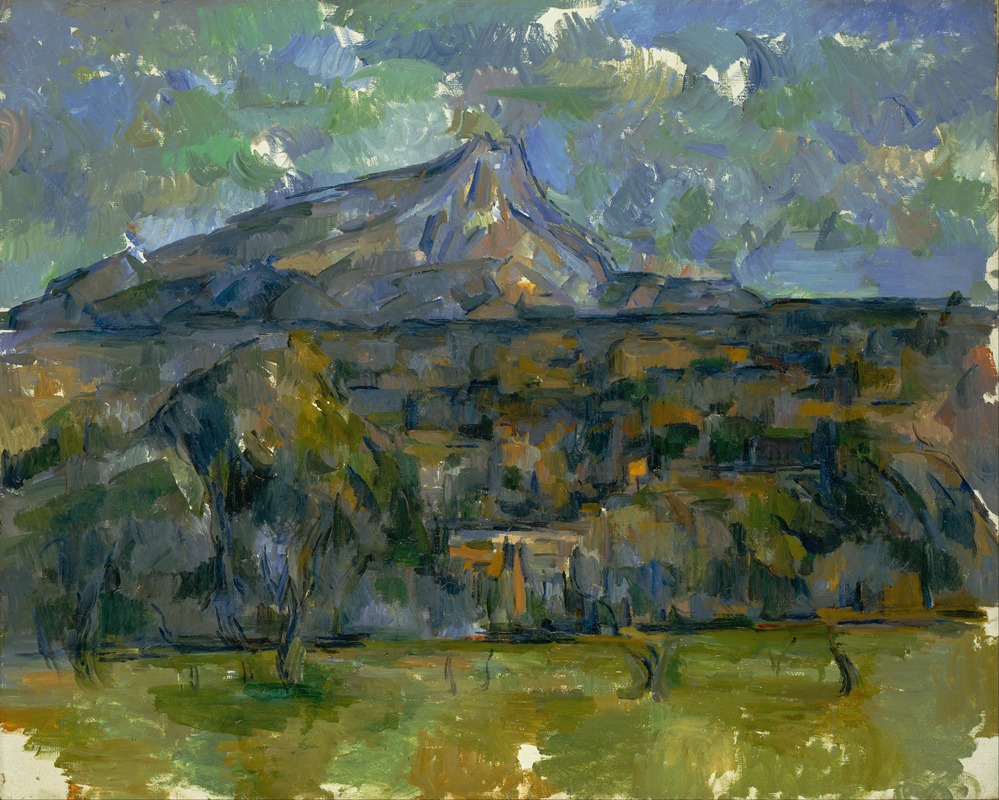
Mont Sainte-Victoire
Paul Cézanne
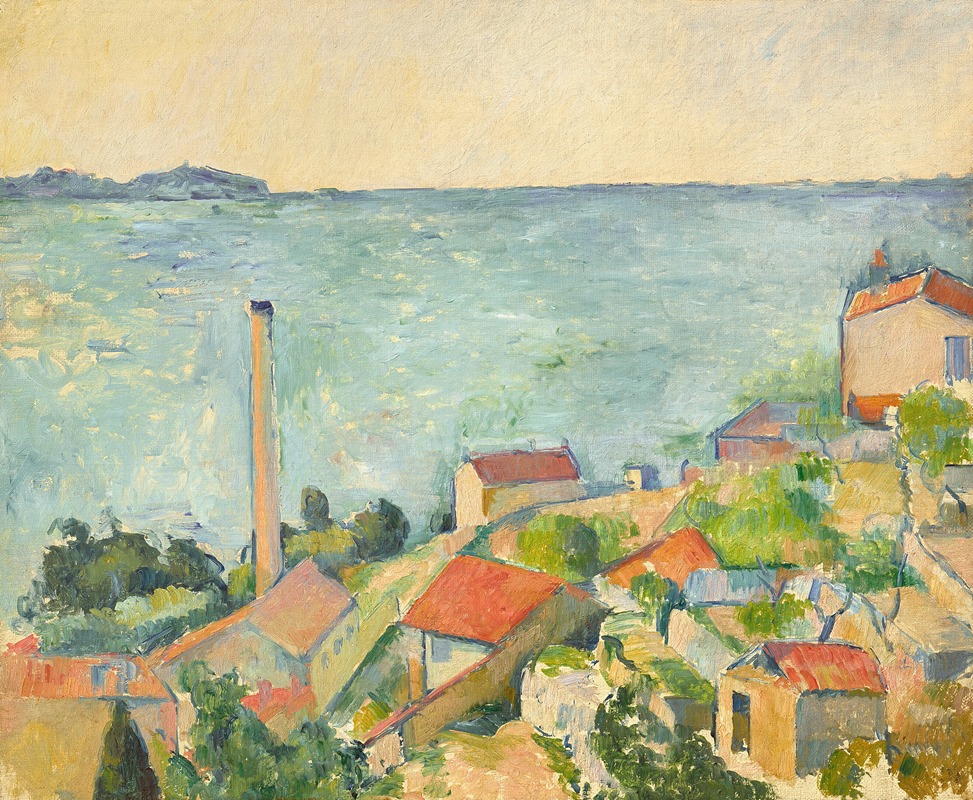
La mer à l’Estaque
Paul Cézanne
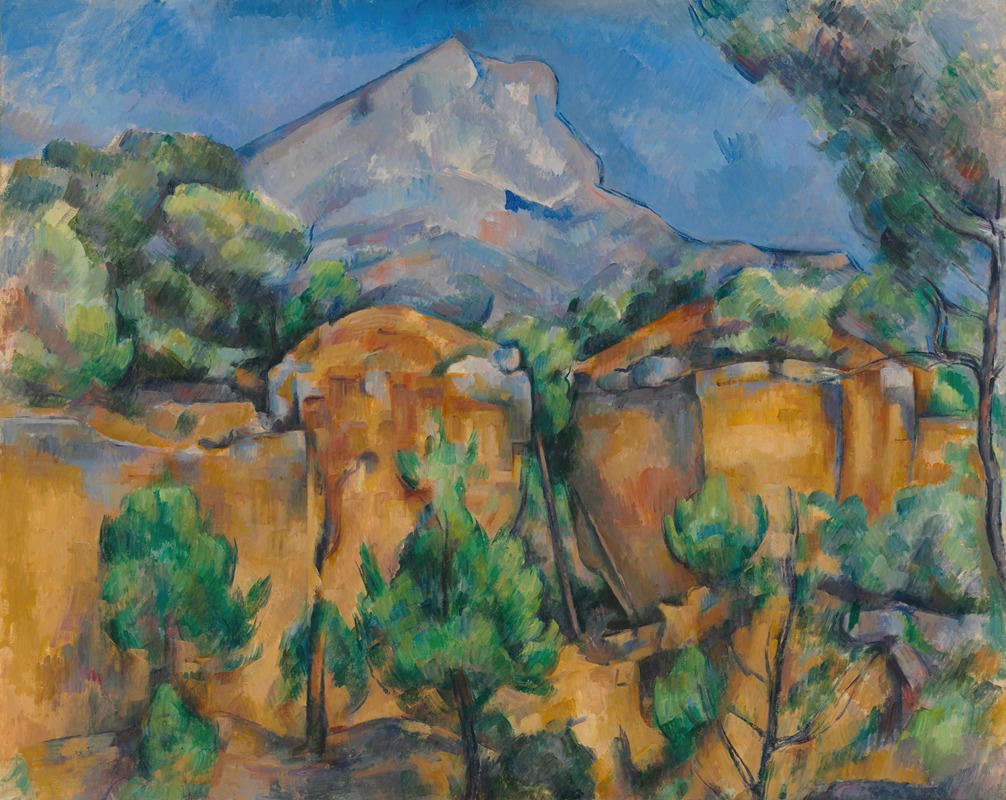
La Montagne Sainte-Victoire vue de la carrière Bibémus
Paul Cézanne
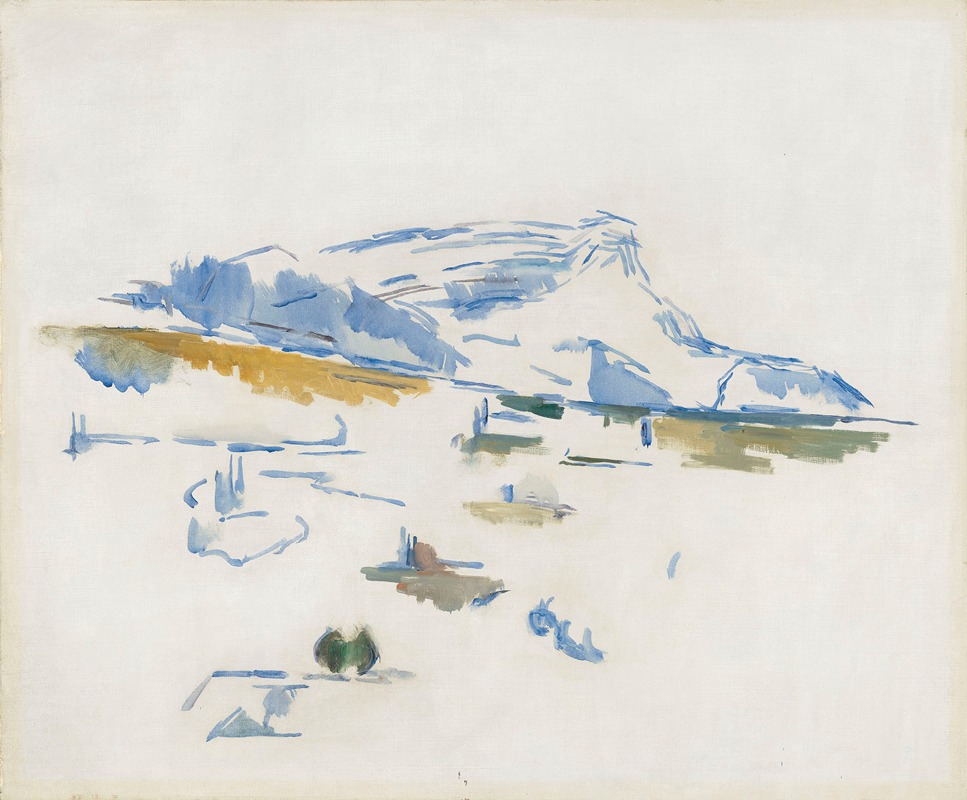
La Montagne Sainte-Victoire vue des Lauves
Paul Cézanne