
The Triumph of Mordecai — History & Facts
When Sandro Botticelli painted The Triumph of Mordecai around 1475, he took on a subject rarely seen in Italian Renaissance art: a scene from the Book of Esther, a text more often illustrated in Northern Europe. The painting captures a moment of reversal and vindication from the biblical tale, where a Jewish outsider is paraded through the streets of ancient Susa, honored by the very man who plotted his downfall. This unusual choice may reflect the interests of a learned Florentine patron, fascinated by stories of justice and fate, or perhaps the influence of the Medici court, which often saw itself in the mirror of Old Testament heroes. In the scene, Mordecai, dressed in royal robes and crowned, rides a white horse through a crowded city gate, while Haman—the antagonist who sought his destruction—leads the procession on foot, head bowed in humiliation.
Botticelli’s attention to detail is evident in the careful rendering of Persian costumes and the lively gestures of the onlookers, who point and whisper, underscoring the public nature of Mordecai’s triumph. The golden chain draped across Mordecai’s chest signals royal favor, while the play of light across the figures sets apart the just from the humbled. Unlike the more restrained treatment of this episode by Rembrandt in his own The Triumph of Mordecai, Botticelli fills his canvas with movement and color, drawing the viewer into the drama of the moment. The precise origins of The Triumph of Mordecai remain uncertain, as no definitive commission or early inventory survives.
Its style and palette place it firmly within Botticelli’s early Florentine period, a time when he was experimenting with narrative complexity and crowd scenes, as seen in works like Adoration of the Magi. Over the centuries, the painting’s whereabouts were occasionally lost to record, and its attribution was once questioned, though modern scholarship confidently assigns it to Botticelli’s hand. Today, it stands as a rare testament to the artist’s engagement with biblical history, offering a glimpse into the cultural crosscurrents of Renaissance Florence.
More Artworks by Sandro Botticelli
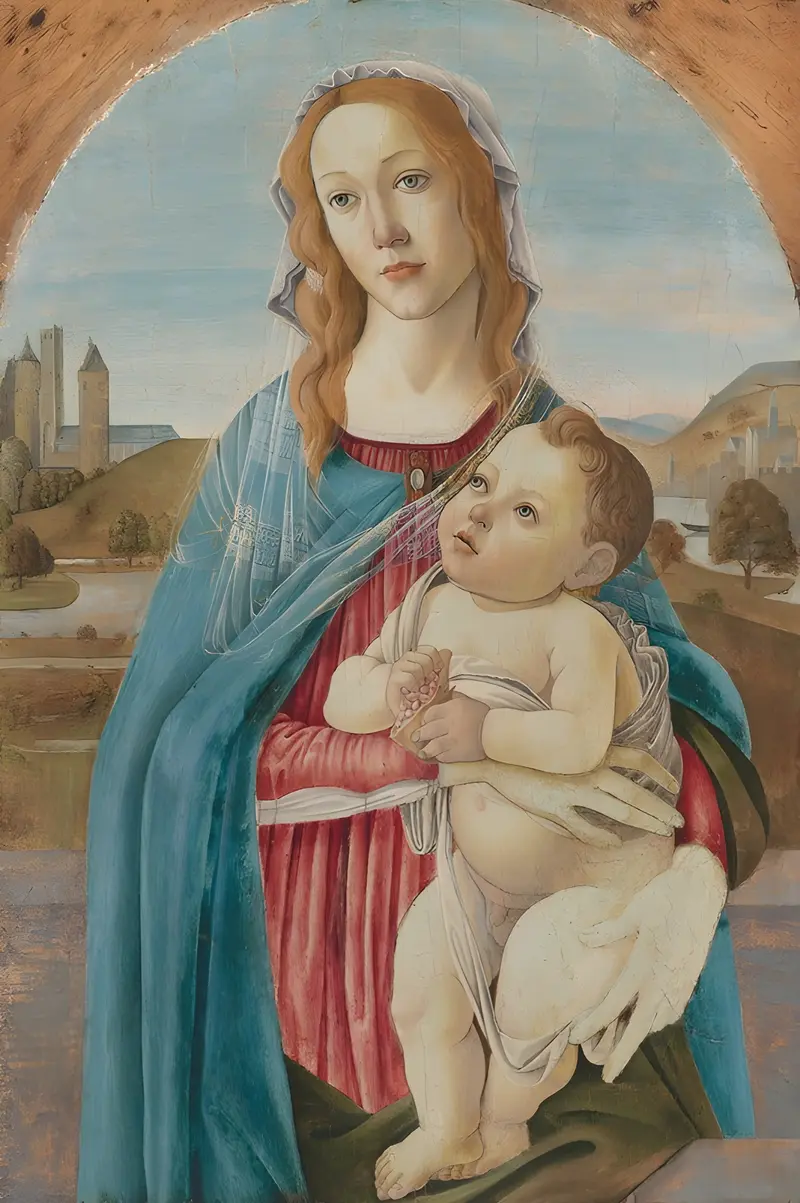
Virgin and Child
Sandro Botticelli
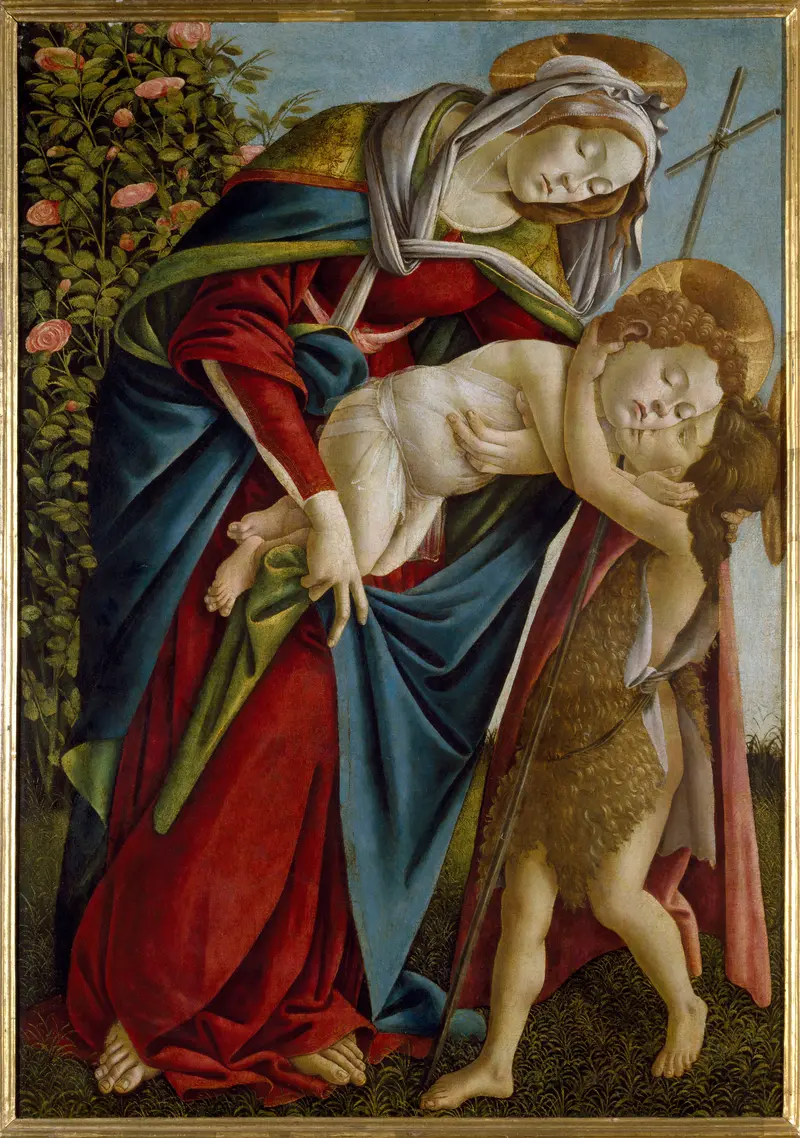
Madonna and Child and the Young St John the Baptist
Sandro Botticelli
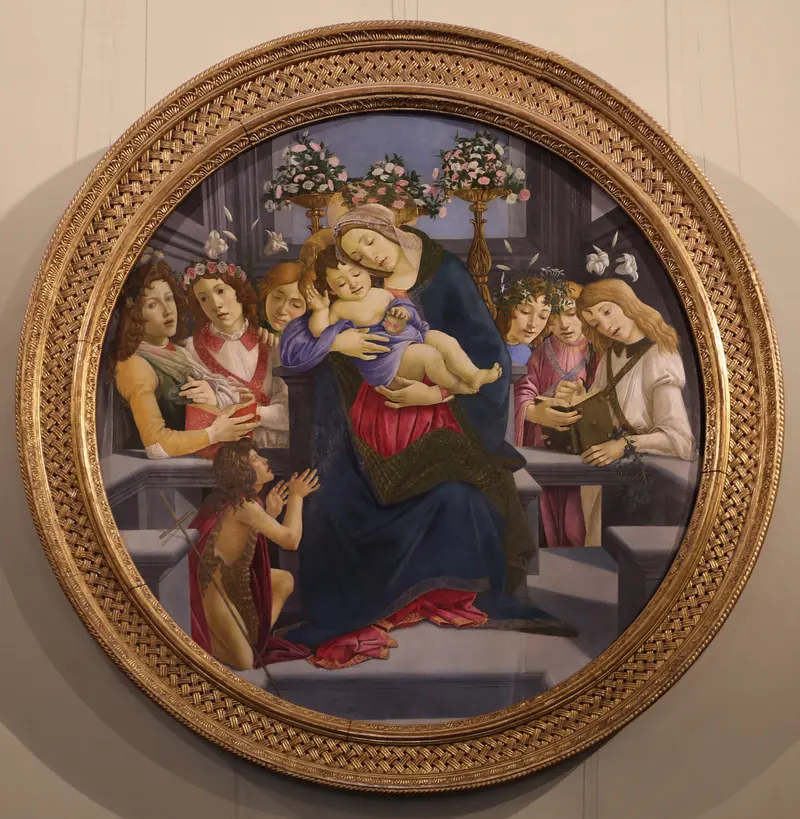
Madonna and Child with six angels and Saint John the Baptist as Child
Sandro Botticelli
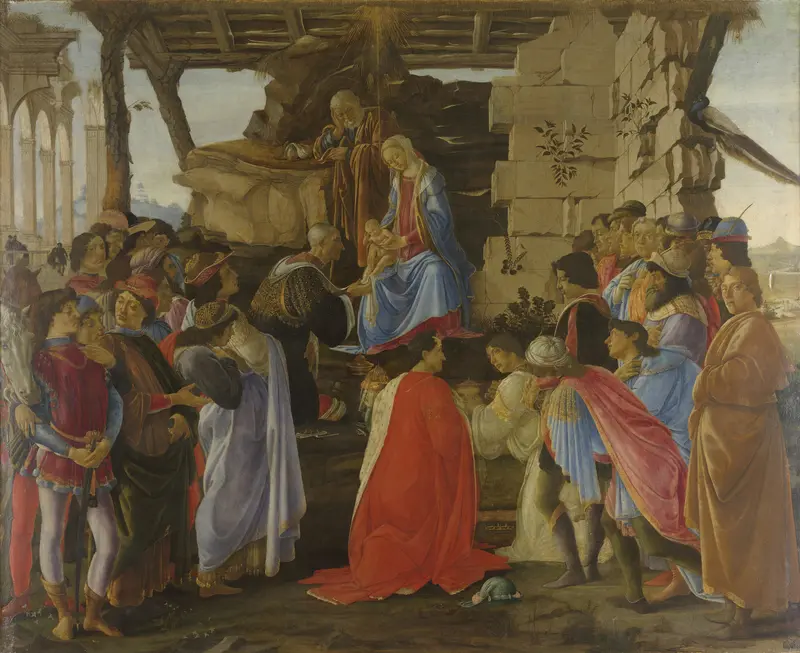
Adoration of the Magi
Sandro Botticelli

Virgin and Child with the Young Saint John the Baptist
Sandro Botticelli
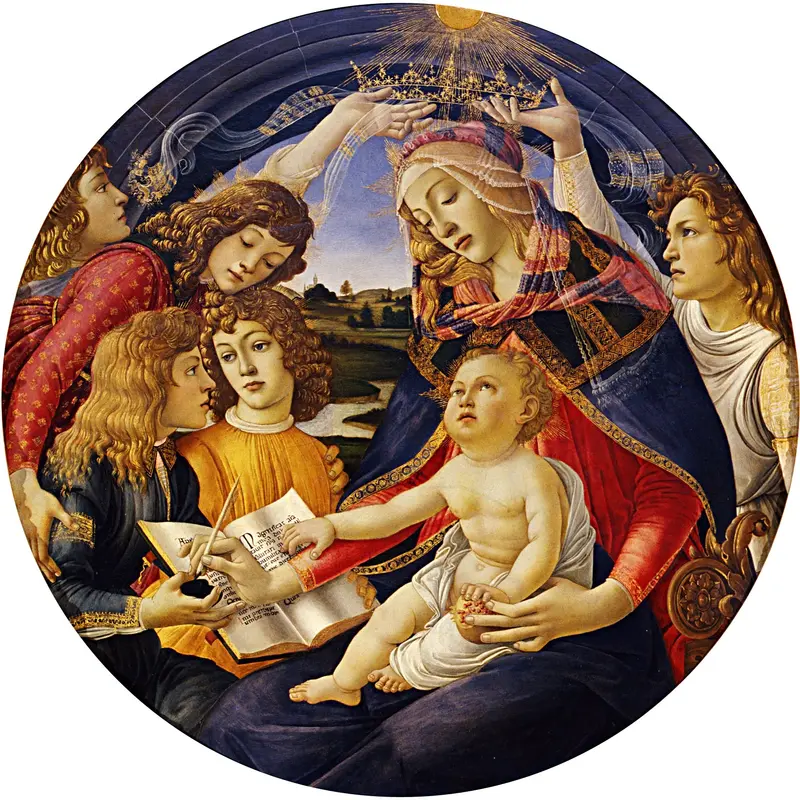
Madonna of the Magnificat
Sandro Botticelli
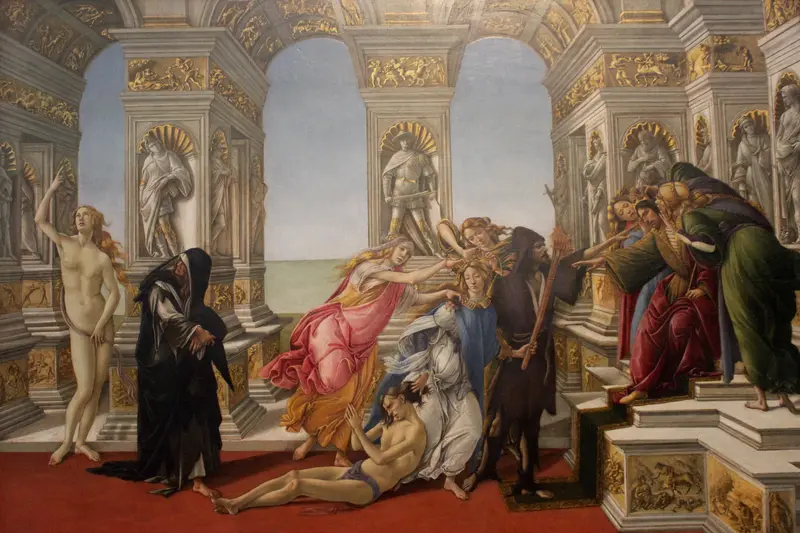
Calumny of Apelles
Sandro Botticelli
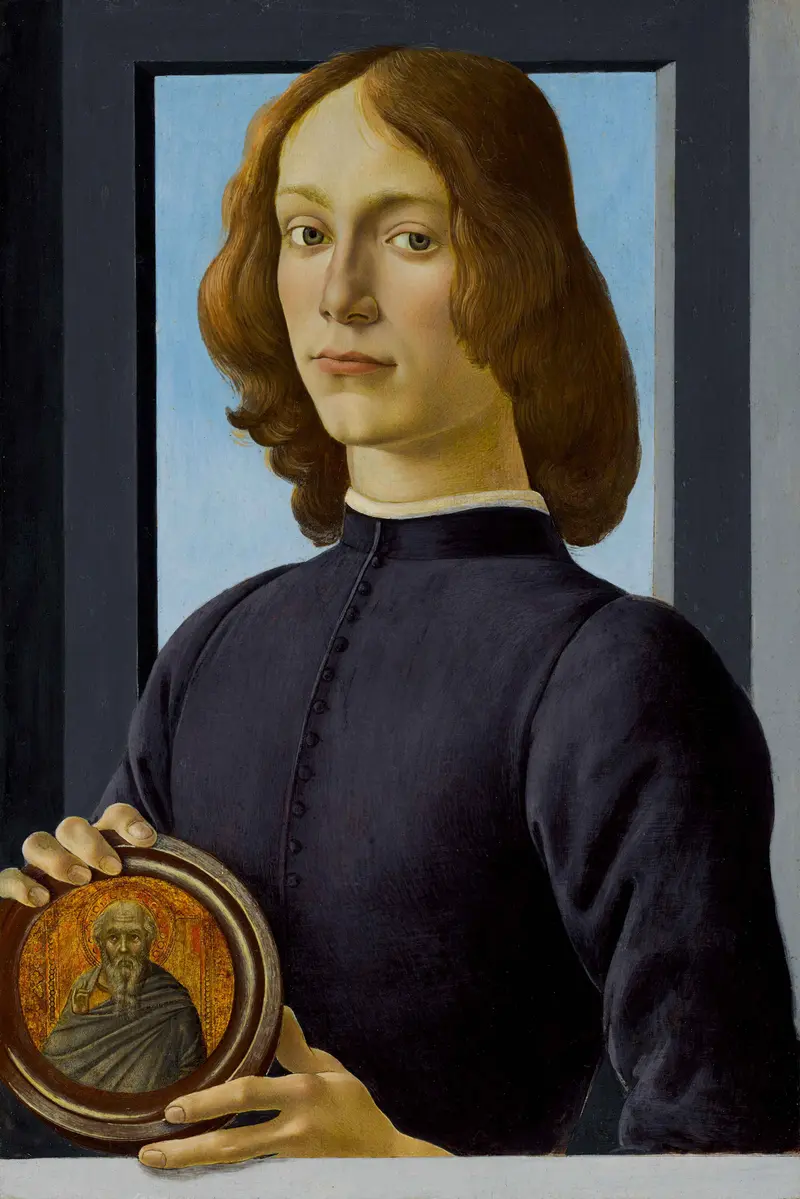
Portrait of a young man holding a roundel
Sandro Botticelli

The Trinity with Saint Mary Magdalene and Saint John the Baptist, the Archangel Raphael and Tobias
Sandro Botticelli
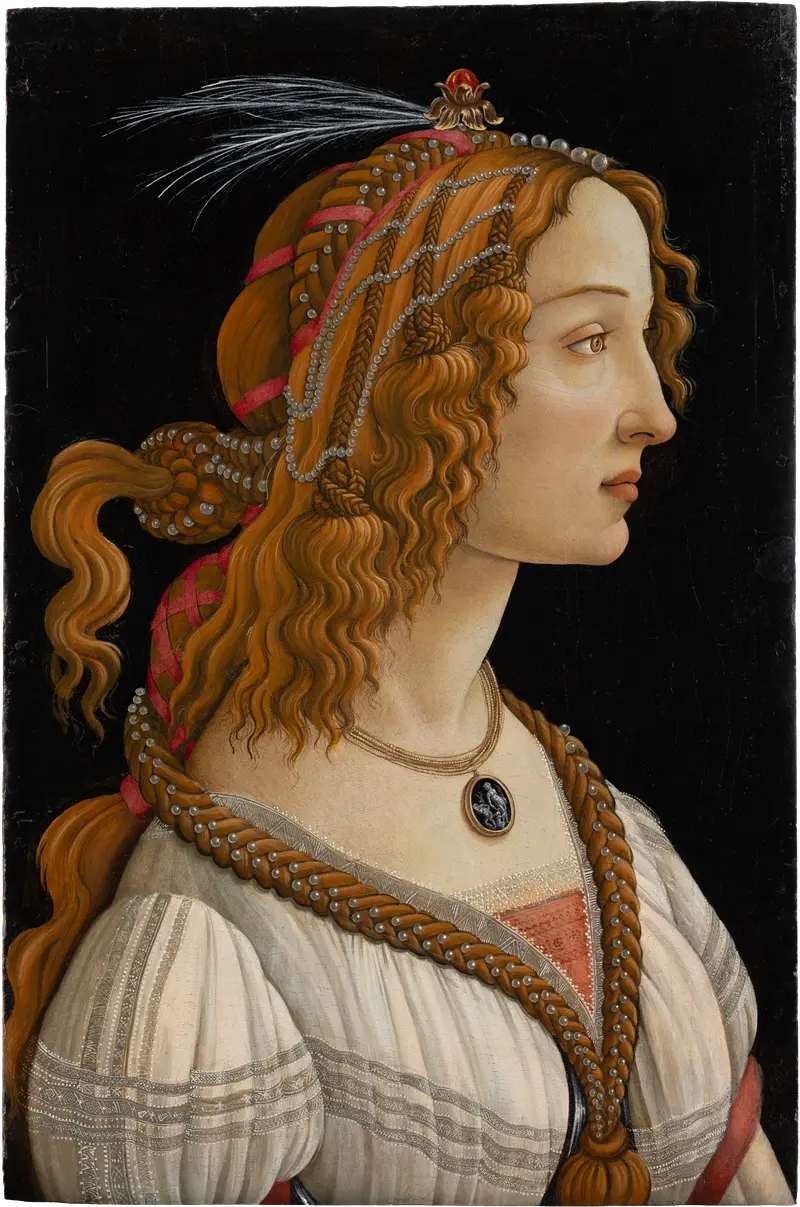
Idealized Portrait of a Lady (Portrait of Simonetta Vespucci as Nymph)
Sandro Botticelli





