
The Turn of the Road — History & Facts
Where does light end, and longing begin? This question reverberates through the stillness of a twilight scene, where the fading day surrenders to the embrace of night. Focus on the path that winds into the distance, illuminated by the gentle glow of gas lamps, casting soft reflections on the wet cobblestones. The trees, their leaves whispered to life by the dusk, frame the road, drawing the viewer’s eye deeper into the inviting mystery. Each brushstroke reflects a mastery of light and shadow, the cool blues and warm yellows creating an emotional interplay that transcends mere representation. Notice how the interplay of light evokes a sense of nostalgia, perhaps hinting at journeys taken or those yet to come.
The juxtaposition of the serene landscape against the encroaching darkness speaks volumes about the passage of time and the ephemeral nature of our experiences. Each lamplight seems to cast a halo of hope, while the shadows whisper secrets, inviting contemplation on what lies just beyond the visible. In 1883, John Atkinson Grimshaw was at the height of his career, residing in Leeds, England. His fascination with capturing the effects of light drew him to nocturnal landscapes, a departure from the more common themes of his contemporaries.
This period marked a growing interest in the Pre-Raphaelite and Aesthetic movements, influencing Grimshaw's unique approach to atmospheric painting that continues to resonate with viewers today.
More Artworks by John Atkinson Grimshaw
Browse all →
Under the Silvery Moonbeams
John Atkinson Grimshaw
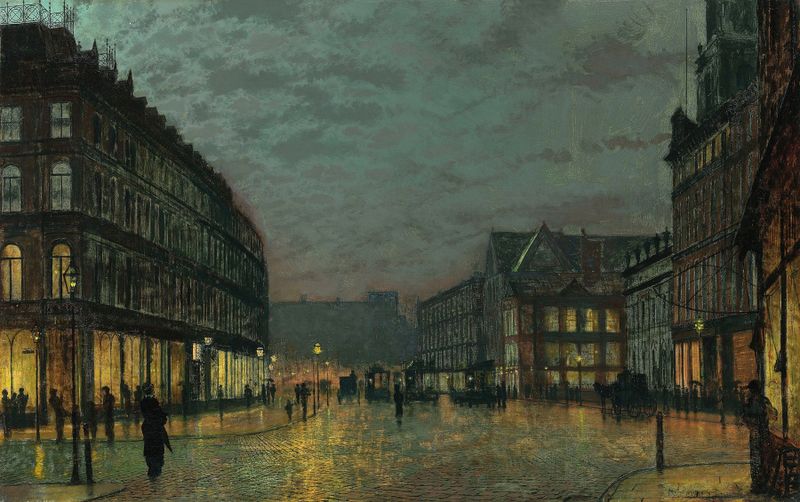
Boar Lane, Leeds by lamplight
John Atkinson Grimshaw
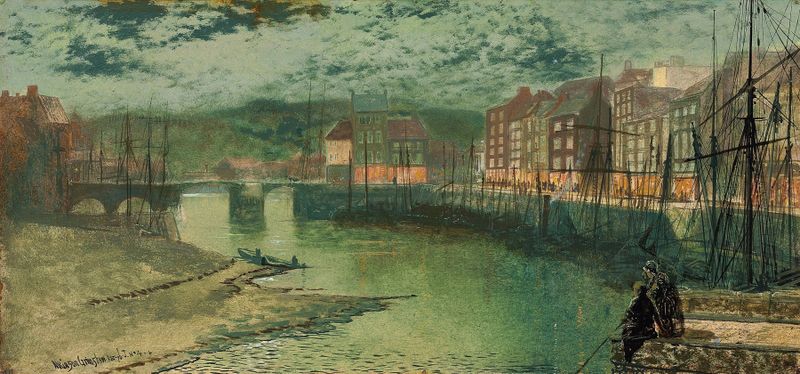
Whitby docks
John Atkinson Grimshaw

Old Chelsea
John Atkinson Grimshaw

Late October
John Atkinson Grimshaw
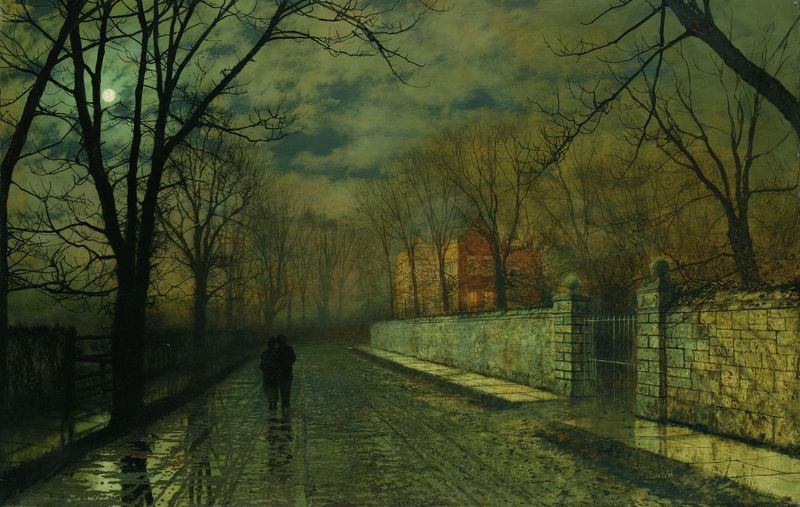
Figures In A Moonlit Lane After Rain
John Atkinson Grimshaw

Liverpool Lights
John Atkinson Grimshaw
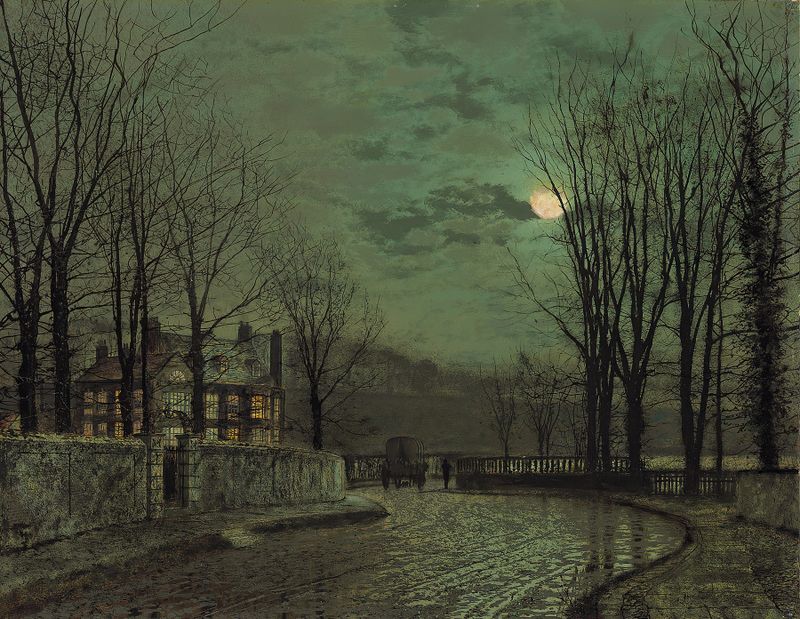
November Moonlight
John Atkinson Grimshaw
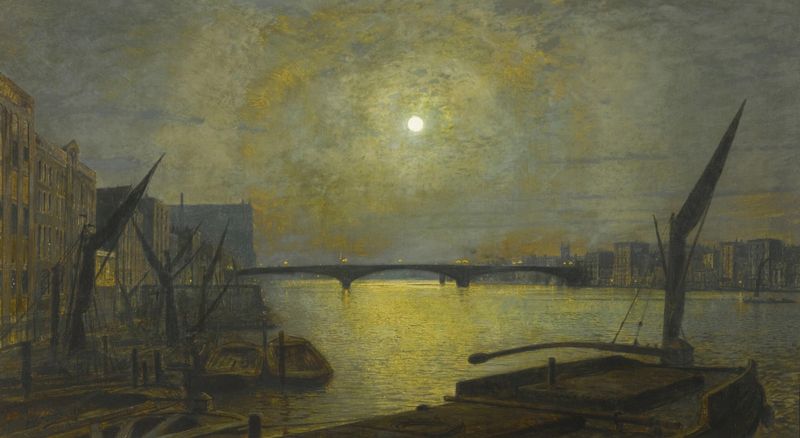
Southwark Bridge from Blackfriars by Moonlight
John Atkinson Grimshaw

Whitby From Scotch Head, Moonlight On The Esk
John Atkinson Grimshaw





