The Twisted Tree — History & Facts
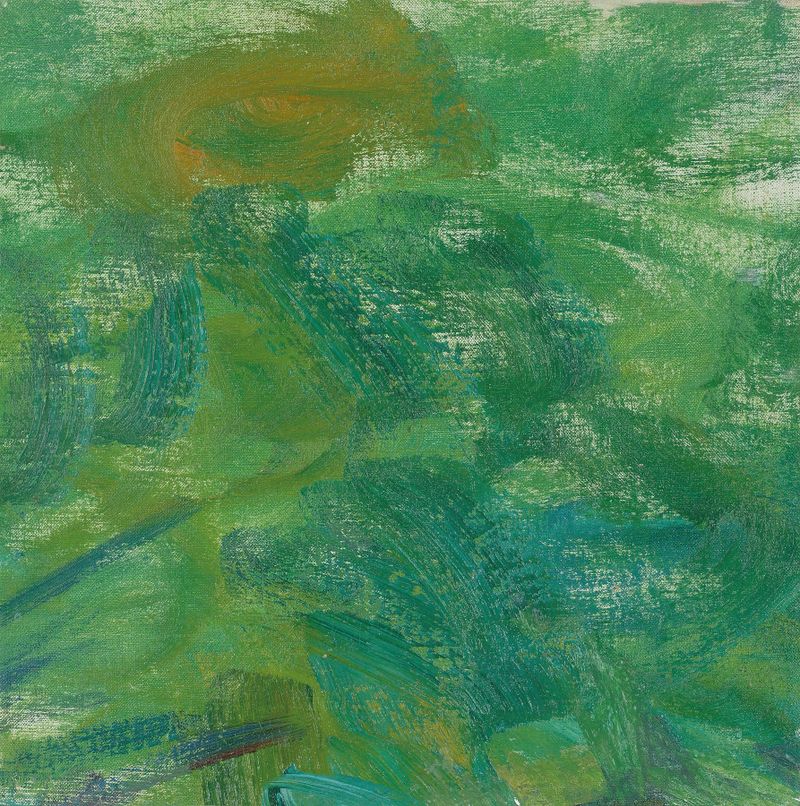
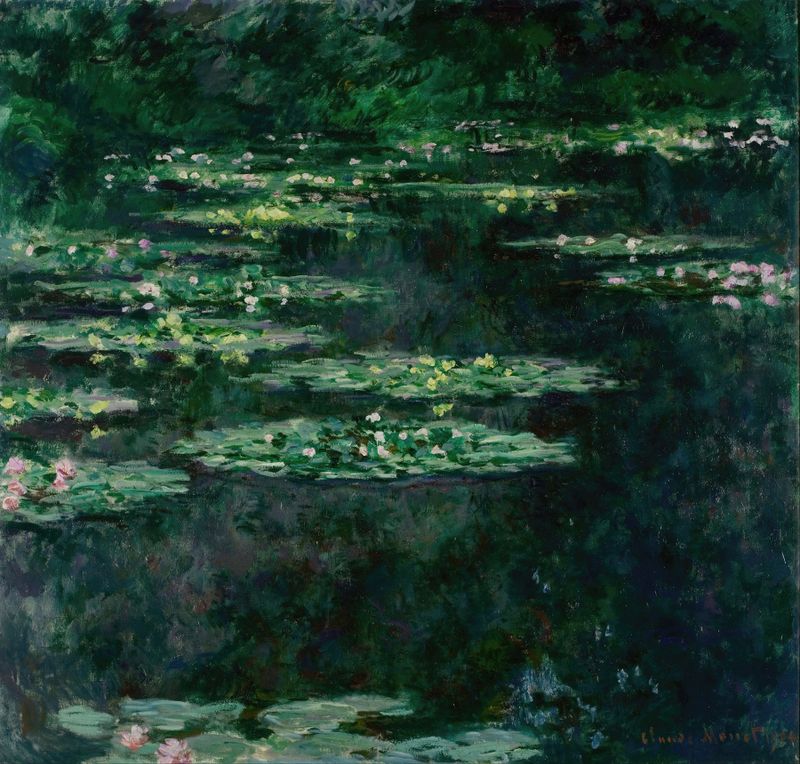
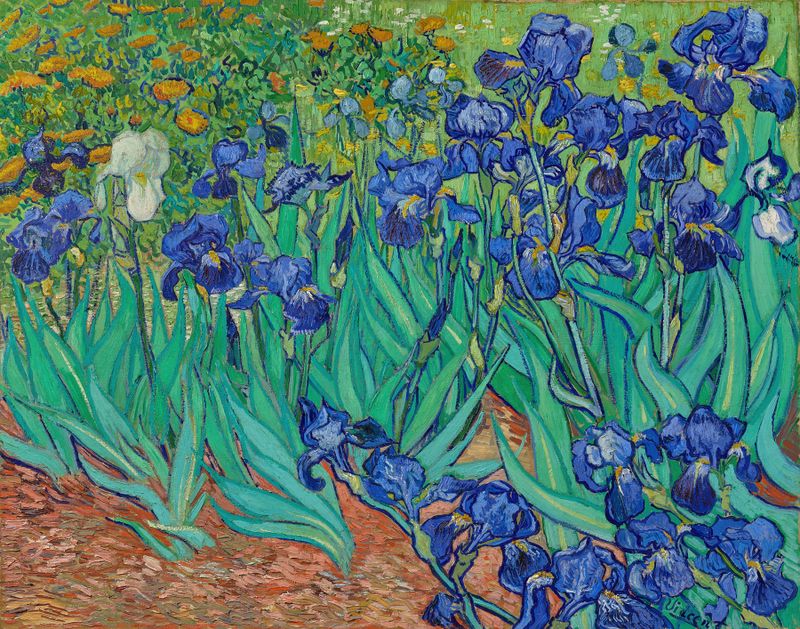
What if silence could speak through light? In the stillness of a moment, shadows intertwine with reality, revealing truths often left unspoken. Look closely at the serpentine branches of the twisted tree at the center. It draws the eye with its gnarled form, rendered in rich earthy tones that pulse with life. The vibrant greens surrounding it contrast against the warm browns, while patches of soft light filter through the leaves, illuminating the textured bark and casting intricate patterns on the ground below.
Each stroke of the brush captures not just the physicality of the tree, but also its emotional weight, inviting the viewer to ponder its story. Delve deeper into the artwork, where the juxtaposition of light and shadow evokes a sense of solitude and introspection. The twisting limbs seem to whisper secrets of resilience and survival, suggesting a struggle against the elements. This tension between the strength of nature and the fragility of existence presents a profound commentary on life itself.
The deliberate placement of light hints at a revelation, as if the tree stands as a sentinel, guarding truths waiting to be uncovered. In 1915, The Twisted Tree emerged from the hands of Auguste Louis Lepère, a time when the world was gripped by the chaos of World War I. Living in France, Lepère sought solace in nature, reflecting the tumultuous emotions of his surroundings through his art. As he painted, the great conflict loomed, yet his focus on the intimate details of the natural world offered a counterbalance, reminding viewers of the enduring beauty amid hardship.
More Artworks by Auguste Louis Lepère
Browse all →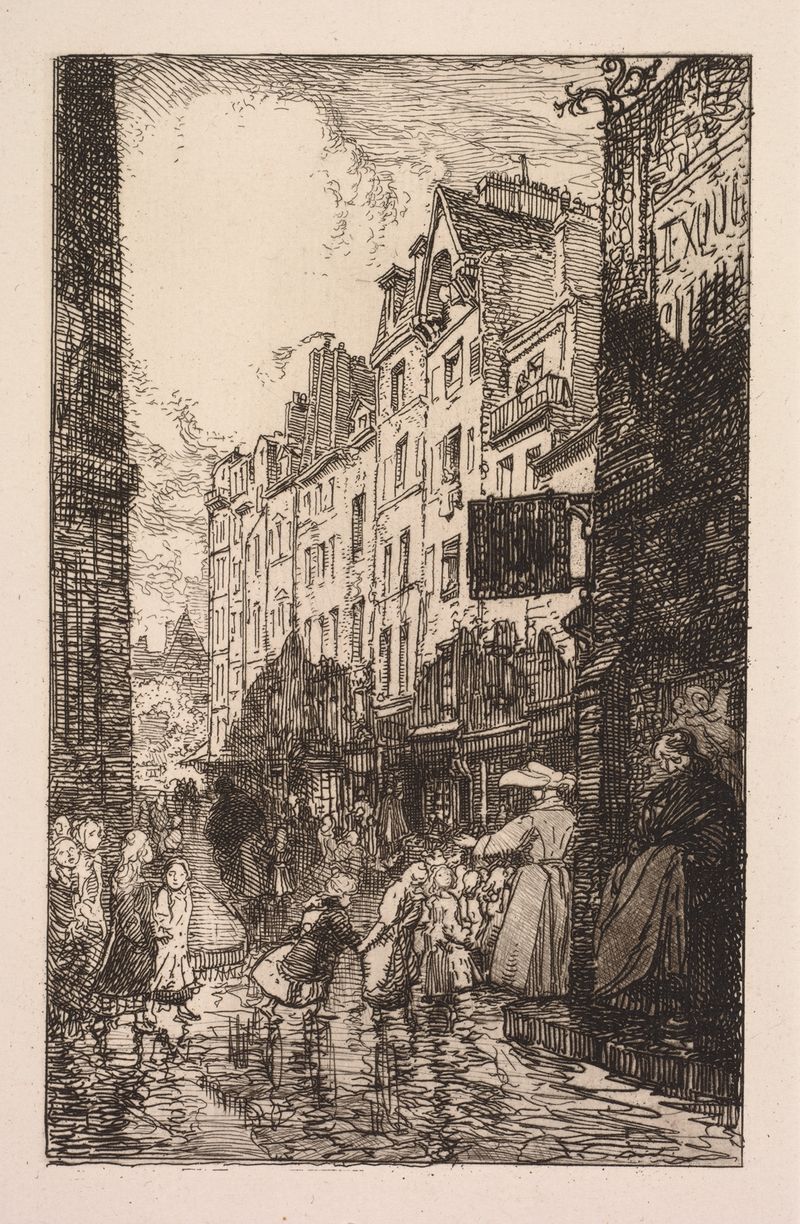
La Rue des Prêtres Saint-Séverin
Auguste Louis Lepère
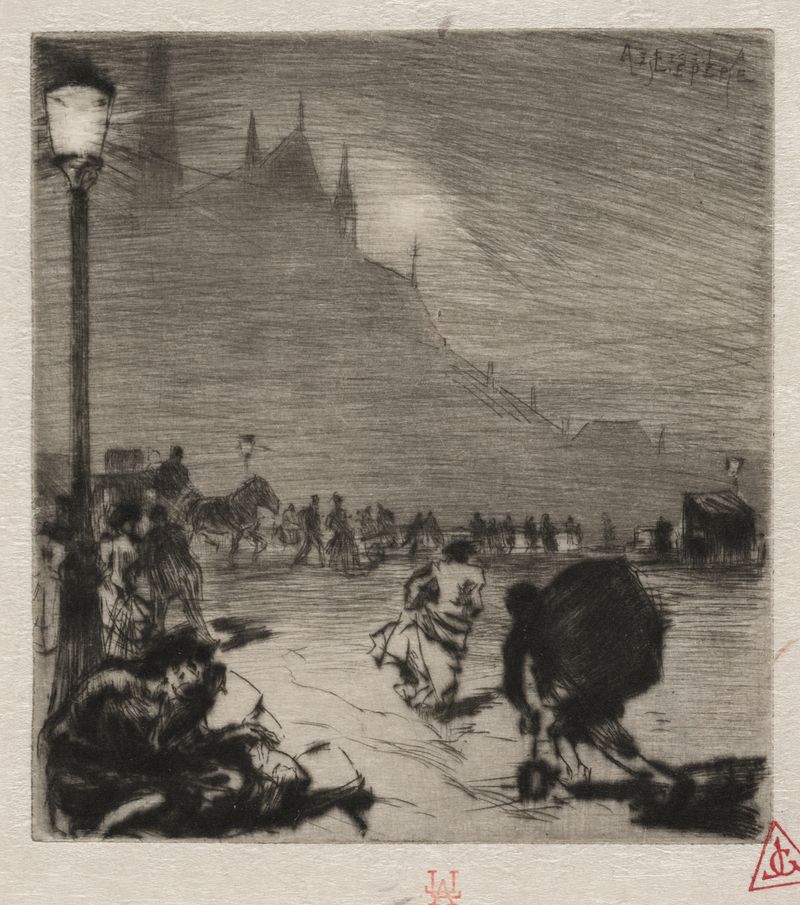
Au Coin du Pont-aux-Doubles
Auguste Louis Lepère
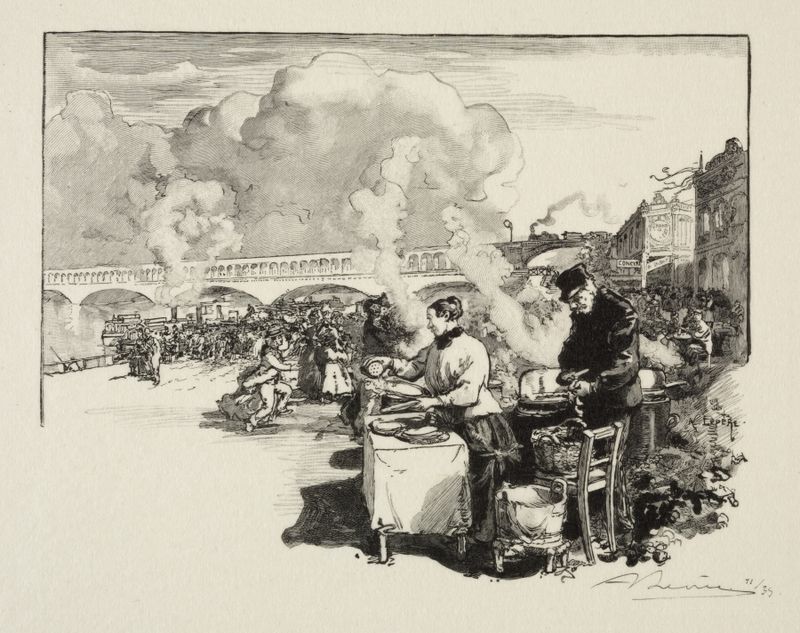
Debarcadère des bateaux-omnibus
Auguste Louis Lepère

La Seine, au quai de la Rapée
Auguste Louis Lepère
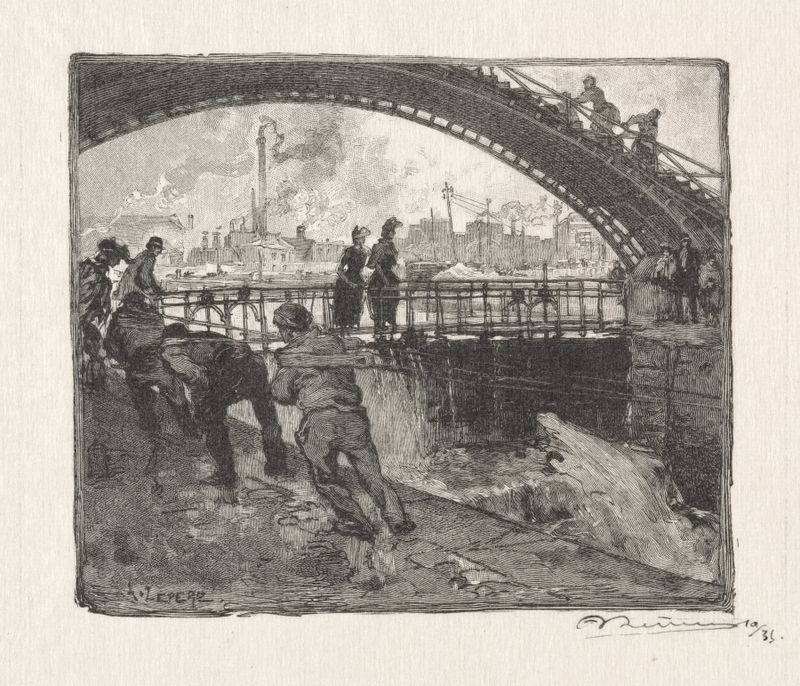
L’Ecluse du Canal St. Martin
Auguste Louis Lepère

Le Boulevard Montmartre, le Soir
Auguste Louis Lepère

Une Chasse au Mont Gérard
Auguste Louis Lepère
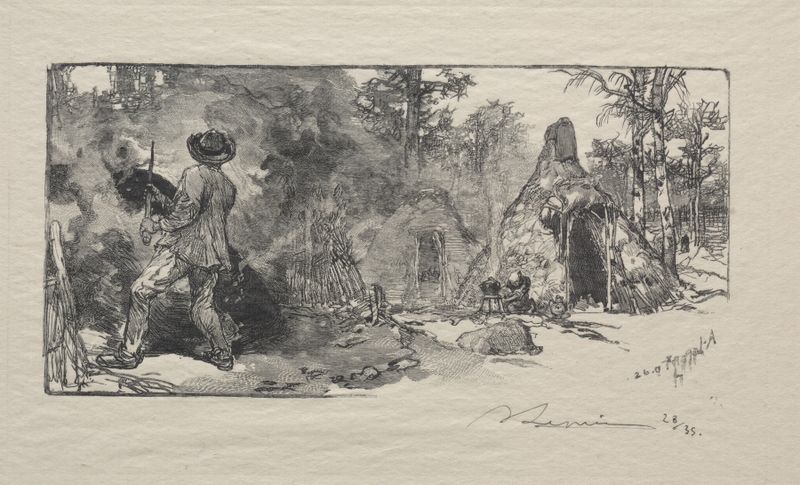
Les Charbonniere
Auguste Louis Lepère
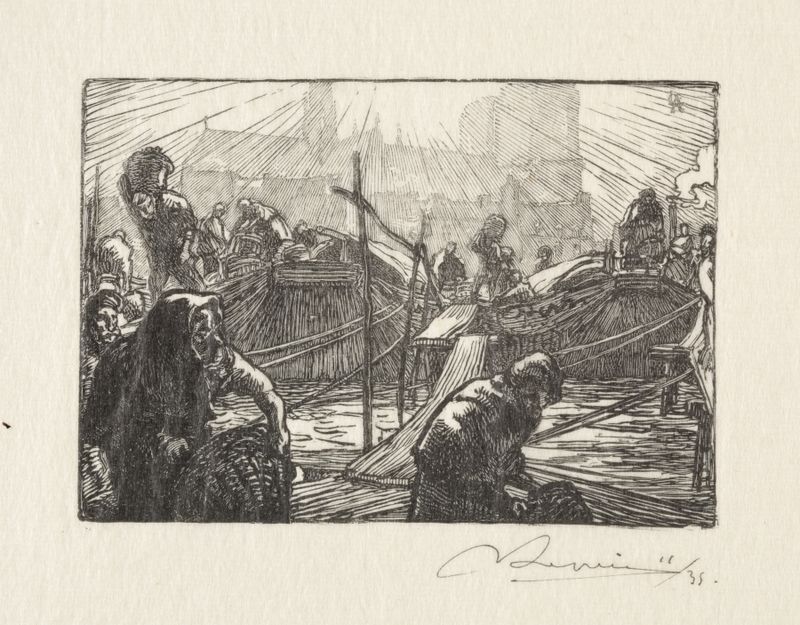
Notre Dame vue du Marché aux pommes
Auguste Louis Lepère

Le Palais des Arts Liberaux, Intèrieur
Auguste Louis Lepère