
The Valley of Ornans — History & Facts
In the stillness of The Valley of Ornans, we are beckoned to witness the moment of revelation, a pause before life unfolds amid the sweeping landscape. Here lies not just a view, but a testament to truth, demanding contemplation and connection. Look to the center of the composition, where the lush greens of the valley cradle the quiet town below. Notice how the light delicately washes over the hills, casting gentle shadows that breathe life into every crevice.
The brushwork is raw and honest, with thick impasto lending texture to the foliage, while the cool palette of blues and greens invites a serene yet solemn introspection. Your eye is drawn toward the horizon, where clouds linger, hinting at change and the inevitability of time. As you linger on the intricacies, a sense of isolation emerges amidst the beauty. The town appears both inviting and distant, suggesting a life bustling within yet separated from the viewer.
The juxtaposition of the vibrant landscape and the muted structures speaks of human existence tethered to nature — a duality of hope and resignation. The painting captures the quiet struggle of finding one's place amidst the vastness, revealing a profound connection to the land and the history it holds. In 1858, Courbet was deeply entrenched in his quest for realism, painting The Valley of Ornans in his native France. This work came during a period marked by a growing disconnection between the artist and traditional academic values, as he sought to portray everyday life with unflinching honesty.
Amidst this artistic revolution, Courbet's commitment to the real world was not just a personal statement but a collective call to embrace the truth of the human experience.
More Artworks by Gustave Courbet
Browse all →
Marine
Gustave Courbet
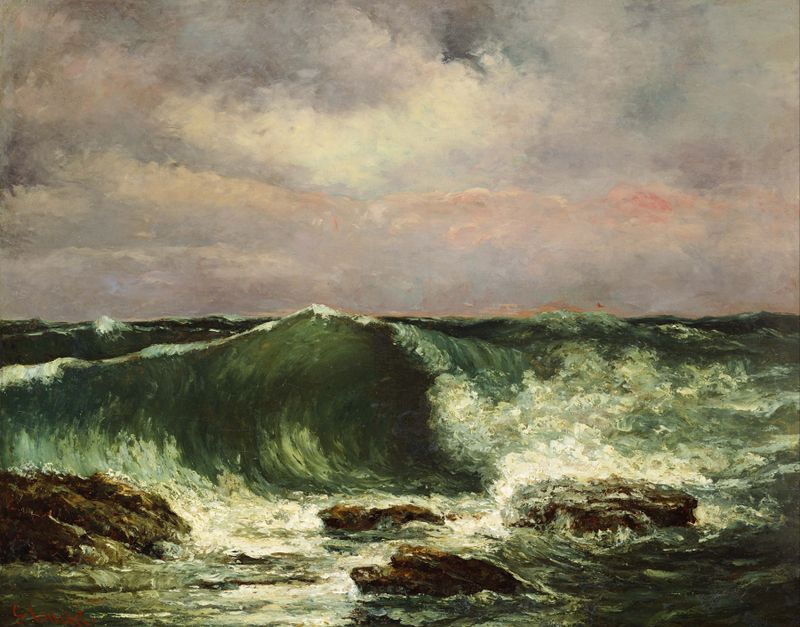
Waves
Gustave Courbet

Étretat; Les Falaises
Gustave Courbet
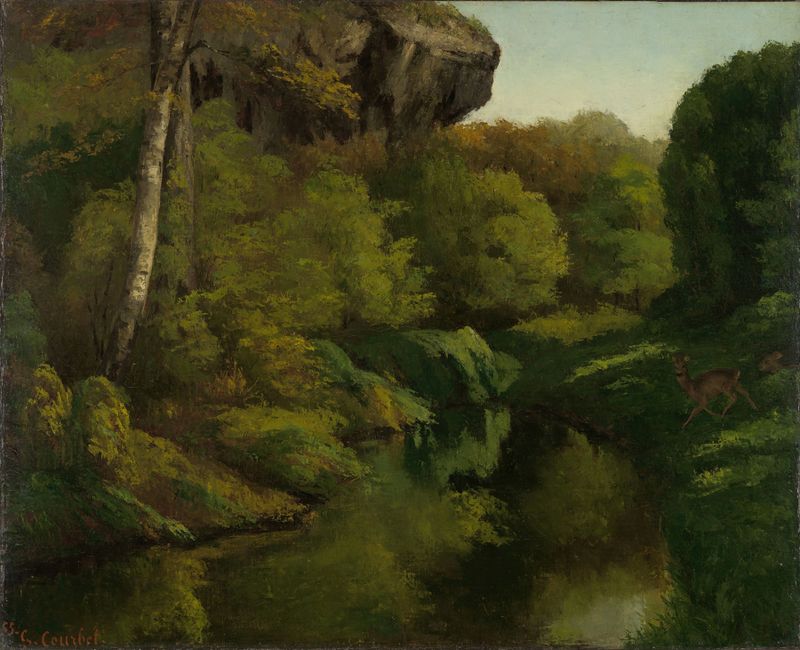
View in the Forest of Fontainebleau
Gustave Courbet
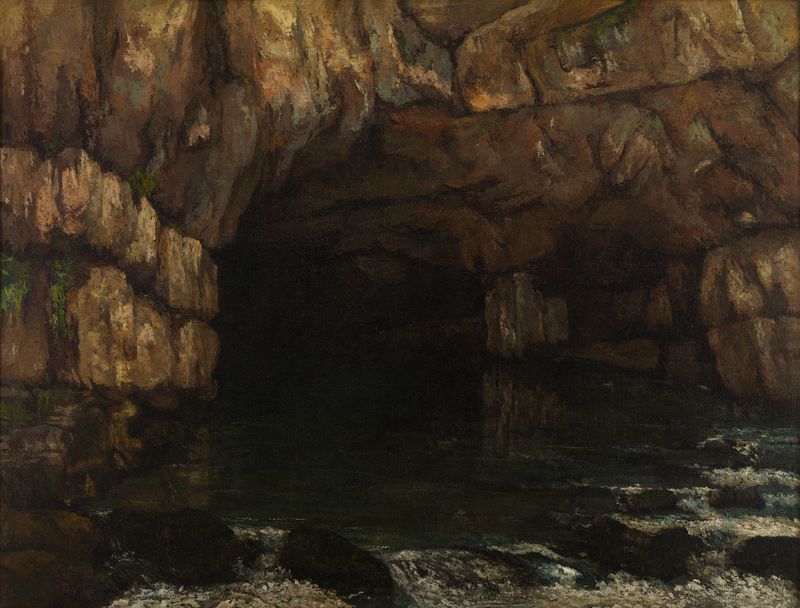
La source de la Loue (The Source of the Loue)
Gustave Courbet

Low Tide at Trouville
Gustave Courbet
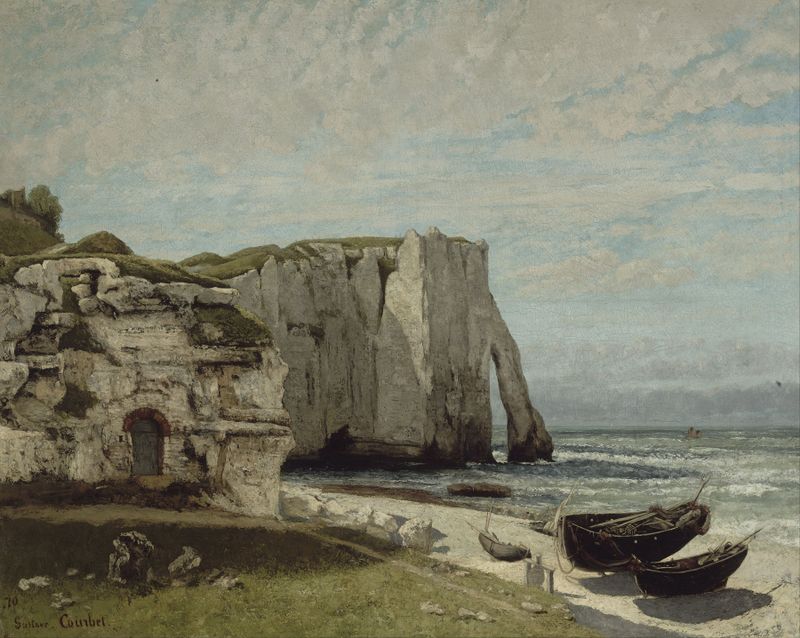
The Etretat Cliffs after the Storm
Gustave Courbet
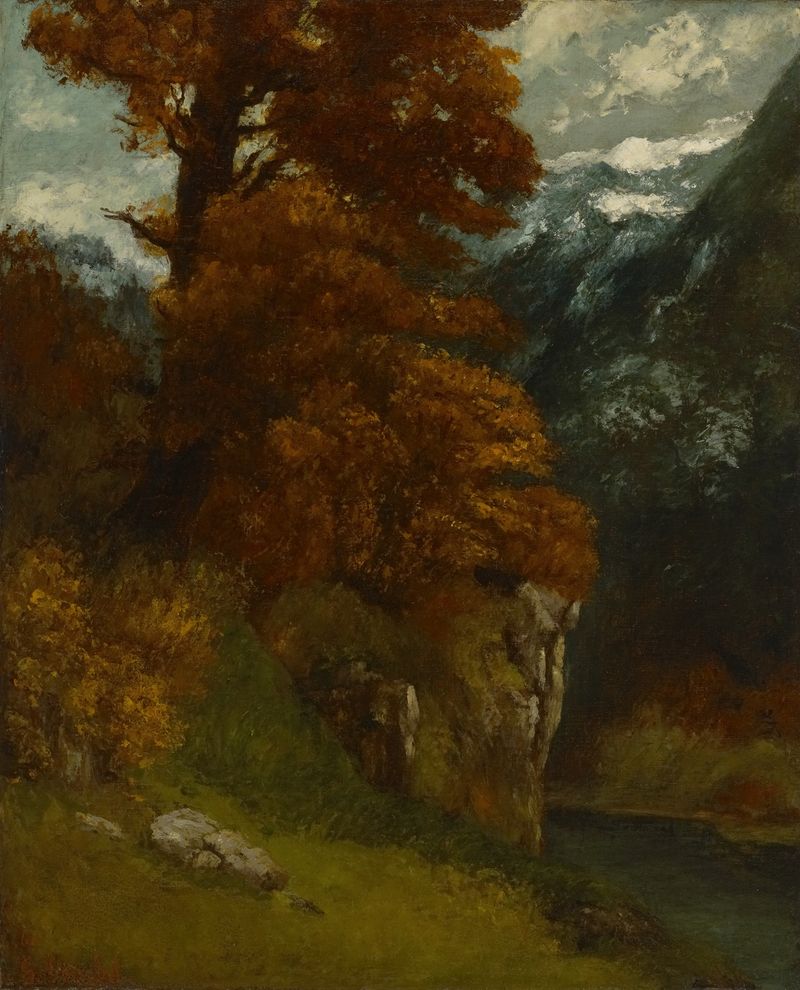
The Glen at Ornans (Bords du Doubs; Effet d’Automne)
Gustave Courbet
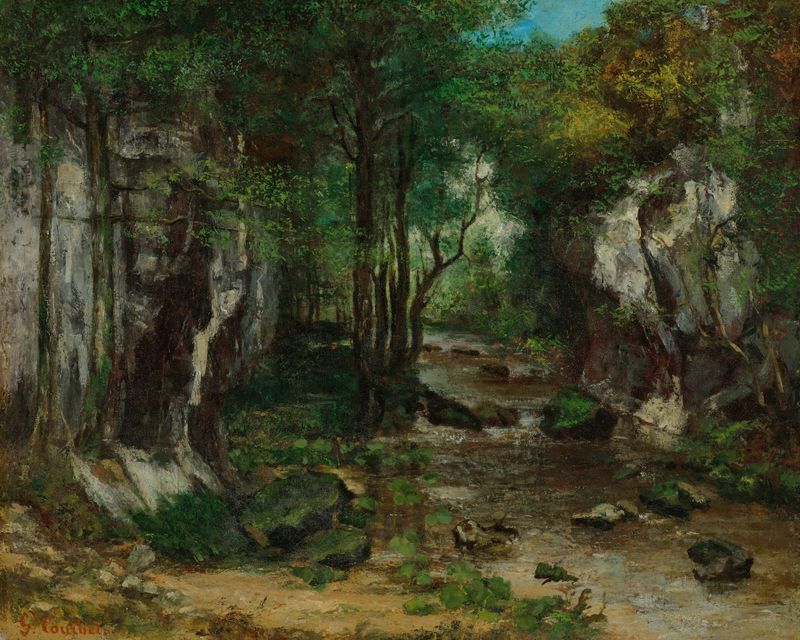
Le Ruisseau de Puits Noir
Gustave Courbet
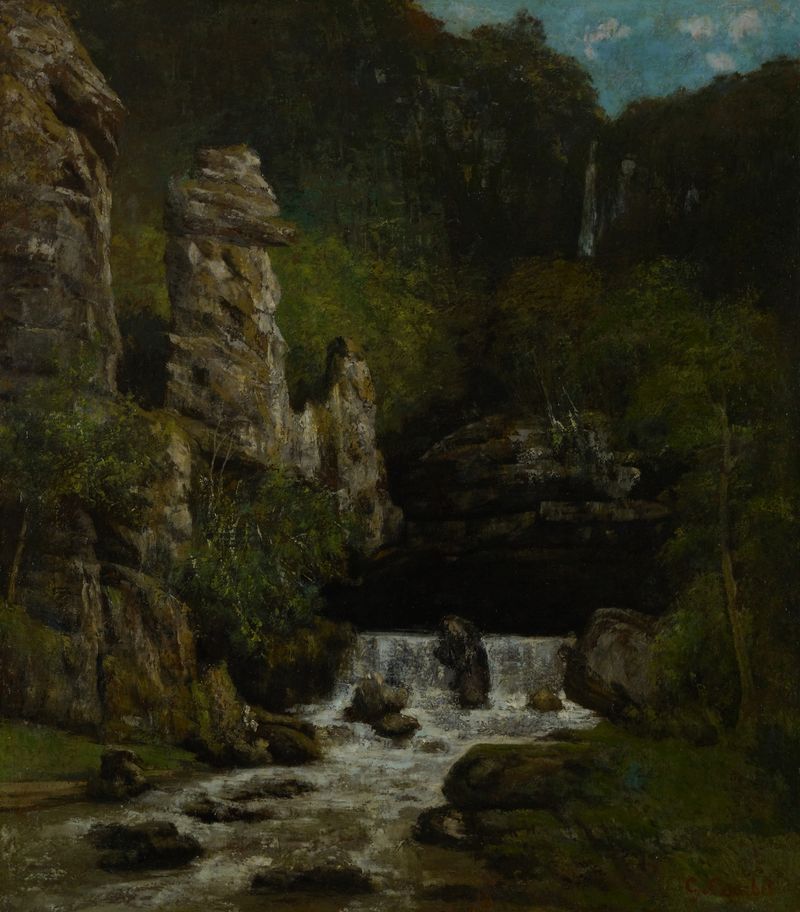
Landscape with a Waterfall
Gustave Courbet





