
The vestibule of the Košice Museum — History & Facts
What if beauty was never meant to be finished? In the quiet corners of a museum, echoes of the past linger, whispering stories of legacy and longing through the ages. Look closely at the harmonious blend of deep greens and soft ochres that define the walls of the vestibule, drawing your eyes toward the elegant arches above. Notice how the interplay of light casts gentle shadows, creating a sense of depth that invites exploration. The meticulous details of the architectural elements reveal the artist's reverence for both the space itself and the history it enshrines, while the careful balance between form and color evokes a serene yet contemplative atmosphere. Hidden within the frame are contrasts that speak volumes: the tension between natural and artificial light, where bright beams illuminate certain features while others remain shrouded in mystery.
This duality mirrors the balance between the transient nature of life and the everlasting pursuit of beauty. Each brushstroke seems to beckon the viewer to ponder the impermanence of these moments captured within the museum's hallowed walls, urging us to reflect on what we inherit and what we leave behind. In 1920, Elemír Halász-Hradil was immersed in the cultural revival of Central Europe, a time when the region was confronting its own identity amid the tumult of change. Painted during this period of introspection, the work embodies his exploration of artistic legacy, as he sought to forge connections with history while embedding his vision within the evolving narrative of art.
More Artworks by Elemír Halász-Hradil
Browse all →
Self-Portrait
Elemír Halász-Hradil
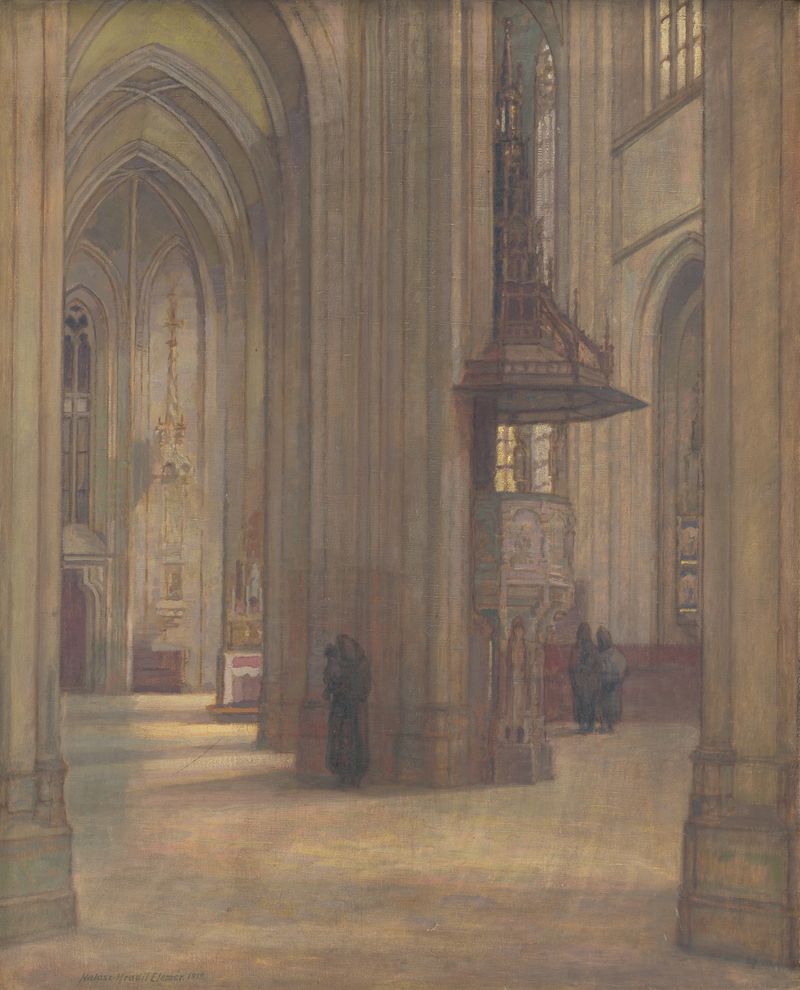
Interior of St. Elisabeth Cathedral
Elemír Halász-Hradil
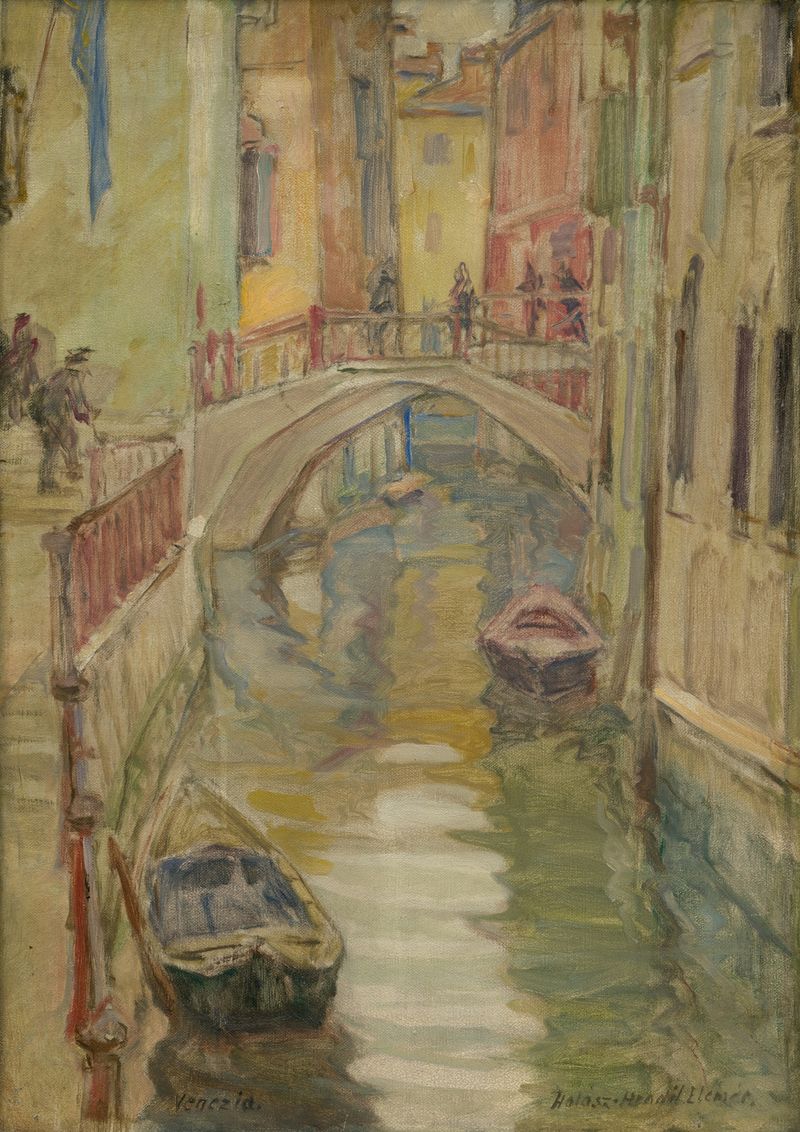
Venice
Elemír Halász-Hradil
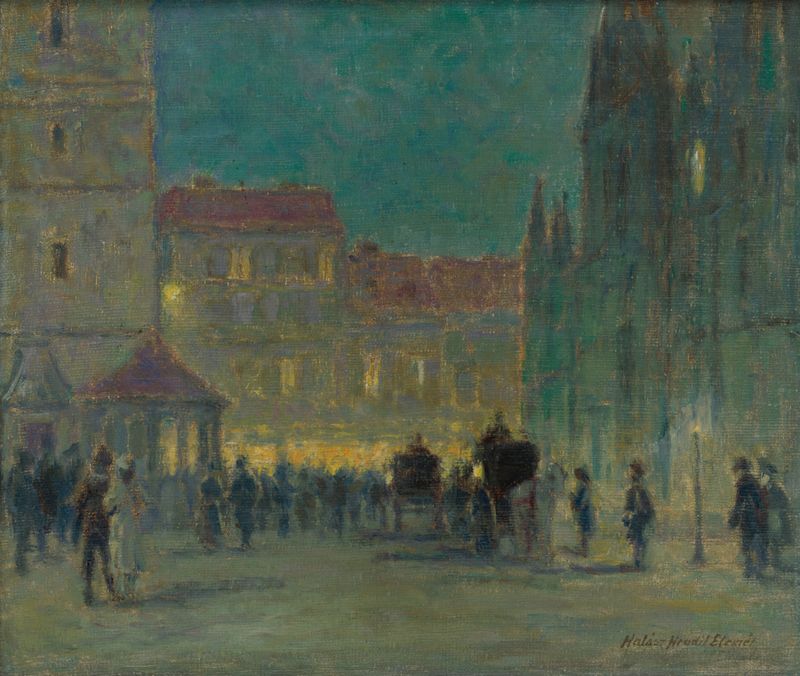
Evening in front of the St. Elisabeth Cathedral
Elemír Halász-Hradil
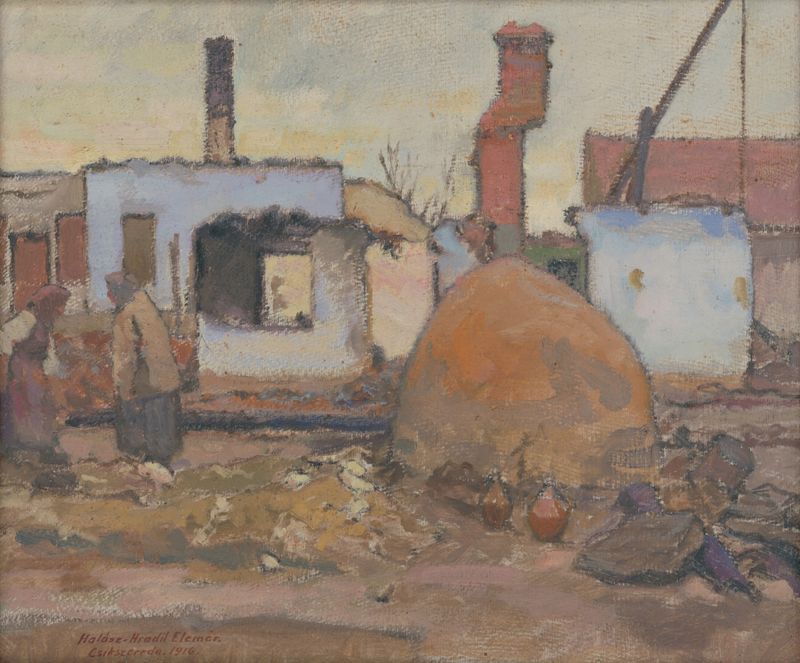
After the Passage of the Front
Elemír Halász-Hradil
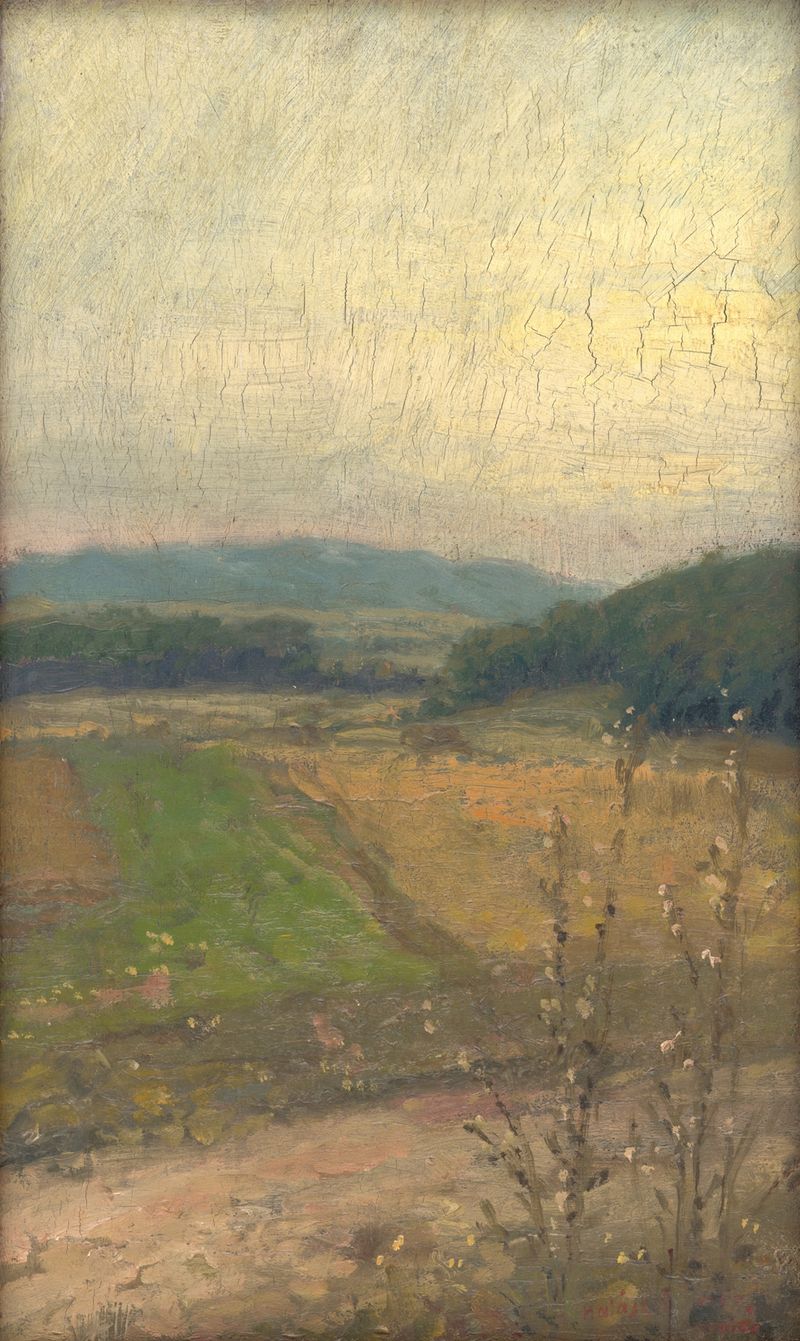
Landscape with Hills in the Background
Elemír Halász-Hradil
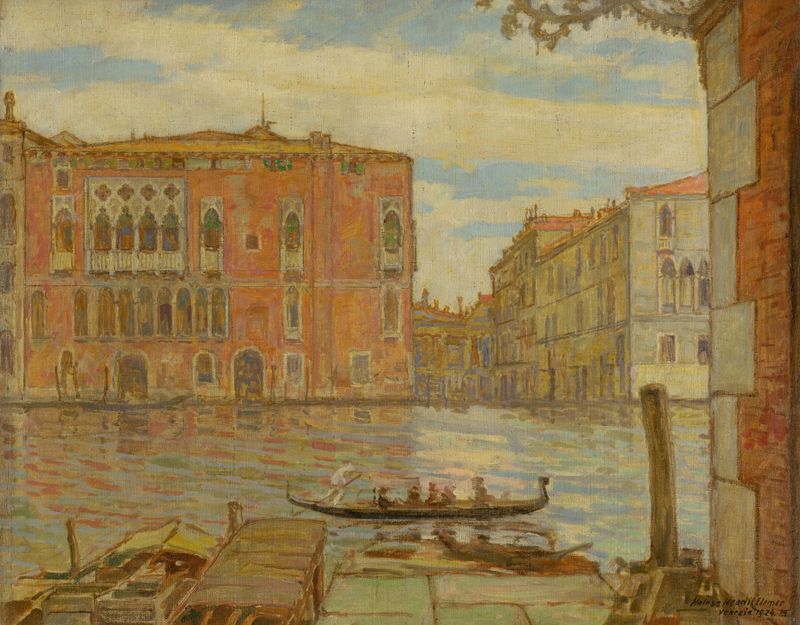
Venice
Elemír Halász-Hradil

To the mountains
Elemír Halász-Hradil

Margecany Mill
Elemír Halász-Hradil

At the Market
Elemír Halász-Hradil





