
The Village of Kirkstall, Yorkshire — History & Facts
The canvas doesn’t lie — it simply waits. In the stillness of a Yorkshire village, one can sense the divine serenity that envelops the landscape, whispering secrets of time and existence. Look to the horizon, where the soft, rolling hills embrace the village of Kirkstall. Notice how the delicate brushstrokes of muted greens and browns capture the essence of an English morning, inviting the eye to wander through the fields and quaint buildings.
The interplay of light and shadow creates a harmonious balance, allowing the viewer to feel the tranquility of the scene while simultaneously hinting at the unseen movement of life below the surface. Within this serene tableau lies an intricate tapestry of contrasts. The simplicity of the village life exists against the expansive beauty of nature, suggesting a divine connection between humanity and the earth. The delicate clouds drifting above seem almost ethereal, as if they carry the whispers of past generations, while the stillness of the water reflects a moment frozen in time.
Each element, from the rustic rooftops to the verdant landscape, speaks to a larger narrative of divine presence woven through ordinary life. In 1801, Girtin painted this serene depiction of Kirkstall during a pivotal time in his career. As a leading figure in the Romantic movement, he sought to capture the sublime beauty of nature in a rapidly industrializing world. Living in London, he was deeply influenced by the shifts in society and the burgeoning appreciation for the natural landscapes of England, as this piece reveals his unwavering commitment to celebrating both the simplicity and grandeur of rural life.
More Artworks by Thomas Girtin
Browse all →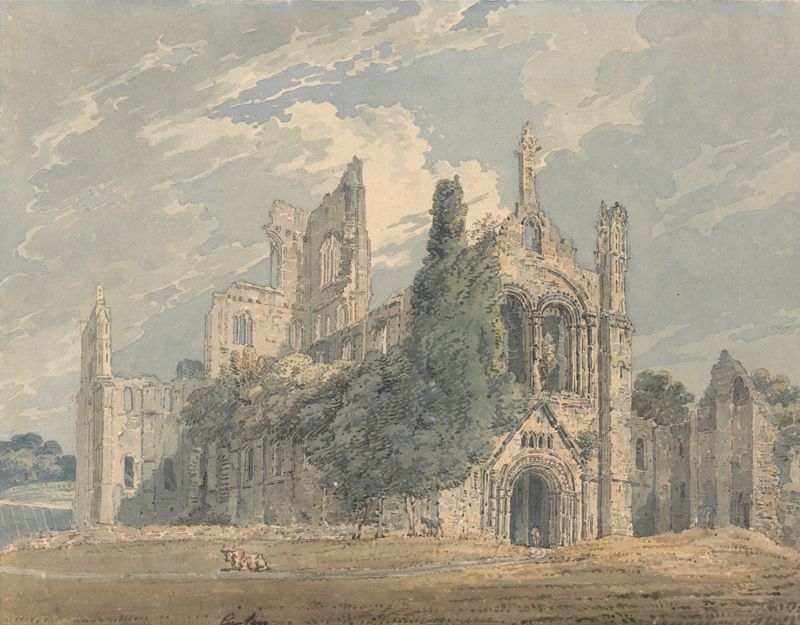
Kirkstall Abbey from the N.W.
Thomas Girtin
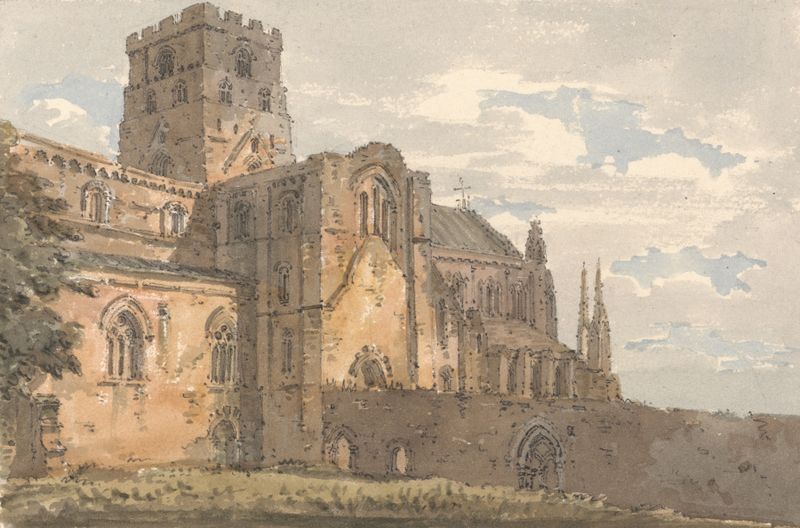
Carlisle Cathedral, Cumberland, from the South-west
Thomas Girtin
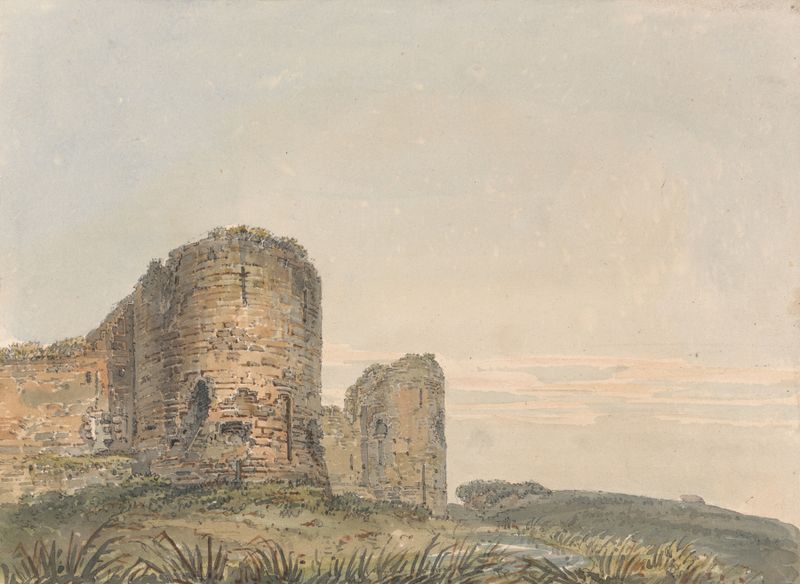
Pevensey Castle, Sussex
Thomas Girtin
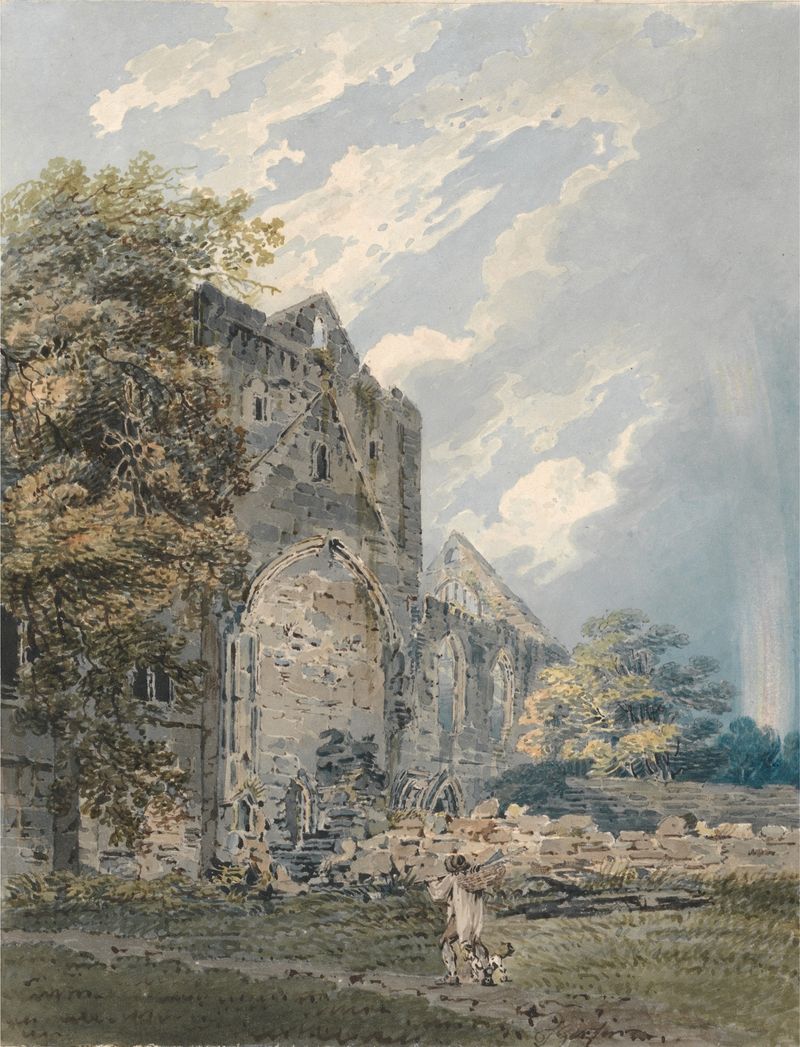
Pluscardine Abbey, Elgin
Thomas Girtin
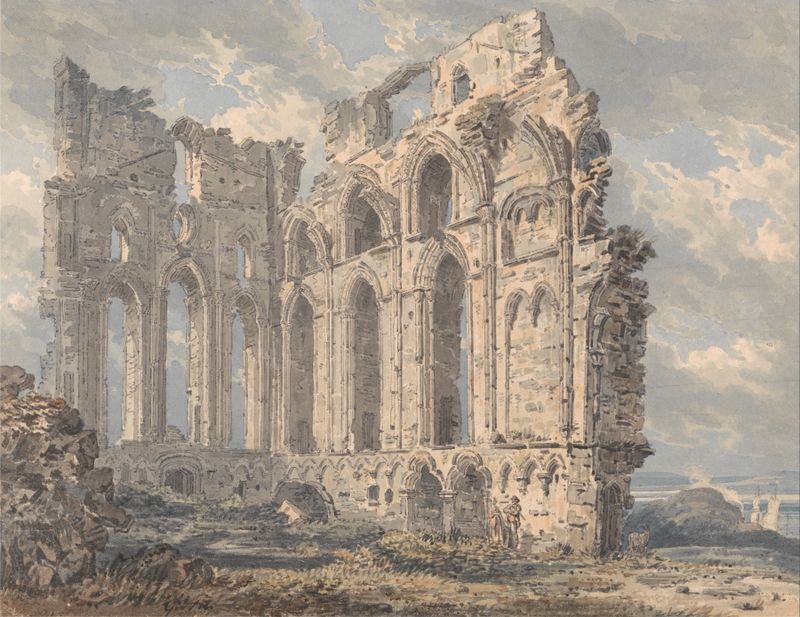
Tynemouth Priory, Northumberland
Thomas Girtin
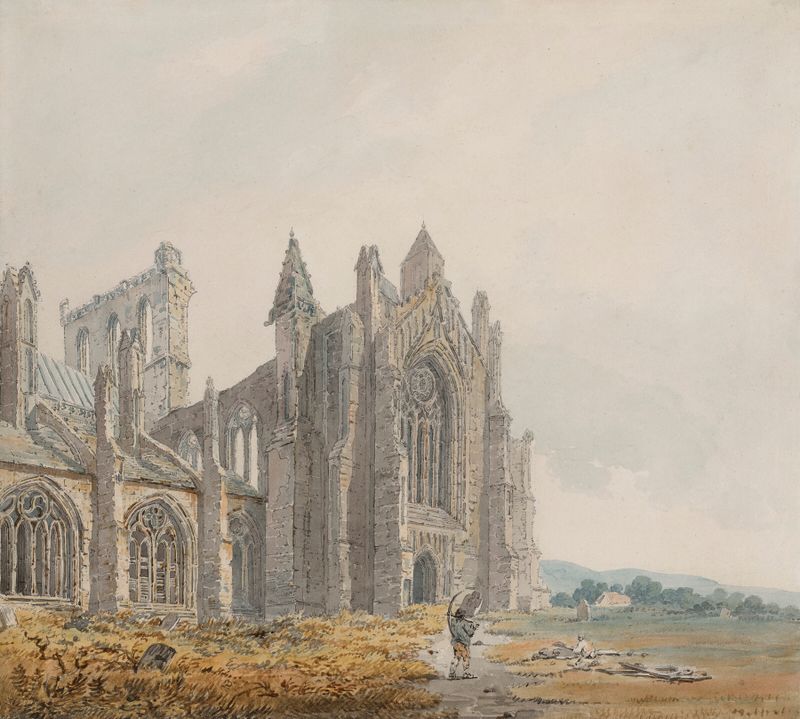
Melrose Abbey, Scotland
Thomas Girtin
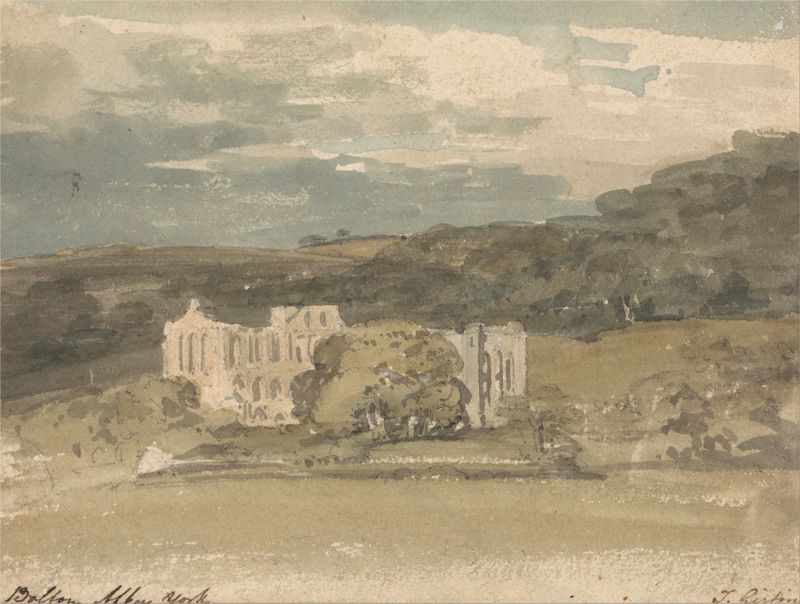
Rievaulx Abbey, Yorkshire
Thomas Girtin
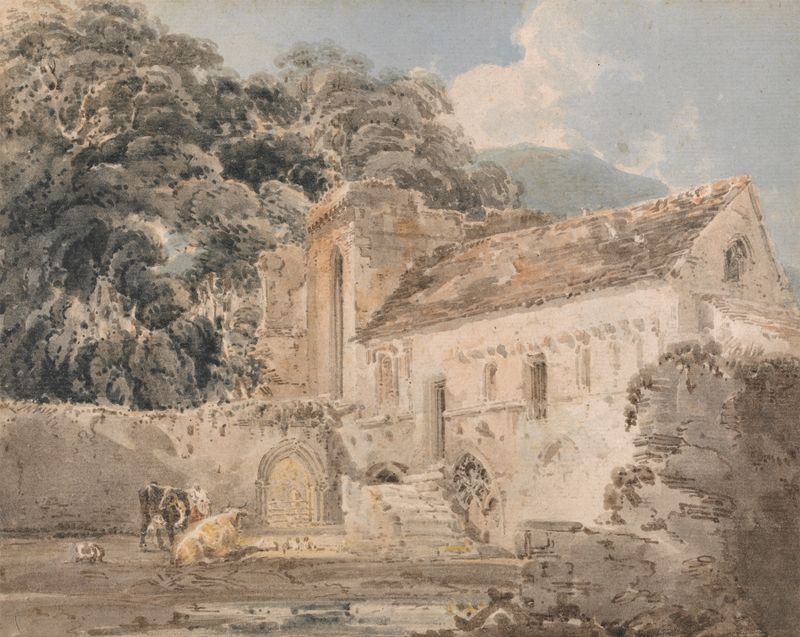
Valle Crucis Abbey, Denbighshire
Thomas Girtin
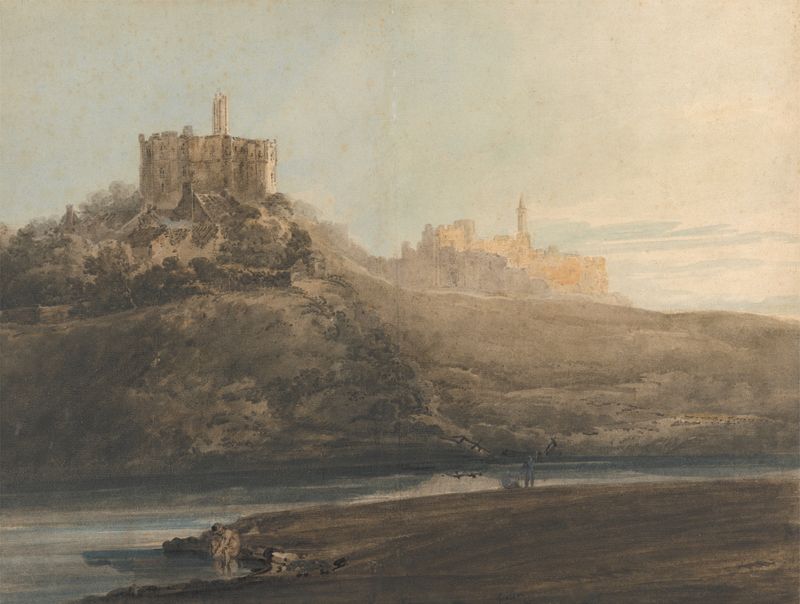
Warkworth Castle, Northumberland
Thomas Girtin
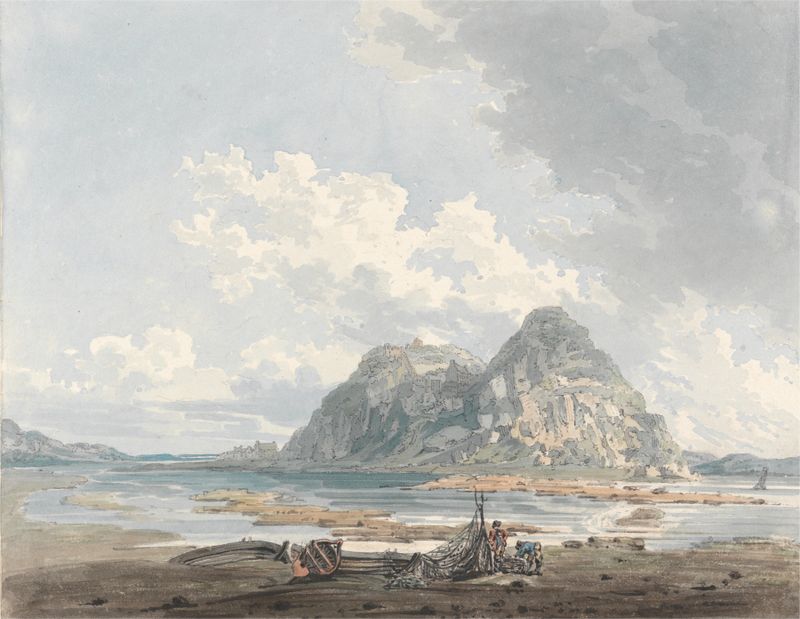
Dumbarton Rock and Castle
Thomas Girtin





