
The Violin Player — History & Facts
What draws the eye first in The Violin Player by James McNeill Whistler is not the instrument itself, but the quiet, almost conspiratorial gaze of the sitter. The violin rests gently in her arm, its body rendered in warm, muted tones, but her attention is directed straight at the viewer, as if pausing mid-rehearsal for a silent exchange. Whistler’s brushwork is loose and suggestive, the edges of the figure dissolving into the shadowy background, so that the face and the delicate pink folds of her dress emerge with a softness that feels both immediate and fleeting.
The light falls across her collarbone and cheek, guiding us to the subtle interplay between confidence and introspection in her expression. This is not a grand performance, but a moment of stillness, the music paused, the player revealed. Painted in 1894, this work belongs to a period when portraiture was evolving rapidly, shaped by new ideas about individuality and the fleeting nature of perception. Whistler was a leading voice in this shift, favoring mood and atmosphere over precise detail—a hallmark of the late nineteenth-century portrait.
Such works were often commissioned by families eager to capture not just a likeness, but a sense of character and social poise. Today, The Violin Player resides in the collection of the Cleveland Museum of Art, a quiet testament to the era’s fascination with both music and the inner lives of its performers. The sitter’s gaze, suspended in Whistler’s shadowy palette, invites us to linger and wonder what melody might follow.
More Artworks by James McNeill Whistler
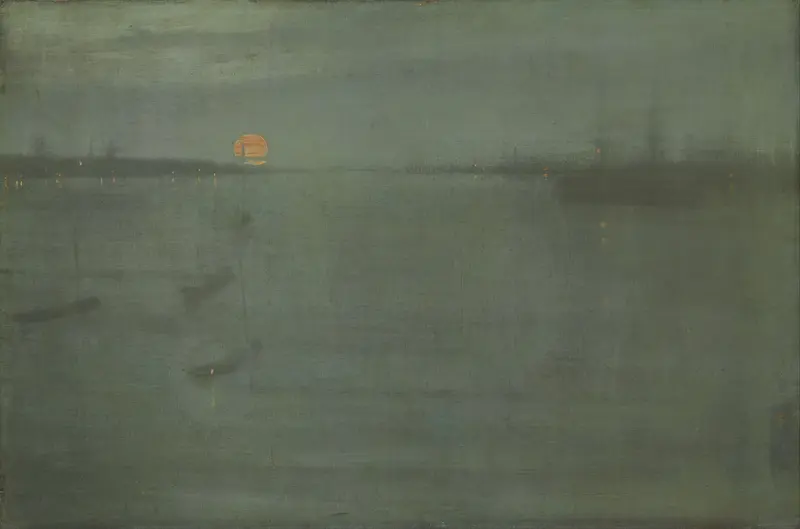
Nocturne: Blue and Gold—Southampton Water
James McNeill Whistler
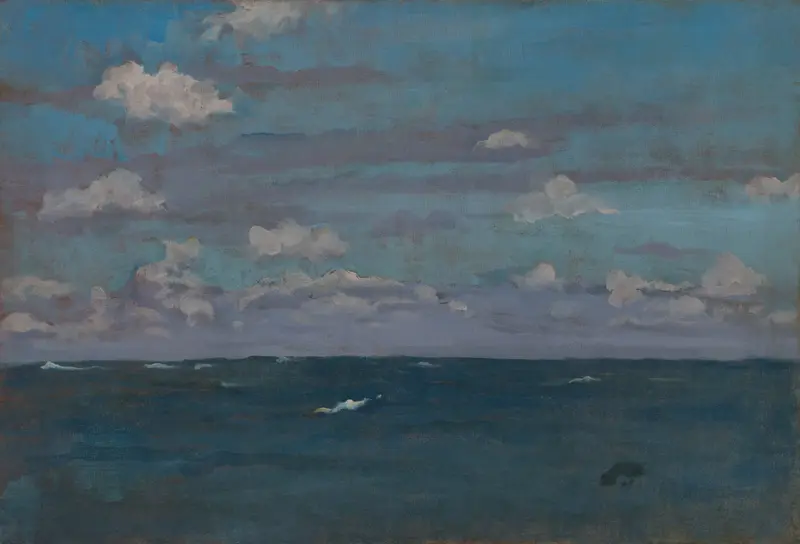
Violet and Silver—The Deep Sea
James McNeill Whistler
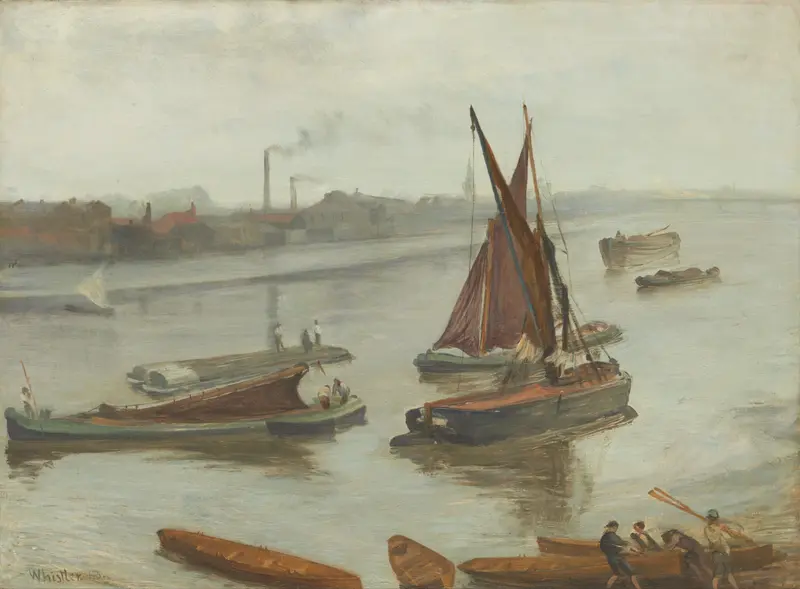
Grey and Silver: Old Battersea Reach
James McNeill Whistler
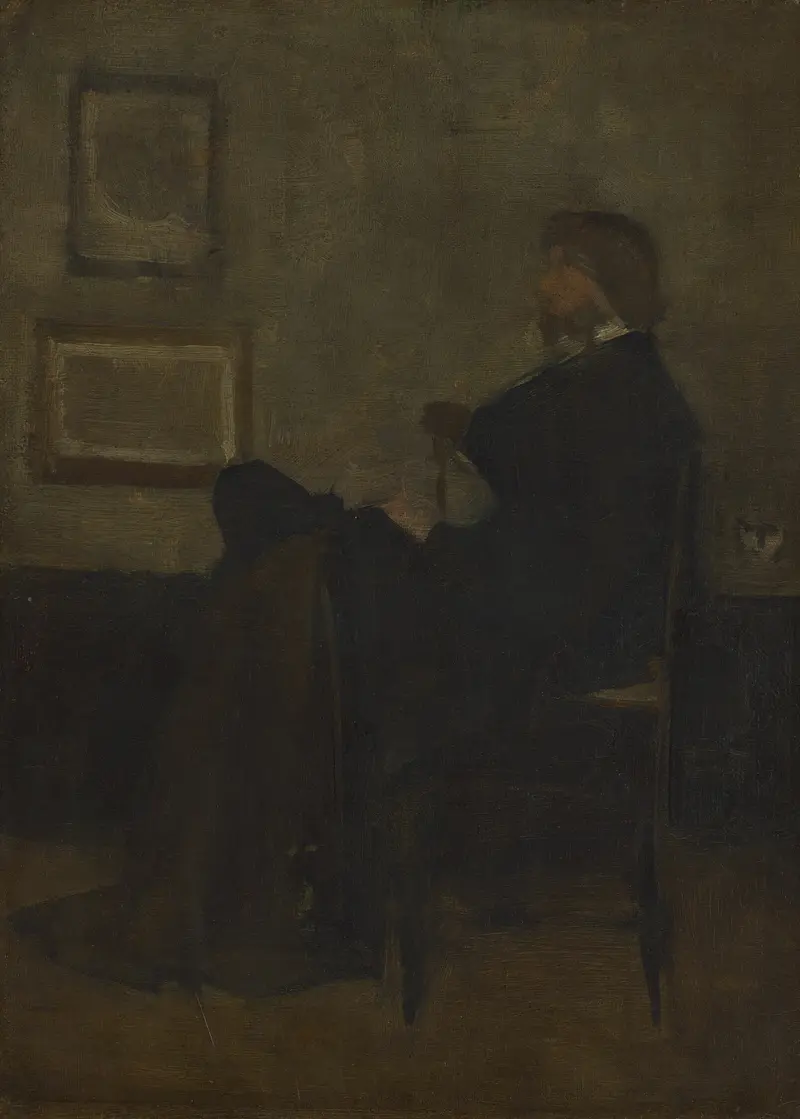
Study for "Arrangement in Grey and Black, No. 2: Portrait of Thomas Carlyle"
James McNeill Whistler
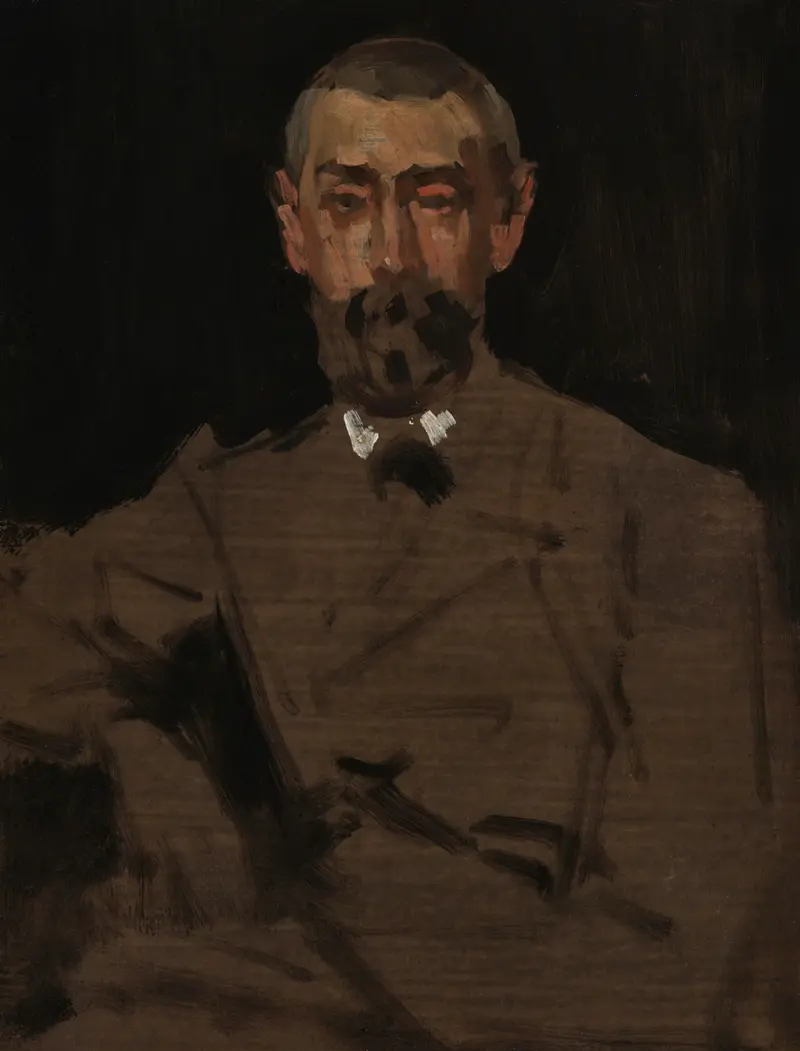
Portrait of M. R. Elden
James McNeill Whistler
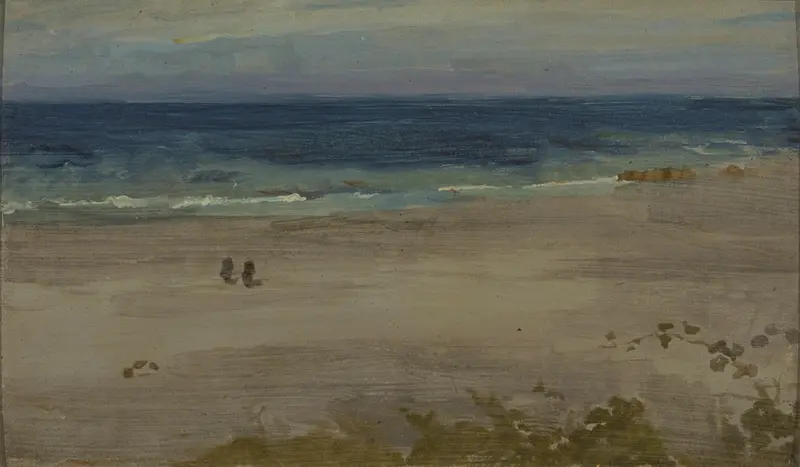
The Blue Sea
James McNeill Whistler
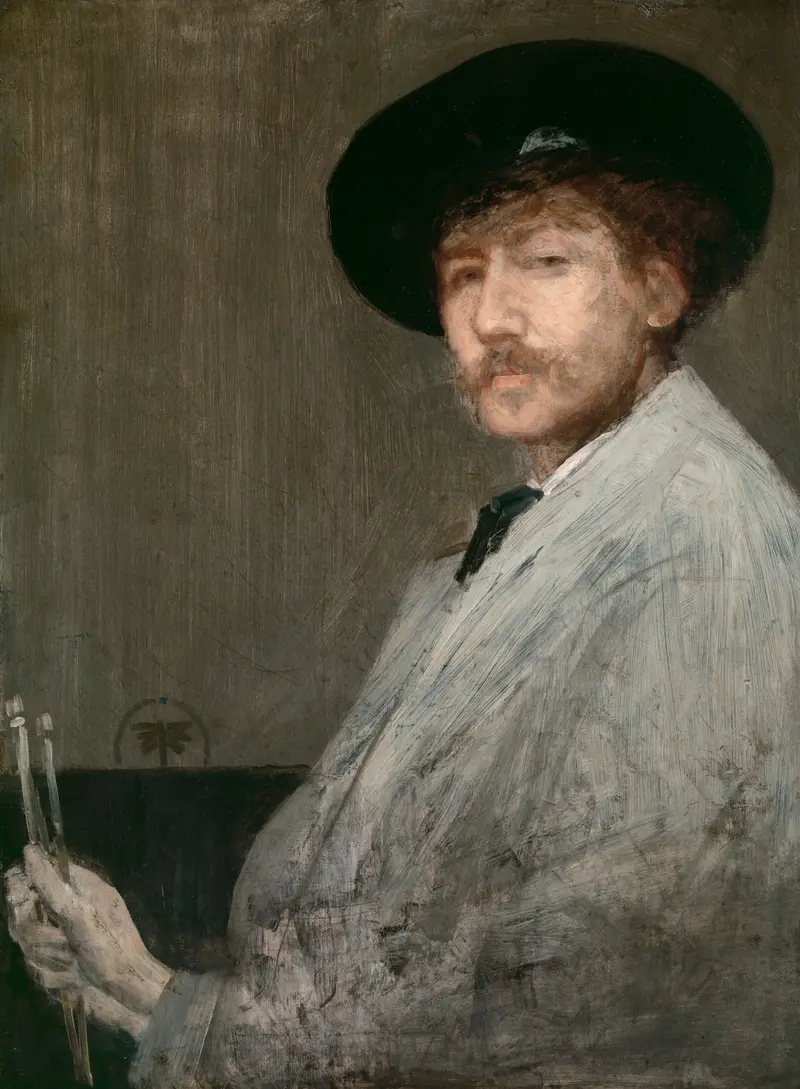
Arrangement in Gray: Portrait of the Painter
James McNeill Whistler
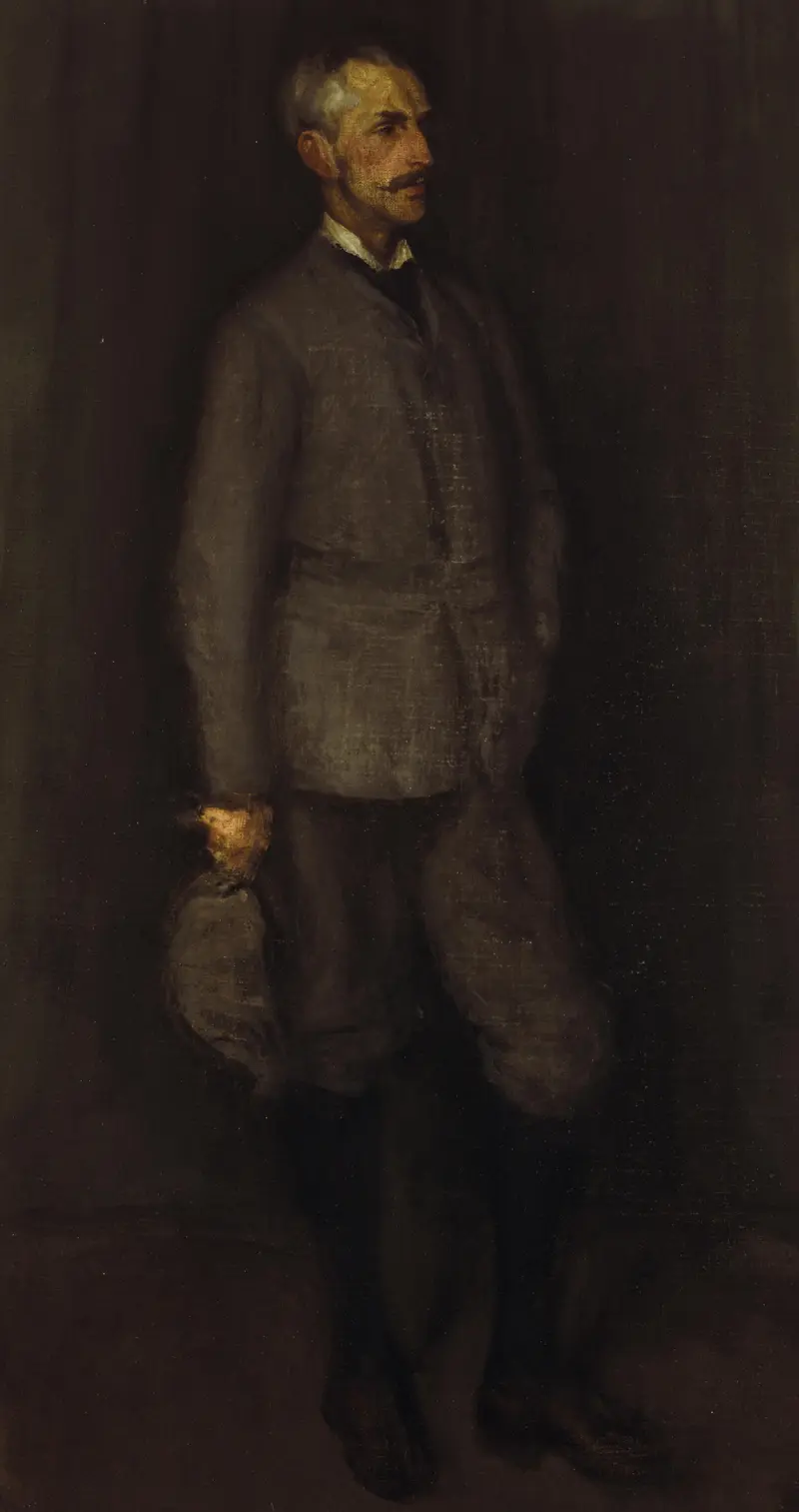
Arrangement in Grey and Green. Portrait of John James Cowan
James McNeill Whistler
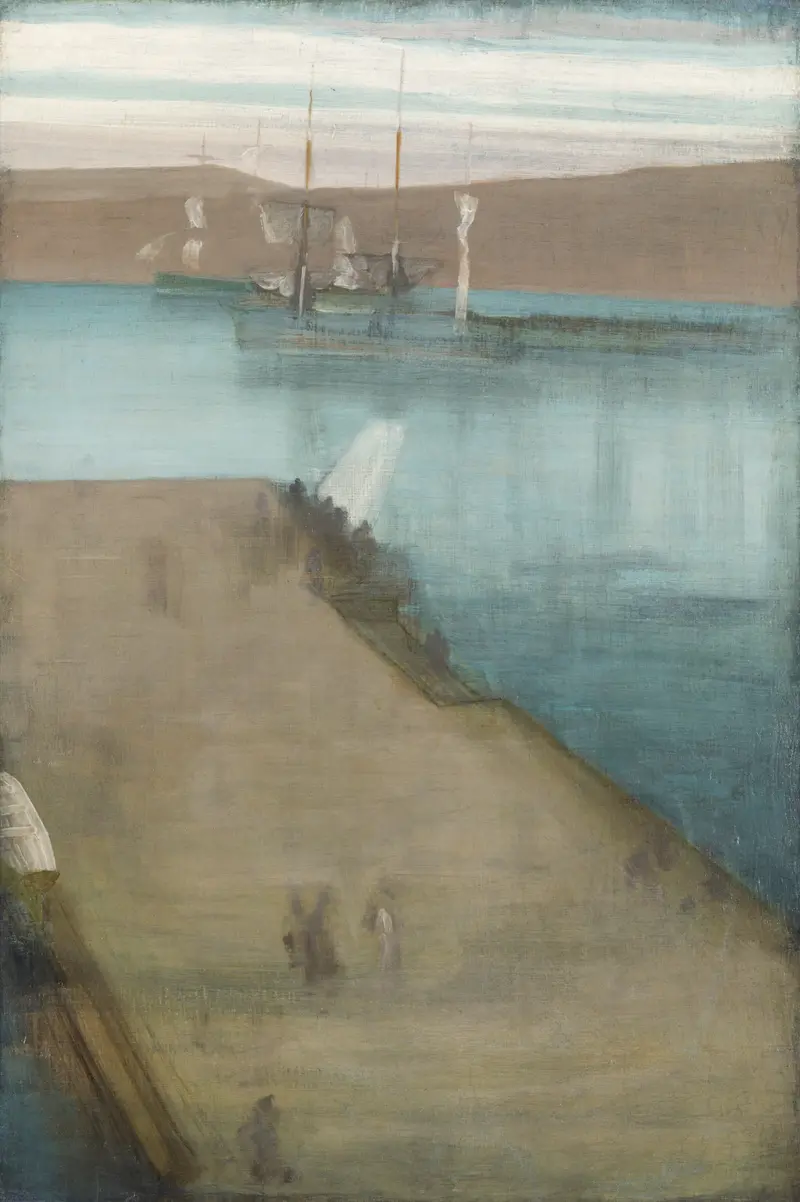
Valparaiso Harbor
James McNeill Whistler
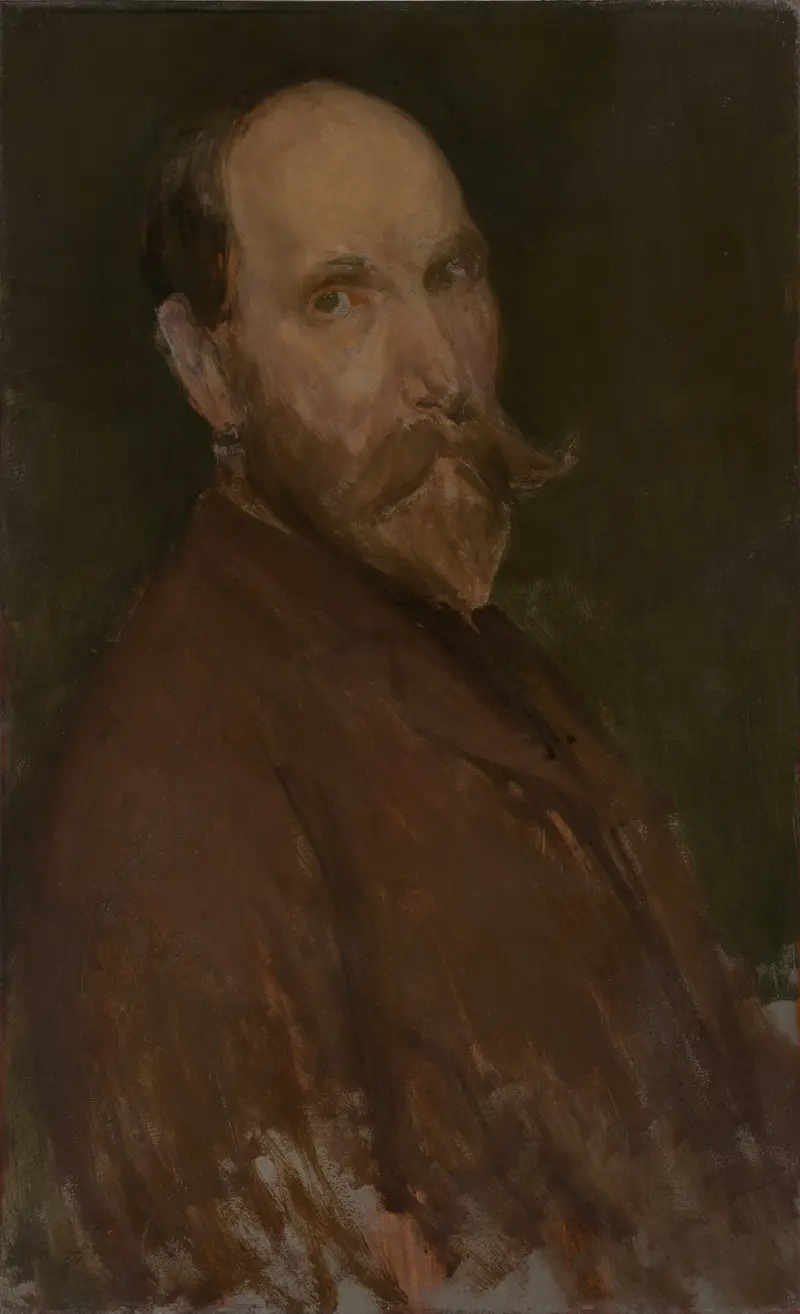
Charles Lang Freer
James McNeill Whistler





